Movie review
November 9, 2022 · 117 min · PG · Fantasy · Animation · Adventure · Drama
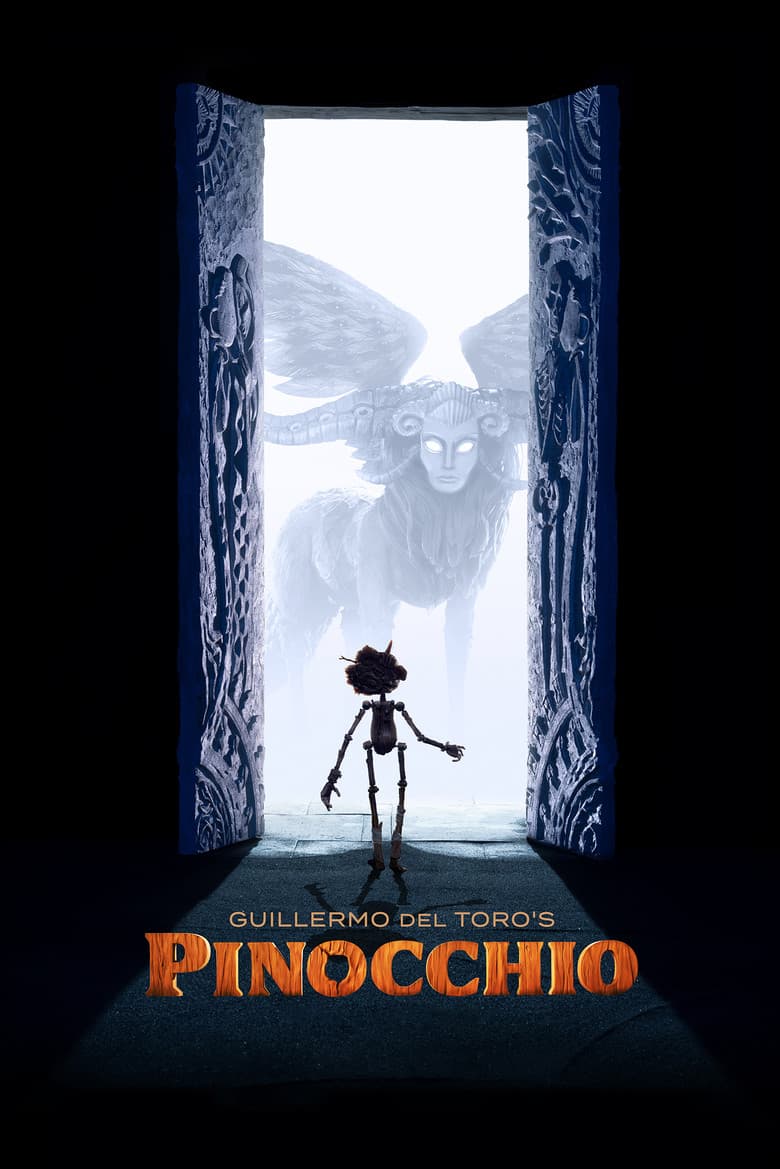
Guillermo del Toro's Pinocchio is a stop-motion animated movie set in 1930s Italy under a fascist government. It tells the classic story of a wooden boy who comes to life and tries to make his father proud. The movie has visible anti-war and anti-authoritarian themes as Pinocchio resists the pressure to become a soldier. It also questions traditional rules about obedience and criticizes the way powerful institutions demand blind conformity.
Community feedback
Was our 40% Woke rating accurate?
Breakdown
These are the editorial factors and ratings behind our score for Guillermo del Toro's Pinocchio.
Woke representation / casting
The film avoids identity-driven casting or DEI quota hiring. The voice actors were selected based on their fit for the characters and performance styles. There is no visible identity-first signaling or mismatch with the historical Italian setting.
0%
Woke political dialogue
The script contains strong anti-fascist, anti-military, and anti-authoritarian dialogue. Characters discuss the dangers of blind obedience and the foolishness of war. While politically charged, the dialogue remains focused on the historical setting rather than modern progressive buzzwords or identity politics.
25%
Identity-driven story themes
The narrative focuses on Pinocchio learning to accept himself as an imperfect individual rather than conforming to rigid societal expectations. While this promotes individual self-expression, it is framed through universal human experiences of love, grief, and family rather than modern intersectional identity politics.
10%
Western institutional / cultural critique
The film presents a noticeable critique of traditional Western institutions. It portrays the local Catholic Church and its priest as conformists who cooperate with a corrupt fascist state. The movie also compares Pinocchio's wooden body to a crucifix, questioning why townspeople worship a wooden Jesus but fear an alive wooden boy.
40%
Woke character or canon changes
The film changes the moral of the classic tale. In the original book and Disney movie, Pinocchio must be obedient to become a real boy. Here, disobedience and rebellion are celebrated as positive traits that save others. This subverts the original message, but it is an anti-authoritarian choice rather than a DEI-driven change.
20%
Anti-woke backlash and complaints
Some conservative and Christian reviewers expressed disappointment with the film's anti-Catholic undertones, pagan spiritual elements, and the rejection of traditional Christian morals. However, there was no major backlash accusing the film of pushing modern progressive or DEI-driven politics.
15%
Creator track record context
Auteur Guillermo del Toro has a history of telling stories that sympathize with outsiders and critique traditional power structures, which aligns with the film's themes. The rest of the creative team, including co-director Mark Gustafson and the producers, have neutral, craft-focused records with no political activism.
25%
Production
Movie · 2022
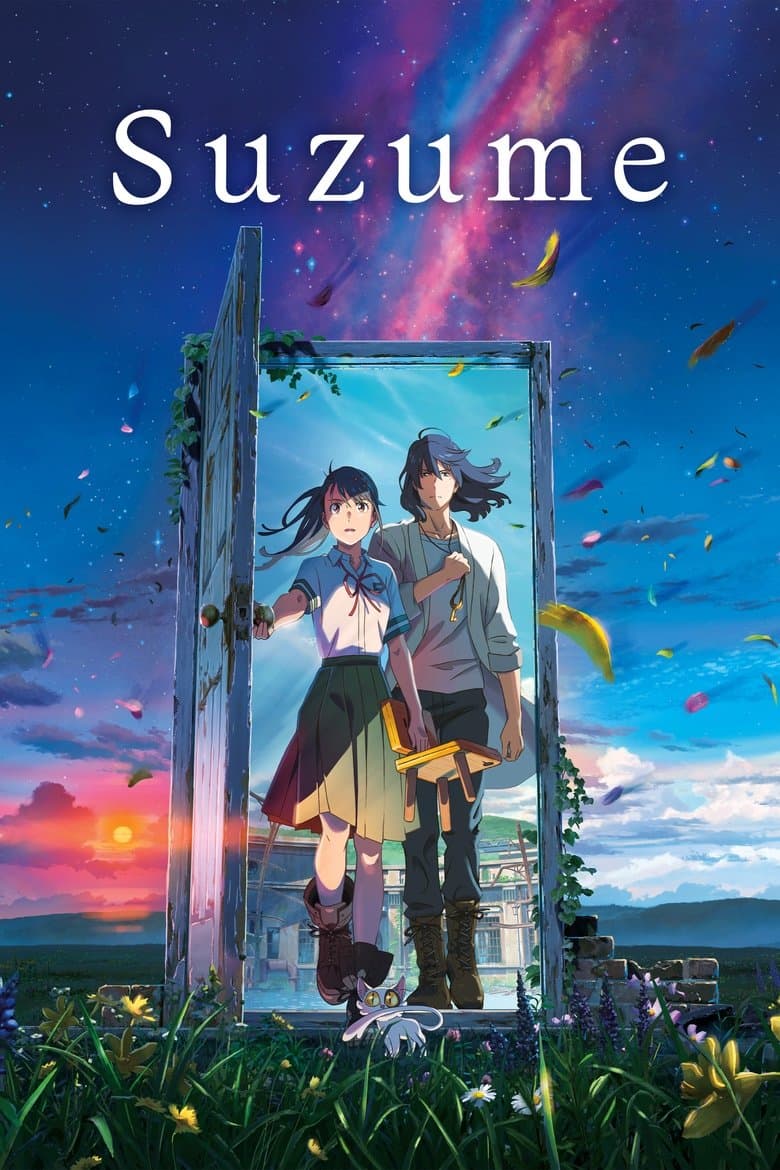
Suzume, 17, lost her mother as a little girl. On her way to school, she meets a mysterious young man. But her curiosity unleashes a calamity that endangers the entire population…
Movie · 2019
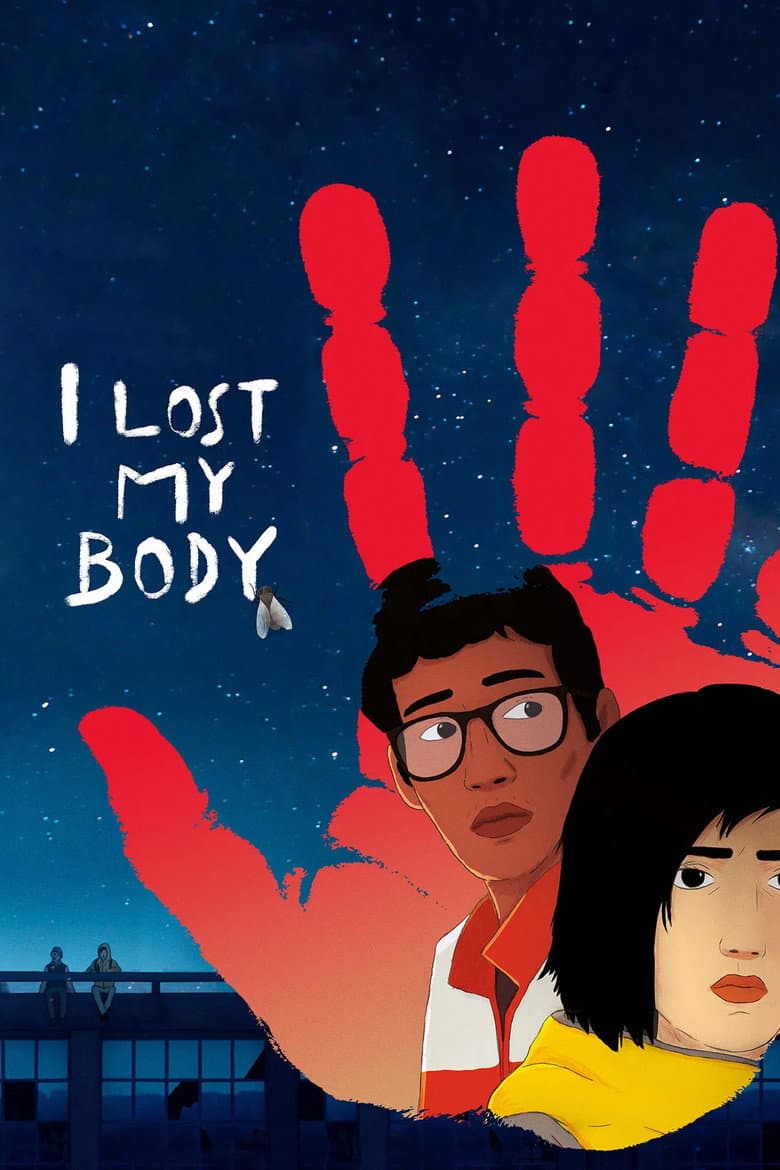
A story of Naoufel, a young man who is in love with Gabrielle. In another part of town, a severed hand escapes from a dissection lab, determined to find its body again.
Movie · 2026
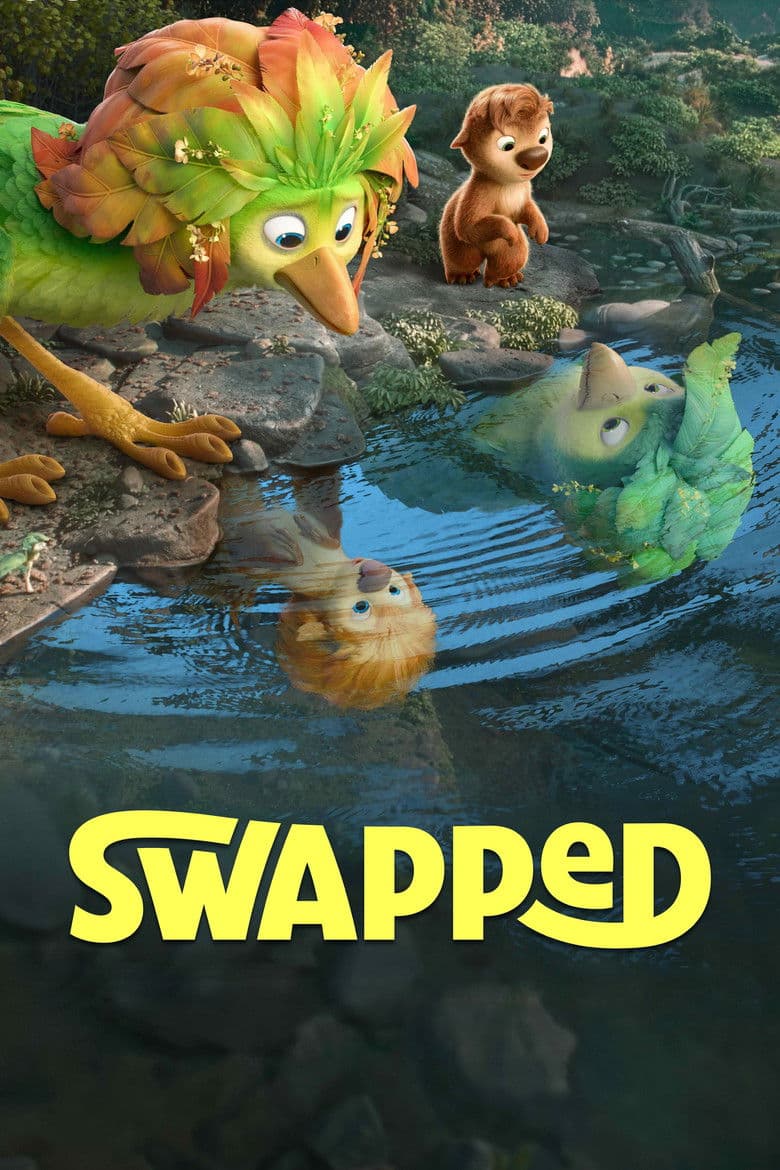
A small woodland creature and a majestic bird, two natural sworn enemies of the Valley, magically trade places and set off on an adventure of a lifetime to switch back.
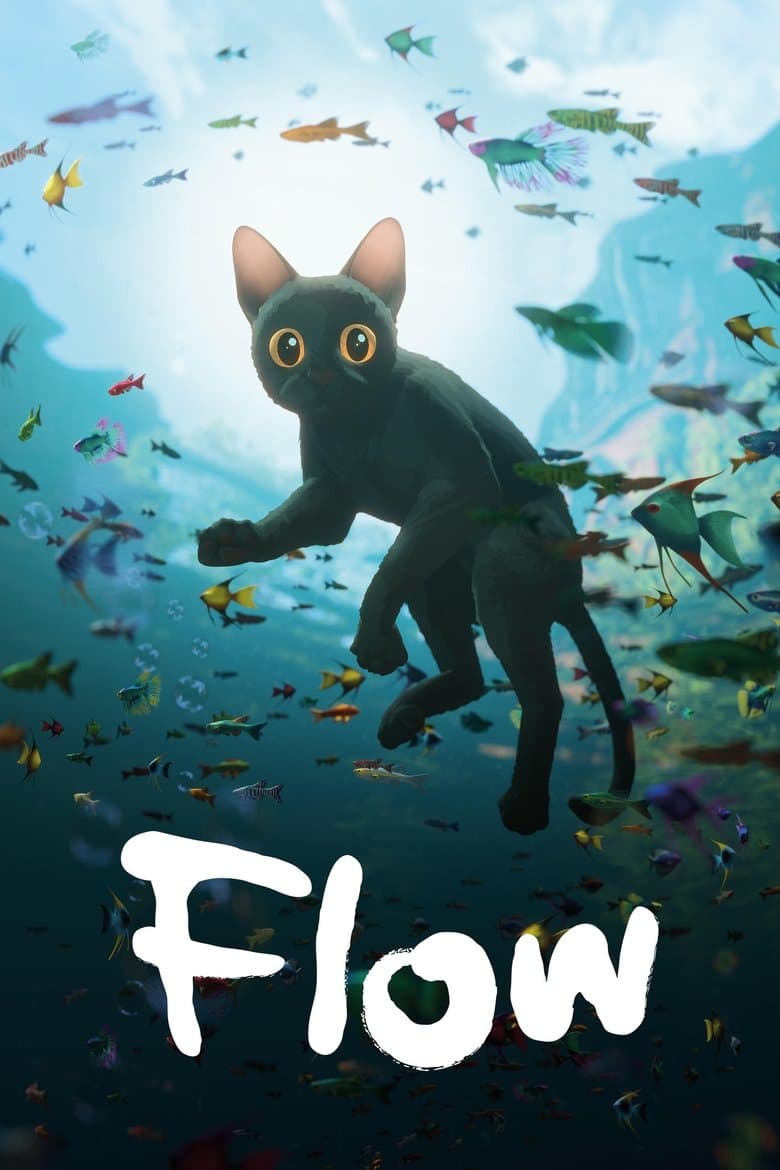
Movie · 2024
A solitary cat, displaced by a great flood, finds refuge on a boat with various species and must navigate the challenges of adapting to a transformed world together.
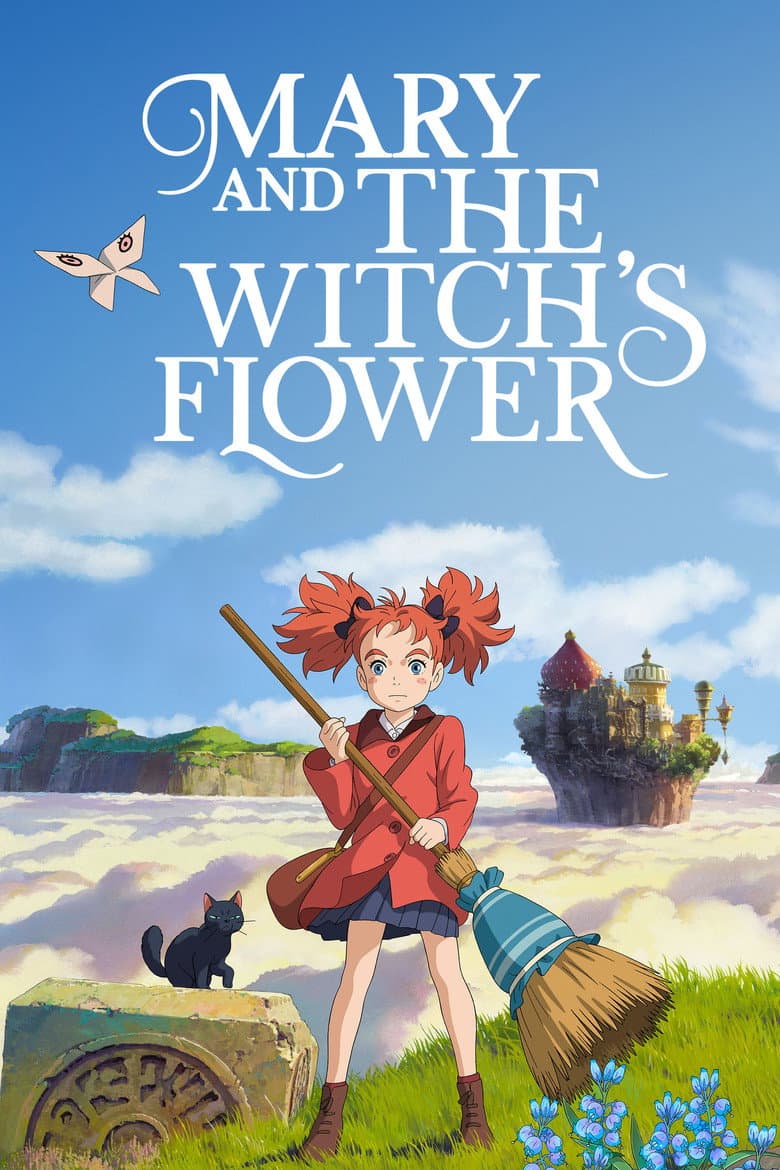
Movie · 2017
Mary Smith, a young girl who lives with her great-aunt in the countryside, follows a mysterious cat into the nearby forest where she finds a strange flower and an old broom, none…
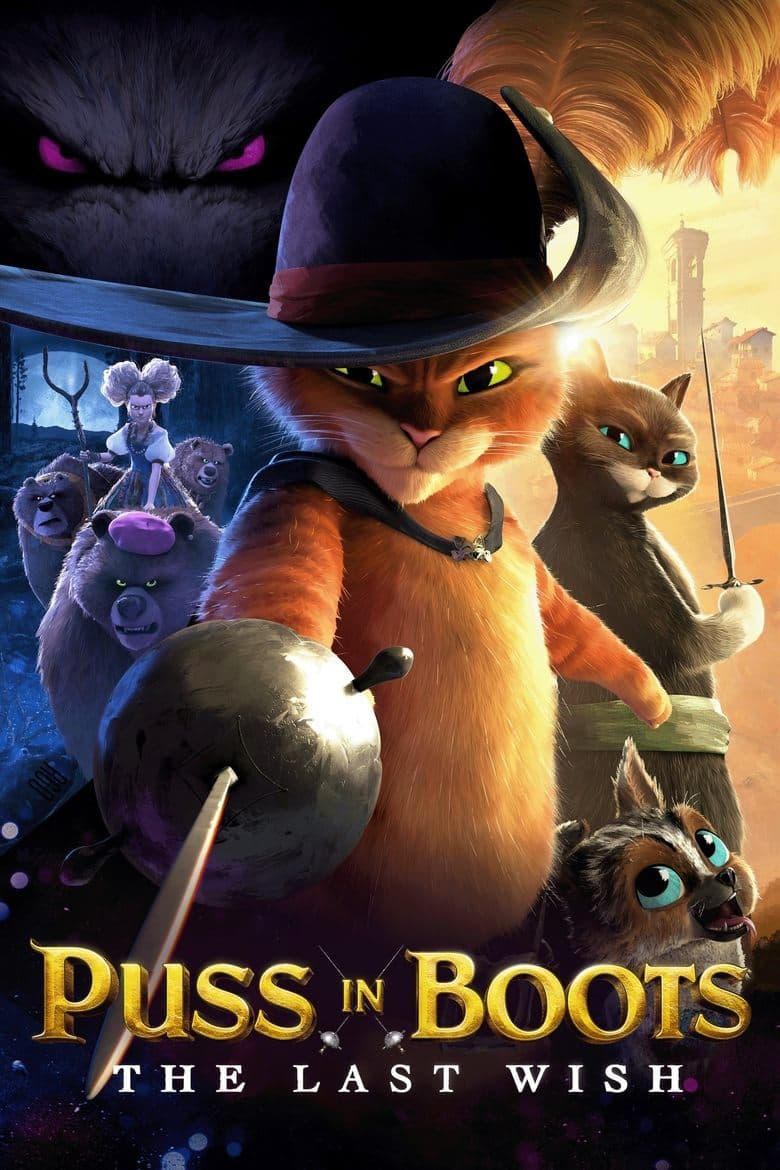
Movie · 2022
Puss in Boots discovers that his passion for adventure has taken its toll: He has burned through eight of his nine lives, leaving him with only one life left.
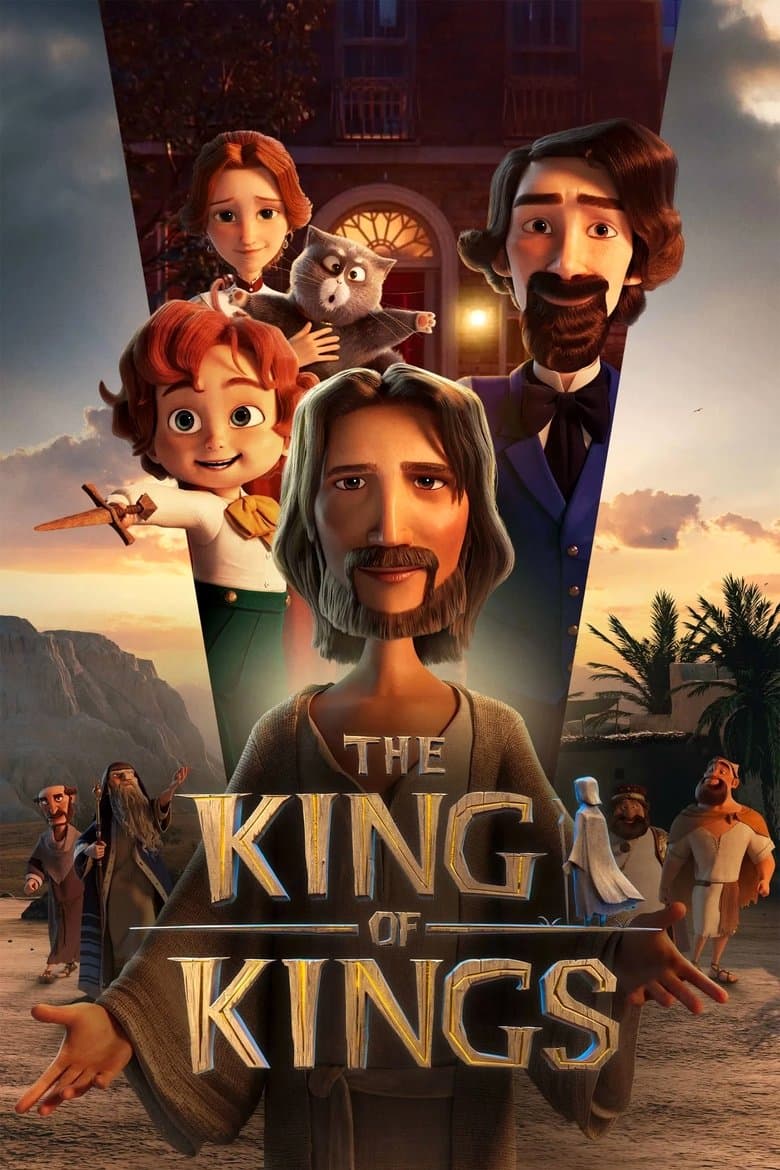
Movie · 2025
Charles Dickens tells his young son Walter the greatest story ever told, and what begins as a bedtime tale becomes a life-changing journey.
Movie · 2019
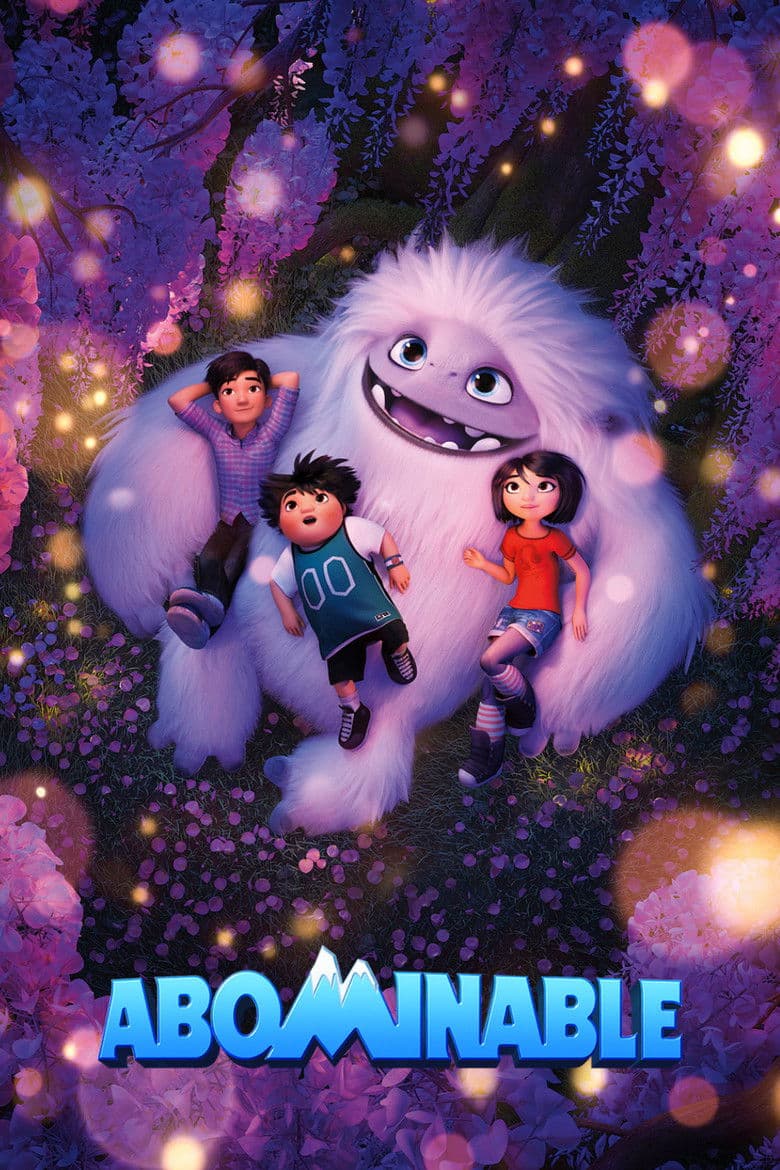
A group of misfits encounter a young Yeti named Everest, and they set off to reunite the magical creature with his family on the mountain of his namesake.
