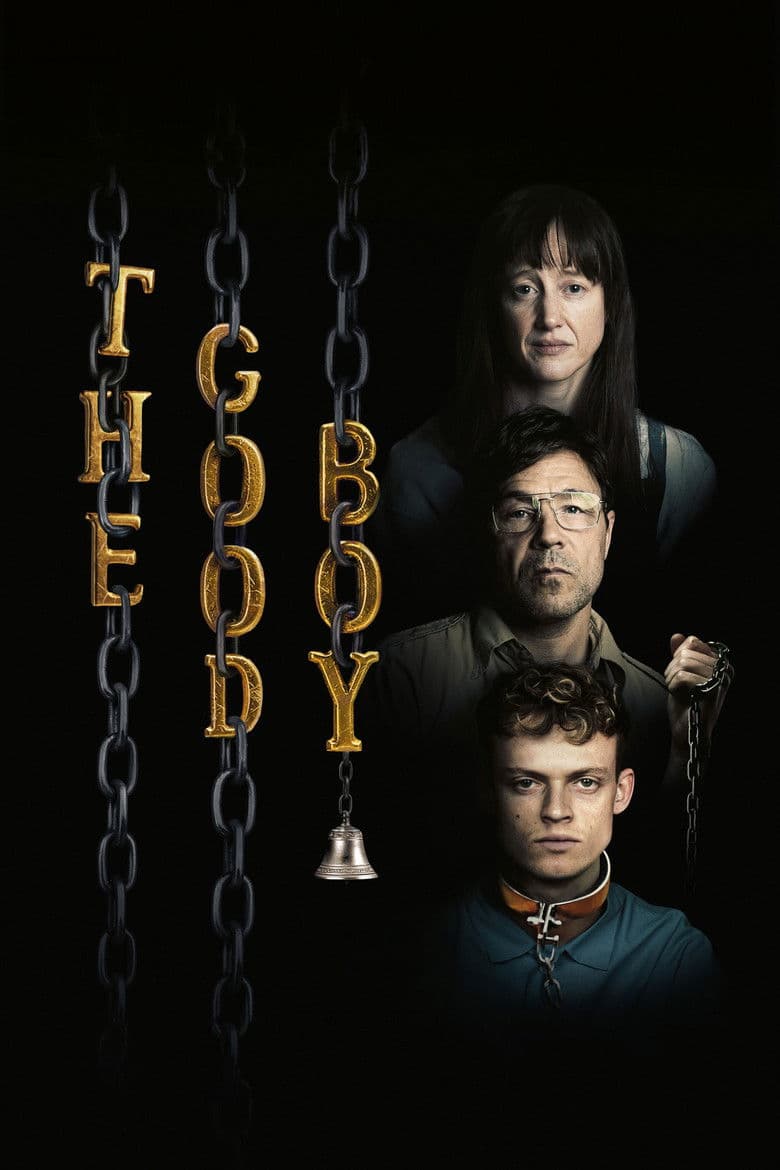
Tommy is a violent 19-year-old who spends his nights drinking, taking drugs, fighting, cheating, and filming cruel acts for social media. After he is taken from the street, he wakes in the basement of a remote Yorkshire home with a chain around his neck. Chris, Kathryn, and their sheltered son Jonathan present themselves as a proper family, but Chris means to remake Tommy through punishment, books, music, and strict rules. The tense story mixes dark jokes with fear, control, grief, and forced family bonds.
The film links Tommy’s violent, entitled behavior, including hostility toward gay people, to online fame and a damaged idea of manhood. It also questions family-values language, social status, and the right of a wealthy household to force its idea of normal life on another person. Rina, a Macedonian cleaner, is trapped by her visa problems, which adds a smaller story about a migrant worker being controlled. These ideas support the film’s questions about power, free choice, social pressure, and whether forced reform can ever make someone good.
Community feedback
Was our 31% Woke rating accurate?
Breakdown
These are the editorial factors and ratings behind our score for Good Boy.
Woke representation / casting
Not present. The main roles fit a present-day Yorkshire story, with Rina and Gabby in supporting roles. The film does not present any casting choice as a diversity statement.
0%
Woke political dialogue
Not present. The dialogue focuses on family rules, bad behavior, social media, and forced reform. It does not include activist speeches or modern identity-politics lectures.
0%
Identity-driven story themes
The film centers on Tommy’s violent, entitled behavior and links it to online fame and a damaged idea of manhood. Jan Komasa’s title interview directly discusses toxic masculinity and toxic femininity. Reviews also connect Tommy’s attention-seeking violence to online male influencer culture. The main point remains a moral thriller about control, so the identity message is strong but not dominant.
30%
Western institutional / cultural critique
The film undercuts the idea that a neat middle-class home is automatically safe or moral. Chris uses family-values talk, books, classical music, police and Home Office contacts, and harsh punishment to force Tommy into obedience. Komasa describes a clash between middle-class power and a young offender. The story shows family authority and social rules as tools of control, but it does not attack capitalism or Western society as a whole.
32%
Woke character or canon changes
Not relevant. The film is an original story about Tommy, Chris, and the family. It does not change a known character, real person, or established story.
0%
Anti-woke backlash and complaints
A separate X search found a few small-account jokes calling the trailer “woke garbage” and “obviously woke.” Other replies joked that the dog was trans or brown, which appears to confuse this film with another movie called Good Boy. One generic anti-woke rant quickly turned back to whether the dog dies. The posts had little engagement, so the backlash is fringe.
12%
Creator track record context
Jan Komasa has a cached score of 35/100 for work about youth, faith, belonging, and resistance to harsh power. In a title interview, he directly discusses classism, toxic masculinity, and toxic femininity. The other listed directors and writers have cached scores of 0/100. Producer Caroline Cooper Charles has a low 12/100 context score from socially aware and queer-inclusive work, while the other producers are low.
25%
Production
Movie · 2022
7 years after the case related to Vijay Salgaonkar and his family was closed, a series of unexpected events bring truth to light that threatens to change everything for the…
Movie · 2019
A woman grieving over the death of her daughter loses grip of reality when she begins to think her girl may still be alive.
Movie · 2016
In 1967, four undercover CIA agents were sent to NASA posing as a documentary film crew. What they discovered led to one of the biggest conspiracies in American history.
Movie · 2023
Following the brutal murder of a young real estate agent, a hardened detective attempts to uncover the truth in a case where nothing is as it seems, and by doing so dismantles the…
Movie · 2024
Roy Freeman, an ex-homicide detective with a fractured memory, is forced to revisit a case he can't remember.
Movie · 2018
After David Kim's 16-year-old daughter goes missing, a local investigation is opened and a detective is assigned to the case.
Movie · 2017
Dr. Steven Murphy is a renowned cardiovascular surgeon who presides over a spotless household with his wife and two children.
Movie · 2021
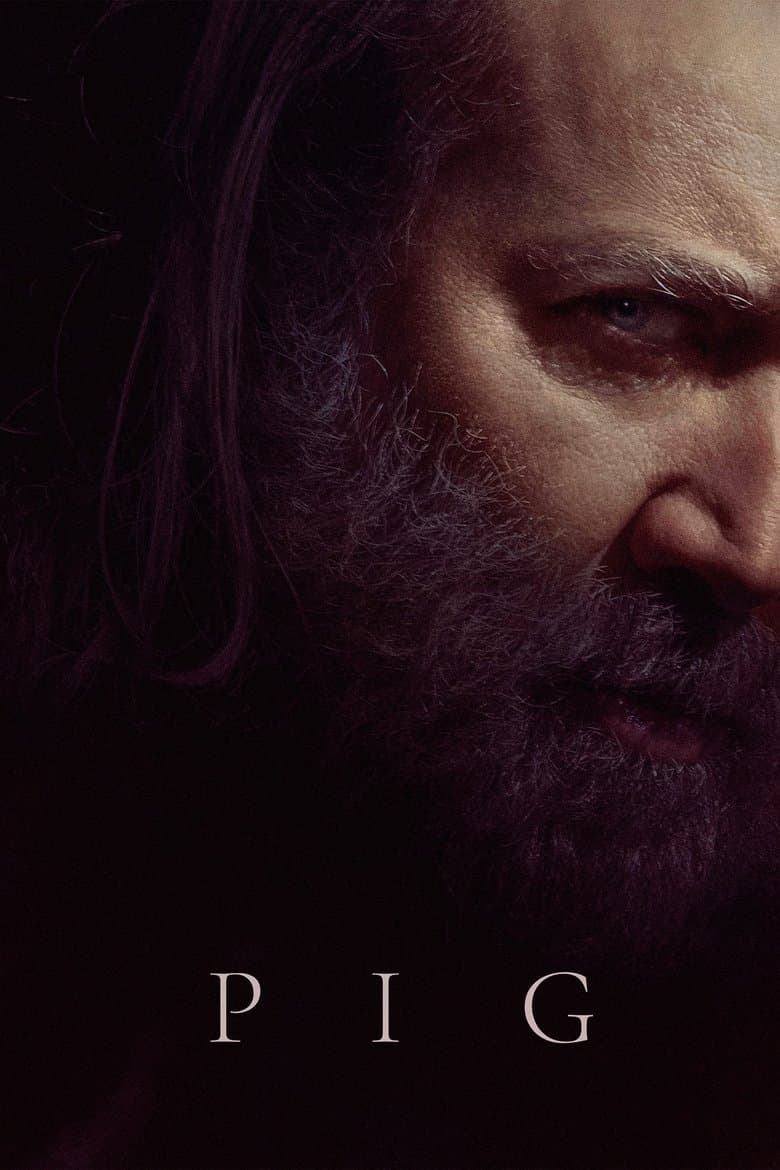
A truffle hunter who lives alone in the Oregon wilderness must visit Portland to find the mysterious person who stole his beloved foraging pig.
