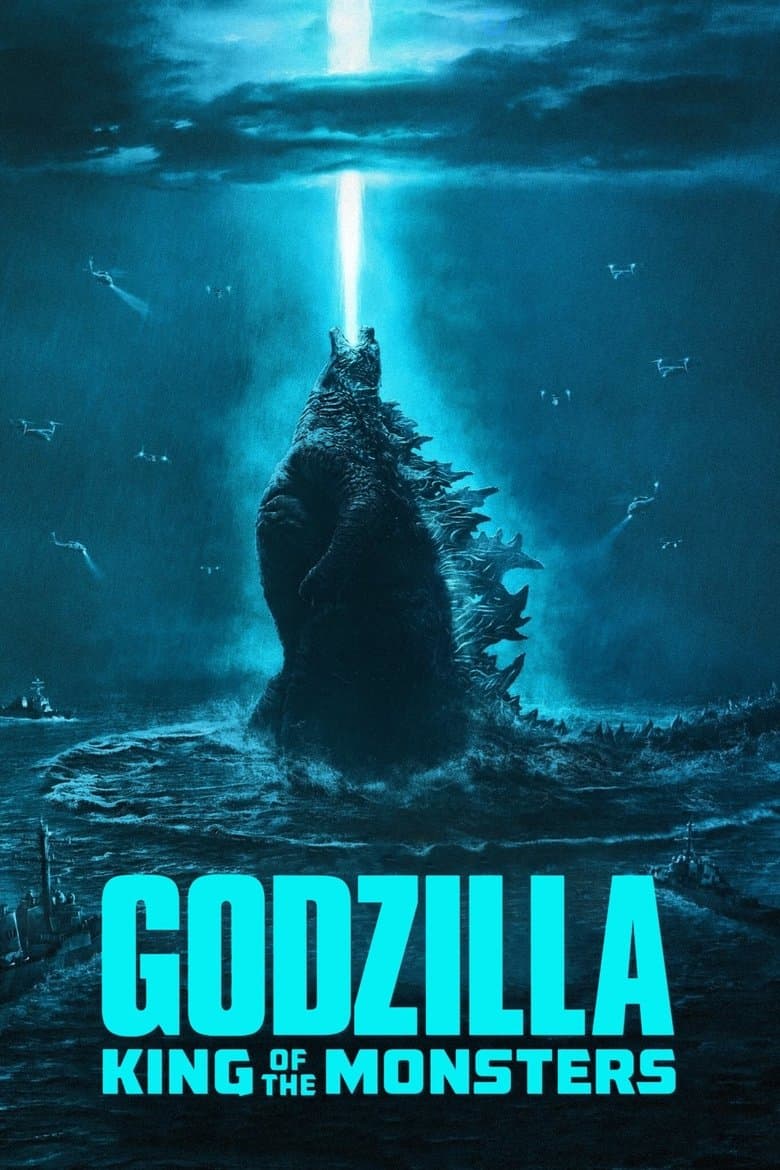
Godzilla: King of the Monsters follows Monarch, a secret group that studies giant Titans, as Godzilla, Mothra, Rodan, and King Ghidorah fight across the world. Mark Russell, a divorced animal expert, joins the search after his ex-wife Emma and daughter Madison are taken by environmental terrorists. Emma uses the ORCA, a machine that calls the Titans, because she believes the monsters can repair a damaged Earth. The film mixes huge monster battles with a sad family story about loss, anger, and forgiveness.
The clearest woke element is the film’s environmental warning. Emma and Alan Jonah say that overpopulation, pollution, and war have made humans an infection and that the Titans must restore the planet’s balance. The film gives this idea a large role in the plot, but it treats mass death as wrong and makes Emma’s plan fail when Ghidorah turns it into a worldwide disaster. The story ends by showing that humans must live beside nature, so the message is clear but stays below the family drama and monster action.
Community feedback
Was our 25% Woke rating accurate?
Breakdown
These are the editorial factors and ratings behind our score for Godzilla: King of the Monsters.
Woke representation / casting
The film uses a visibly mixed team of scientists and military officers, including Japanese, Chinese, and black characters. The central family is white, and the story does not make race or gender a major issue. An interview with actor O'Shea Jackson celebrates the franchise's first prominent black characters and its diverse cast. The roles still fit a worldwide monster agency, so the representation signal is light.
20%
Woke political dialogue
Emma says that overpopulation, pollution, and war have made humans an infection. Emma says the Titans are Earth's natural defense and should be freed to restore balance. The film gives those ideas repeated speeches and uses them to start the main disaster. The heroes reject the plan after Ghidorah turns it into mass destruction, so the message is environmental and limited rather than a full political program.
25%
Identity-driven story themes
Not present in this title.
0%
Western institutional / cultural critique
Not present in this title.
0%
Woke character or canon changes
Not present in this title.
0%
Anti-woke backlash and complaints
A small number of online and niche review comments called the environmental message political or objected to the film's “strong female character” framing. Those comments focused on the eco-terrorist plot and Emma's choices, not on DEI, queer content, or race swapping. Mainstream coverage did not show a large anti-woke campaign. The evidence is thin and fringe.
8%
Creator track record context
Michael Dougherty has a mild record of saying that diversity in genre films matters. Sarah Halley Finn has a stronger record of supporting racial and gender representation in studio franchises. The other listed writers and producers show little public activist or identity-focused activity. This gives the title some background context, but it does not create a strong signal by itself.
25%
Production

Movie · 2022
The Red Ribbon Army, an evil organization that was once destroyed by Goku in the past, has been reformed by a group of people who have created new and mightier Androids, Gamma 1…

Movie · 2010
Cobb, a skilled thief who commits corporate espionage by infiltrating the subconscious of his targets is offered a chance to regain his old life as payment for a task considered…

Movie · 2017
In the near future, Major is the first of her kind: a human saved from a terrible crash, then cyber-enhanced to be a perfect soldier devoted to stopping the world's most dangerous…

Movie · 2023
An exploratory dive into the deepest depths of the ocean of a daring research team spirals into chaos when a malevolent mining operation threatens their mission and forces them…

Movie · 2018
Primatologist Davis Okoye shares an unshakable bond with George, the extraordinarily intelligent, silverback gorilla who has been in his care since birth.

Movie · 2017
Set during the Vietnam war, Firebase follows American soldier Hines through an ever-deepening web of science fiction madness.

Movie · 2019
When Alita awakens with no memory of who she is in a future world she does not recognize, she is taken in by Ido, a compassionate doctor who realizes that somewhere in this…

Movie · 2023
65 million years ago, the only 2 survivors of a spaceship from Somaris that crash-landed on Earth, must fend off dinosaurs to reach the escape vessel in time before an imminent…
