
Genius is a period biographical drama about Scribner's editor Maxwell Perkins and his intense professional friendship with novelist Thomas Wolfe in late 1920s and 1930s New York. The story follows their work editing sprawling manuscripts such as Look Homeward, Angel and Of Time and the River. It also shows Wolfe's turbulent affair with costume designer Aline Bernstein and Perkins's strained home life with his wife Louise. Fitzgerald and Hemingway appear in cameo roles. The core themes are craft, friendship, ego, and the personal cost of literary work.
The film does not push modern identity politics. Dialogue stays on editing, authorship, friendship, and domestic strain. Women's roles appear as period relationship drama, including Louise's sidelined playwright ambitions and Aline's jealous and sacrificial affair. Neglect of spouses plays as personal character conflict inside a historical workplace story. The adaptation compresses real timelines and biography in ordinary biopic ways, not as identity-driven rewrites of historical figures.
Community feedback
Was our 6% Woke rating accurate?
Breakdown
These are the editorial factors and ratings behind our score for Genius.
Woke representation / casting
Not present. Cast matches the real historical principals of the 1920s–30s New York literary world with no diversity-quota casting, race or gender swaps, or identity-statement marketing.
0%
Woke political dialogue
Not present. Dialogue centers on editing, authorship, friendship, and domestic strain with no modern activist, DEI, or identity-politics speeches.
0%
Identity-driven story themes
Not present. Story is a male literary bromance and craft film. Women’s roles are period relationship drama, not present-day identity or social-justice messaging.
0%
Western institutional / cultural critique
Not present. No modern activist critique of Western institutions, toxic masculinity as ideology, capitalism, whiteness, or Christianity. Spouse neglect is personal conflict, not institutional propaganda.
0%
Woke character or canon changes
Not relevant. Adaptation compresses biography and timelines in ordinary biopic ways, not identity-driven rewrites of historical figures.
0%
Anti-woke backlash and complaints
Not present. No meaningful anti-woke campaign. Reaction focused on pacing, theatrical style, and nationality casting, not identity politics.
0%
Creator track record context
Grandage and Logan are openly gay and have other work with outsider or empathy themes. Most producers and the editor sit near zero on that scale. The team has moderate personal-identity context, not a DEI-activist production team. That history does not appear as activist content in this film.
32%
Production
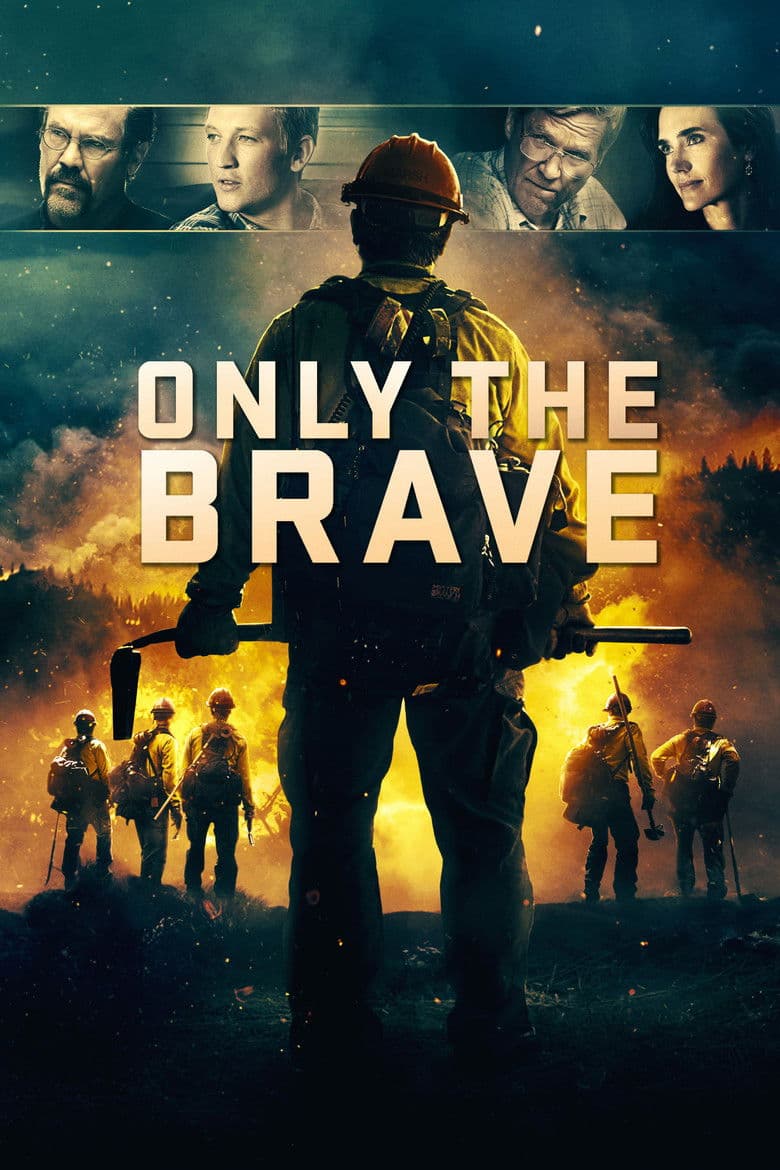
Movie · 2017
Members of the Granite Mountain Hotshots battle deadly wildfires to save an Arizona town.
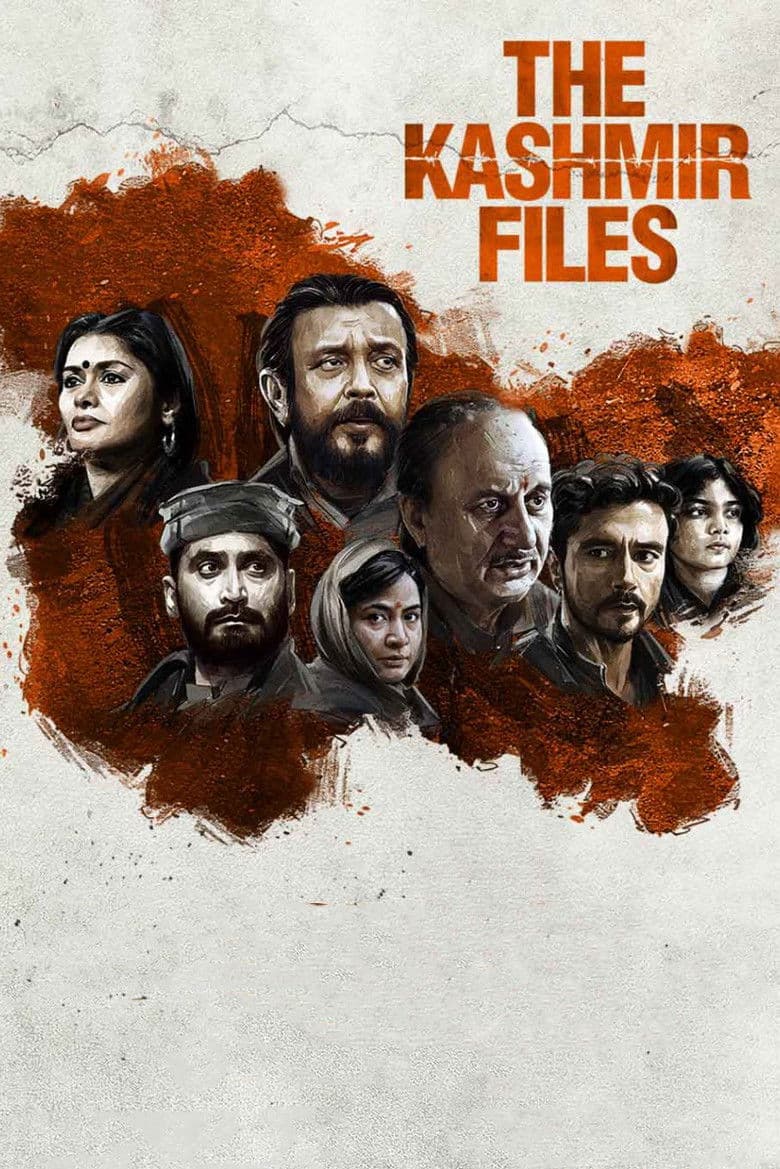
Movie · 2022
Based on a true tragedy, the emotionally triggering film sheds light on the plight of Kashmiri Pandits (Hindus), a religious minority in the 1990s Kashmir valley, who were…
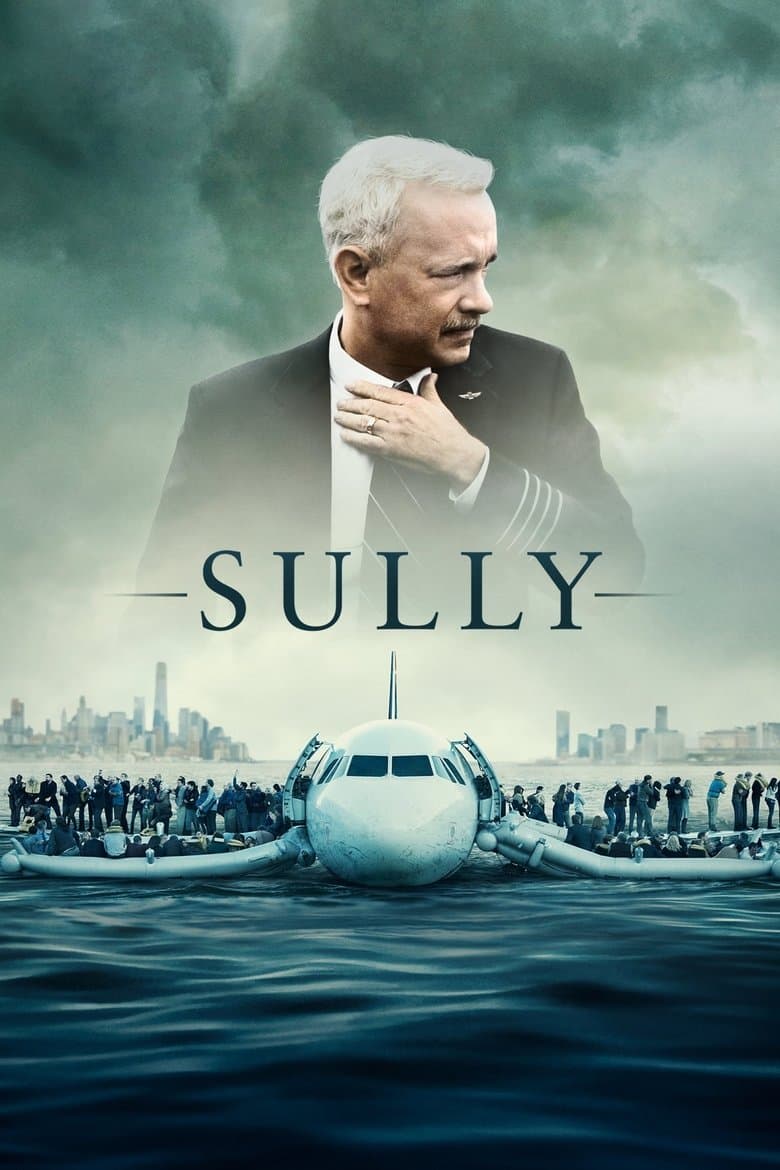
Movie · 2016
On 15 January 2009, the world witnessed the 'Miracle on the Hudson' when Captain 'Sully' Sullenberger glided his disabled plane onto the Hudson River, saving the lives of all 155…
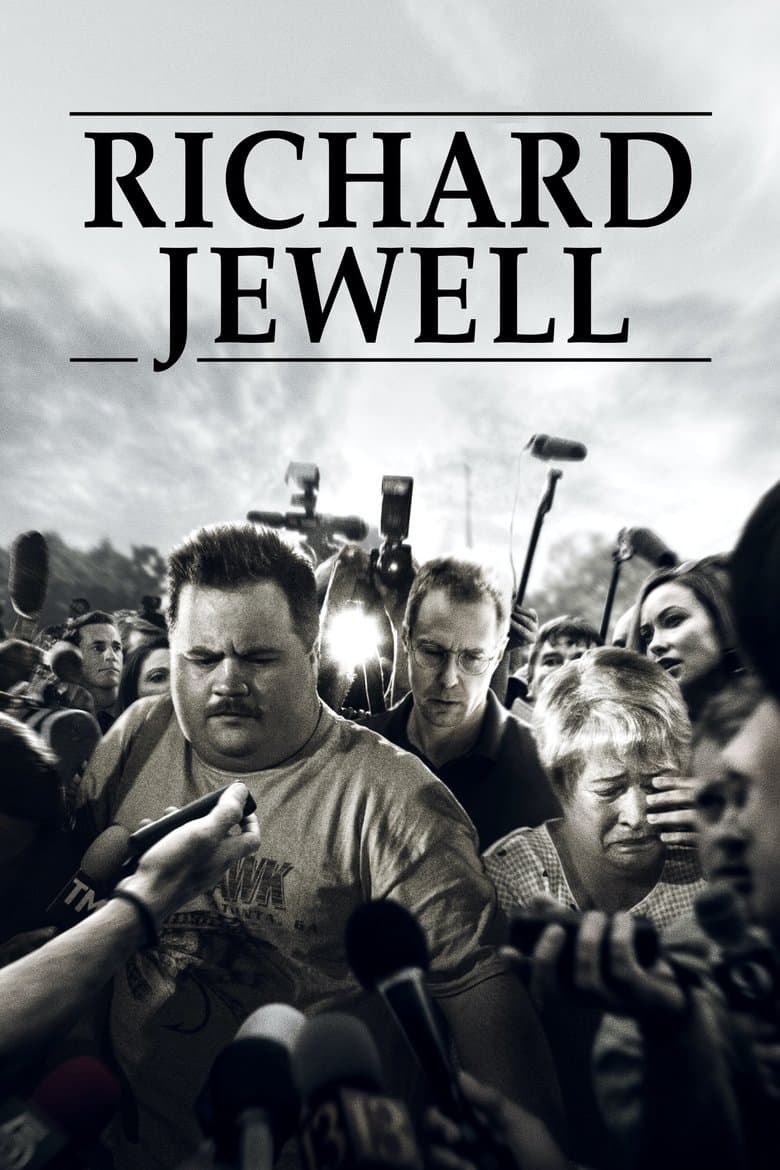
Movie · 2019
Richard Jewell thinks quick, works fast, and saves hundreds, perhaps thousands, of lives after a domestic terrorist plants several pipe bombs and they explode during a concert…
Movie · 2026
While people across 1990s Iraq struggle to survive the war and food shortages, Saddam Hussein requires each school in the country to prepare a cake to celebrate his birthday.
Movie · 2020
A man refuses all assistance from his daughter as he ages and, as he tries to make sense of his changing circumstances, he begins to doubt his loved ones, his own mind and even…
Movie · 2017
In 1950, amidst the ravages of the Korean War, Sergeant Süleyman stumbles upon a a half-frozen little girl, with no parents and no help in sight and he risks his own life to save…
Movie · 2023
American ballet dancer Joy Womack is accepted into Moscow's infamously tough Bolshoi Ballet Academy, with the dream of becoming a great ballerina.
