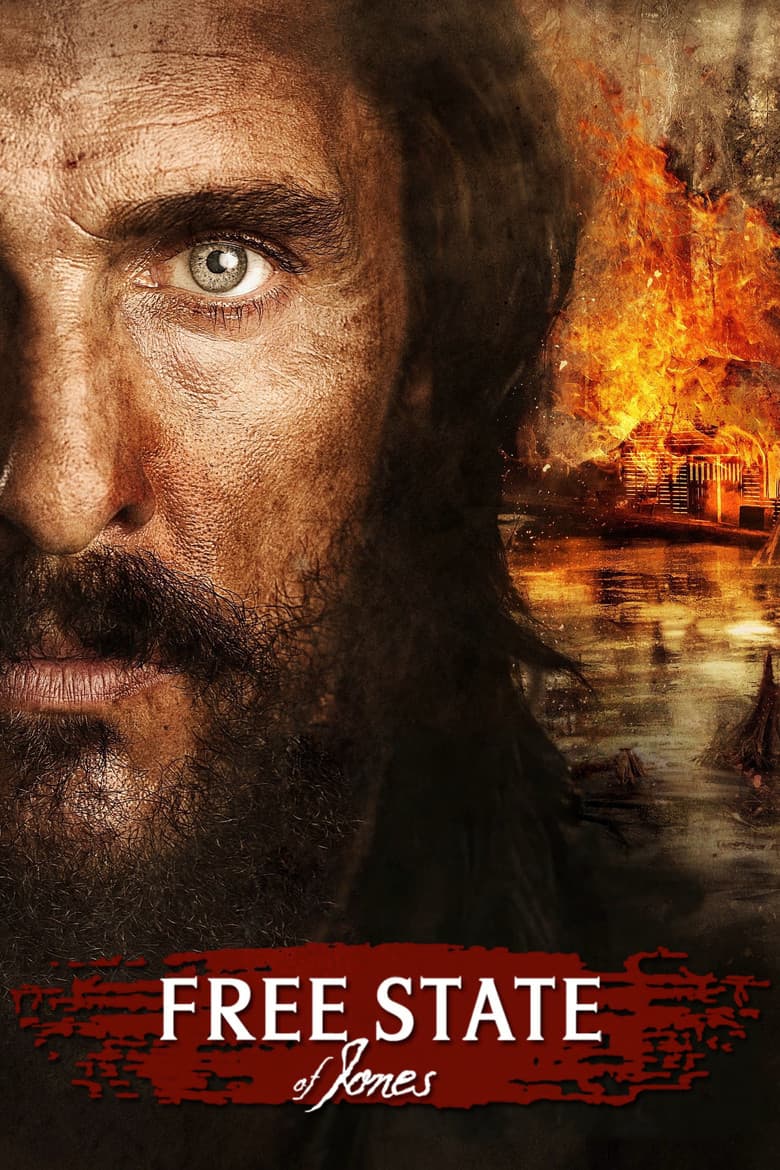
The film follows Newton Knight, a Mississippi farmer and Confederate medic. He deserts after his nephew dies and after the Twenty Negro Law hits home. He leads an interracial band of deserters and runaway slaves in Jones County against the Confederacy. After the war, the story moves into Reconstruction. It covers Black Codes, the lynching of Moses while he registers freedmen to vote, Newt’s common-law bond with former slave Rachel, and a coda about descendant Davis Knight’s 1948 anti-miscegenation trial.
Audience-clear race and class talk runs through the film, including rich man’s war and poor man’s fight speech and voting rights talk. The plot ties interracial rebellion, Reconstruction violence, interracial family life, and later race law into one through-line. Modern framing of allyship and unfinished racial justice is hard to miss. Class struggle against planter power is a main political engine, not a side note.
Community feedback
Was our 61% Woke rating accurate?
Breakdown
These are the editorial factors and ratings behind our score for Free State of Jones.
Woke representation / casting
Casting fits Civil War Mississippi with poor whites, enslaved people, and freemen. The Rachel and Newt pairing is a historically grounded interracial match, not modern quota casting. Marketing and interviews still lift Rachel as a revolutionary female rebel and Moses as a noble freedom fighter, which adds mild identity-forward emphasis beyond pure period need.
14%
Woke political dialogue
Viewers hear clear race and class speech such as rich man’s war and poor man’s fight. The film attacks the Twenty Negro Law, airs solidarity talk, and pushes voting rights and equality lines in Reconstruction. Period dress still carries progressive political rhetoric that some viewers will read as modern messaging.
32%
Identity-driven story themes
The core structure is race plus class, from interracial rebellion to Reconstruction Black Codes and lynching over Black suffrage. Interracial family life and the 1948 anti-miscegenation coda tie Civil War race politics to later civil rights. Historical anti-slavery alone is not woke, but the allyship frame and unfinished racial justice through-line are hard to miss.
62%
Western institutional / cultural critique
The film hits Confederate planter power, Black Codes, Redeemer white supremacy, voter suppression, and anti-miscegenation law hard. The target is mostly historical Southern racial hierarchy, not generic attacks on Christianity or abstract Western life. It still works as a deliberate push against Lost Cause and conservative Southern mythology.
34%
Woke character or canon changes
The story draws from real Newton Knight and Jones County history and scholarly sources. Moses is a composite for Black Reconstruction experience, not a race or gender swap of a franchise hero. Mild idealization remains, since some historians say Knight is given near-modern progressive racial views beyond fully documented motives.
20%
Anti-woke backlash and complaints
Right-leaning complaints are limited, mostly Lost Cause defense and rare pro-Black propaganda labels on social media. The loudest identity fight was left-side white savior and not truly woke critique, which is excluded here. This was not a major anti-woke flashpoint.
16%
Creator track record context
Gary Ross built the film as race and class revisionist history. Producers include Jon Kilik, tied to Spike Lee race-politics cinema, and Scott Stuber, later linked to inclusion-focused Netflix leadership. Overall the crew context is moderate progressive Hollywood that matches the film’s content.
38%
Production
Movie · 2022
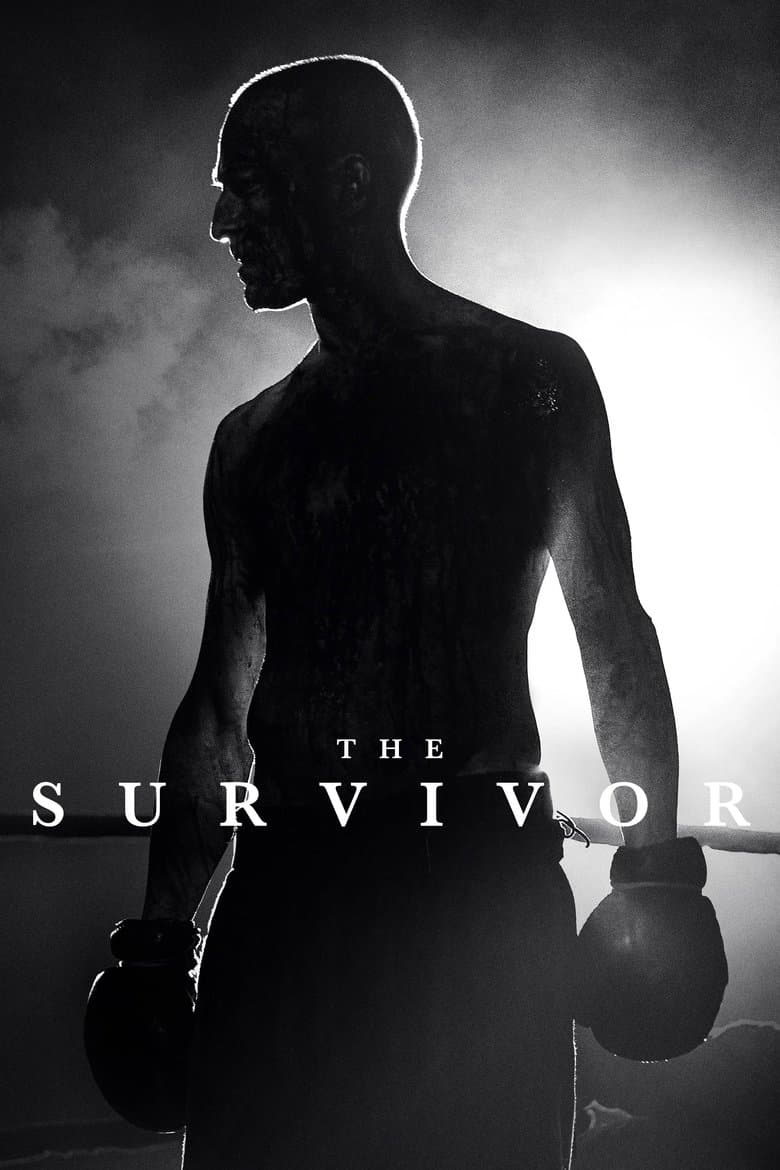
Harry Haft is a boxer who fought fellow prisoners in the concentration camps to survive. Haunted by the memories and his guilt, he attempts to use high-profile fights against…

Movie · 2025
In the late 1990s, up-and-coming mixed martial artist Mark Kerr aspires to become the greatest fighter in the world.
Movie · 2020
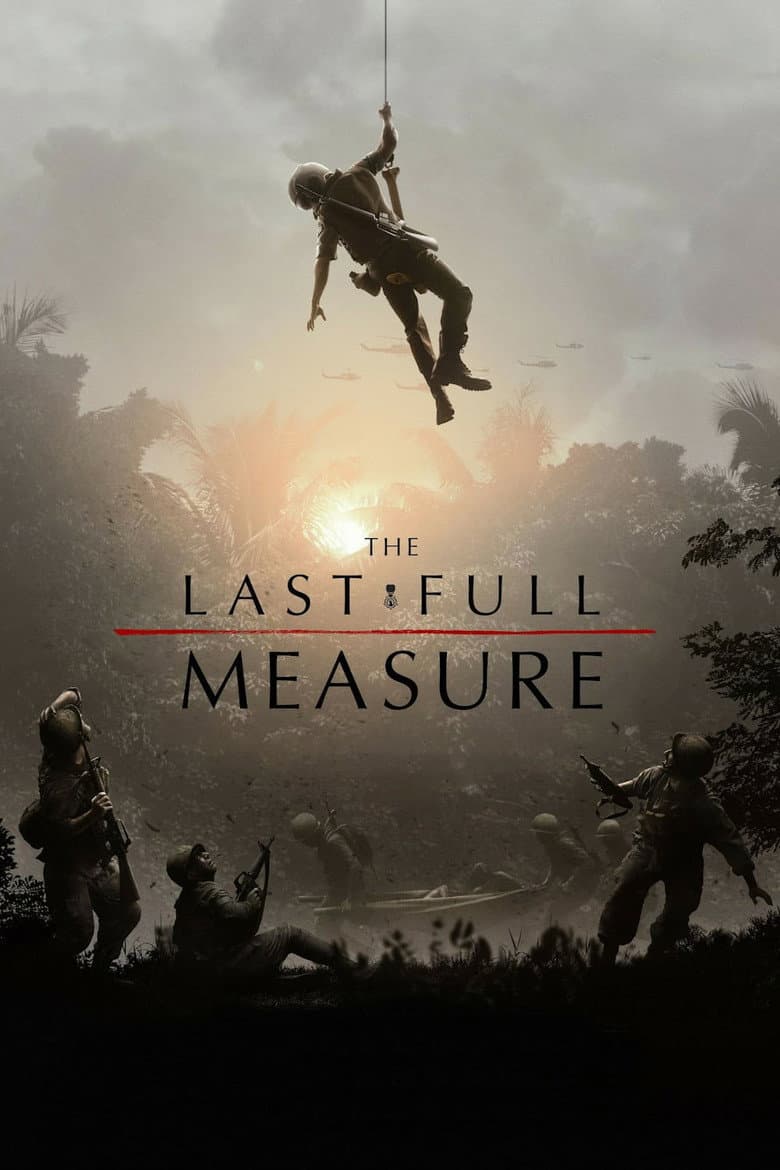
The incredible true story of Vietnam War hero William H. Pitsenbarger, a U.S. Air Force Pararescuemen medic who personally saved over sixty men.

Movie · 2019
American car designer Carroll Shelby and the British-born driver Ken Miles work together to battle corporate interference, the laws of physics, and their own personal demons to…
Movie · 2022
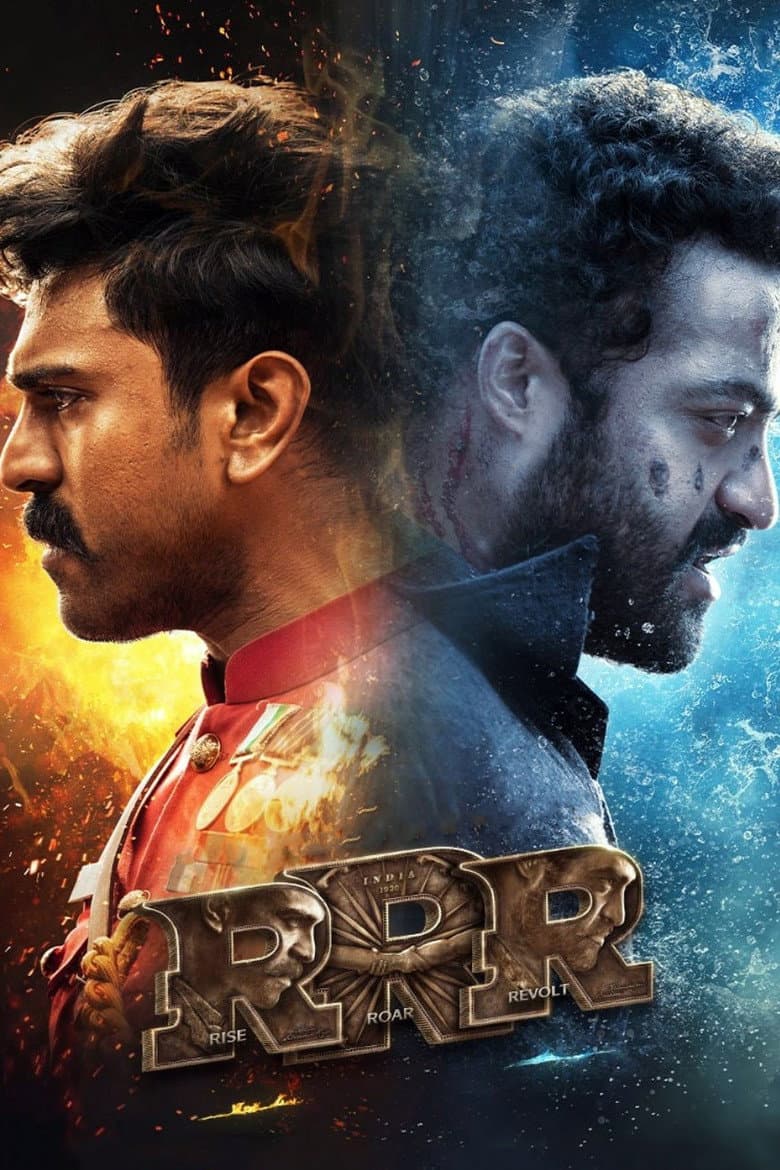
A fictional history of two legendary revolutionaries' journey away from home before they began fighting for their country in the 1920s.
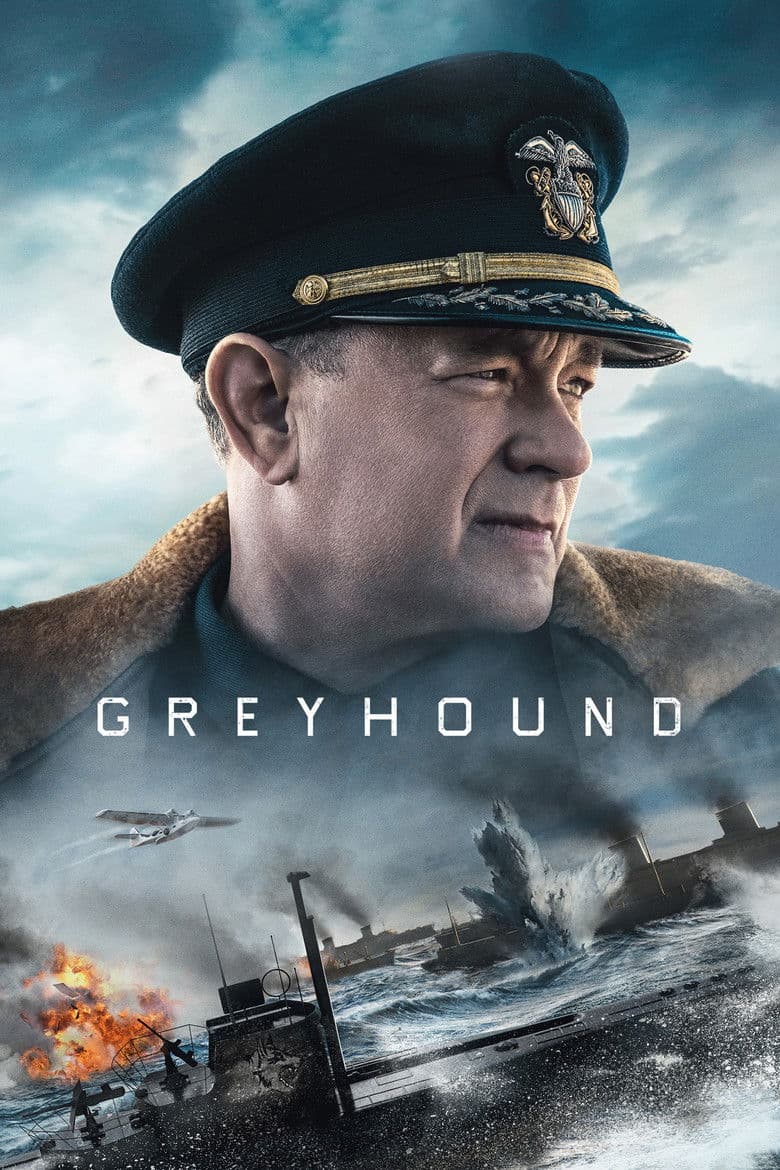
Movie · 2020
A first-time captain leads a convoy of allied ships carrying thousands of soldiers across the treacherous waters of the "Black Pit" to the front lines of WWII.
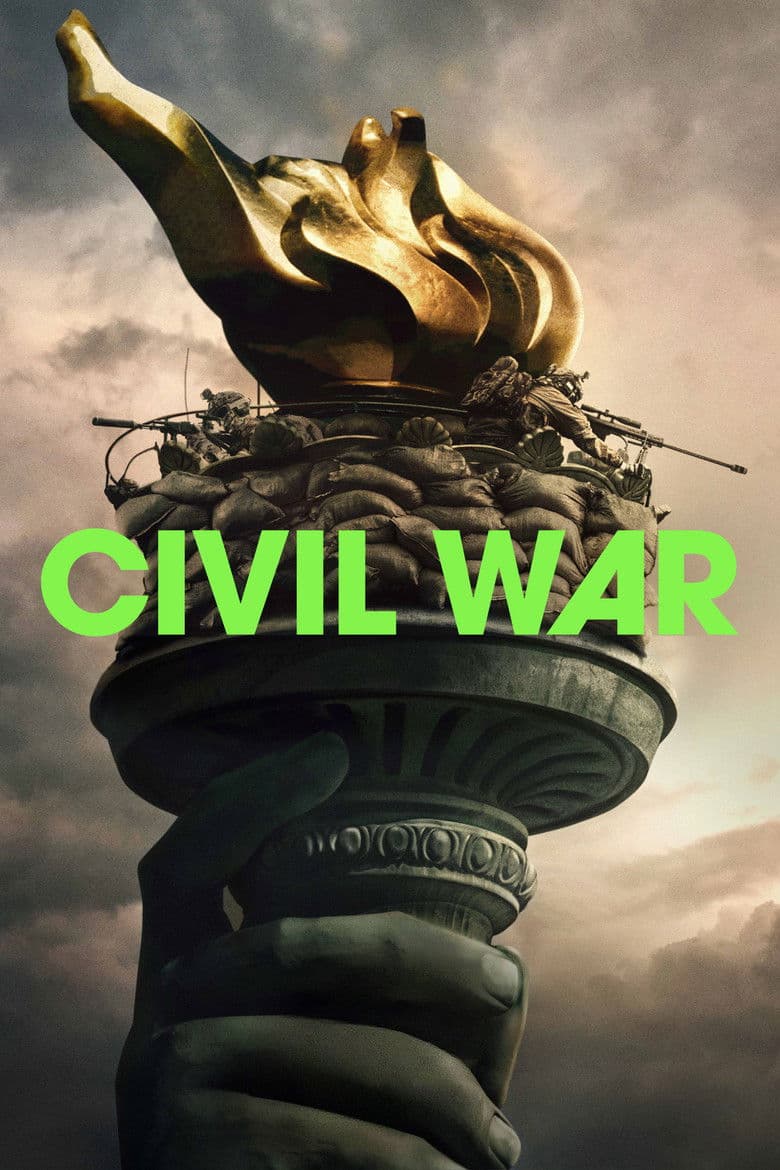
Movie · 2024
In the near future, a group of war journalists attempt to survive while reporting the truth as the United States stands on the brink of civil war.
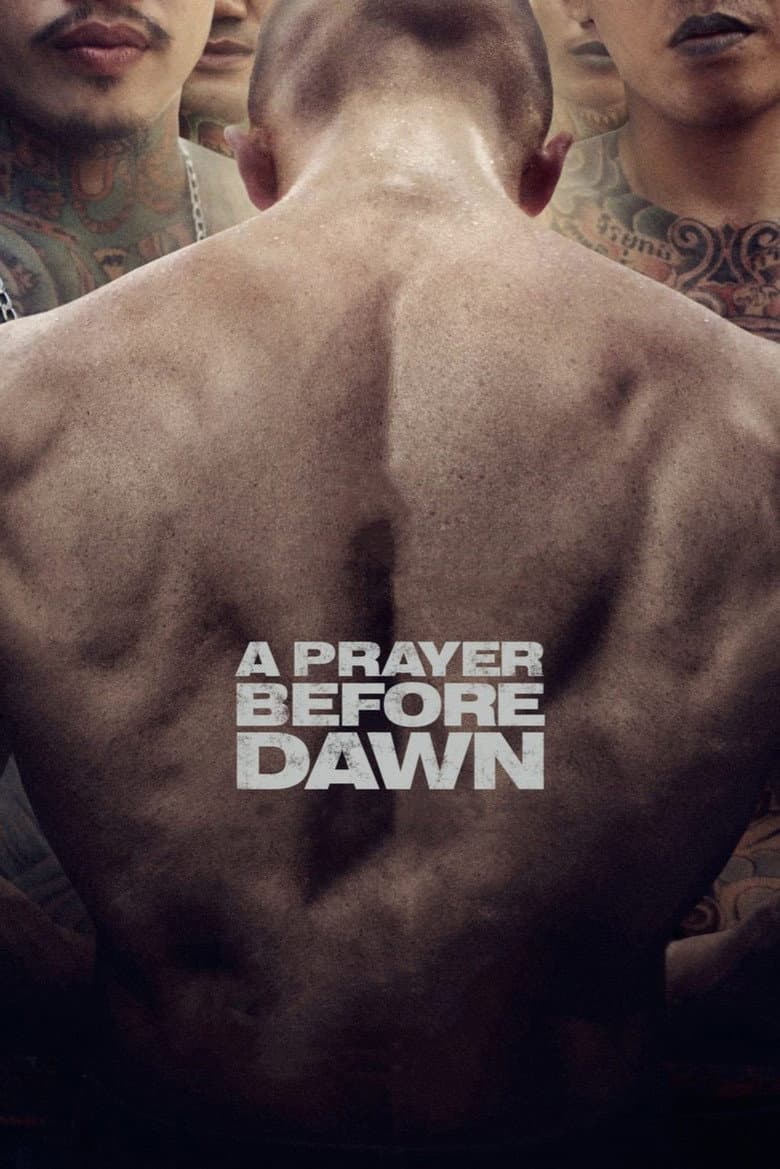
Movie · 2018
The amazing true story of Billy Moore, an English boxer incarcerated in Thailand’s most notorious prison. Thrown into a world of drugs and violence, he finds his best chance to…
