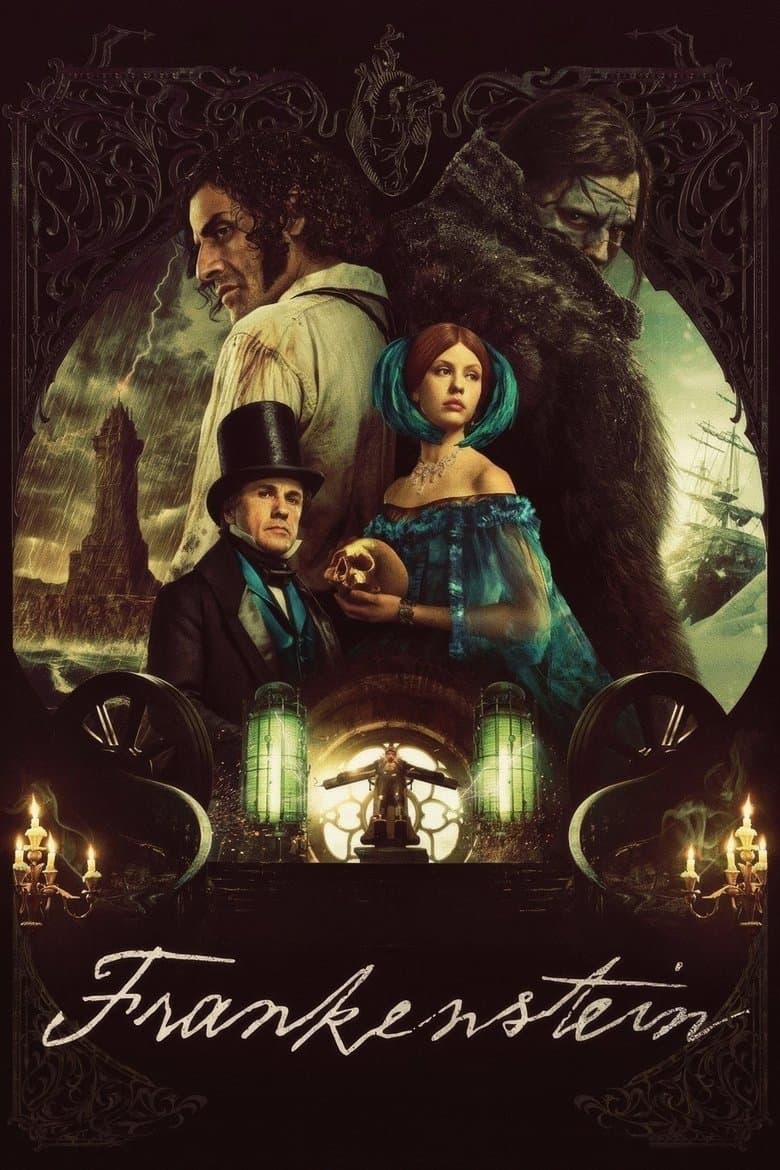
Doctor Victor Frankenstein is a smart but selfish scientist. He builds a living creature in a scary experiment, but the creation brings ruin to both of them. In this movie, the monster is shown as a gentle victim of bullying and prejudice rather than a scary killer. The story also focuses on how bad father figures are, while gentle mother figures try to save the monster. These ideas make the classic story feel like a modern lesson about social justice and bad parenting.
Community feedback
Was our 63% Woke rating accurate?
Breakdown
These are the editorial factors and ratings behind our score for Frankenstein.
Woke representation / casting
Oscar Isaac, an actor of Guatemalan descent, plays Victor Frankenstein, who is usually European. Mia Goth plays two different characters to emphasize psychological themes. Aside from these choices, the casting does not feel like a modern diversity checklist. It uses famous Hollywood actors in standard roles without pushing modern identity politics or quotas.
17%
Woke political dialogue
The dialogue does not use modern activist slang. However, it often repeats simple moral lessons about prejudice. Characters say things like 'you are the real monster' to Victor. The script also contrasts Victor's new ideas with his father's old-fashioned, harsh beliefs. This makes the dialogue feel a bit preachy and modern.
12%
Identity-driven story themes
The movie changes the original story to fit modern ideas about victims. Instead of a cruel killer, the monster is a gentle outsider who is hated because he is different. The film also focuses on gender roles. It portrays all the father figures as cruel and abusive, while the mother figures are shown as perfectly loving and caring.
45%
Western institutional / cultural critique
The film attacks traditional family setups and male authority. Victor's father is shown as a harsh, old-fashioned man whose cruelty ruins his son. Victor's own science work is funded by a greedy weapons dealer. This frames his genius as a selfish, toxic male ego trip. It mocks traditional ideas of male ambition and leadership.
50%
Woke character or canon changes
The film heavily alters Mary Shelley's classic book. The monster is turned from a thinking, cruel killer into a helpless victim of society. Elizabeth is changed from a minor character who dies into a motherly figure who tries to save the monster. Victor is changed from a tragic hero into an abusive, spoiled child.
45%
Anti-woke backlash and complaints
Conservative critics disliked how the movie softened the monster to make him a victim of prejudice. They also complained that the film ruined a classic story to attack traditional fatherhood and push a soft liberal message. However, the online backlash was not huge because many viewers still liked the great gothic style.
40%
Creator track record context
Director Guillermo del Toro has a long history of making movies where monsters are the good guys. Former Netflix boss Scott Stuber has a record of supporting diversity programs. Other crew members have strictly professional, non-political careers. This creates a mild to moderate political background for the movie.
30%
Production
Movie · 2021
Four children become friends during the summer holidays, and out of sight of the adults they discover they have hidden powers.
Movie · 2023
On the day of his scheduled execution, a convicted serial killer gets a psychiatric evaluation during which he claims he is a demon, and further claims that before their time is…
Movie · 2021
A bureaucrat interviews five souls to decide which of them will be given a life on Earth. But he soon faces an existential challenge of his own.
Movie · 2025
In this extraordinary story of an ordinary man, Charles 'Chuck' Krantz experiences the wonder of love, the heartbreak of loss, and the multitudes contained in all of us.
Movie · 2018
The story of a heartbroken man who attends a spiritual retreat, only to discover that the course releases more than everyday toxins and traumatic experiences.
Movie · 2017
A supernatural love story that centers on two parents whose life together falls apart after their son dies. The man, now a successful lawyer, and the woman, now married and an…
Movie · 2022
In the wake of a young Jewish girl’s disappearance, the son of a Hasidic funeral director returns home with his pregnant wife in hopes of reconciling with his father.
Movie · 2025
In late 15th-century Eastern Europe, Prince Vlad II’s bride is brutally murdered. As a result, he renounces God and damns Heaven itself.
