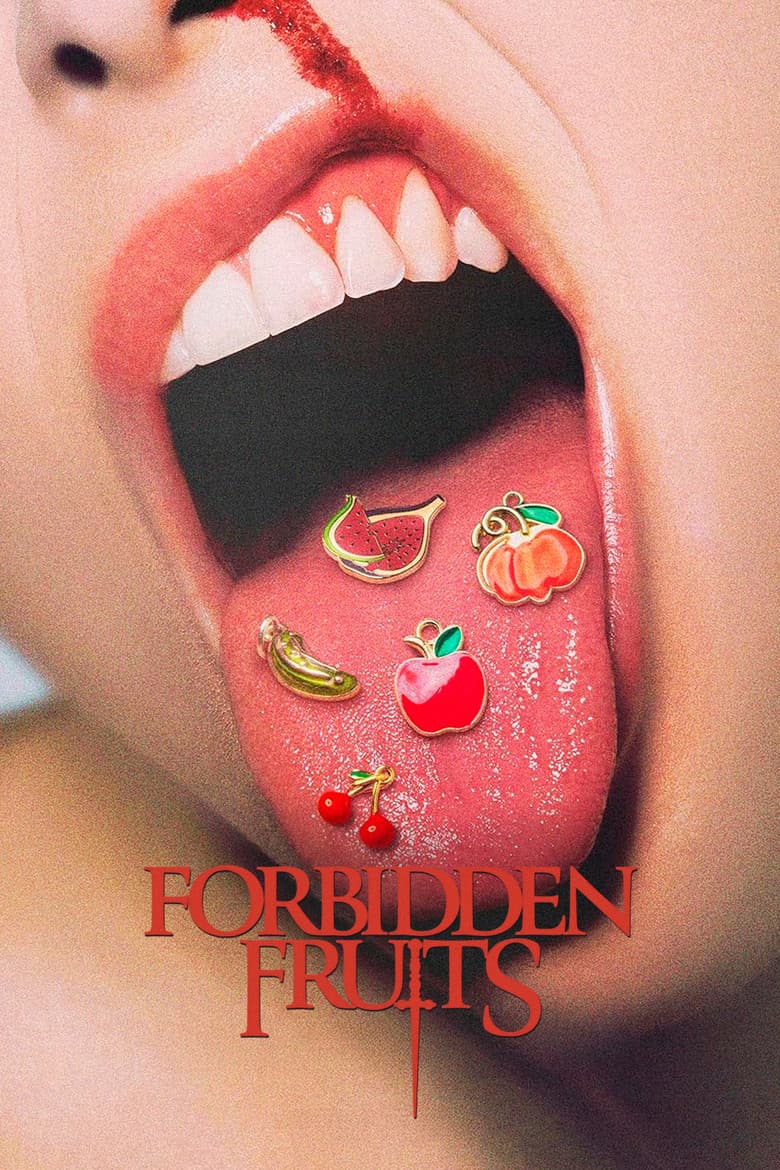
The 2026 comedy horror film follows mall store workers Apple, Cherry, and Fig who secretly run a witchy femme cult in the basement after hours. New hire Pumpkin challenges their rules and bonds, leading to paranoia and violence as hidden poisons surface. The story uses campy horror to examine toxic sisterhood and power struggles among the women, with visible sapphic subtext including a kiss between Apple and Cherry.
Community feedback
Was our 55% Woke rating accurate?
Breakdown
These are the editorial factors and ratings behind our score for Forbidden Fruits.
Woke representation / casting
Visible diversity appears in prominent ensemble roles with black actresses as Fig (driven group member) and Sharon (authority figure) inside the all-female core coven and leadership; modern mall setting makes the mix plausible, though not heavily emphasized as a story point or quota-style mismatch.
40%
Woke political dialogue
Limited to occasional pointed lines such as the opening scene confronting male entitlement and cult rules restricting relationships; most dialogue stays personal, sarcastic, and focused on group power plays rather than extended ideological speeches.
Production
25%
Identity-driven story themes
The narrative revolves around female group dynamics, performative sisterhood turning toxic, and betrayal in a witch coven, with noticeable sapphic subtext including an on-screen kiss between Apple and Cherry during a confrontation plus queer-coded details like vampire nails; these elements add layers to the exploration of female bonds and control but remain secondary to the horror of internal poisons and revenge.
55%
Western institutional / cultural critique
The film satirizes mall consumer culture and customer scams while critiquing male predatory behavior and entitlement; it presents the female-only coven as a protective but ultimately harmful response to external pressures on women and lightly challenges traditional relationship norms through the group's rules.
40%
Woke character or canon changes
Not present in this title.
0%
Anti-woke backlash and complaints
Little evidence of significant anti-woke or right-leaning backlash accusing the film of pushing DEI or identity politics; reception among genre viewers stayed mostly positive, with only scattered minor notes on feminist or sapphic aspects and no prominent controversy.
10%
Creator track record context
Includes Diablo Cody's moderate feminist creative history and Trent Hubbard's advisory board role with a queer youth mentorship non-profit plus professional ties to queer artists; the director and co-writer emphasize artistic genre storytelling and female character studies without documented patterns of explicit activism or representation-first work.
35%
Movie · 2026
Moments after surviving an all-out attack from the Le Domas family, Grace discovers she’s reached the next level of the nightmarish game — and this time with her estranged sister…
Movie · 2019
Columbus, Tallahassee, Wichita, and Little Rock move to the American heartland as they face off against evolved zombies, fellow survivors, and the growing pains of the snarky…
Movie · 2024
A family's vacation to a remote getaway takes an unexpected turn when they discover the present-day implications of the island's cannibalistic past.
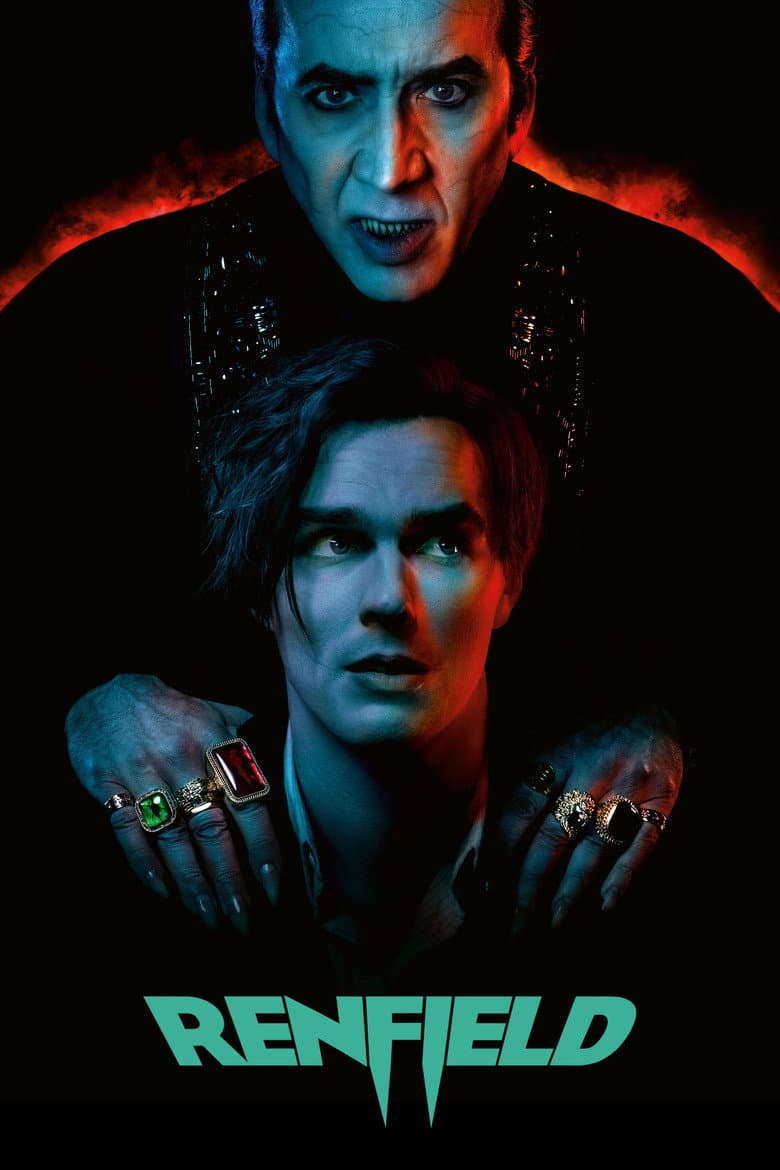
Movie · 2023
Having grown sick and tired of his centuries as Dracula's lackey, Renfield finds a new lease on life — and maybe even redemption — when he falls for feisty, perennially angry…
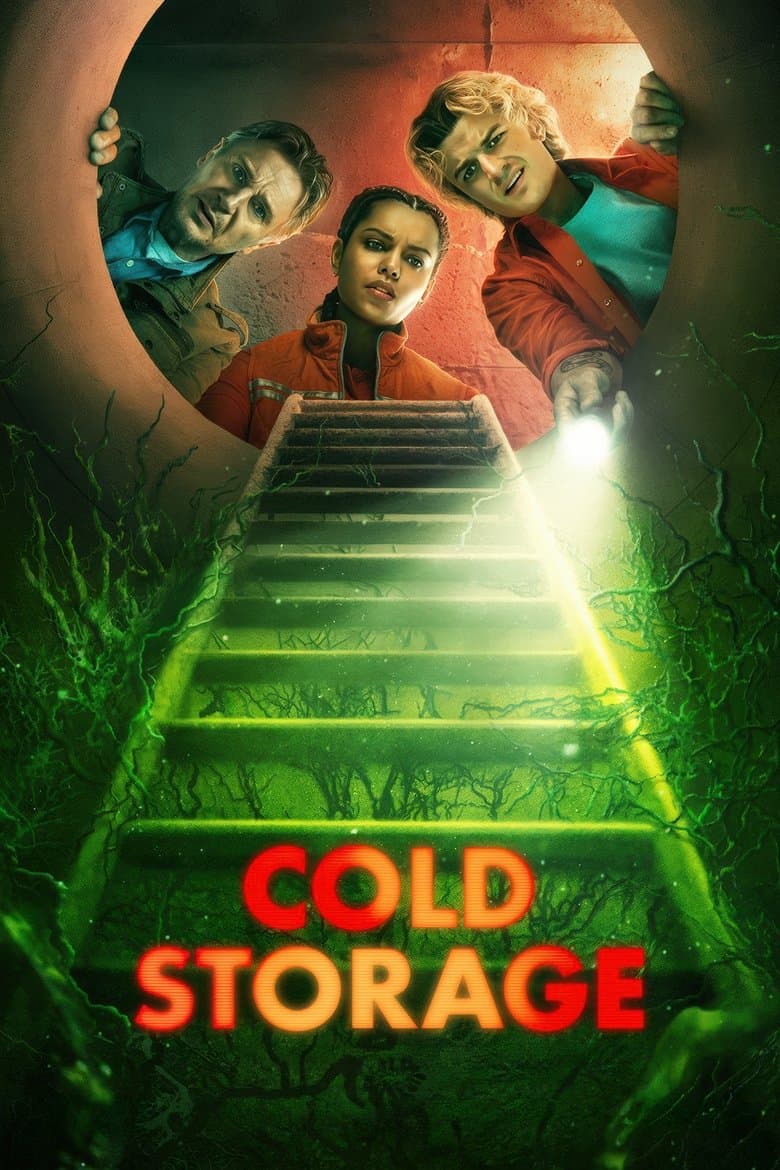
Movie · 2026
When a mutating, highly contagious fungus escapes a sealed facility, two employees – joined by a grizzled bioterror operative – must survive the wildest night shift ever to save…
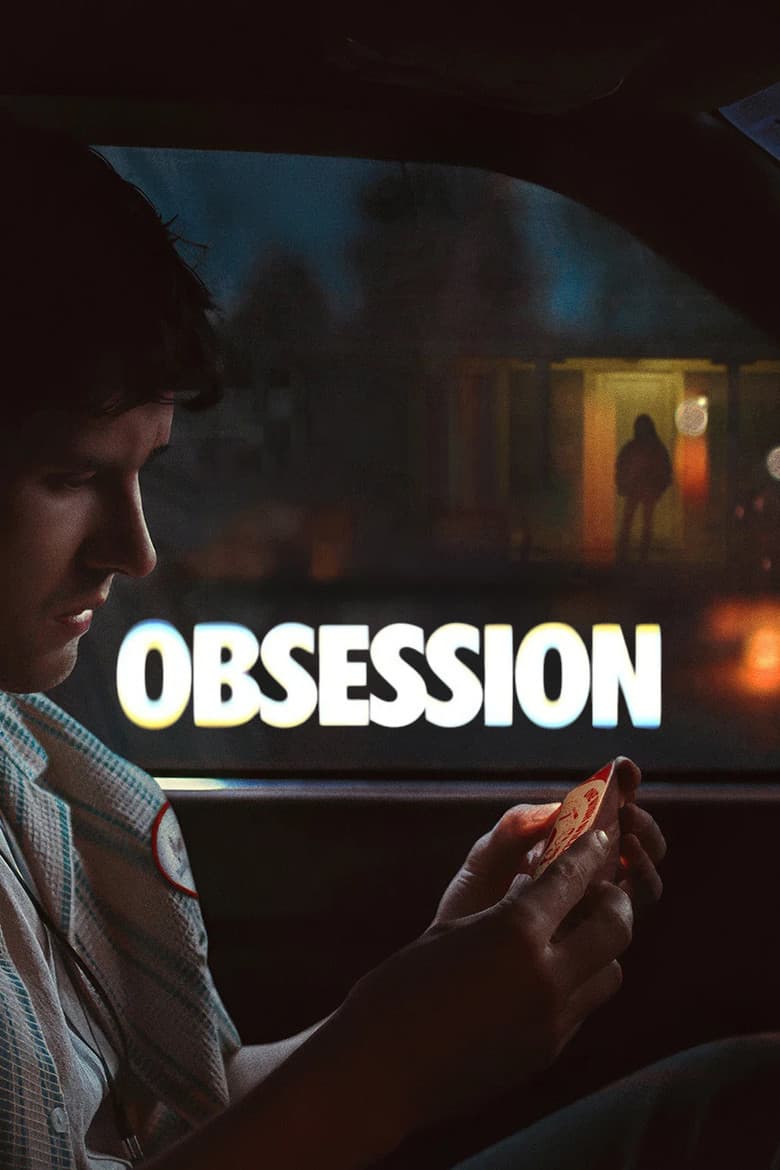
Movie · 2026
After breaking the mysterious "One Wish Willow" to win his crush's heart, a hopeless romantic finds himself getting exactly what he asked for but soon discovers that some desires…
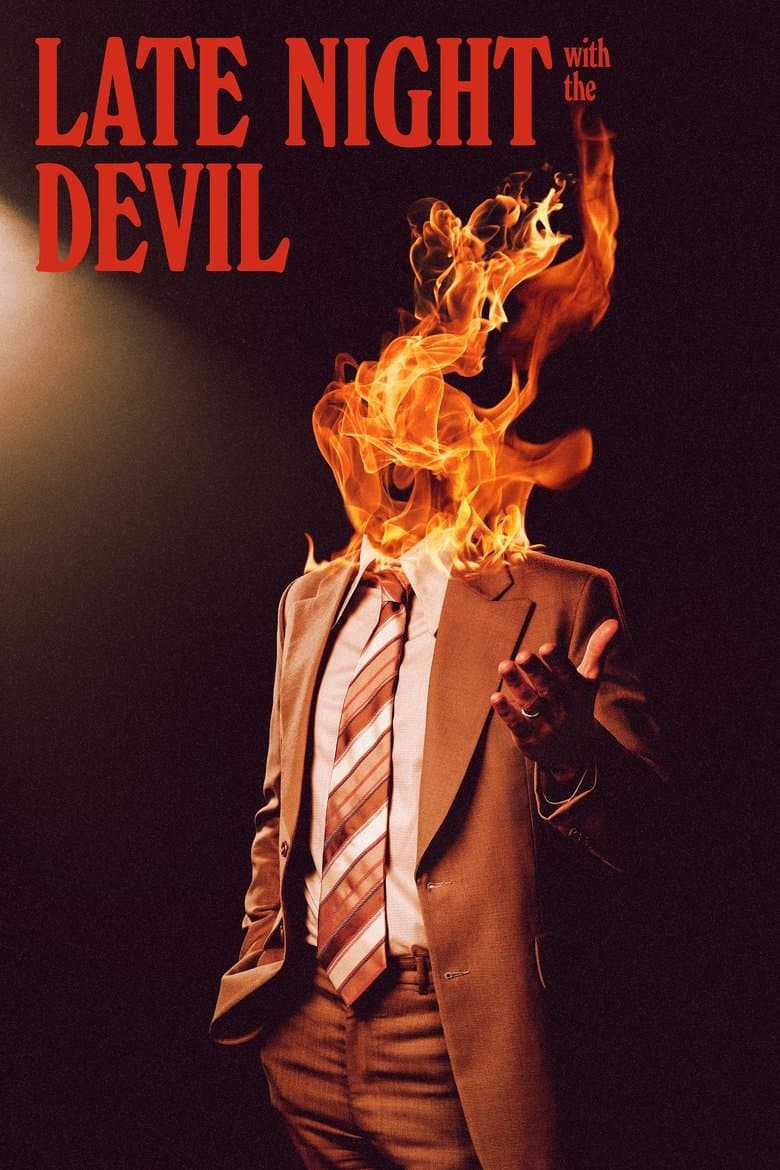
Movie · 2024
A live broadcast of a late-night talk show in 1977 goes horribly wrong, unleashing evil into the nation's living rooms.
Movie · 2025
A father and daughter accidentally hit and kill a unicorn while en route to a weekend retreat, where his billionaire boss seeks to exploit the creature’s miraculous curative…
