
First Man follows Neil Armstrong from his test pilot years through family grief and NASA work to the 1969 Apollo 11 moon landing. The movie treats the personal cost of his path as carefully as the public win. It shows his daughter Karen’s death, dangerous flights, Gemini 8, the Apollo 1 fire, and distance from his wife Janet and their sons. The story stays intimate and technical rather than a pure victory parade. The lunar landing ends with a private bracelet drop at a crater instead of a big patriotic set piece.
Viewers also see clear political beats. A montage features Gil Scott-Heron’s “Whitey on the Moon,” which links space spending to Black poverty and anger at the program. The film does not show Armstrong planting the U.S. flag, though the flag still appears on the lunar surface. That choice and talk of a borderless human achievement drew hard attacks from Trump, Senator Marco Rubio, and conservative media. Janet’s fight with NASA men over risk and control is a strong emotional scene for a wife, while casting stays true to the 1960s era and the film has no confirmed LGBTQ content.
Community feedback
Was our 51% Woke rating accurate?
Breakdown
These are the editorial factors and ratings behind our score for First Man.
Woke representation / casting
Not present. Period-accurate NASA and astronaut casting for the 1960s; Claire Foy plays the historical wife Janet Armstrong; Leon Bridges appears as the historical poet Gil Scott-Heron. No race or gender swaps of major real figures and no engineered diversity ensemble in lead or hero roles.
0%
Woke political dialogue
The film includes a short but clear political beat. On screen, “Whitey on the Moon” ties race and class to the space program through lines about medical bills, rats, and taxes. Nearby archival-style dissent also questions cost and purpose. Everyday talk stays technical and domestic rather than long activist speeches.
22%
Identity-driven story themes
The main arc is grief, risk, skill under pressure, and family strain. It is not built on modern identity politics. A secondary protest montage adds racial and class critique of NASA’s priorities. Race, gender ideology, and queer identity are not the story’s core path.
26%
Western institutional / cultural critique
The film undercuts pure American triumph packaging in clear ways. It skips staging the flag planting and leans on human-achievement framing in press talk. A strong “Whitey on the Moon” protest sequence also challenges triumphalist tone. Janet’s NASA fight is mainly fear and accountability, not a full lecture on patriarchy or a broad attack on faith and family.
40%
Woke character or canon changes
Leaving out the flag-planting moment was a deliberate choice many read as reducing American national symbolism. The creators said it was about craft and noted the flag still appears planted. The private bracelet drop is invented personal drama, not an identity rewrite of Armstrong. There are no race or gender swaps of the main historical figures.
24%
Anti-woke backlash and complaints
In 2018 the film drew strong mainstream right and anti-left anger. Rubio called the choice total lunacy, and Trump said Hollywood seemed embarrassed by an American win. Conservative media, boycott talk, and social media focused on the missing flag plant and Gosling’s human-achievement comments. Later claims that the film is pro-American do not erase that fight.
68%
Creator track record context
Cached context points to a low-activist pattern overall. Chazelle’s work centers ambition and craft. Hansen is an aviation and space historian. Singer makes journalism-minded drama without identity activism. That track record does not push a strong woke pattern for this project.
14%
Production
Movie · 2017
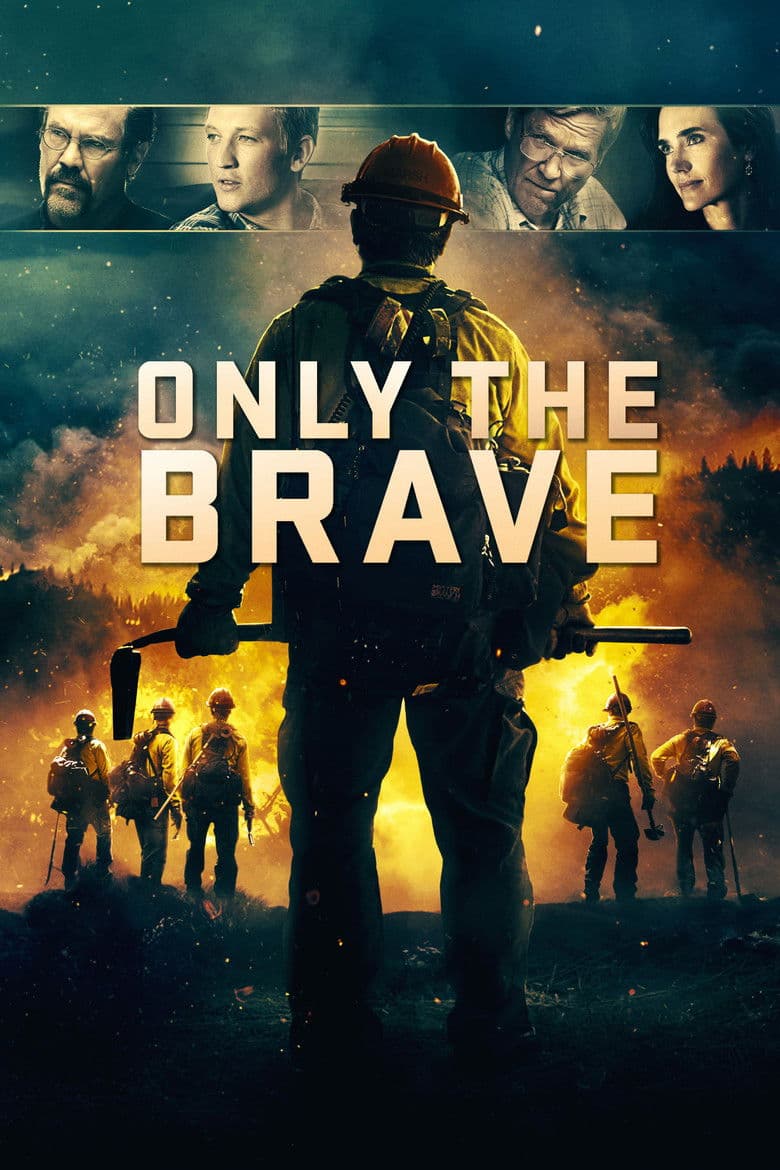
Members of the Granite Mountain Hotshots battle deadly wildfires to save an Arizona town.
Movie · 2023
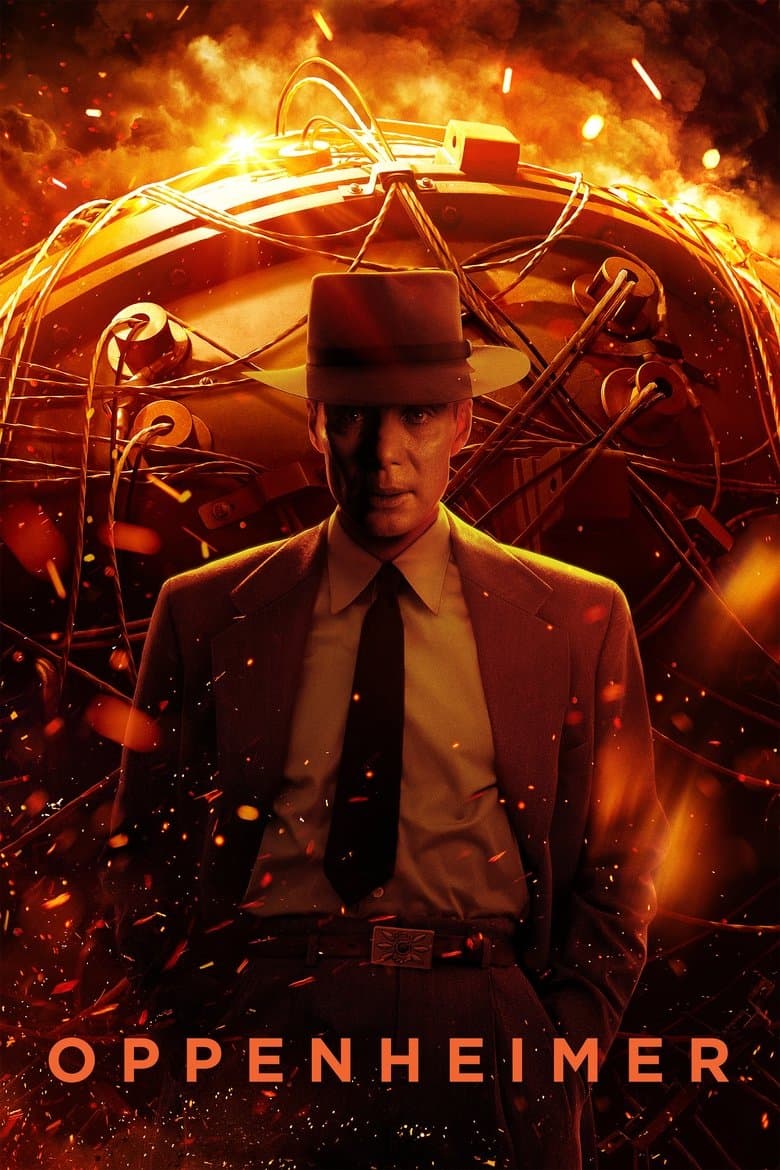
The story of J. Robert Oppenheimer's role in the development of the atomic bomb during World War II.
Movie · 2026
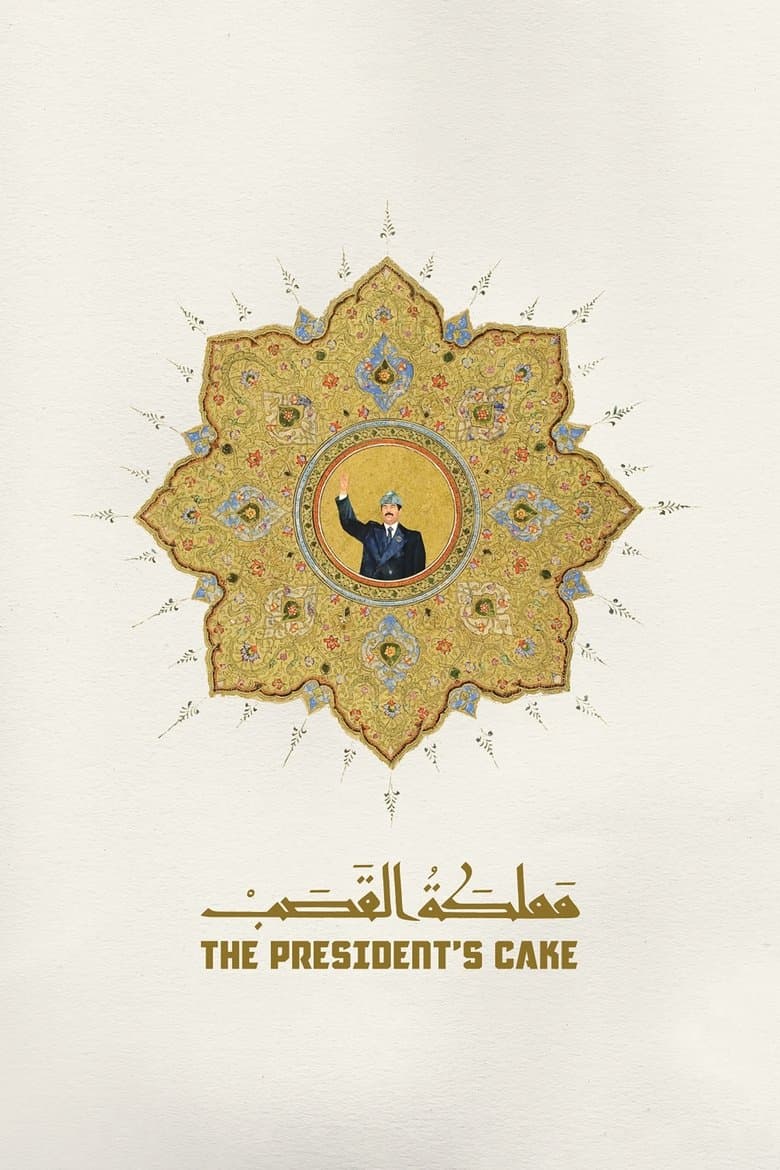
While people across 1990s Iraq struggle to survive the war and food shortages, Saddam Hussein requires each school in the country to prepare a cake to celebrate his birthday.
Movie · 2019
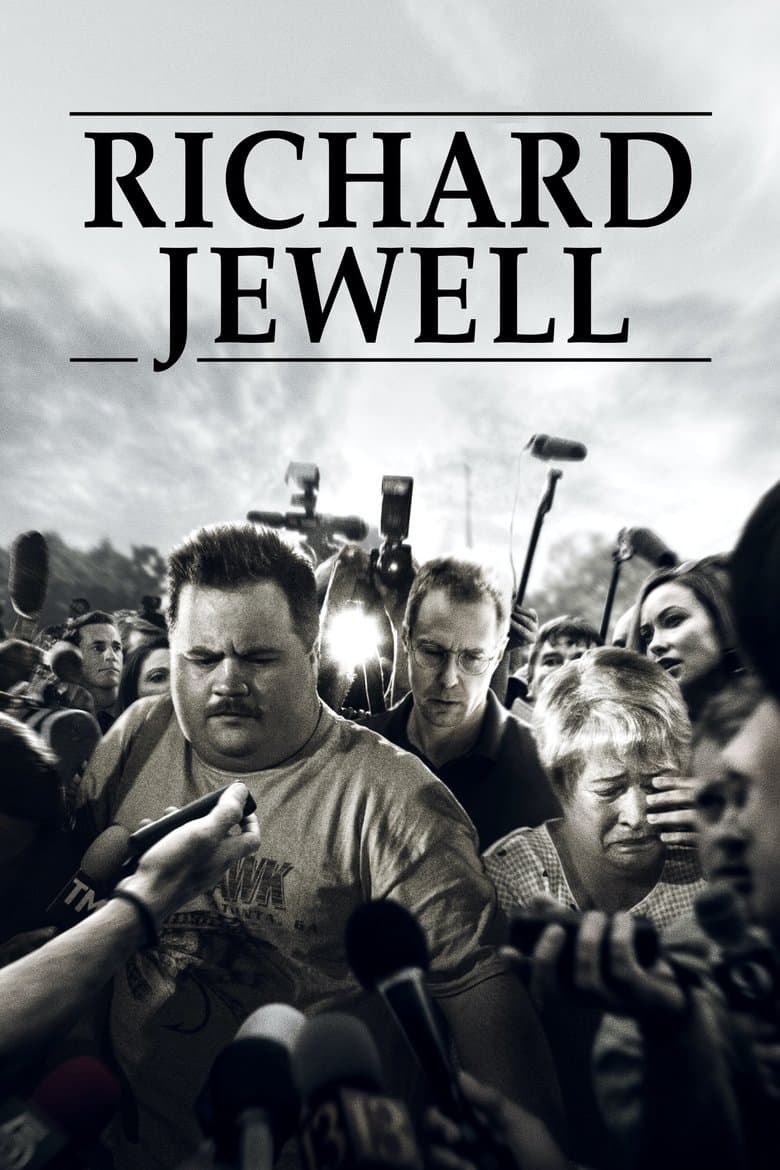
Richard Jewell thinks quick, works fast, and saves hundreds, perhaps thousands, of lives after a domestic terrorist plants several pipe bombs and they explode during a concert…
Movie · 2023
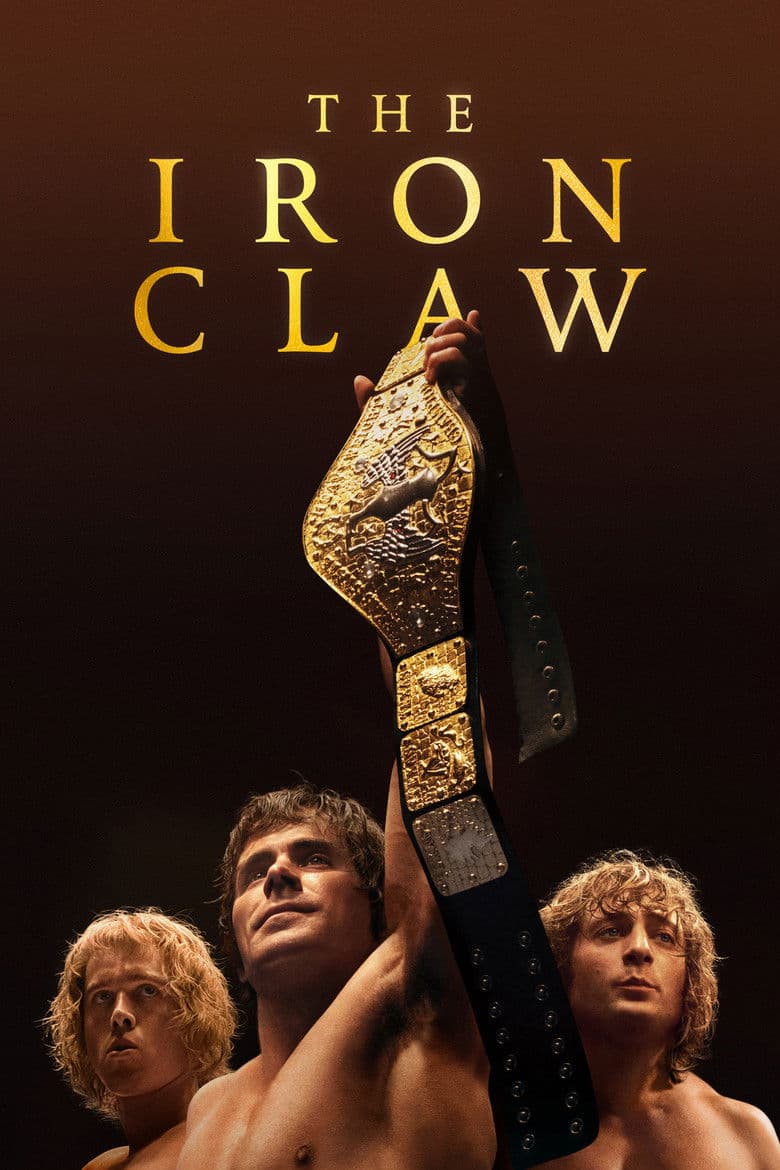
The true story of the inseparable Von Erich brothers, who made history in the intensely competitive world of professional wrestling in the early 1980s.

Movie · 2016
After his older brother passes away, Lee Chandler is forced to return home to care for his 16-year-old nephew.
Movie · 2020
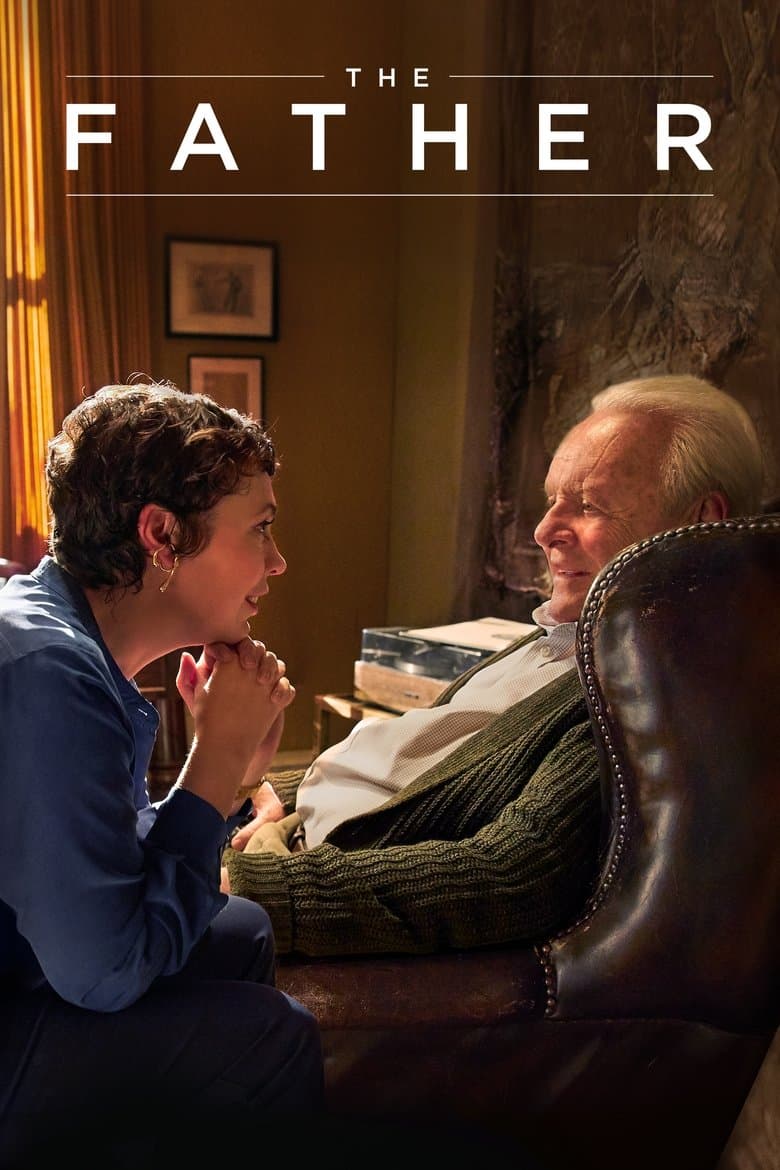
A man refuses all assistance from his daughter as he ages and, as he tries to make sense of his changing circumstances, he begins to doubt his loved ones, his own mind and even…
Movie · 2016
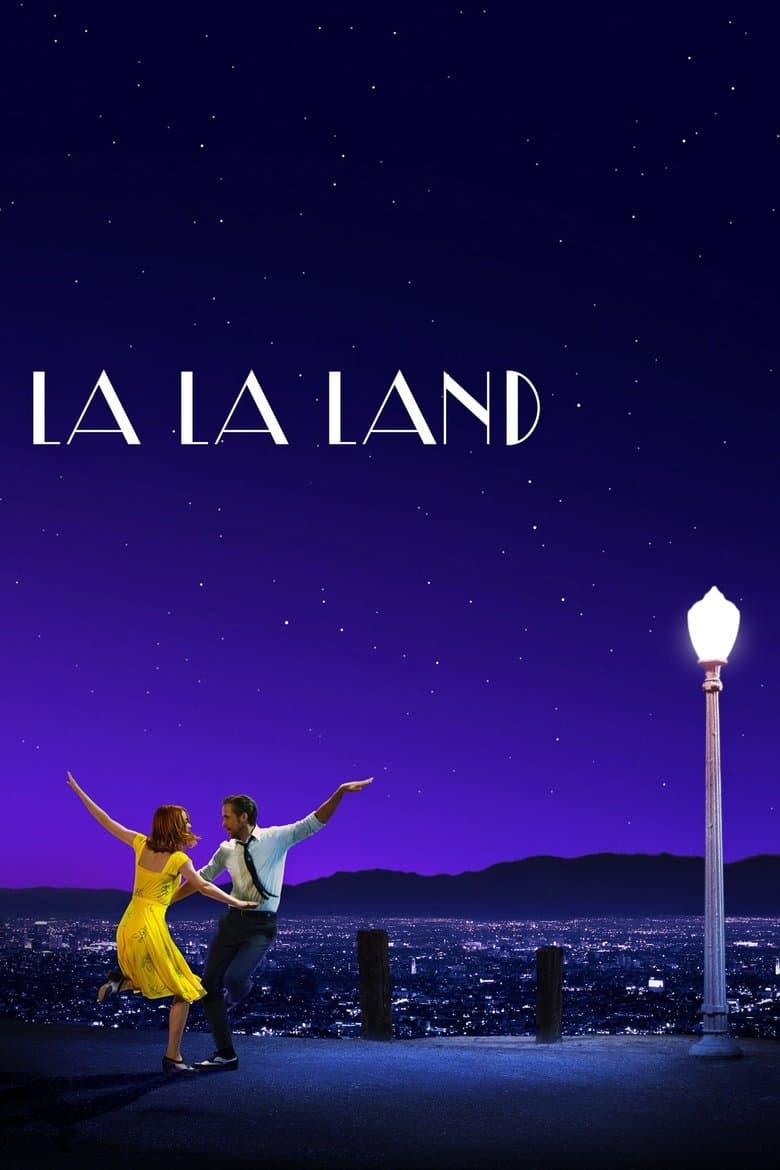
Mia, an aspiring actress, serves lattes to movie stars in between auditions and Sebastian, a jazz musician, scrapes by playing cocktail party gigs in dingy bars, but as success…
