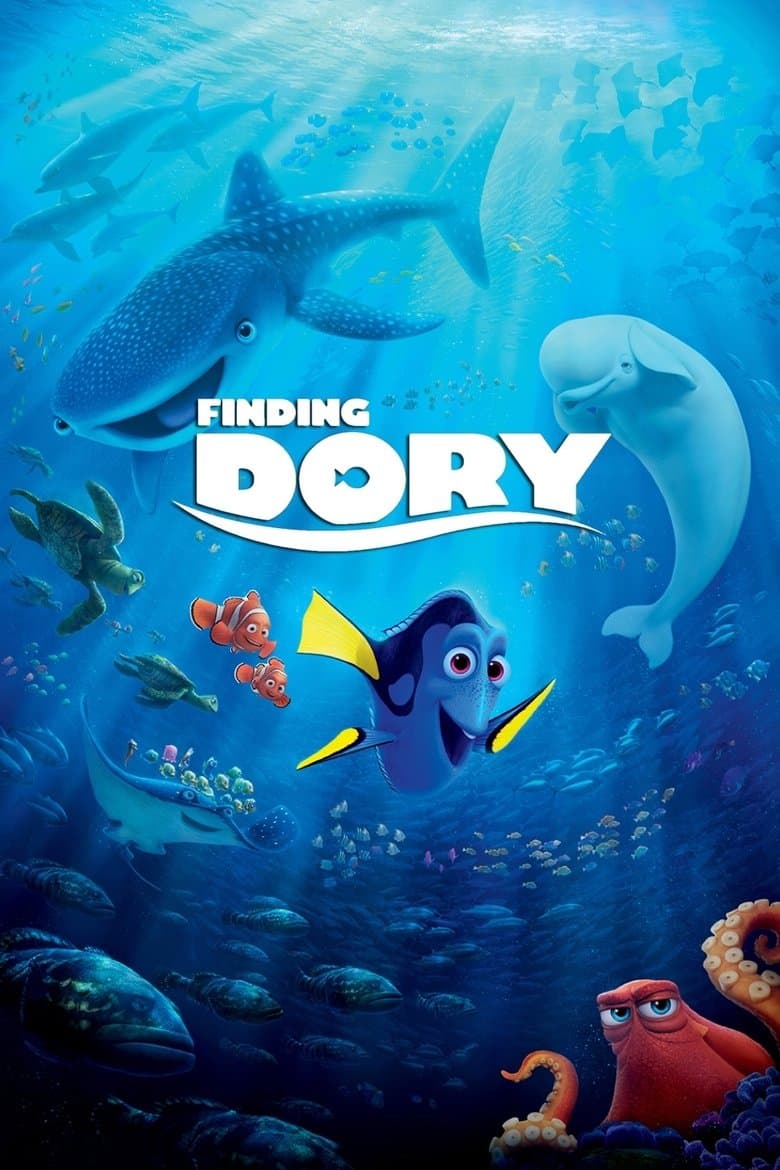
Finding Dory is a Pixar sequel about a blue tang named Dory who has short-term memory loss. She leaves the reef with Nemo and Marlin to search for her parents at California’s Marine Life Institute. The story asks what she can remember and who her family is. Along the way she meets other animals who also live with impairments. The film stays a broad family adventure about memory, belonging, and not giving up on the people you love.
The main audience-visible social theme is disability and self-acceptance, not race, gender, or queer politics. Dory’s memory loss drives the plot, and friends such as Destiny, Bailey, Hank, and Nemo also have physical or sensory limits. The messaging is soft and parental, with almost no activist dialogue. A brief background shot of two women with a stroller sparked lesbian-couple rumors, but the film leaves that pairing unconfirmed. Production also shaped a mild anti-captivity beat so marine-park animals could leave for the ocean, while parents and found family remain affirmed.
Community feedback
Was our 37% Woke rating accurate?
Breakdown
These are the editorial factors and ratings behind our score for Finding Dory.
Woke representation / casting
The female lead is natural because Dory was already a major character from the earlier film. The clearer pattern is a multi-disability ensemble in major roles, including Dory, Destiny, Bailey, Hank, and Nemo. Minor human diversity such as Idris Elba as a comic sea lion appears, but this is not a race or gender quota showcase in an animal world.
28%
Woke political dialogue
There is almost no activist or identity-politics dialogue. One mild beat has Dory stop apologizing for her memory condition after her mother refuses that self-blame. The rest is ordinary adventure talk.
8%
Identity-driven story themes
Disability, self-acceptance, and the idea that flaws can be strengths shape the whole story and are hard to miss. Critics and disability advocates read it as disability-culture storytelling. It is not race, gender, or queer ideology. Family and belonging stay the emotional core.
38%
Western institutional / cultural critique
There is a soft critique of captivity and animal transfer when characters escape the Marine Life Institute truck. A production rewrite after Blackfish kept animals from a locked SeaWorld-style fate. The film does not attack Christianity, traditional family, or broader Western culture, and parents and found family are affirmed.
15%
Woke character or canon changes
Not relevant. This is an original sequel story with no ideological alterations to characters or source material.
0%
Anti-woke backlash and complaints
Backlash was real but limited. Trailer speculation that two background women were a lesbian couple drew conservative concern and boycott chatter. Christian parent guides flagged the rumor. There was no large, long campaign calling the finished film too woke or DEI propaganda.
18%
Creator track record context
Lead creative weight is low to moderate for Stanton, Strouse, Collins, Lasky, and Lasseter. Co-director MacLane and writer Matt Jones raise the average. They do not define the film’s public identity politics.
20%
Production
Movie · 2016
Kubo mesmerizes the people in his village with his magical gift for spinning wild tales with origami. When he accidentally summons an evil spirit seeking vengeance, Kubo is forced…

Movie · 2024
The untold origin story of Optimus Prime and Megatron, better known as sworn enemies, but once were friends bonded like brothers who changed the fate of Cybertron forever.

Movie · 2019
It's been ten years since the dragons moved to the Hidden World, and even though Toothless doesn't live in New Berk anymore, Hiccup continues the holiday traditions he once shared…
Movie · 2024
Teenager Riley's mind headquarters is undergoing a sudden demolition to make room for something entirely unexpected: new Emotions!
Movie · 2019
Max the terrier must cope with some major life changes when his owner gets married and has a baby. When the family takes a trip to the countryside, nervous Max has numerous…
Movie · 2024
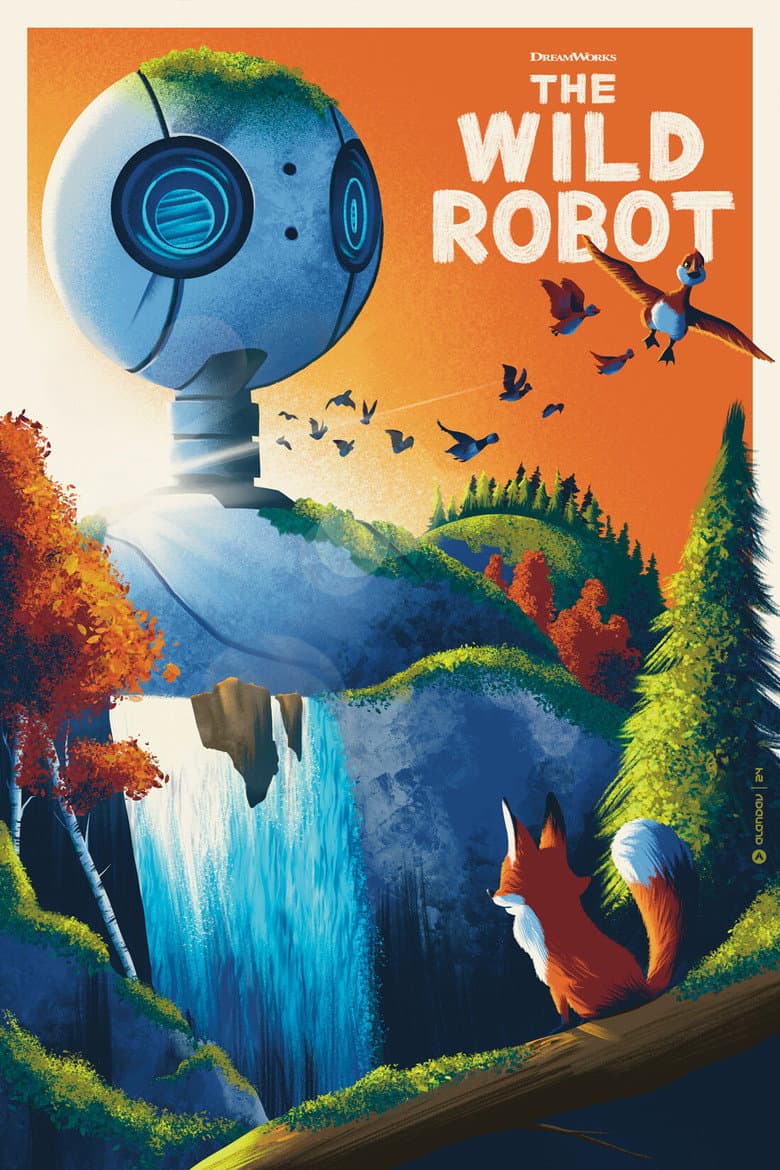
After a shipwreck, an intelligent robot called Roz is stranded on an uninhabited island. To survive the harsh environment, Roz bonds with the island's animals and cares for an…
Movie · 2024
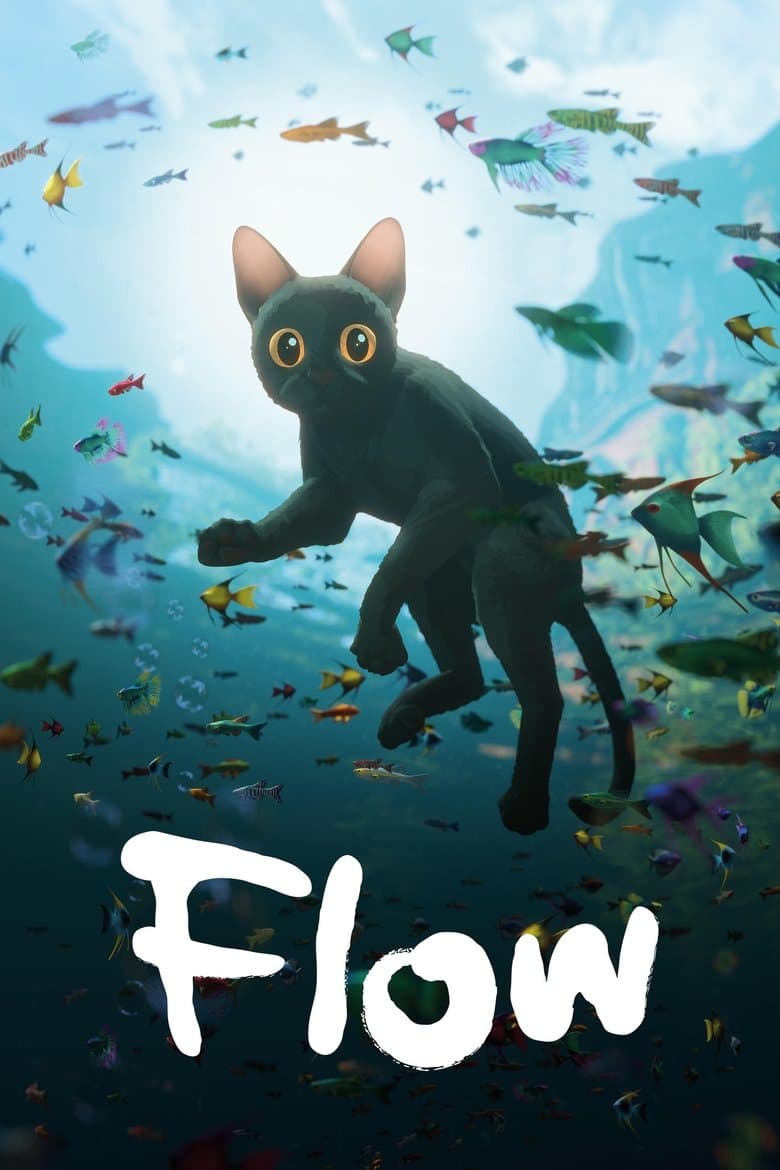
A solitary cat, displaced by a great flood, finds refuge on a boat with various species and must navigate the challenges of adapting to a transformed world together.

Movie · 2018
Dug, along with his sidekick Hognob, unite a cavemen tribe to save their hidden valley from being spoiled and, all together as a team, to face the menace of a mysterious and…
