
Newlyweds Anastasia and Christian Grey continue a luxury erotic marriage while Ana pushes for more personal freedom. An unplanned pregnancy strains them, and stalker and ex-boss Jack Hyde escalates into kidnapping and violence. The story focuses on romance, BDSM power play, and control versus autonomy inside a marriage. A late thriller climax closes the film. The engine of the plot is the couple and Hyde, not race, queer politics, or institutional DEI messaging.
Audience-visible woke content stays limited and secondary. The leads remain a conventional white couple in modern Seattle and Paris wealth circles, while supporting roles add some visible diversity. The main identity-relevant note is Ros Bailey, a powerful executive cast as a black woman though the books describe her as a redhead. Soft sexual-agency and romance-empowerment framing appears when Ana asserts herself outside the playroom and marketing leans on power-balance language. Conflicts stay personal through jealousy, control, pregnancy, and stalking rather than activist identity speeches. The ending stays a traditional marriage-and-kids fantasy with wealth treated as glamorous set dressing.
Community feedback
Was our 24% Woke rating accurate?
Breakdown
These are the editorial factors and ratings behind our score for Fifty Shades Freed.
Woke representation / casting
Leads stay a conventional white couple in wealthy modern settings. Supporting cast adds some visible diversity in secondary roles. The standout is Ros Bailey cast as a black powerful executive though the books describe her as a redhead. That choice is identity-forward for a supporting part rather than a lead rewrite or a full quota ensemble.
22%
Woke political dialogue
Not present. No activist identity-politics speeches. Conflicts are personal around jealousy, control, pregnancy, and stalking.
0%
Identity-driven story themes
The plot engine is marriage, kink, pregnancy, and Hyde rather than identity-politics arcs. Mild agency and empowerment framing appears as Ana asserts herself and marketing sells a power-balance shift. That is soft sexual-agency romance messaging, not race, queer, or DEI-centered storytelling. The ending remains a traditional marriage-and-kids fantasy.
18%
Western institutional / cultural critique
Billionaire lifestyle is glamorized rather than attacked. Christian’s control is framed as romantic protectiveness, not activist critique of patriarchy, whiteness, or capitalism. Hyde is a standard criminal villain. Woke institutional critique is negligible.
5%
Woke character or canon changes
There is no identity rewrite of Ana or Christian. The main identity-relevant change is Ros Bailey race-swapped from a book redhead description to black actress Robinne Lee. Other book-to-film differences are ordinary adaptation cuts. They are not ideological canon edits.
18%
Anti-woke backlash and complaints
Backlash is thin and not a broad too-woke campaign. A limited right-leaning complaint mocked empowerment marketing as political correctness in the MeToo moment. Most mainstream controversy came from the left over abuse and feminism topics and does not count here. No major DEI or race-swap outrage movement was found.
12%
Creator track record context
Cached scores place Foley, Leonard, and most producers in low non-activist ranges with James only mildly higher. The pattern is mainstream entertainment rather than identity-driven creative work. James’s mild liberal Brexit-era views do not show up as DEI output here.
9%
Production

Movie · 2019
After learning that his terminally ill wife has six months to live, a man welcomes the support of his best friend who moves into their home to help out.

Movie · 2018
A man and a woman meet in the ruins of post-war Poland. With vastly different backgrounds and temperaments, they are fatally mismatched and yet drawn to each other.

Movie · 2017
Nothing is as it seems in this riveting World War 2 thriller as a wary soldier goes to investigate a mysterious German monarch at his secluded mansion, leading him into a web of…

Movie · 2018
German artist Kurt Barnert has escaped East Germany and now lives in West Germany, but is tormented by his childhood under the Nazis and the GDR regime.

Movie · 2024
Remi and Barnes, two very different teenagers, meet by chance in the winter of their senior year, then spend four days together over the course of a year that will change their…
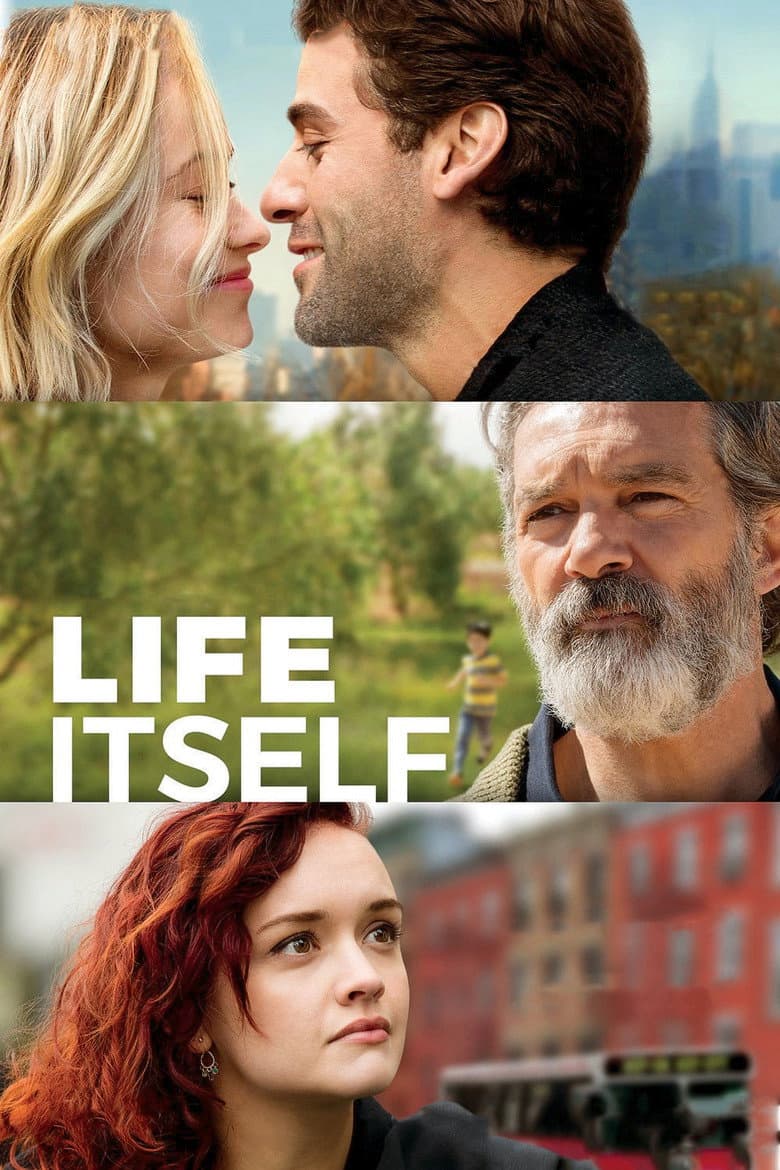
Movie · 2018
As a young New York couple goes from college romance to marriage and the birth of their first child, the unexpected twists of their journey create reverberations that echo over…
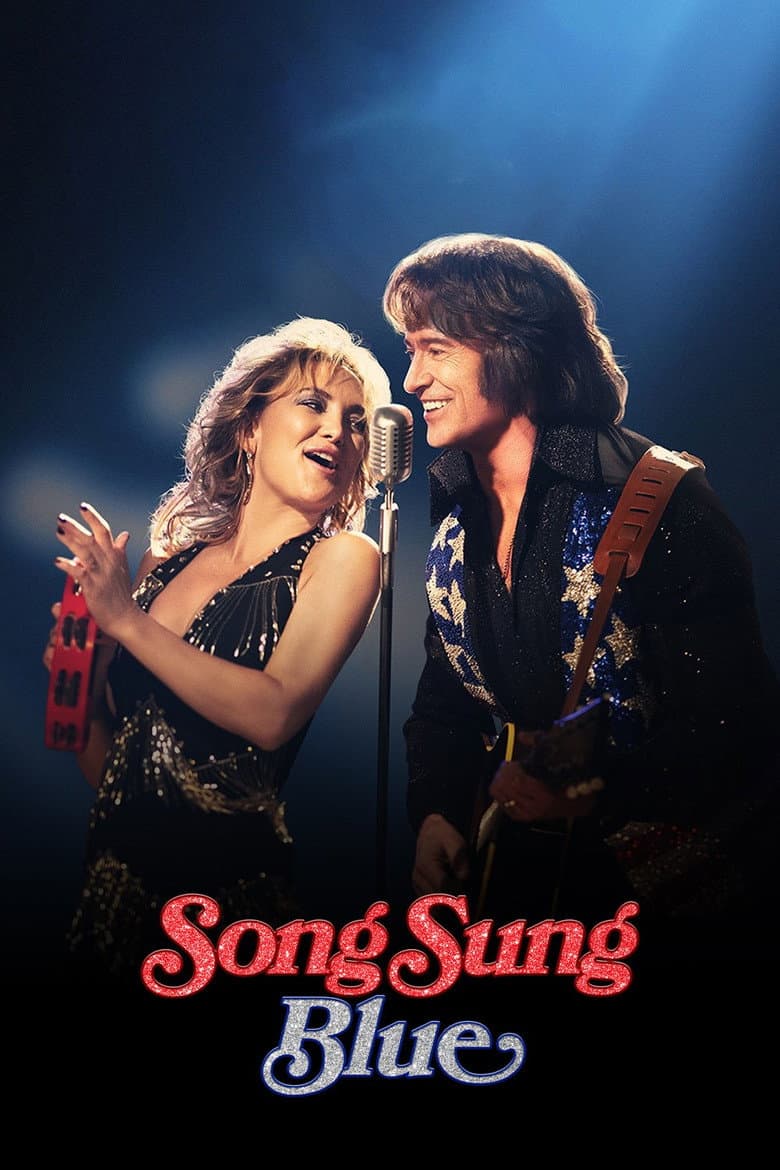
Movie · 2025
Based on a true story, two down-on-their-luck musicians form a joyous Neil Diamond tribute band, proving it's never too late to find love and follow your dreams.

Movie · 2018
Seasoned musician Jackson Maine discovers — and falls in love with — struggling artist Ally. She has just about given up on her dream to make it big as a singer — until Jack…
