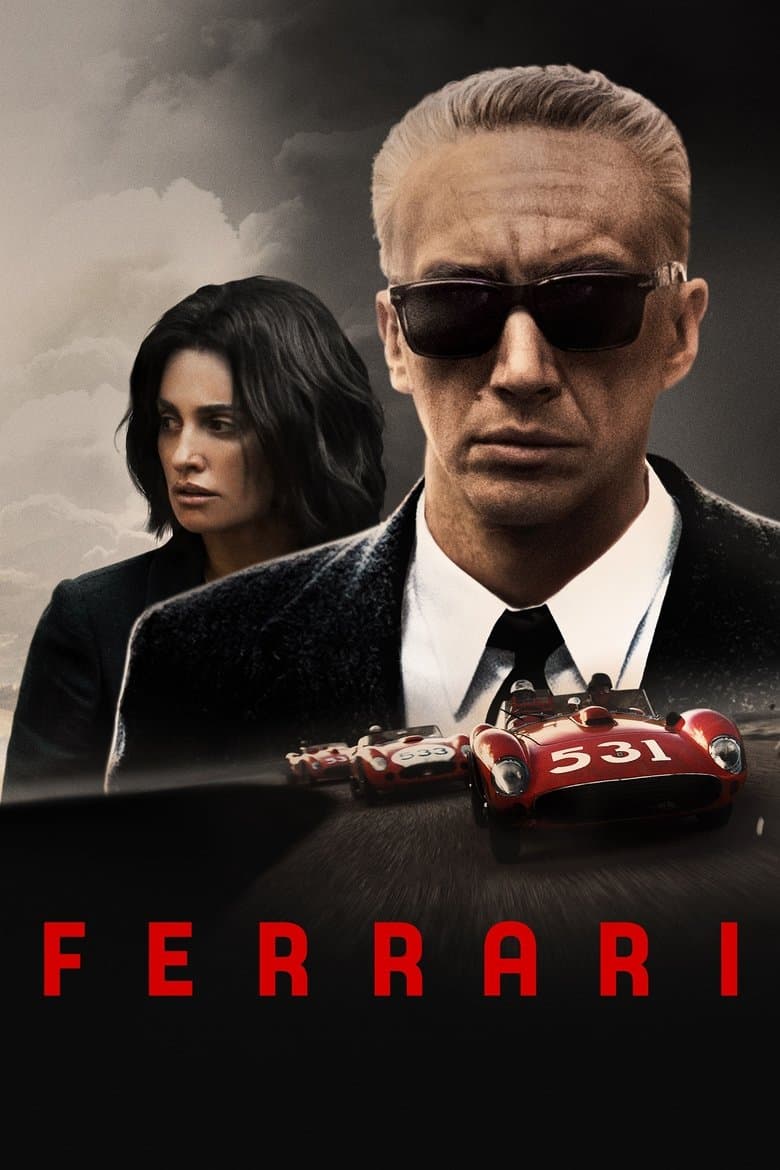
In the summer of 1957, Enzo Ferrari faces bankruptcy while he prepares his racing team for the dangerous Mille Miglia. He and his wife, Laura, built the company together, but their marriage is damaged by the death of their son Dino. Enzo also hides a second home with Lina Lardi and their young son, Piero. The film uses a serious, sad tone and moves between family fights, factory pressure, and fast races.
The story follows a proud man who tries to control work, grief, money, and two families at once. Laura is a strong business partner who confronts Enzo after she learns about Lina and Piero, but the film treats her anger as part of a personal and historical family drama. Lina wants Enzo to give their son his name, while Enzo keeps delaying the choice. The main ideas are ambition, loss, loyalty, secrecy, and the human cost of chasing victory.
Community feedback
Was our 3% Woke rating accurate?
Breakdown
These are the editorial factors and ratings behind our score for Ferrari.
Woke representation / casting
Not present in this title.
0%
Woke political dialogue
Not present. No political speeches, activist language, or modern social commentary; dialogue focuses on personal relationships, business, and racing.
0%
Identity-driven story themes
Not present. Core themes of legacy, ambition, marital conflict, and grief follow traditional dramatic structures without identity politics or representation-focused arcs.
0%
Western institutional / cultural critique
Not present. Portrays business struggles and personal flaws in historical context; no reframing as critiques of capitalism, patriarchy, or Western institutions in activist terms.
0%
Woke character or canon changes
Not relevant. faithful adaptation of real biography and events without identity-driven alterations to characters or history.
0%
Anti-woke backlash and complaints
Not present. No documented complaints treating the film as pushing woke, DEI, or left-wing identity content; reactions centered on artistic merits.
0%
Creator track record context
Michael Mann has a mild history of older left-wing politics, including opposition to the Vietnam War. Troy Kennedy Martin had Labour and anti-war ties. Brock Yates and most producers have little public record of activist work. This background is mild and does not match a modern identity-driven pattern in the film.
14%
Production
Movie · 2025
Diagnosed with Tourette Syndrome at 15, John Davidson navigates his way against the odds through troubled teenage years and into adulthood, finding inspiration in the kindness of…
Movie · 2024
On the brink of the Second World War, a young Norwegian man's drive to resist the Nazis sets a new course for his future – and the future of his country.
Movie · 2023
The story of J. Robert Oppenheimer's role in the development of the atomic bomb during World War II.
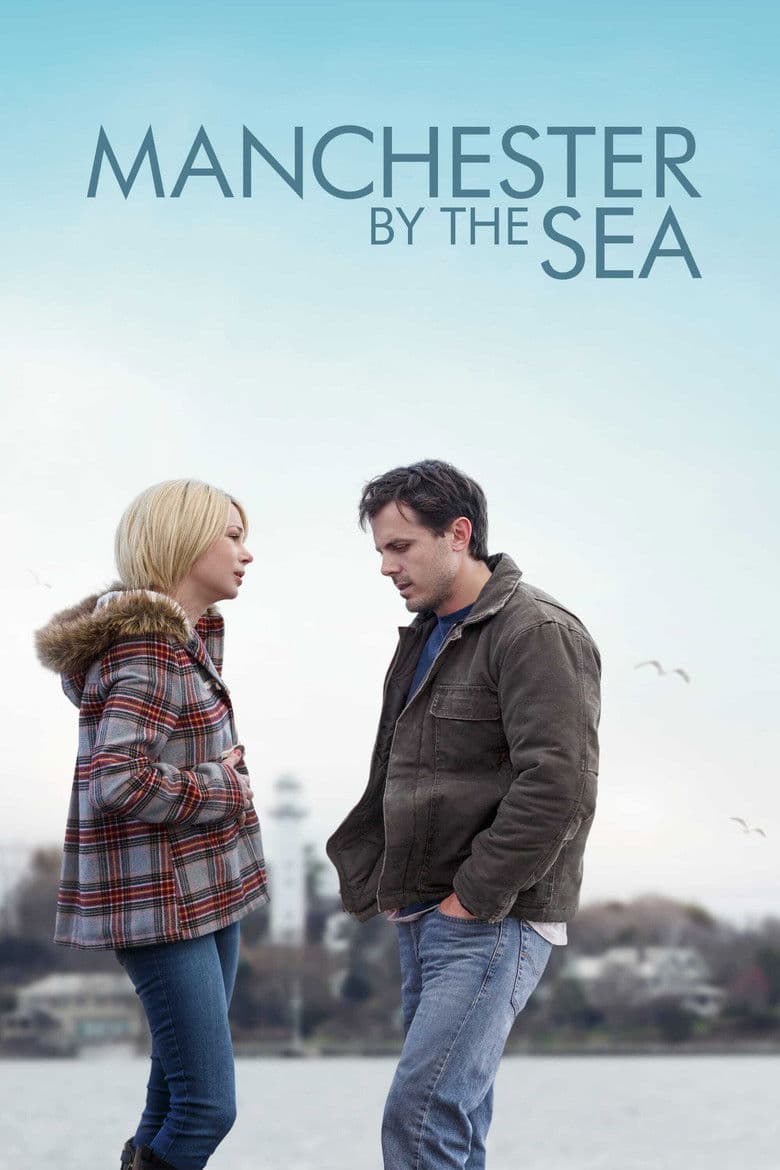
Movie · 2016
After his older brother passes away, Lee Chandler is forced to return home to care for his 16-year-old nephew.
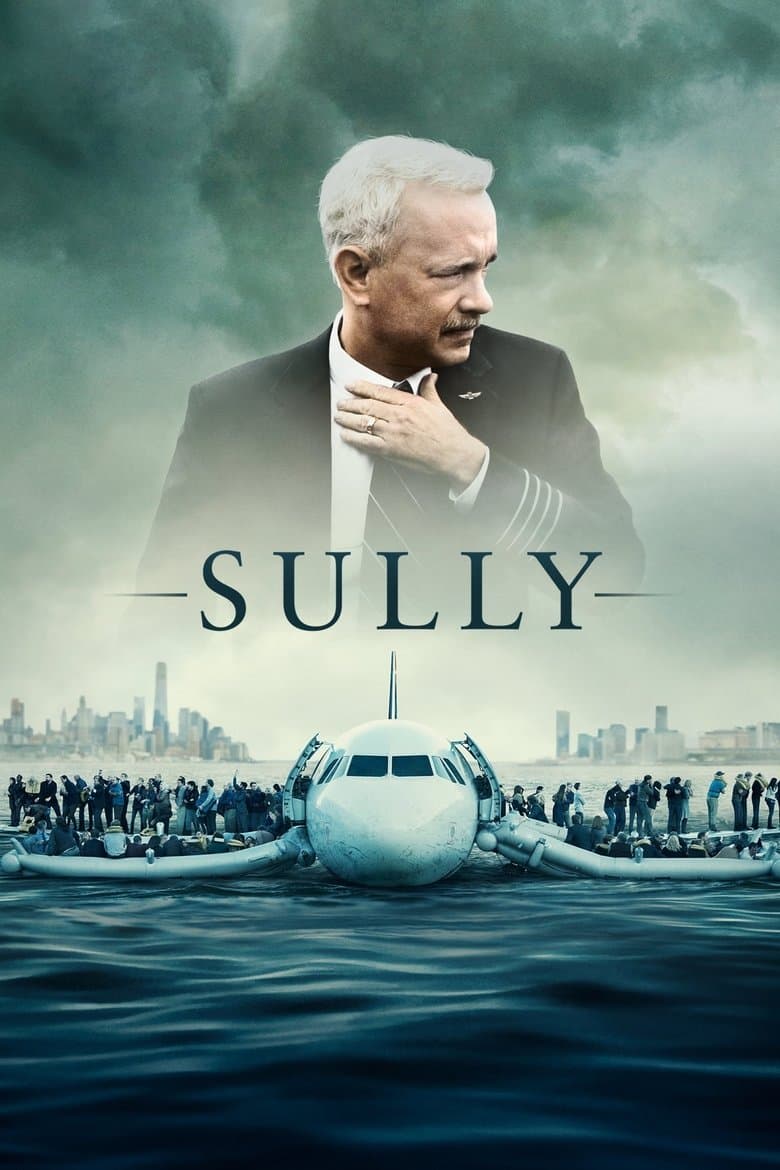
Movie · 2016
On 15 January 2009, the world witnessed the 'Miracle on the Hudson' when Captain 'Sully' Sullenberger glided his disabled plane onto the Hudson River, saving the lives of all 155…
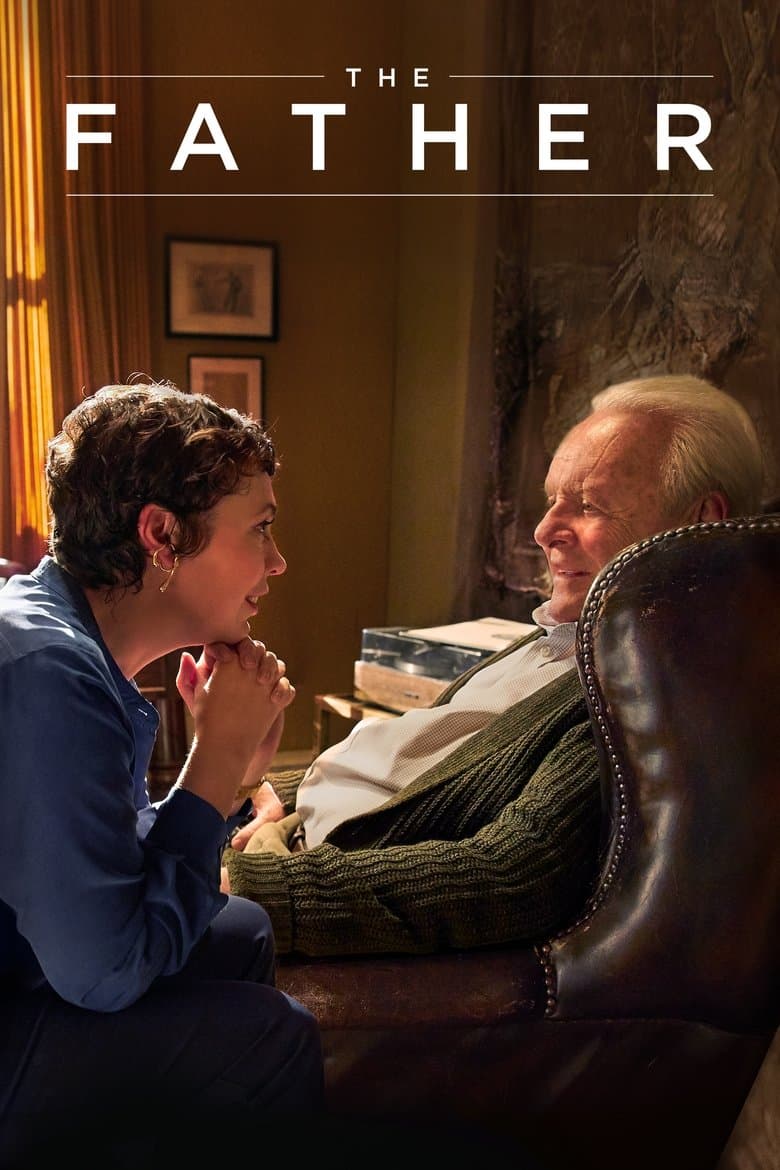
Movie · 2020
A man refuses all assistance from his daughter as he ages and, as he tries to make sense of his changing circumstances, he begins to doubt his loved ones, his own mind and even…
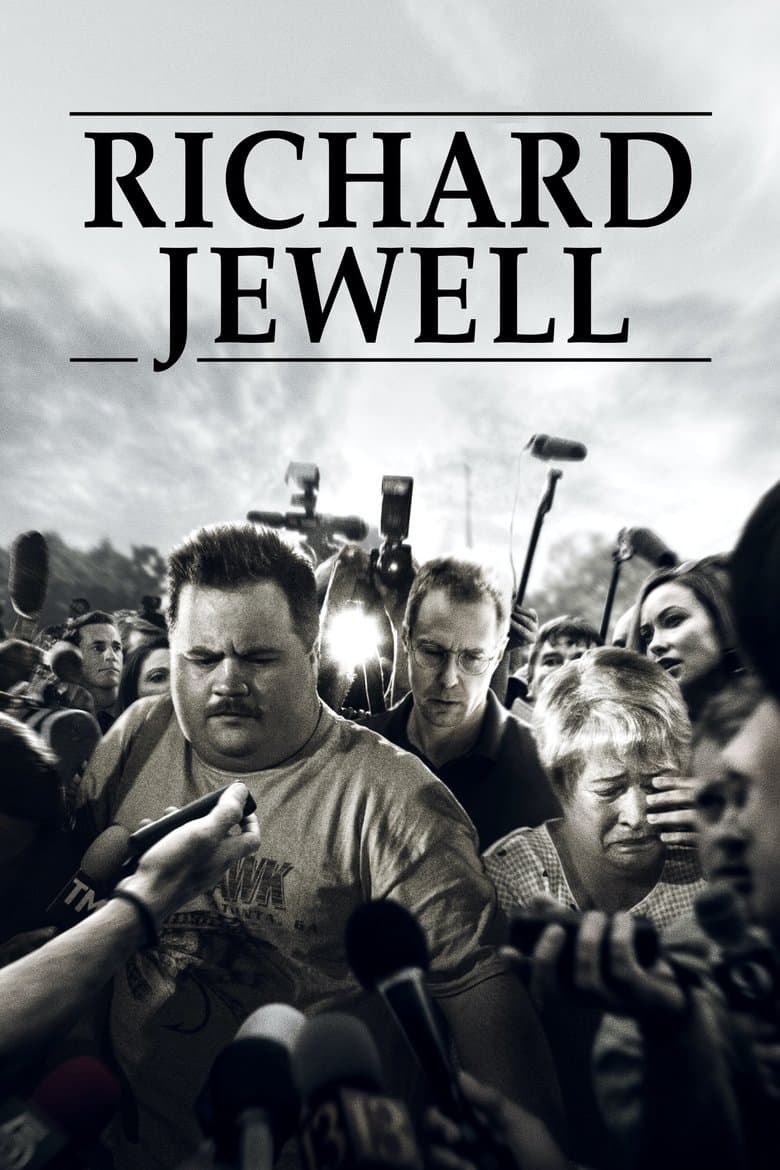
Movie · 2019
Richard Jewell thinks quick, works fast, and saves hundreds, perhaps thousands, of lives after a domestic terrorist plants several pipe bombs and they explode during a concert…
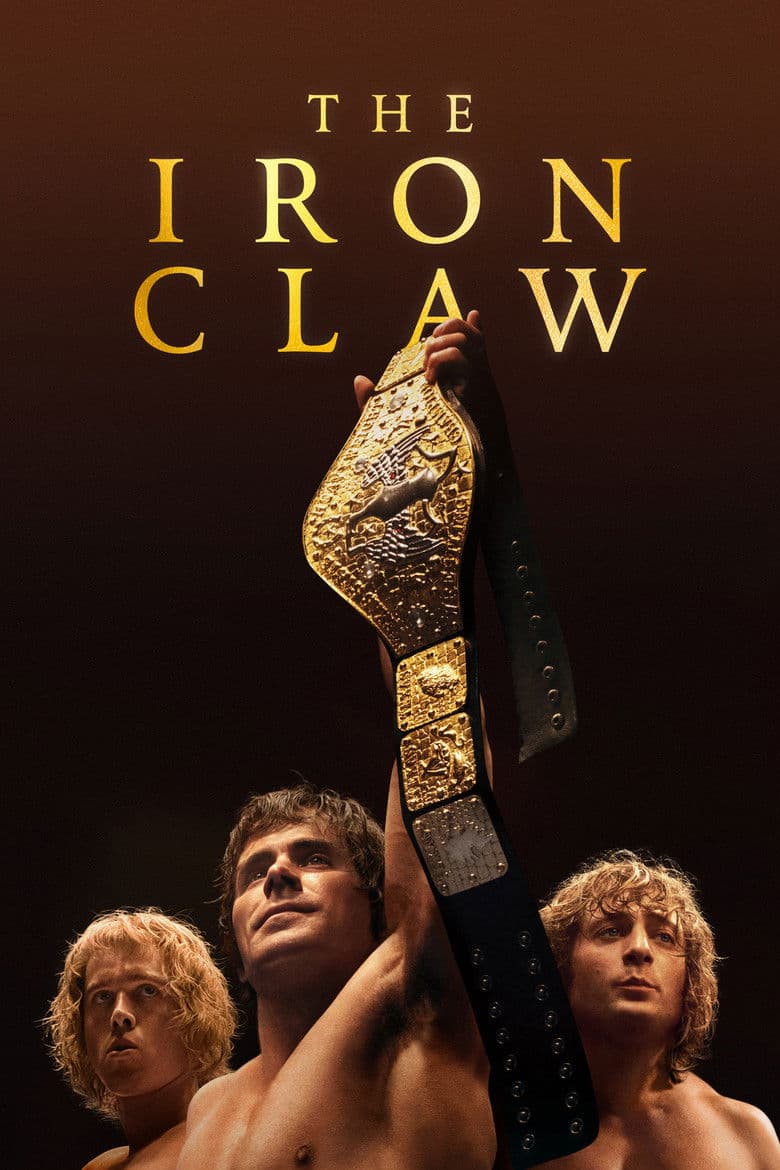
Movie · 2023
The true story of the inseparable Von Erich brothers, who made history in the intensely competitive world of professional wrestling in the early 1980s.
