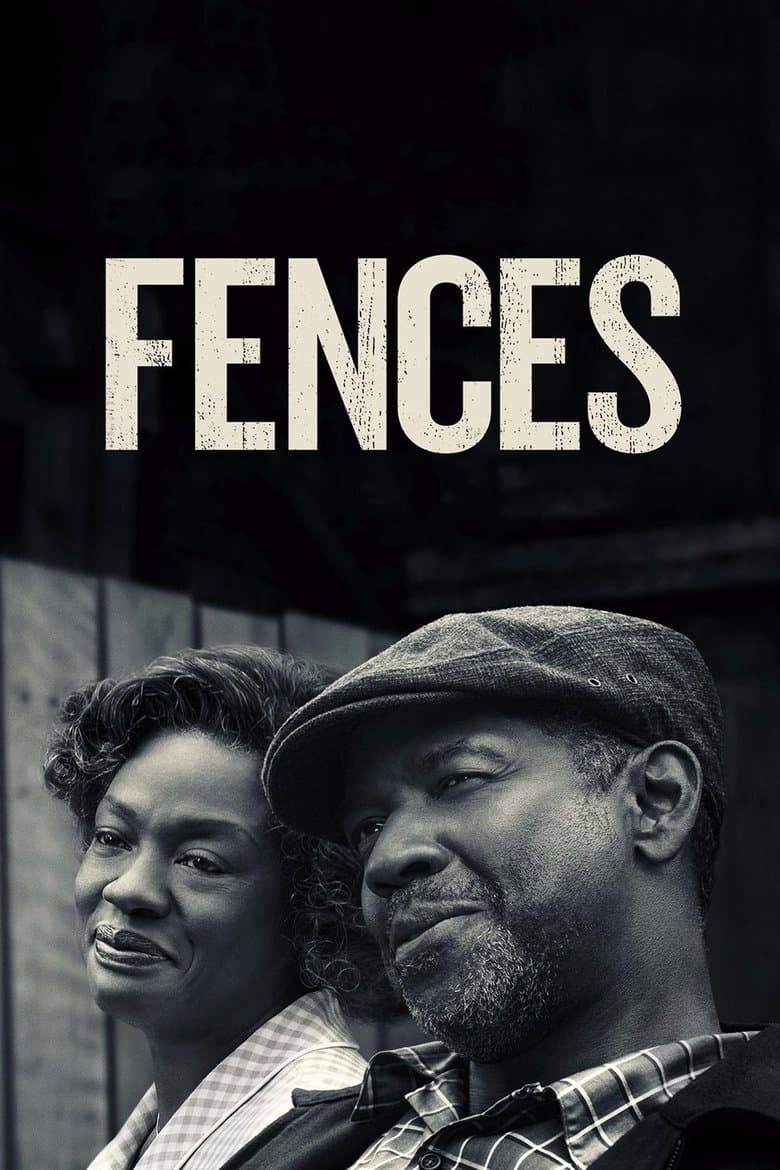
Fences is a film version of August Wilson’s 1985 play. It is set in 1957 in Pittsburgh’s Hill District. Denzel Washington plays and directs Troy Maxson, a black sanitation worker and former Negro League ballplayer. His bitterness over racial barriers, lost chances, and his own failures hurts his marriage and his sons. The story stays close to home. It is built from yard talk, father and son fights, adultery, duty, and the fence that is both real and a symbol.
Race and mid-century discrimination shape Troy’s past and some of his choices. The movie still plays as a classic American family tragedy, not a modern activist message. Viewers hear period talk about segregation-era limits, blocked baseball dreams, and hard work under white bosses. Black family life under poverty and racial pressure is important, but the main spine is personal betrayal, control, duty, and death. There is no LGBTQ plotline. The film shows the racism of its time and one man’s failures without turning into a broad attack on Western culture.
Community feedback
Was our 36% Woke rating accurate?
Breakdown
These are the editorial factors and ratings behind our score for Fences.
Woke representation / casting
Not present. The all-Black principal cast fits a black working-class family in 1950s Pittsburgh and matches the play. There are no race or gender swaps of established characters. There is no engineered multi-identity ensemble and no marketing of casting as a diversity stunt. Rose is the wife and mother from the source material, not an inserted girlboss type.
0%
Woke political dialogue
Troy often names racial limits from his era. He talks about being blocked from the majors, hard work under white bosses, and fighting to become Pittsburgh’s first Black garbage-truck driver. That speech is period character talk about segregation-era barriers. It is not modern DEI slogans or campus-activist jargon.
22%
Identity-driven story themes
Black family life under poverty and racial pressure is central to the plot. Negro League exclusion and fear that whites will close doors again shape Troy’s pride and damage as a black man and father. The spine is still personal betrayal, control, duty, and death. Race matters in a classical mid-century Wilson sense, not as a modern activist checklist, and there is no LGBTQ plotline.
38%
Western institutional / cultural critique
The film shows segregated baseball and workplace racism of its era. It also shows Troy’s toxic pride as a husband and father. It does not reframe that as modern guilt theory about whiteness, patriarchy, or colonial history. Gabriel’s ending with Saint Peter and heaven’s gates is spiritual and kind rather than a mockery of Christianity.
28%
Woke character or canon changes
Not relevant. This factor is not relevant here. Washington kept Wilson’s words as the star of the film. The screenplay is credited to Wilson, and the production aimed at fidelity to the play. Opening a stage play for film is ordinary adaptation, not an identity-driven rewrite of characters or history.
0%
Anti-woke backlash and complaints
Not present. No lasting right-leaning or anti-woke campaign treats Fences as DEI propaganda or too woke. Coverage and awards talk focused on craft and performances. Scattered social posts do not add up to a real anti-woke fight over this title.
0%
Creator track record context
August Wilson is the stronger signal because of the Century Cycle, race-conscious cultural politics, and his famous black-director condition for any Fences film. Denzel Washington stresses culture, craft, and personal responsibility more than DEI ideology. Other producers sit near zero. The moderate score comes mainly from Wilson’s politics and the black-director rule, not from an activist 2016 campaign.
33%
Production
Movie · 2016
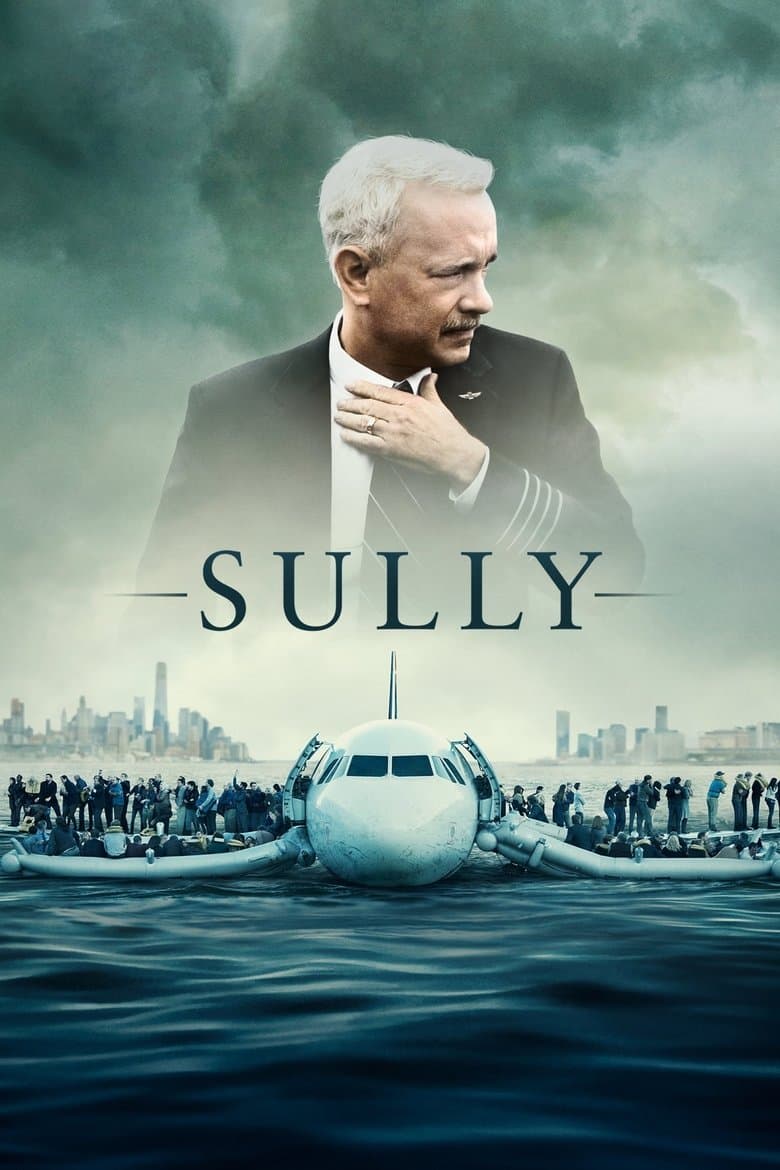
On 15 January 2009, the world witnessed the 'Miracle on the Hudson' when Captain 'Sully' Sullenberger glided his disabled plane onto the Hudson River, saving the lives of all 155…
Movie · 2020
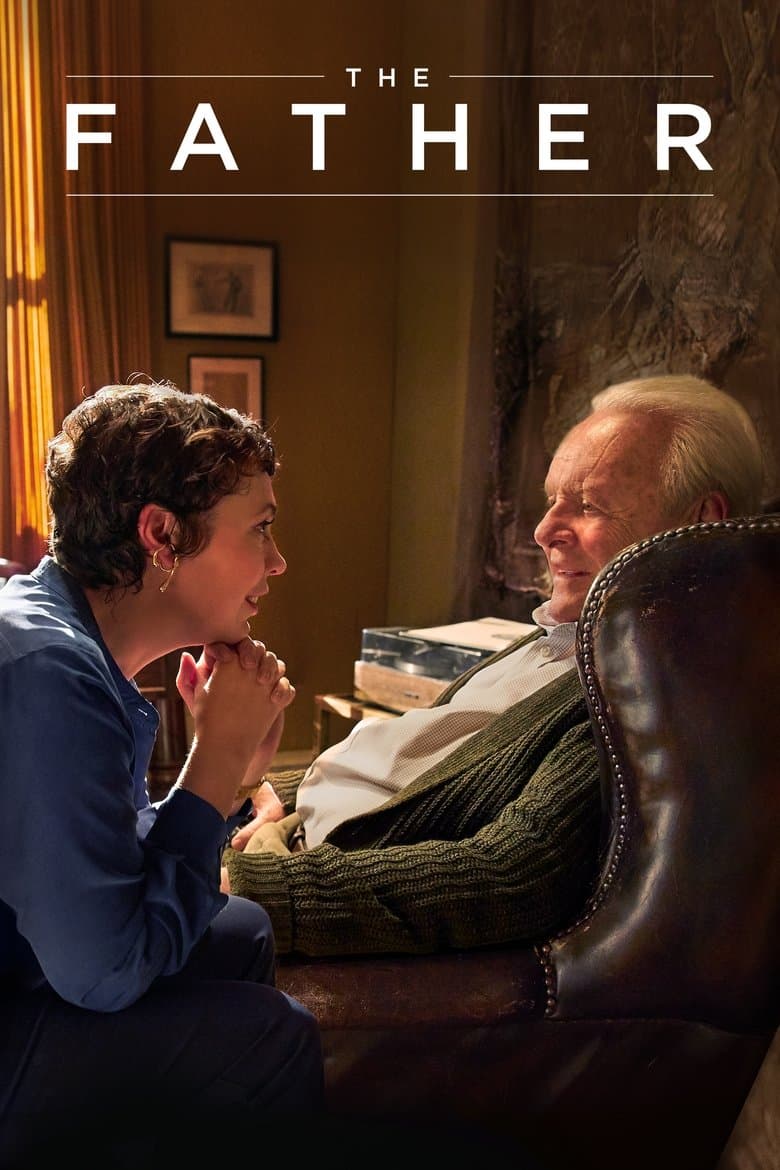
A man refuses all assistance from his daughter as he ages and, as he tries to make sense of his changing circumstances, he begins to doubt his loved ones, his own mind and even…
Movie · 2022
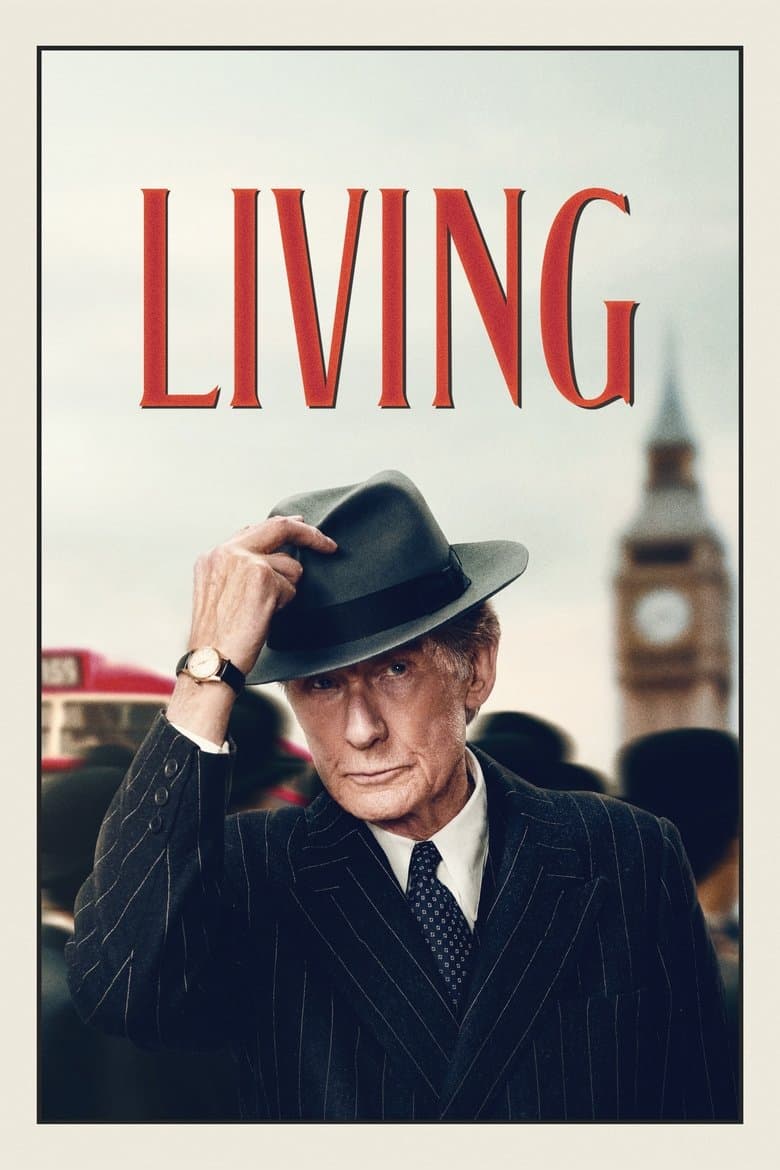
London, 1953. Mr. Williams, a veteran civil servant, is an important cog within the city's bureaucracy as it struggles to rebuild in the aftermath of World War II.

Movie · 2023
The story of J. Robert Oppenheimer's role in the development of the atomic bomb during World War II.

Movie · 2017
Members of the Granite Mountain Hotshots battle deadly wildfires to save an Arizona town.

Movie · 2026
While people across 1990s Iraq struggle to survive the war and food shortages, Saddam Hussein requires each school in the country to prepare a cake to celebrate his birthday.

Movie · 2025
A logger leads a life of quiet grace as he experiences love and loss during an era of monumental change in early 20th-century America.

Movie · 2016
After his older brother passes away, Lee Chandler is forced to return home to care for his 16-year-old nephew.
