Movie review
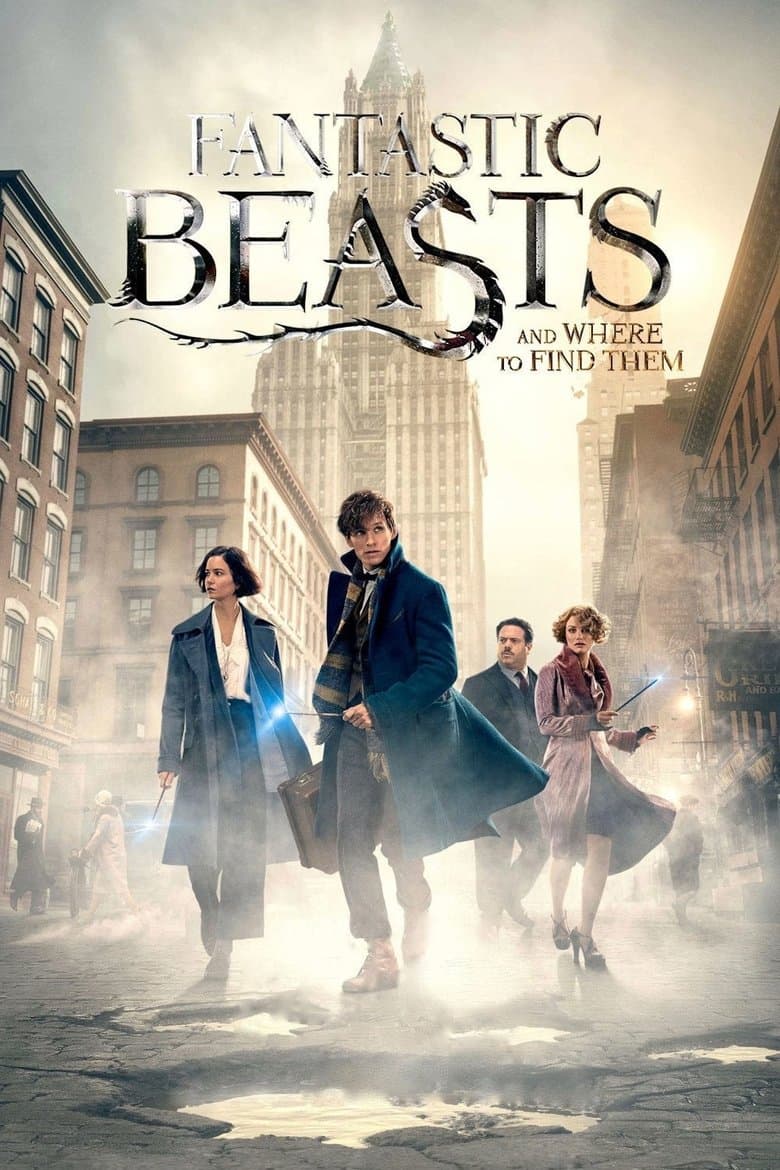
In 1926 New York, magizoologist Newt Scamander loses control of the magical creatures in his suitcase. He teams up with demoted Auror Tina Goldstein, her sister Queenie, and No-Maj baker Jacob Kowalski to fix the mess. At the same time, Credence Barebone suffers abuse from Second Salem religious extremists and is revealed as a powerful Obscurial. MACUSA security chief Percival Graves is later shown to be Grindelwald in disguise. The story follows the hunt for escaped beasts, the need to keep magic secret, fear of outsiders, and the split between magical and non-magical people under Rappaport’s Law.
Viewers can see clear messages about tolerance and not fearing those who are different. Creature care stands in for accepting the strange and the feared. Credence’s buried magic after religious abuse works as a trauma and repression image, not as confirmed LGBTQ content. Rappaport’s Law blocks Queenie and Jacob from being together. A black woman leads MACUSA as President Seraphina Picquery, which stands out as a high-power casting choice. These ideas matter as mild liberal anti-intolerance themes, not as a race, gender, or queer identity plot that drives the whole film.
Community feedback
Was our 34% Woke rating accurate?
Breakdown
These are the editorial factors and ratings behind our score for Fantastic Beasts and Where to Find Them.
Woke representation / casting
The main heroes are cast in a usual white way for a 1920s fantasy story. The clear diversity signal is Carmen Ejogo as black female President of MACUSA in a strong leadership role. There is also a small Gemma Chan part as a MACUSA ambassador. It is not a one-of-each friend group design, but Picquery is a clear and important identity choice.
26%
Woke political dialogue
Talk in the film backs tolerance and not fearing people who are different. It also covers illegal romance between wizards and No-Majs under American magical law. Grindelwald and Graves speak about wizard power and government lies in classic villain style. The progressive message is small and easy to name, not heavy slogan activism.
18%
Identity-driven story themes
Viewers see otherness, tolerance, and care for feared creatures. Credence’s hidden magic after religious abuse can read as trauma and repression, not confirmed LGBTQ content. Rappaport’s Law keeps Queenie and Jacob apart. These are classic liberal anti-intolerance themes with a mild populism edge, not a race, gender, or queer identity plot.
34%
Western institutional / cultural critique
The Second Salemers are harsh religious witch-hunters and clear villains. MACUSA is cold and bureaucratic with death sentences and memory wipes. Grindelwald’s power politics and the populism framing add light anti-fear and anti-tyranny notes. This is story conflict with bigotry and hard rule, not a long attack on patriarchy, whiteness, colonial guilt, or Christianity as an institution.
24%
Woke character or canon changes
Not relevant. Original Rowling screenplay from a bestiary textbook, not an identity rewrite of established book characters.
0%
Anti-woke backlash and complaints
Not present. No meaningful right-leaning or anti-woke campaign treated the 2016 film as woke propaganda. Diversity complaints were largely that it was too white or not diverse enough.
0%
Creator track record context
Cached scores show Rowling at 12, Yates at 33, Heyman at 38, Kloves at 37, and Rousselot at 20, with other producers and casting mostly low. The team reads as mild to moderate liberal franchise talent. There is no strong identity-activist core. Rowling’s score pulls the composite down versus pure DEI creatives.
27%
Production
Movie · 2021
When single mom Callie and her two kids Trevor and Phoebe arrive in a small Oklahoma town, they begin to discover their connection to the original Ghostbusters and the secret…
Movie · 2023
Black Manta seeks revenge on Aquaman for his father's death. Wielding the Black Trident's power, he becomes a formidable foe.

Movie · 2018
Lara Croft, the fiercely independent daughter of a missing adventurer, must push herself beyond her limits when she finds herself on the island where her father disappeared.

Movie · 2019
As the gang return to Jumanji to rescue one of their own, they discover that nothing is as they expect. The players will have to brave parts unknown and unexplored in order to…
Movie · 2016
Fearing the actions of a god-like Super Hero left unchecked, Gotham City’s own formidable, forceful vigilante takes on Metropolis’s most revered, modern-day savior, while the…
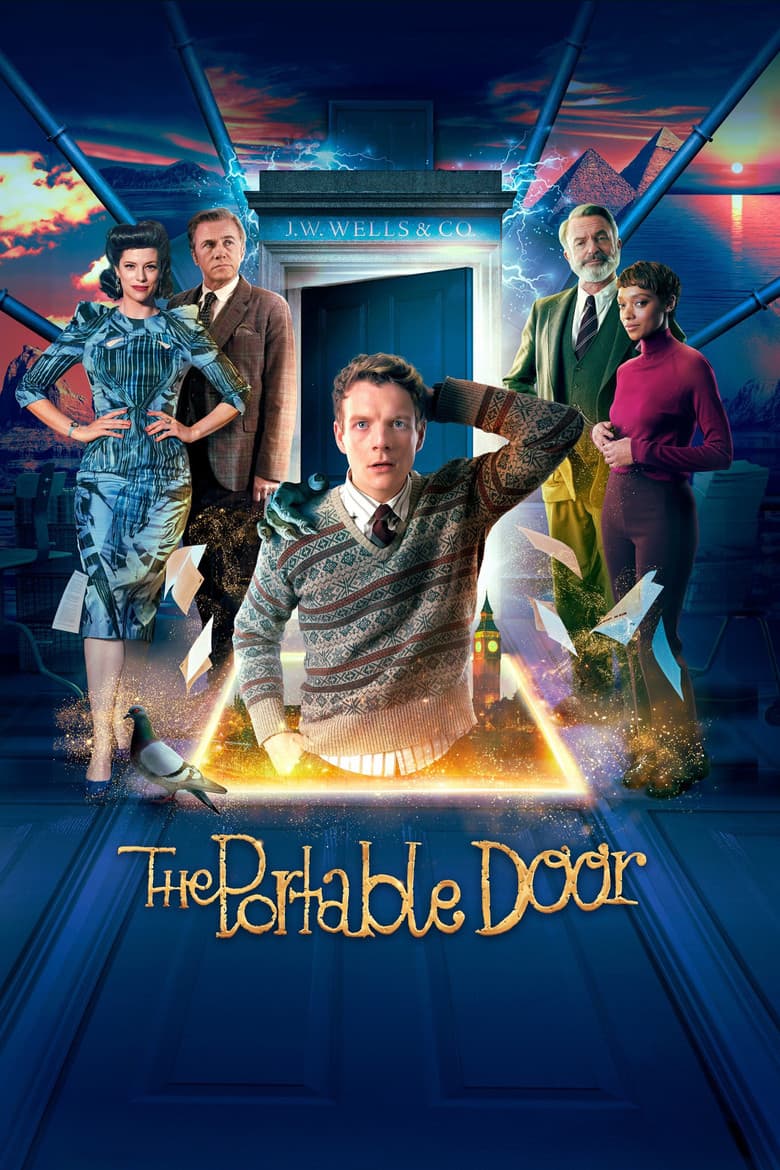
Movie · 2023
Paul and Sophie, interns at a mysterious London firm, become steadily aware their employers Humphrey and Dennis are anything but conventional – they are disrupting the world of…
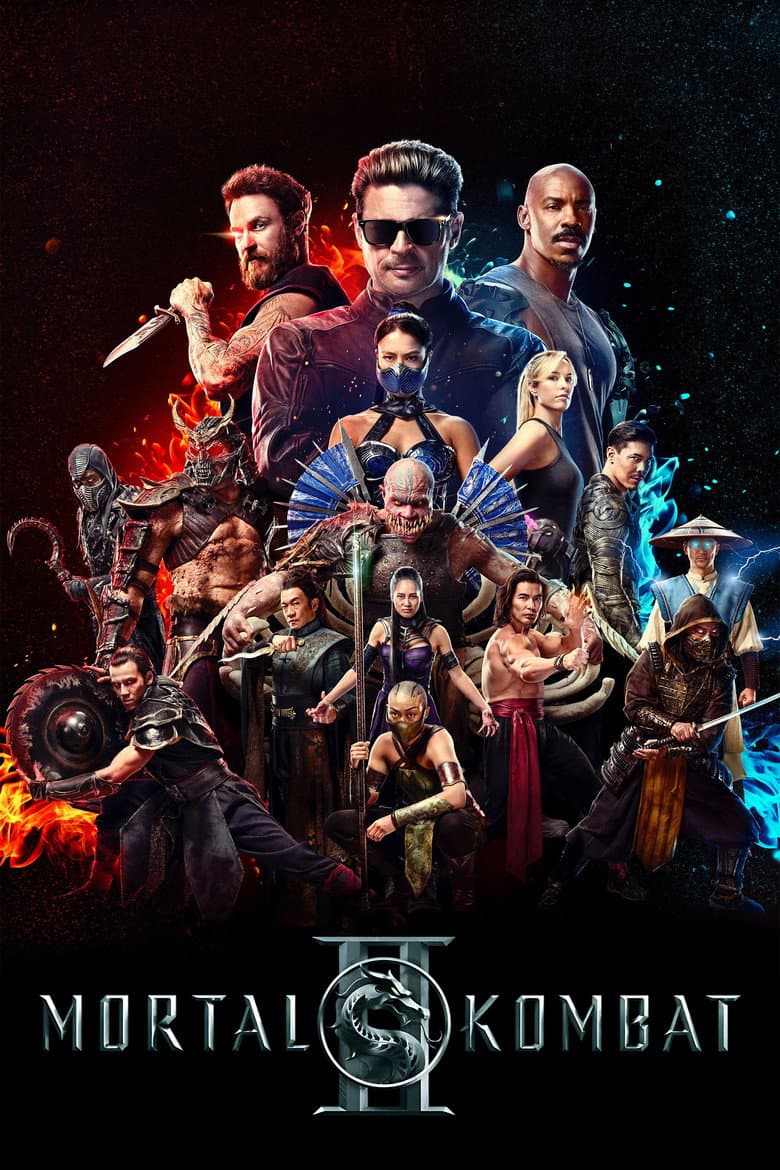
Movie · 2026
The fan favorite champions—now joined by Johnny Cage himself—are pitted against one another in the ultimate, no-holds barred, gory battle to defeat the dark rule of Shao Kahn that…
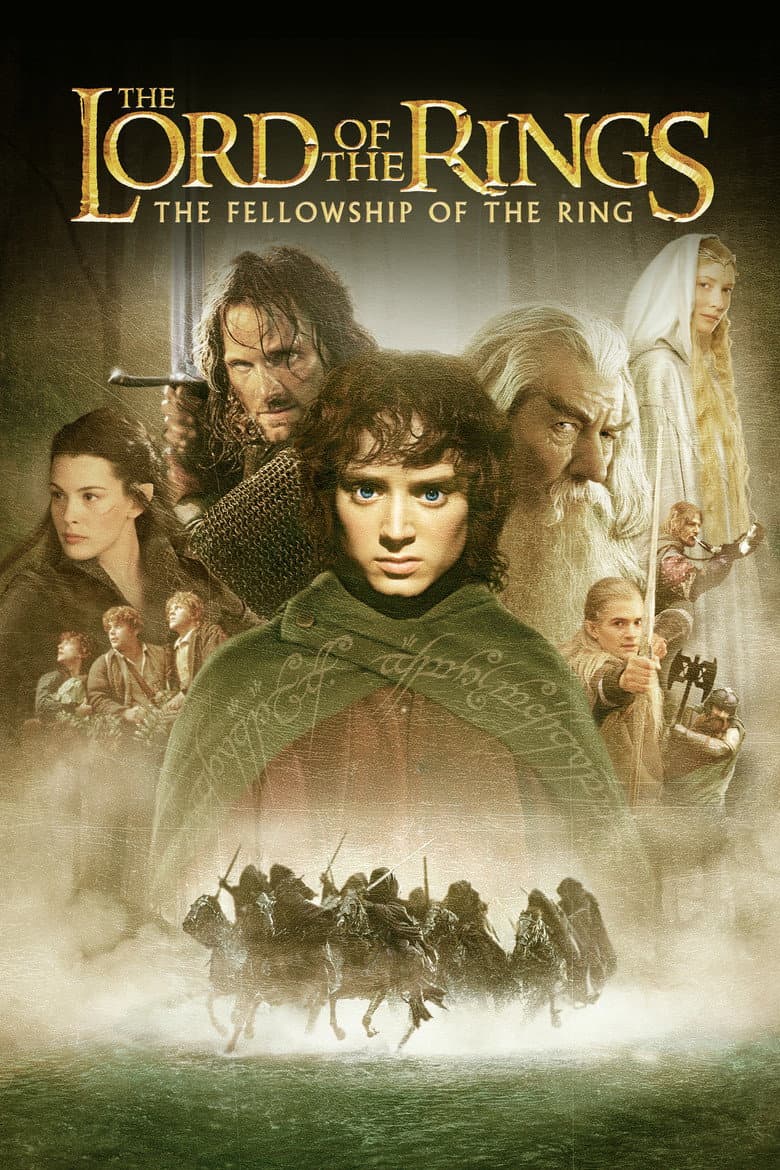
Movie · 2001
Young hobbit Frodo Baggins, after inheriting a mysterious ring from his uncle Bilbo, must leave his home in order to keep it from falling into the hands of its evil creator.
