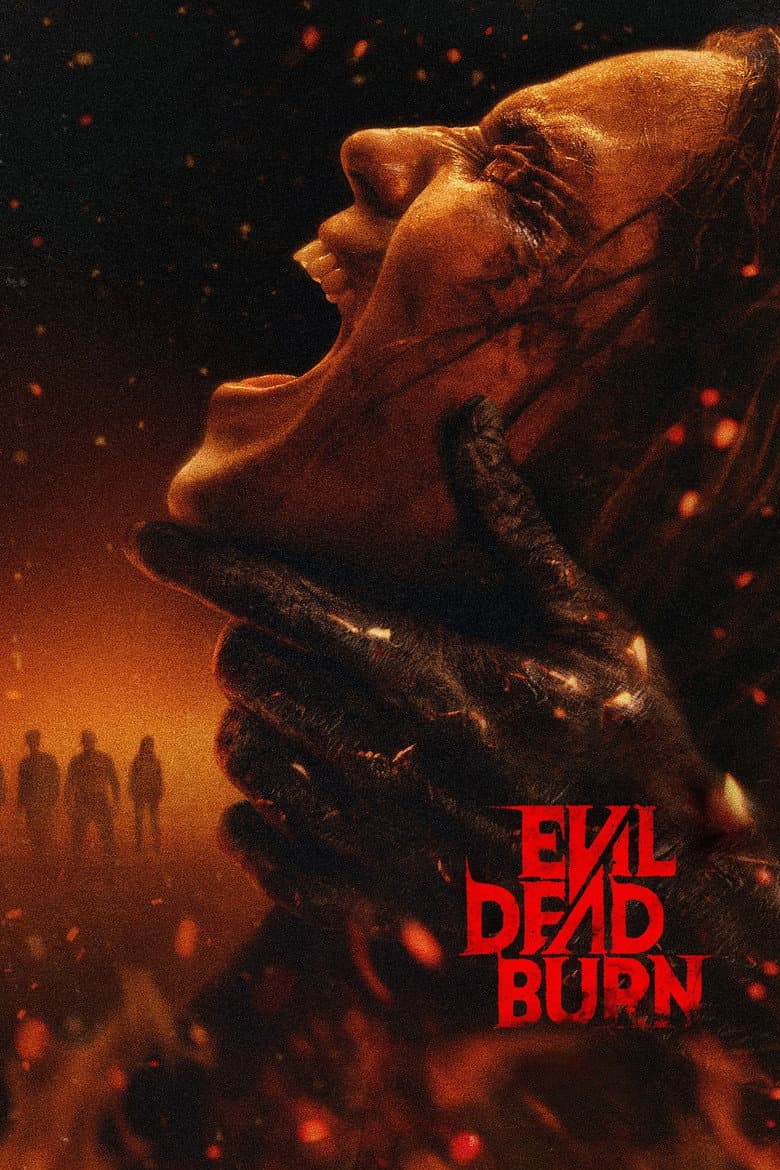
Alice is a French woman whose cruel husband Will dies in a fiery car crash. She stays with his family at their remote lake house for the funeral and burial after he is gone. One by one the relatives turn into violent Deadites that hurt people and kill. The movie is bloody, dark, and very mean. Long fights and heavy gore leave little room for comfort or hope for anyone trapped in that house.
The story keeps Alice's past with her abusive husband at the center of the fear. Flashbacks show him controlling and hurting her during their marriage. His parents refuse to believe her about the abuse and treat her like an outsider in their home. The film ties the demons to family secrets, angry fathers, and people who protect abusers. Viewers will mainly notice this hard view of marriage, men in charge, and broken family loyalty more than race or queer politics.
Breakdown
These are the editorial factors and ratings behind our score for Evil Dead Burn.
Woke representation / casting
The lead is French actress Souheila Yacoub as widow Alice. Luciane Buchanan plays a key supporting role as Joseph’s girlfriend. The Price family around them is mostly white. The cast mix is easy to notice, but the story needs a French wife and modern guests, and the film was not sold as a diversity first project.
18%
Woke political dialogue
Characters fight over blame, control, and whether Alice should be trusted about her marriage. Trailers and coverage push lines that paint family as the root of all evil. There is little speech about race, voting, or modern activist slogans. The talk stays tied to abuse and family power.
18%
Identity-driven story themes
Alice’s survival as an abused wife is the emotional core from start to finish. Flashbacks, denial by in-laws, and the final fights keep that story in front of the demons. The film uses possession and gore to show how a cruel husband and enabling relatives destroy people. Gendered family pain is hard to miss, even though race and queer identity are not the main plot.
46%
Western institutional / cultural critique
Will is a controlling husband who grabs, scolds, and blames Alice. His father shows violent, cruel power that continues after death as a Deadite. Parents protect the favored son and shut Alice out while the film paints traditional male power at home as toxic and unsafe. Marketing attacks the family itself as a source of evil.
50%
Woke character or canon changes
Not present in this title.
0%
Anti-woke backlash and complaints
A few fans wanted a male lead after recent female-centered entries. Some online posts pushed back on the heavy abuse and feminist trauma focus. There is no large, clear campaign calling the film DEI propaganda. Most backlash is about gore, tone, and quality instead.
12%
Creator track record context
Director Vaniček has a moderate record of social allegory from Infested and talked about women’s roles in family for this film. Raimi, Campbell, Tapert, and most producers score low on activist or identity-first work. The team leans genre horror more than politics, with Vaniček as the main mild social-theme signal.
20%
Production
