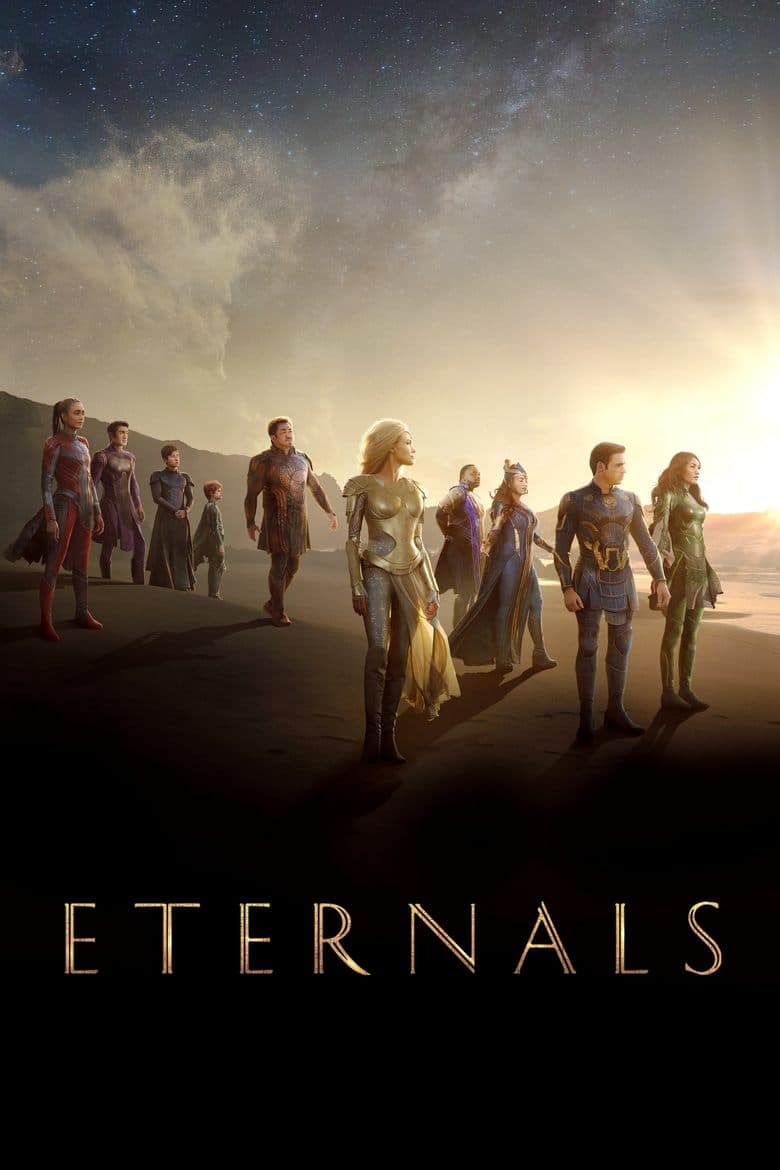
Eternals is a movie about ten immortal alien heroes who have lived on Earth in secret for thousands of years. They must come out of hiding to fight monstrous creatures called Deviants and save the planet. The film has a lot of girl power, with several female heroes taking on key leadership and fighter roles. It also shows a same-sex couple raising a child together, and they share a physical kiss. The story has themes criticizing human warfare, like the nuclear bombing of Hiroshima, and historic colonial invasions.
Community feedback
Was our 95% Woke rating accurate?
Breakdown
These are the editorial factors and ratings behind our score for Eternals.
Woke representation / casting
The movie heavily emphasizes identity representation with a strictly balanced gender split. Three male comic book characters (Ajak, Makkari, and Sprite) are changed to females, and Makkari is played by a deaf actress. Several other heroes are race-swapped to create a highly diverse global pantheon. The casting also includes Marvel's first openly gay superhero, Phastos, who is played by a black actor. Per our scoring rules, the prominent inclusion of this LGBTQ+ character and his same-sex marriage adds significant weight (+25 points) to this factor, making the identity-driven casting choices a central, hard-to-miss element of the movie's presentation.
85%
Woke political dialogue
The dialogue includes explicit critiques of human violence and progress. Druig directly attacks the idea of non-interference during the Spanish conquest of the Aztecs, calling the invasion a genocide rather than a war. Phastos also expresses deep despair over Western technology and warfare, crying out that humanity is not worth saving after witnessing the destruction of Hiroshima. While the characters do not lecture the audience directly with modern buzzwords, their conversations clearly push anti-war, anti-colonial, and anti-technology political views.
65%
Identity-driven story themes
The story ties the heroism and personal arcs of the characters directly to their diverse modern identity traits. Phastos finds his hope in humanity and his motivation to fight through his domestic life with his husband and son, putting his queer family structure at the heart of his narrative arc. Makkari's deafness is treated as a unique superhero trait rather than a limitation. Because the film heavily centers on these identity-focused dynamics and queer themes, it receives an extra +25 points according to our rules, as these modern social elements are clearly prioritized over standard sci-fi adventure.
75%
Western institutional / cultural critique
The movie critiques Western imperialism and technological warfare. It portrays the Spanish conquistadors as brutal, bloodthirsty invaders slaughtering peaceful Aztec civilians. It also shows the US atomic bomb drop on Hiroshima as a horrific failure of human progress that breaks the spirit of a key hero. Additionally, the film subverts traditional masculine heroism. The primary white male hero, Ikaris, is revealed to be a fanatical traitor who kills their female leader and tries to destroy the Earth. He is ultimately humiliated and flies into the sun in shame, while the diverse female and queer heroes save the day.
72%
Woke character or canon changes
The movie makes massive, identity-driven changes to the established Marvel comic book source material. It gender-swaps three prominent male characters (Ajak, Makkari, and Sprite) into female roles. It also changes the race of several heroes, such as Sersi, Kingo, and Phastos, to create a highly diverse modern cast. Phastos's sexual orientation is changed to gay to establish the MCU's first same-sex romance, complete with a domestic family life and an on-screen kiss. These deliberate, diversity-focused deviations from the original Jack Kirby comic books are highly visible to fans.
85%
Anti-woke backlash and complaints
The movie faced massive internet backlash and was heavily review-bombed on platforms like IMDb and Rotten Tomatoes before it even released. Anti-woke critics and viewers strongly complained about the intense push for DEI casting, the gender-swaps, and the inclusion of an active gay relationship. The same-sex kiss became a focal point of public controversy, leading to the film being banned or heavily censored in several Middle Eastern countries. When the movie underperformed at the box office and received poor reviews, many online critics pointed to it as a classic example of a project suffering from a woke agenda.
85%
Creator track record context
Key Marvel producers Kevin Feige and Nate Moore, alongside casting director Sarah Halley Finn, have a well-documented public track record of prioritizing diverse representation and DEI initiatives in the MCU. They openly framed the movie's diverse casting as a major milestone. The writers and director Chloé Zhao have more moderate personal track records that focus on grounded human stories, but they fully supported and defended the film's identity-driven choices, including refusing to cut the gay kiss scene for international releases.
52%
Production
Movie · 2018
As the Avengers and their allies have continued to protect the world from threats too large for any one hero to handle, a new danger has emerged from the cosmic shadows: Thanos.
Movie · 2017
The Guardians must fight to keep their newfound family together as they unravel the mysteries of Peter Quill's true parentage.
Movie · 2019
When Alita awakens with no memory of who she is in a future world she does not recognize, she is taken in by Ido, a compassionate doctor who realizes that somewhere in this…
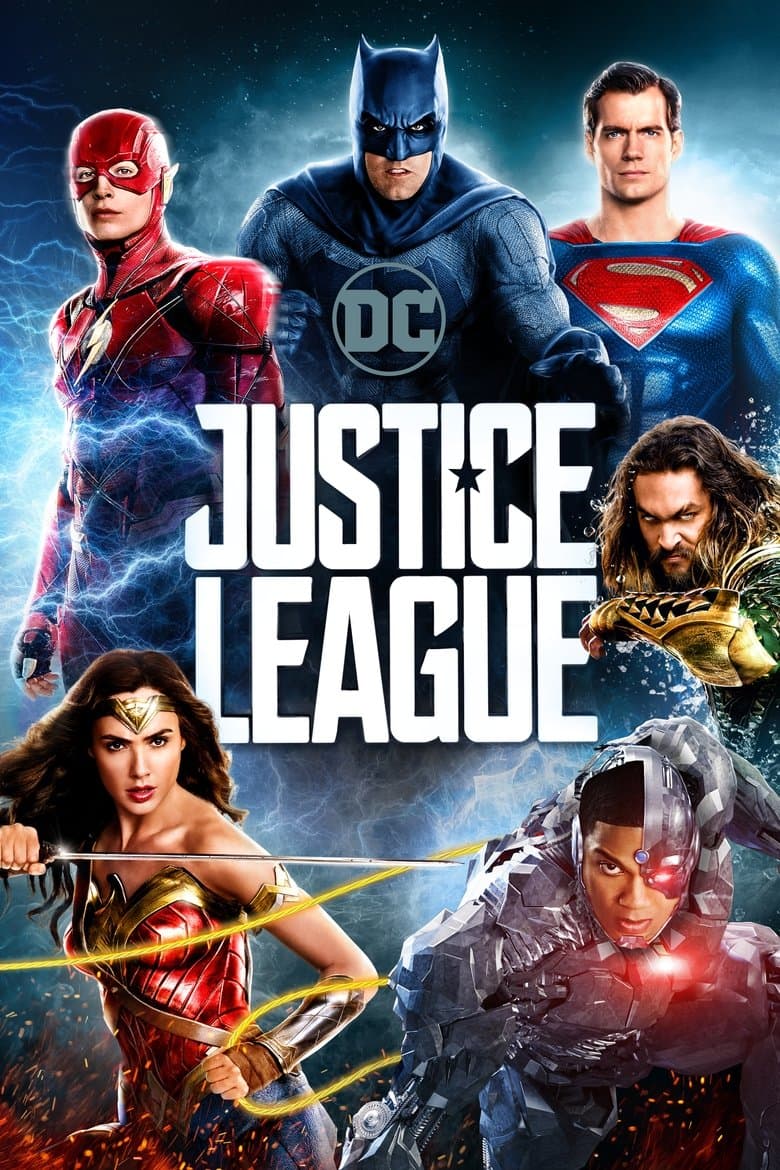
Movie · 2017
Fuelled by his restored faith in humanity and inspired by Superman's selfless act, Bruce Wayne and Diana Prince assemble a team of metahumans consisting of Barry Allen, Arthur…
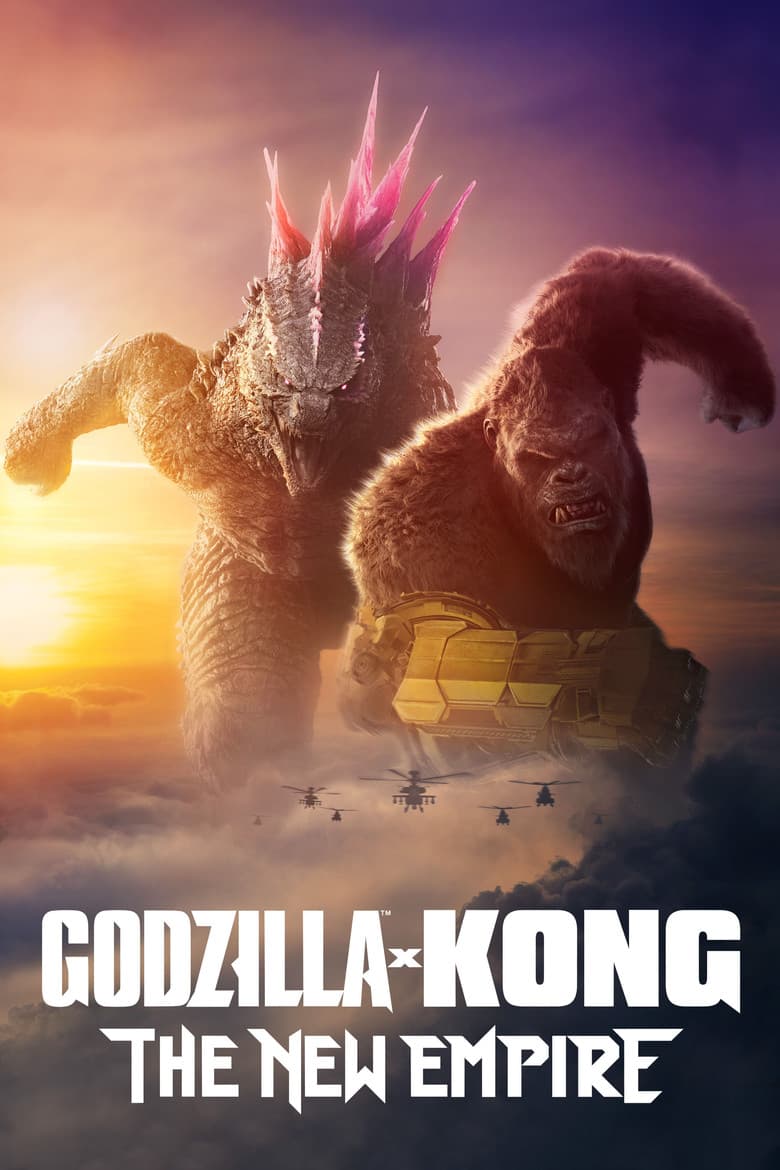
Movie · 2024
Following their explosive showdown, Godzilla and Kong must reunite against a colossal undiscovered threat hidden within our world, challenging their very existence – and our own.
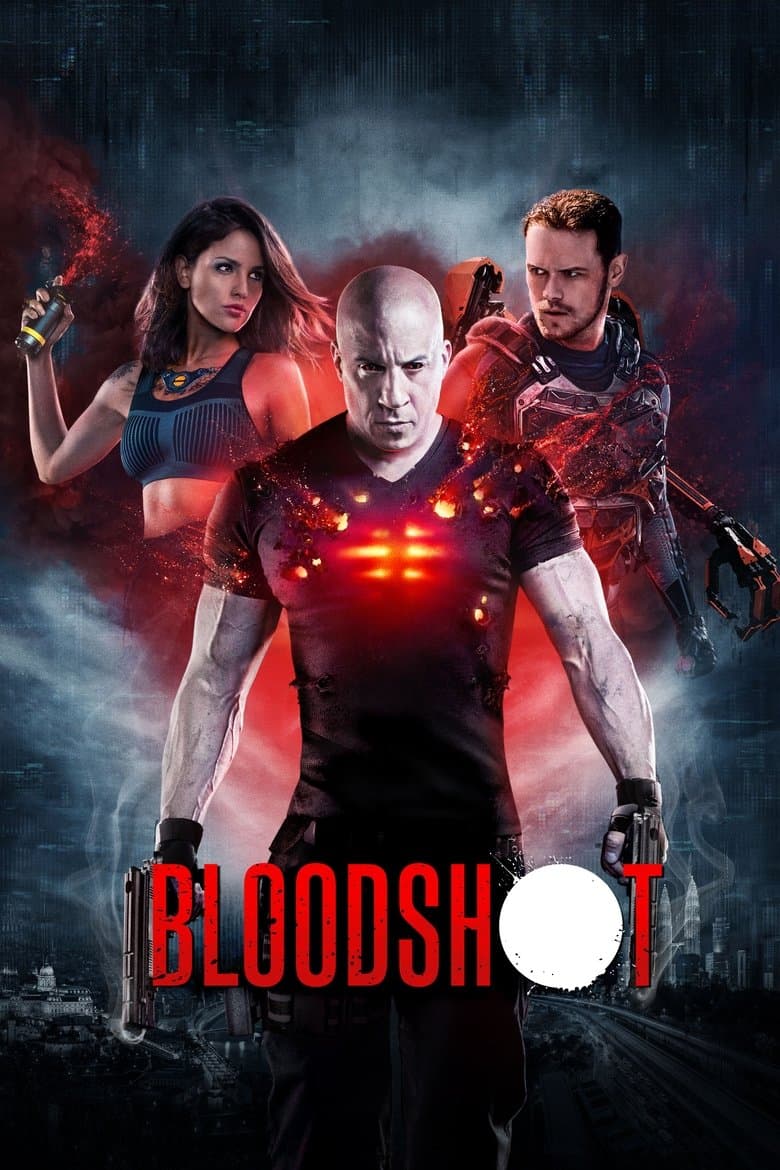
Movie · 2020
After he and his wife are murdered, marine Ray Garrison is resurrected by a team of scientists. Enhanced with nanotechnology, he becomes a superhuman, biotech killing…
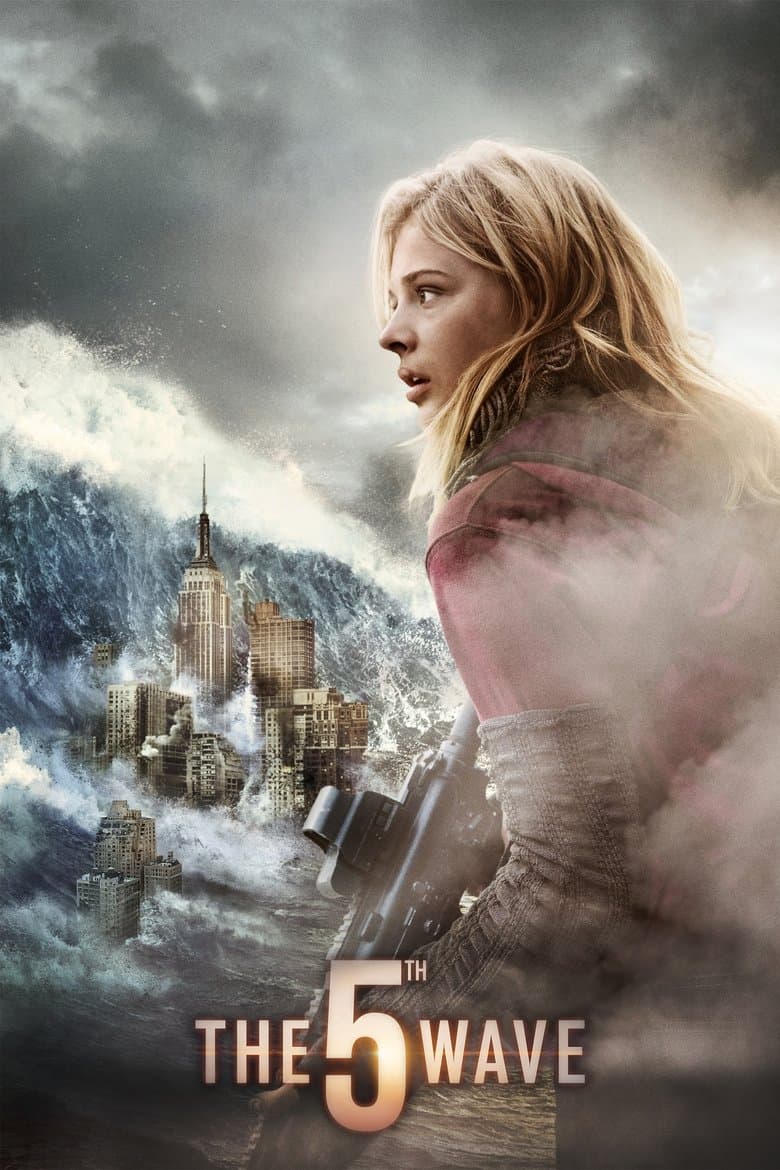
Movie · 2016
16-year-old Cassie Sullivan tries to survive in a world devastated by the waves of an alien invasion that has already decimated the population and knocked mankind back to the…
Movie · 2016
Through a technology that unlocks the genetic memories of his ancestor in 15th century Spain, Callum Lynch discovers he is a descendant of an ancient line of Assassins and amasses…
