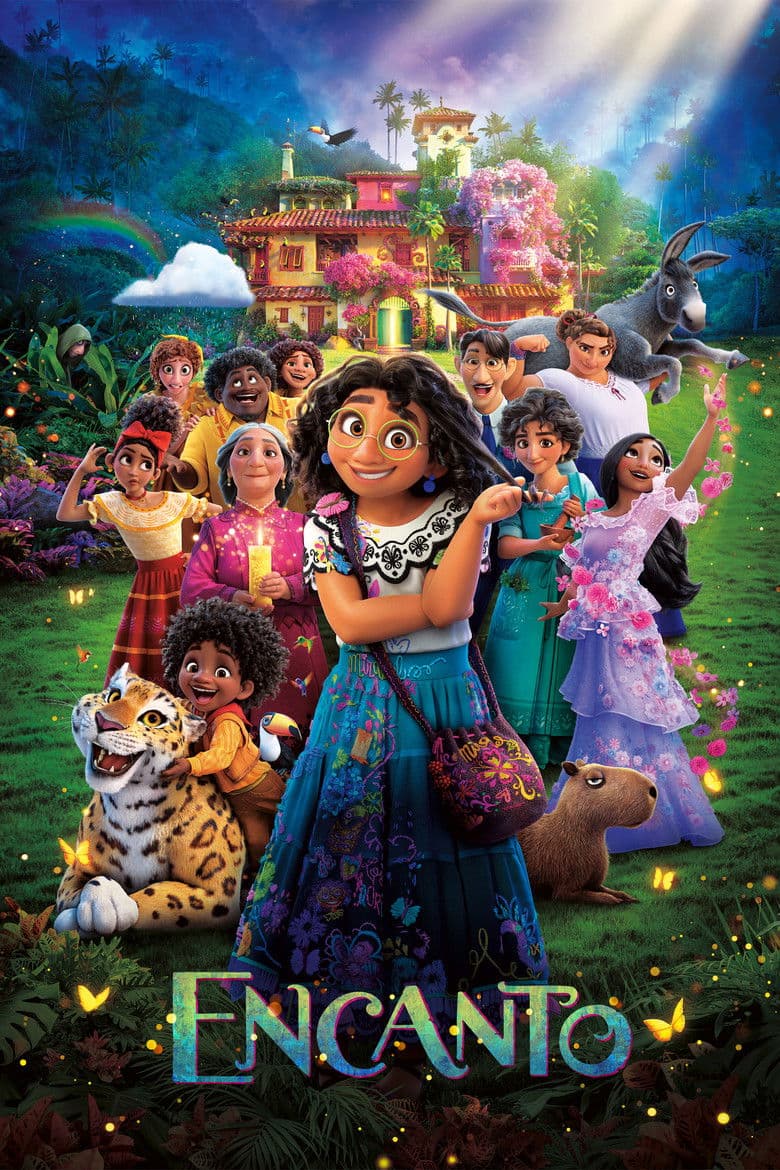
Encanto is an animated Disney movie about a magical family called the Madrigals who live in Colombia. Every child in the family has a magical power except for Mirabel, who must find a way to save their magic when it starts to fade. The film has strong themes of girl power, with capable female characters leading the family and the story. It also heavily emphasizes cultural representation and diversity, showcasing many different skin tones and hair textures. Some viewers will notice subtle themes about rejecting traditional family expectations and gender roles.
Community feedback
Was our 44% Woke rating accurate?
Breakdown
These are the editorial factors and ratings behind our score for Encanto.
Woke representation / casting
The casting consists entirely of Latino and Afro-Latino actors, matching the Colombian setting. The film was highly praised for showing diverse skin tones and hair textures. While the casting fits the story logic, Disney's marketing heavily emphasized diversity. Additionally, prominent voice actors like Stephanie Beatriz and Jessica Darrow are openly queer, which was highlighted in media coverage.
35%
Woke political dialogue
There is no modern political dialogue, activist lecturing, or social justice terminology in the movie. The script is entirely focused on the magical family, their village, and their personal struggles. The characters do not speak about modern political issues.
0%
Identity-driven story themes
The movie focuses on family dynamics and self-worth. It does not have explicit activist themes. However, there is a clear subtext of rejecting traditional family expectations. Characters like Luisa and Isabela are widely seen by audiences as queer-coded. Isabela’s musical number about embracing her messy, true self instead of a perfect marriage is often read as a coming-out metaphor.
30%
Western institutional / cultural critique
The movie does not critique Western institutions or Christianity, as it takes place in an isolated village. However, it criticizes traditional family structures and gender roles. The matriarch, Abuela, is shown as overly controlling. Additionally, Luisa’s character challenges traditional female roles with her muscular build, and Isabela rebels against an arranged marriage.
20%
Woke character or canon changes
Not relevant. This is an original Disney movie. It is not based on any existing franchise, legacy characters, or historical figures, so there are no canon changes or character swaps.
0%
Anti-woke backlash and complaints
The movie faced mild backlash from conservative and Christian reviewers. Critics expressed concern over the heavy focus on magic and spirits. Some social media users complained that the father figures are depicted as weak and passive. There were also complaints from parents who felt the queer-coding of the characters pushed an agenda.
25%
Creator track record context
The core creative team has a strong track record of supporting DEI. Chief Creative Officer Jared Bush and producer Yvett Merino are active advocates for diversity initiatives. Writer Byron Howard has shared that his perspective as a gay man shapes his inclusive storytelling, and songwriter Lin-Manuel Miranda is known for championing multiethnic representation.
55%
Production
Movie · 2022
Puss in Boots discovers that his passion for adventure has taken its toll: He has burned through eight of his nine lives, leaving him with only one life left.
Movie · 2017
The Wishbone family are far from happy. In an attempt to reconnect as a family, they plan a fun night out. However, the plan backfires when they are cursed and all turned into…
Movie · 2017
A story about how a new baby's arrival impacts a family, told from the point of view of a delightfully unreliable narrator, a wildly imaginative 7 year old named Tim.
Movie · 2022
A fanboy of a supervillain supergroup known as the Vicious 6, Gru hatches a plan to become evil enough to join them, with the backup of his followers, the Minions.
Movie · 2021
Set before the events of ‘Soul’, 22 refuses to go to Earth, enlisting a gang of 5 new souls in attempt of rebellion.
Movie · 2022
Maurice is a streetwise ginger cat who comes up with a money-making scam by befriending a group of self-taught talking rats.
Movie · 2020
When his best friend Gary is suddenly snatched away, SpongeBob takes Patrick on a madcap mission far beyond Bikini Bottom to save their pink-shelled pal.
Movie · 2017
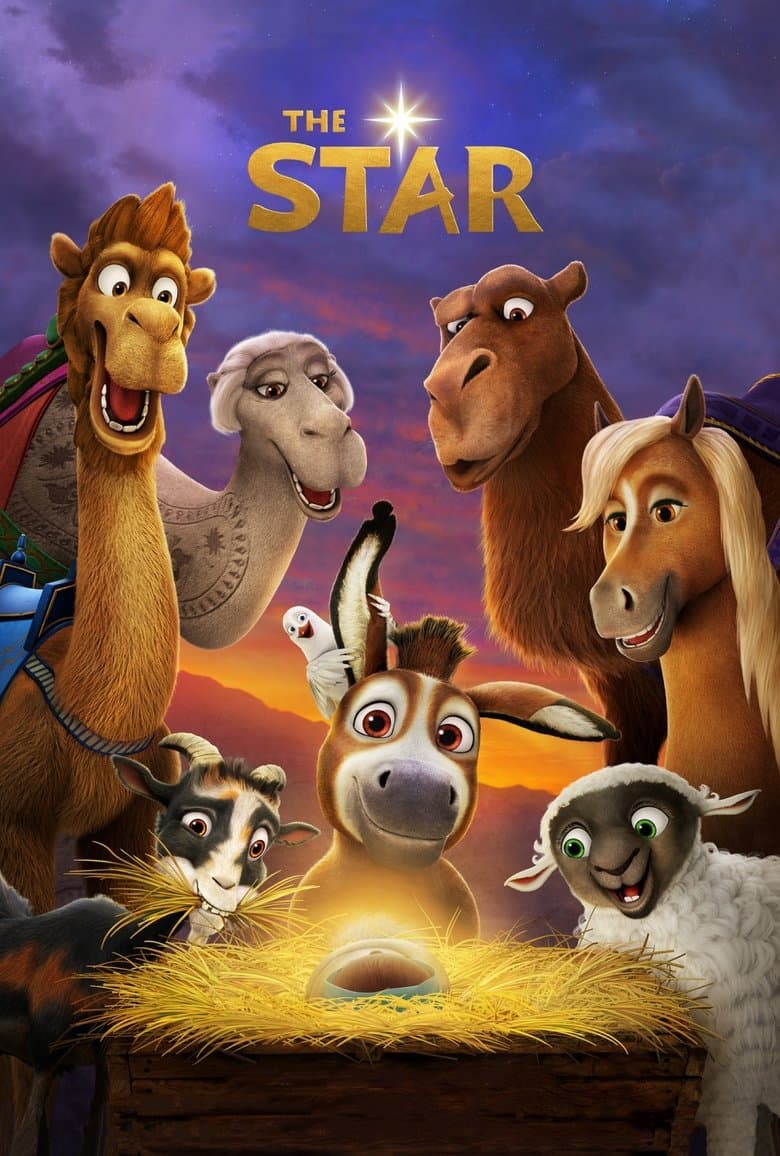
A small but brave donkey and his animal friends become the unsung heroes of the greatest story ever told: the first Christmas.
