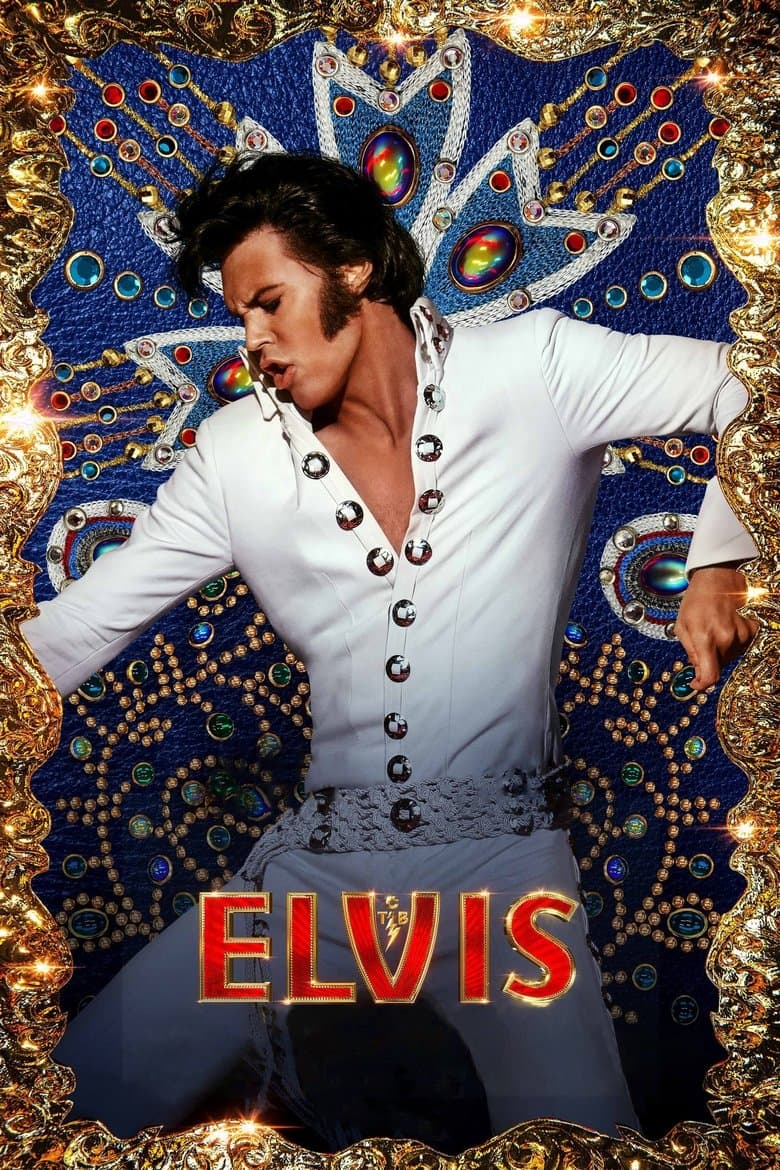
The 2022 movie Elvis tells the life story of rock and roll singer Elvis Presley through his long and troubled relationship with manager Colonel Tom Parker. It follows Elvis from his poor childhood in Mississippi and Memphis, his discovery of music, rise to fame with hits and movies, time in the army, and later years of Vegas shows and personal struggles, all in a flashy, music-heavy style. Scenes showing Elvis's deep love for black gospel, blues, and R&B music plus 1950s pushback over his style crossing racial lines appear as the main visible cultural elements some viewers notice.
Community feedback
Was our 21% Woke rating accurate?
Breakdown
These are the editorial factors and ratings behind our score for Elvis.
Woke representation / casting
Casting matches historical racial backgrounds of the real people, with white actors in lead roles for Elvis, his family, and manager, plus black performers in fitting music scenes from the 1950s story. No prominent roles show audience-visible identity signaling or quota-style choices over story needs.
0%
Woke political dialogue
Scenes and dialogue cover 1950s racial tensions, Southern conservative worries about Elvis's dancing and black music influences, and fears of youth corruption or racial mixing. These stay grounded in the era's events without modern activist speeches or framing.
10%
Identity-driven story themes
The narrative gives clear weight to Elvis's roots in African American gospel, blues, and R&B, his bonds with black musicians, and rock and roll blurring racial lines in America, shown in a mainly positive way as music bringing people together rather than as grievance or systemic critique.
15%
Western institutional / cultural critique
The film sharply shows the greedy manager and music industry exploiting the artist for money and control, plus 1950s authorities and conservative Southern society reacting against Elvis's sensual style and cultural boundary crossing as threats to order. This focuses on industry power and era-specific norms rather than current identity politics.
18%
Woke character or canon changes
As a dramatized biopic it adjusts some events and tones for story flow, including extra emphasis on Elvis's friendly views toward black music and Parker's control. These serve drama without identity-driven rewrites of historical figures.
8%
Anti-woke backlash and complaints
A few social media users and viewer comments have called the racial and cultural focus a "woke spin" that makes Elvis seem like a progressive bridge across races. These stay occasional and fringe with no major organized complaints, boycotts, or sustained right-leaning media coverage treating the film as pushing DEI or identity politics.
15%
Creator track record context
Baz Luhrmann's films center on visual spectacle and music with occasional cultural notes but show no repeated activist or representation-first pattern. Other writers and crew lack public records of identity-driven or left-activist work.
10%
Production
Movie · 2016
On 15 January 2009, the world witnessed the 'Miracle on the Hudson' when Captain 'Sully' Sullenberger glided his disabled plane onto the Hudson River, saving the lives of all 155…
Movie · 2017
Members of the Granite Mountain Hotshots battle deadly wildfires to save an Arizona town.
Movie · 2020
A man refuses all assistance from his daughter as he ages and, as he tries to make sense of his changing circumstances, he begins to doubt his loved ones, his own mind and even…

Movie · 2022
A quiet, neglected girl is sent away from her dysfunctional family to live with relatives for the summer. She blossoms in their care, but in this house where there are meant to be…
Movie · 2022
London, 1953. Mr. Williams, a veteran civil servant, is an important cog within the city's bureaucracy as it struggles to rebuild in the aftermath of World War II.
Movie · 2016
In a desolate war zone where screams of the innocent echo, on the very line between disaster and valor, 7 Maroon Berets will dance with death.

Movie · 2024
On the brink of the Second World War, a young Norwegian man's drive to resist the Nazis sets a new course for his future – and the future of his country.
Movie · 2019
Richard Jewell thinks quick, works fast, and saves hundreds, perhaps thousands, of lives after a domestic terrorist plants several pipe bombs and they explode during a concert…
