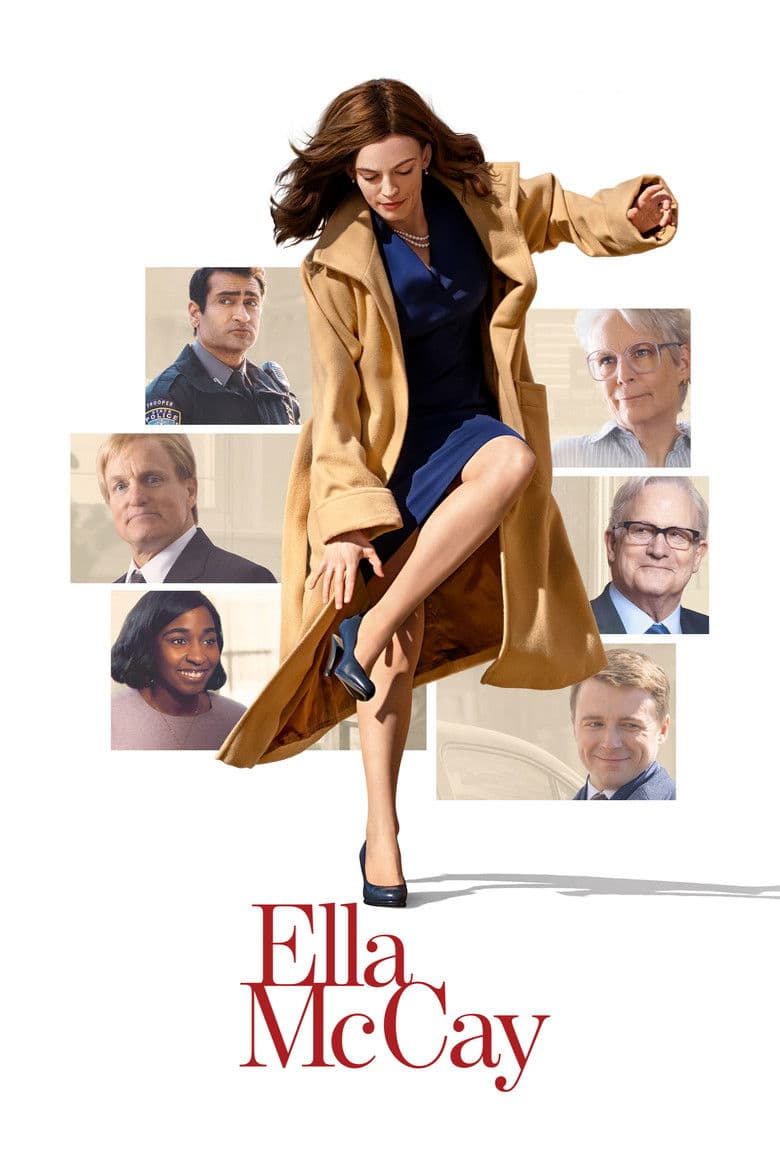
Ella McCay is a political comedy-drama about a young female politician who suddenly becomes the governor of her state. She must deal with political challenges and messy family issues, including an estranged father. The film features a hyper-competent female leader who champions liberal policies like early childhood programs. She is surrounded by weak, unreliable, or power-hungry men who actively try to ruin her career.
Community feedback
Was our 57% Woke rating accurate?
Breakdown
These are the editorial factors and ratings behind our score for Ella McCay.
Woke representation / casting
Emma Mackey plays a hyper-competent, morally perfect female politician, fitting a common feminist "girlboss" archetype. The supporting cast features prominent diverse actors like Ayo Edebiri and Kumail Nanjiani. The casting and character dynamics emphasize identity-based competence, with the lead woman depicted as superior to almost all the men around her, who are shown as corrupt, jealous, or weak.
42%
Woke political dialogue
The film is filled with earnest liberal talking points and dialogue. Ella frequently spouts optimistic phrases about government helping people and championing early childhood programs. While it avoids aggressive modern activist jargon by setting the movie in 2008, the dialogue still clearly aligns with progressive ideals and frames conservative or cynical perspectives as obstacles to progress.
35%
Identity-driven story themes
The narrative is built around a feminist struggle, focusing on a young woman who must navigate a political system dominated by unsupportive people. The plot heavily focuses on her personal empowerment while dealing with male resentment and family trauma, though it stops short of pushing intersectional identity theories.
38%
Western institutional / cultural critique
The movie critiques traditional family and marital structures by portraying the main male figures as highly toxic or corrupt. Ella’s father is a cheating, neglectful parent, and her husband is a power-hungry betrayer who frames her out of jealousy. Traditional relationships and male authority are heavily criticized, while the state and its liberal programs are framed as the ultimate good.
45%
Woke character or canon changes
Not relevant. The movie is an original screenplay by James L. Brooks and does not adapt or alter any pre-existing characters or historical canon.
0%
Anti-woke backlash and complaints
Some right-leaning viewers and online commentators criticized the film for its "woke" feminist tropes and negative portrayal of men. However, because the film was a massive box office bomb, public engagement was very low, and the backlash remained minor compared to general audience indifference.
30%
Creator track record context
The creative team has a strong, noticeable history of supporting progressive causes. Writer-director James L. Brooks is a major liberal political donor, and producer Julie Ansell is a vocal LGBTQ+ advocate. Other producers also fund left-leaning immigration, art, and civil rights projects.
44%
Production
Movie · 2025
Lily Trevino unexpectedly befriends an online stranger who shares her self-centered father’s name. This new Bob Trevino’s support could transform her life.

Movie · 2021
Veteran comedy writer Charlie Berns, who is slowly but surely losing his grip on reality, befriends a talented young New York street singer Emma Payge.
Movie · 2022
Maurice Flitcroft, a dreamer and unrelenting optimist, managed to gain entry to The British Open Golf Championship qualifying in 1976 and subsequently shot the worst round in Open…
Movie · 2017
Brigsby Bear Adventures is a children's TV show produced for an audience of one: James. When the show abruptly ends, James's life changes forever, and he sets out to finish the…
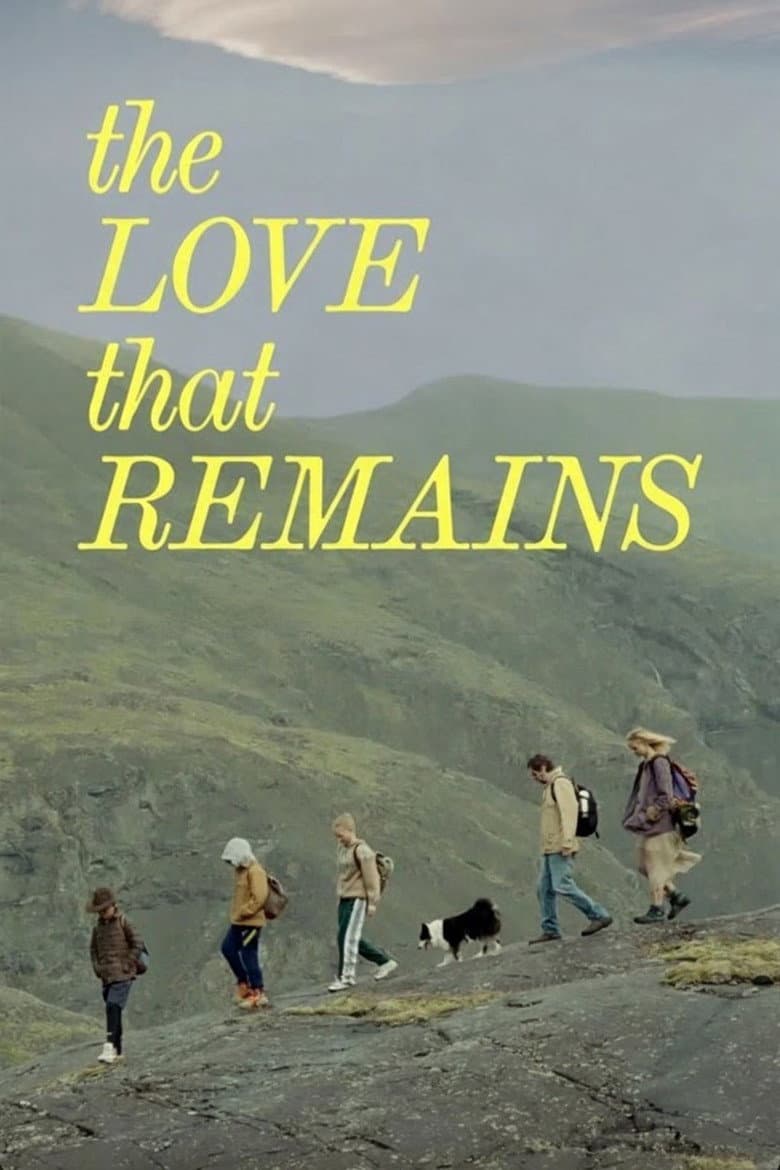
Movie · 2025
Tenderly captures a year in the life of a family as the parents navigate their separation. Through both playful and heartfelt moments, the film portrays the bittersweet essence of…
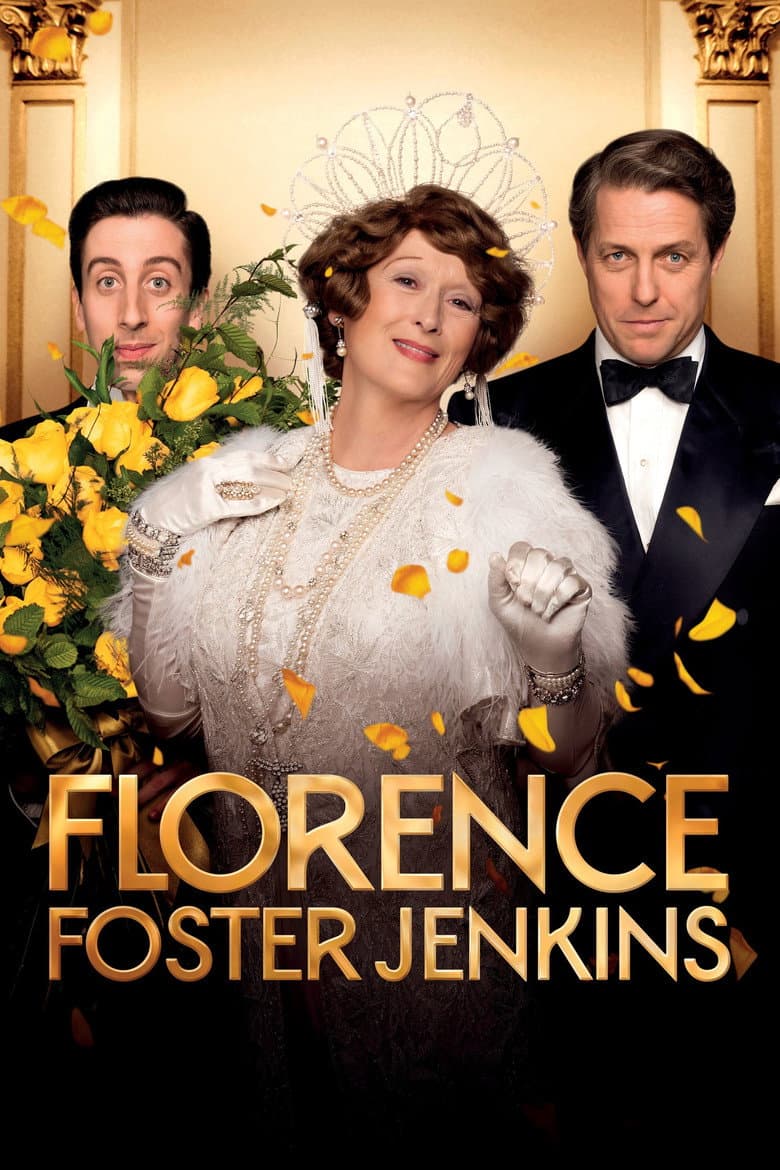
Movie · 2016
The story of Florence Foster Jenkins, a New York heiress, who dreamed of becoming an opera singer, despite having a terrible singing voice.
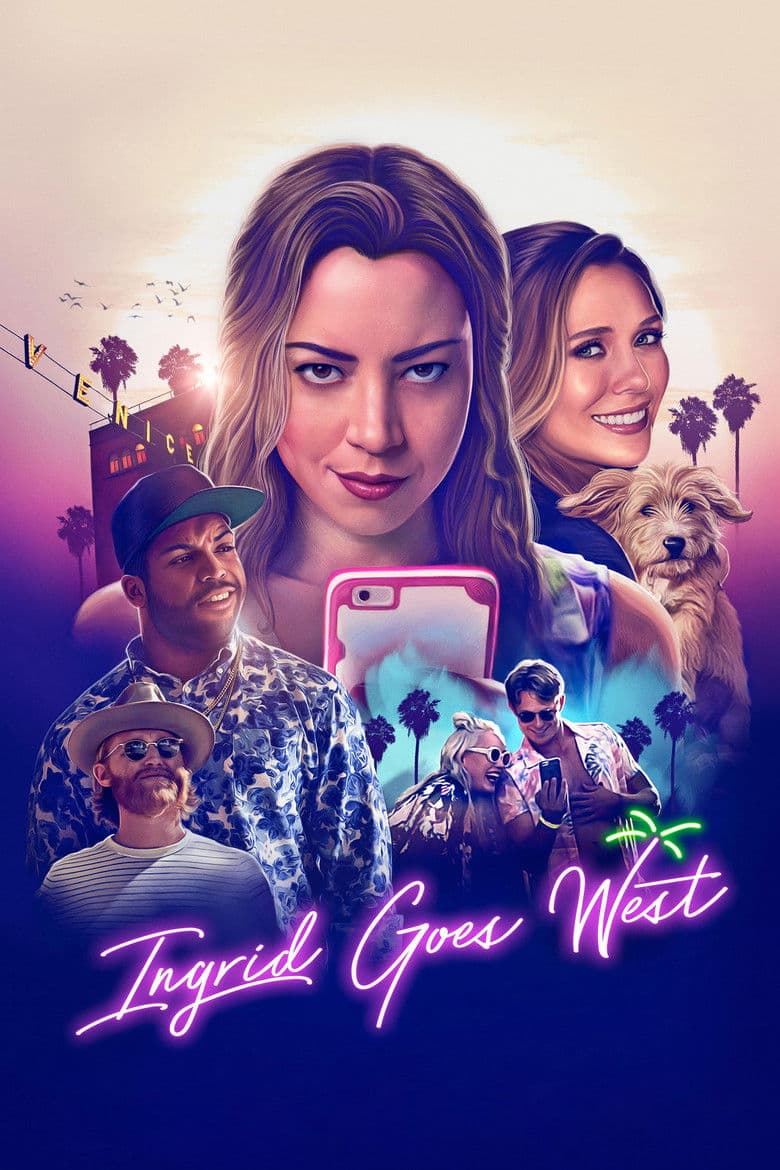
Movie · 2017
Ingrid becomes obsessed with a social network star named Taylor Sloane who seemingly has a perfect life. But when Ingrid decides to drop everything and move west to be Taylor's…
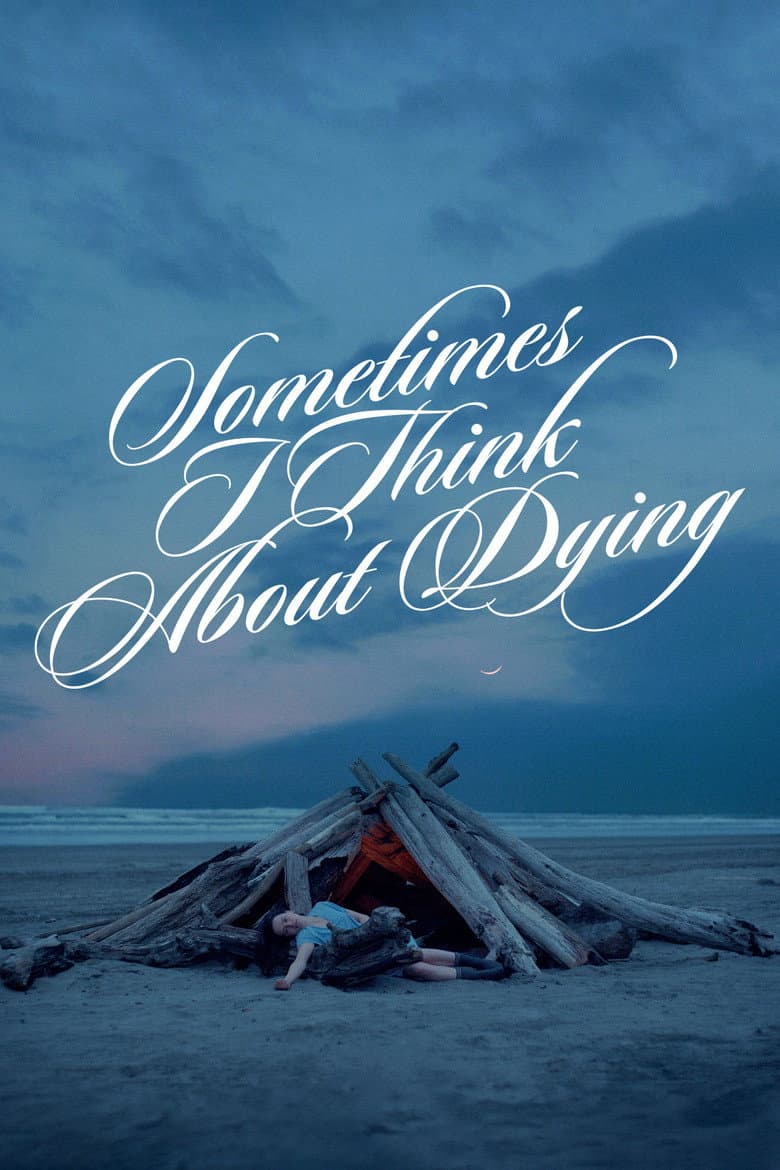
Movie · 2024
Fran likes to think about dying. It brings sensation to her quiet life. When she makes the new guy at work laugh, it leads to more: a date, a slice of pie, a conversation, a…
