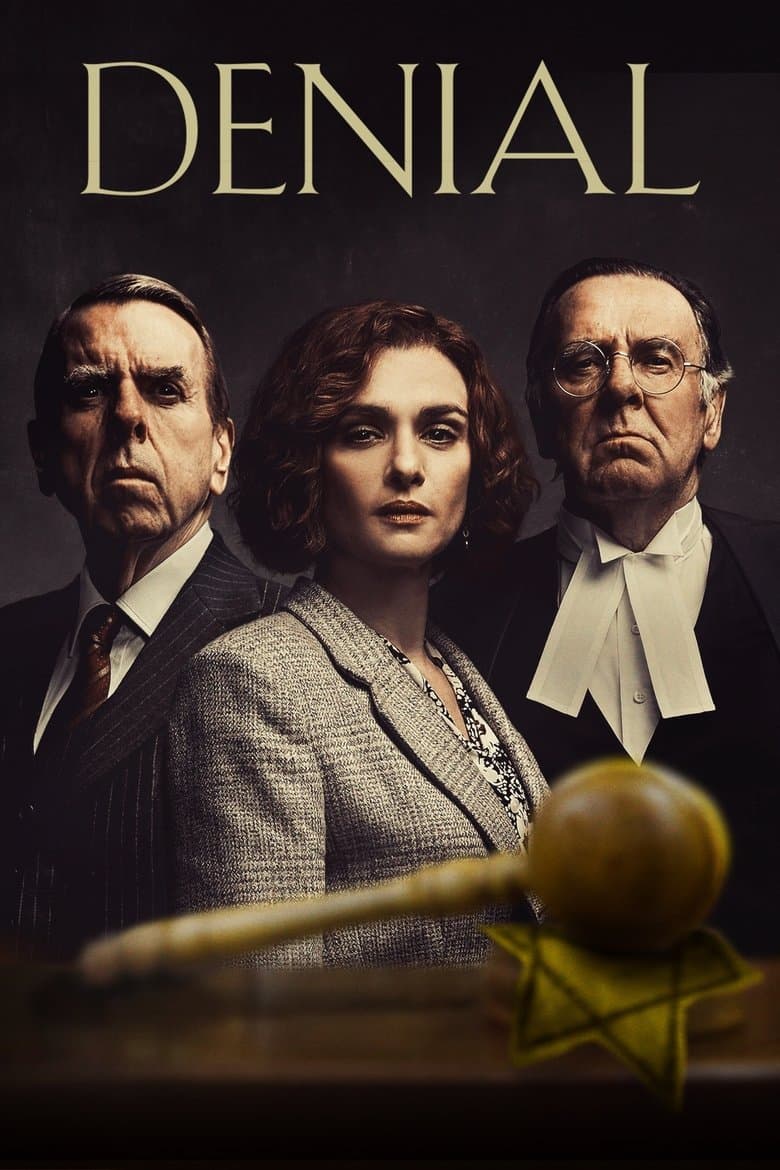
The film is a courtroom drama about historian Deborah Lipstadt. She faces a libel trial in the United Kingdom against Holocaust denier David Irving. The story follows real events from her book and the famous legal case. Lawyers present historical proof that the Holocaust happened. The court must decide whether Irving lied on purpose to spread false claims.
The movie mostly shows legal fights and hard facts, not modern identity politics. One line in the script links climate change to Holocaust truth as things that are simply real. Promo materials and press talk more about climate denial and a post-truth age than the story itself does. A secondary strand shows a woman scholar told to stay quiet in court as a legal plan. Viewers mainly see a prestige drama about beating a racist denier and defending historical truth.
Community feedback
Was our 27% Woke rating accurate?
Breakdown
These are the editorial factors and ratings behind our score for Denial.
Woke representation / casting
The main cast matches the real people from the trial. There are no race or gender swaps of historical figures. A small supporting role adds limited diversity without making identity the point of the story. Marketing lightly framed the female lead as a justice hero beyond simple casting fit.
10%
Woke political dialogue
Most talk is about court rules, proof, and legal plans. One clear modern line links melting icecaps to the fact of the Holocaust as things that are simply true. Claims about Irving’s racism and antisemitism come from the real trial rather than invented progressive slogans.
24%
Identity-driven story themes
The main theme is historical truth against Holocaust denial and libel law. Side strands cover a woman scholar kept silent in court as strategy and the denier’s proven hate. The film does not turn the Holocaust into a lecture on modern race or gender politics.
16%
Western institutional / cultural critique
Far-right denial and antisemitism are treated as the enemy. The British court backs truth rather than looking corrupt. Marketing and press fold denial into a wider culture of denial and age-of-unreason politics without attacking capitalism, Christianity, or family life as the engine of the story.
22%
Woke character or canon changes
Not relevant. The film dramatizes a real trial and memoir with ordinary compression and no identity-driven rewrites of the historical principals.
0%
Anti-woke backlash and complaints
Not present. No serious anti-woke or anti-DEI wave turned up in mainstream coverage. Attacks from Irving and denier circles are denialist hostility, not complaints that the film is too progressive.
0%
Creator track record context
Participant Media often backs progressive social-issue films. David Hare and Mick Jackson have left or socially themed records without a strong DEI identity focus on this title. Other producers show little activist profile.
32%
Production
Movie · 2016
On 15 January 2009, the world witnessed the 'Miracle on the Hudson' when Captain 'Sully' Sullenberger glided his disabled plane onto the Hudson River, saving the lives of all 155…
Movie · 2016
In a desolate war zone where screams of the innocent echo, on the very line between disaster and valor, 7 Maroon Berets will dance with death.

Movie · 2017
In 1950, amidst the ravages of the Korean War, Sergeant Süleyman stumbles upon a a half-frozen little girl, with no parents and no help in sight and he risks his own life to save…

Movie · 2022
Based on a true tragedy, the emotionally triggering film sheds light on the plight of Kashmiri Pandits (Hindus), a religious minority in the 1990s Kashmir valley, who were…
Movie · 2020
A man refuses all assistance from his daughter as he ages and, as he tries to make sense of his changing circumstances, he begins to doubt his loved ones, his own mind and even…
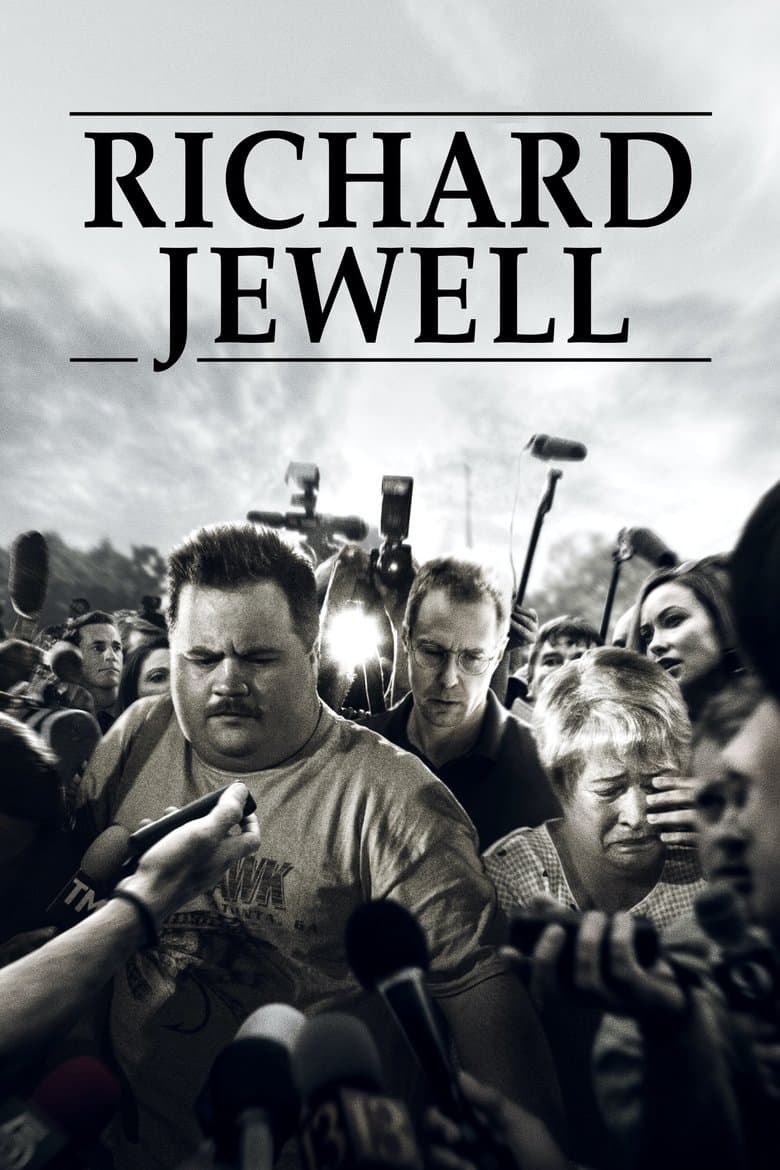
Movie · 2019
Richard Jewell thinks quick, works fast, and saves hundreds, perhaps thousands, of lives after a domestic terrorist plants several pipe bombs and they explode during a concert…
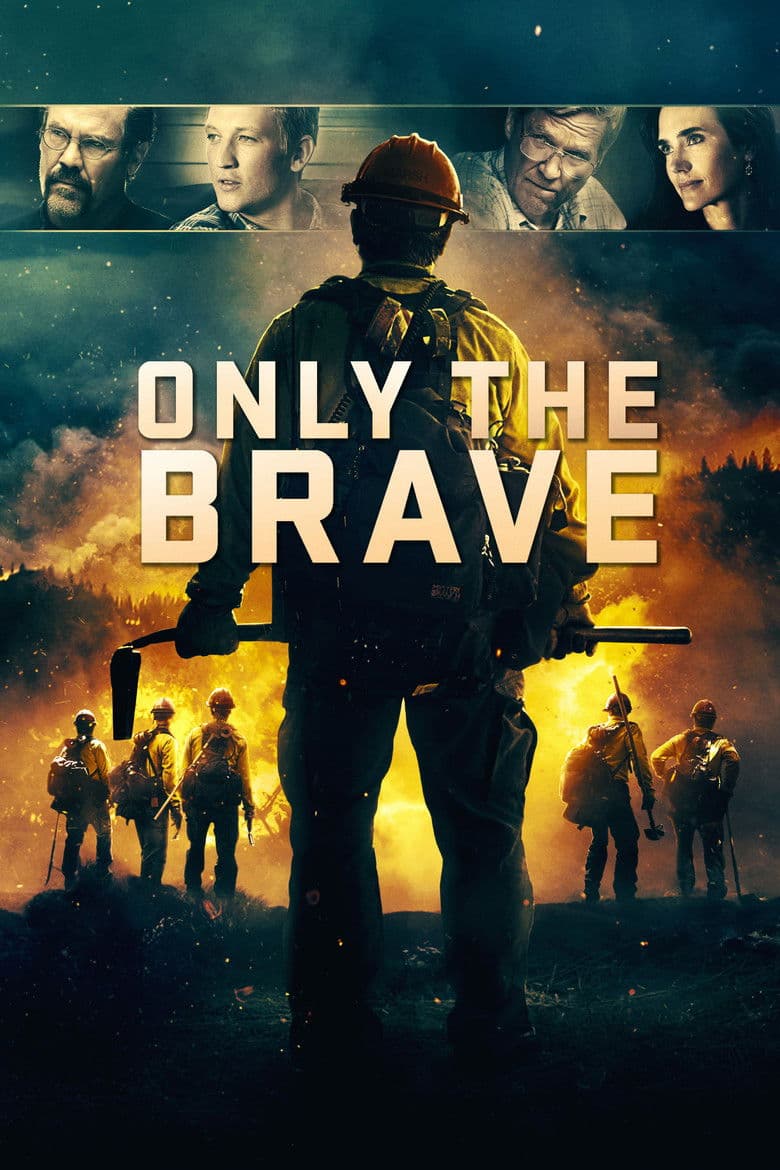
Movie · 2017
Members of the Granite Mountain Hotshots battle deadly wildfires to save an Arizona town.

Movie · 2016
After his older brother passes away, Lee Chandler is forced to return home to care for his 16-year-old nephew.
