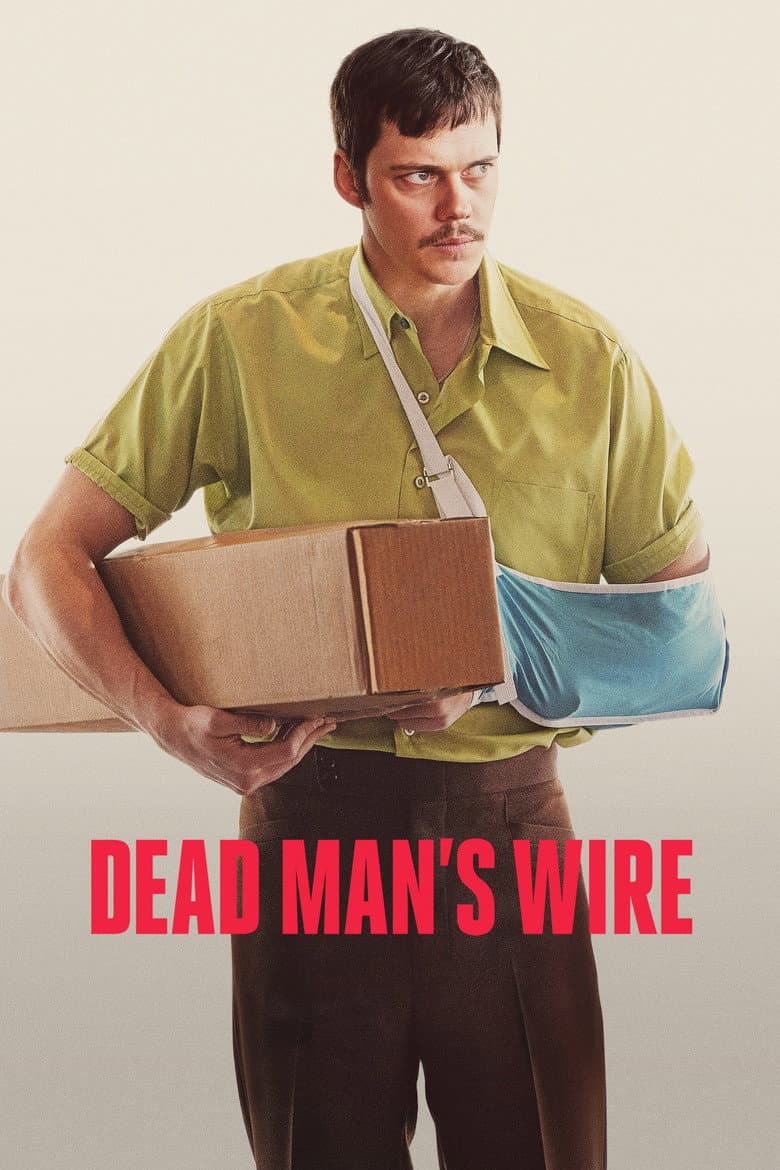
In 1977, real estate developer Tony Kiritsis takes mortgage banker Richard Hall hostage by wiring a sawed-off shotgun from the trigger to his own neck. He demands millions and a public apology after claiming the bank ruined his land deal. The film follows the 63-hour standoff, media frenzy, and negotiations in a tense true-crime thriller style. It features black actors in noticeable supporting roles, including a reimagined radio host character, and shows banks as predatory forces hurting ordinary people.
Community feedback
Was our 45% Woke rating accurate?
Breakdown
These are the editorial factors and ratings behind our score for Dead Man's Wire.
Woke representation / casting
Clear audience-visible diversity casting with black performers in supporting but noticeable roles, including Colman Domingo as the central radio host (changed from real white historical figure to fictional black character) and Myha'la as a TV reporter in a 1977 story.
32%
Woke political dialogue
Little to none; the dialogue stays focused on the hostage situation, personal demands for apology, and media interactions without modern identity or activist lectures.
0%
Identity-driven story themes
The story emphasizes one man's economic grievance against a mortgage company rather than themes of race, gender, or group identity; any broader "system" critique stays tied to the specific 1977 events.
5%
Western institutional / cultural critique
Portrays predatory banking practices and corporate indifference harming individuals, with reviews noting class tensions and anti-capitalist elements drawn from the real case; not framed through contemporary identity politics lenses.
25%
Woke character or canon changes
Notable changes include reimagining the real white radio newsman Fred Heckman as black radio personality Fred Temple played by Colman Domingo, plus introducing a black female reporter character; these appear deliberate for diversity in a historical setting.
30%
Anti-woke backlash and complaints
Some online commentators and social media posts criticize the film for race-swapped casting of the radio host and for emphasizing anti-corporate or anti-capitalist themes as agenda-driven messaging.
28%
Creator track record context
Gus Van Sant brings a well-known history of queer cinema and marginalized stories; supporting creatives show minimal patterns, though one producer has supported gender parity initiatives in Hollywood.
52%
Production
Movie · 2020
In Knockemstiff, Ohio and its neighboring backwoods, sinister characters converge around young Arvin Russell as he fights the evil forces that threaten him and his family.
Movie · 2024
While awaiting the next fuel truck at a middle-of-nowhere Arizona rest stop, a traveling young knife salesman is thrust into a high-stakes hostage situation by the arrival of two…
Movie · 2021
When the aging Meyer Lansky is investigated one last time by the Feds who suspect he has stashed away millions of dollars over half a century, the retired gangster spins a…
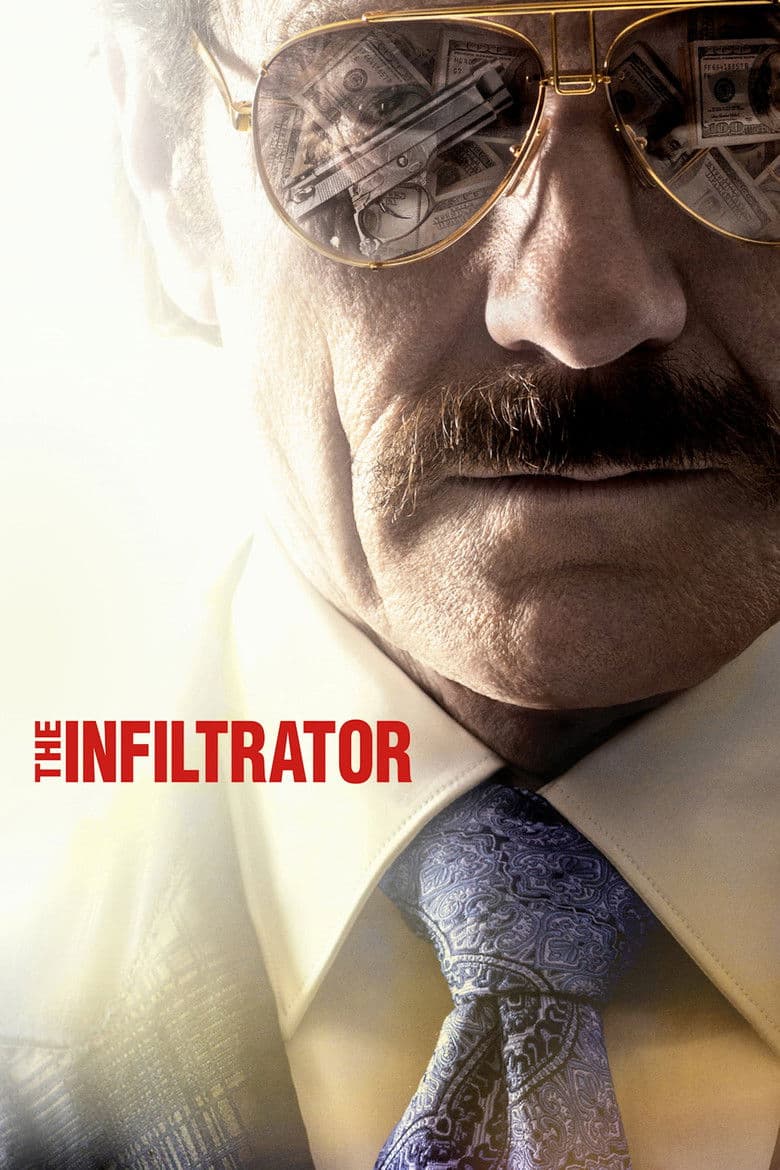
Movie · 2016
A U.S Customs official uncovers a massive money laundering scheme involving Pablo Escobar.
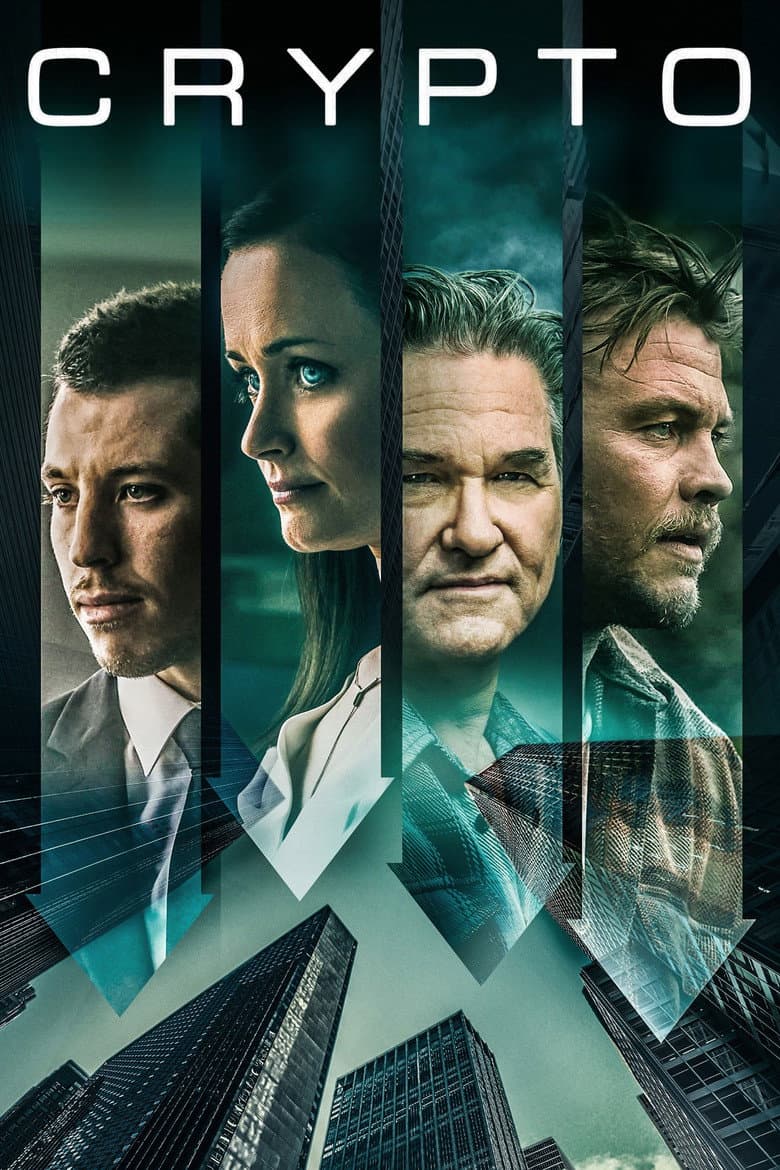
Movie · 2019
A young agent is tasked with investigating a tangled web of corruption and fraud in New York.
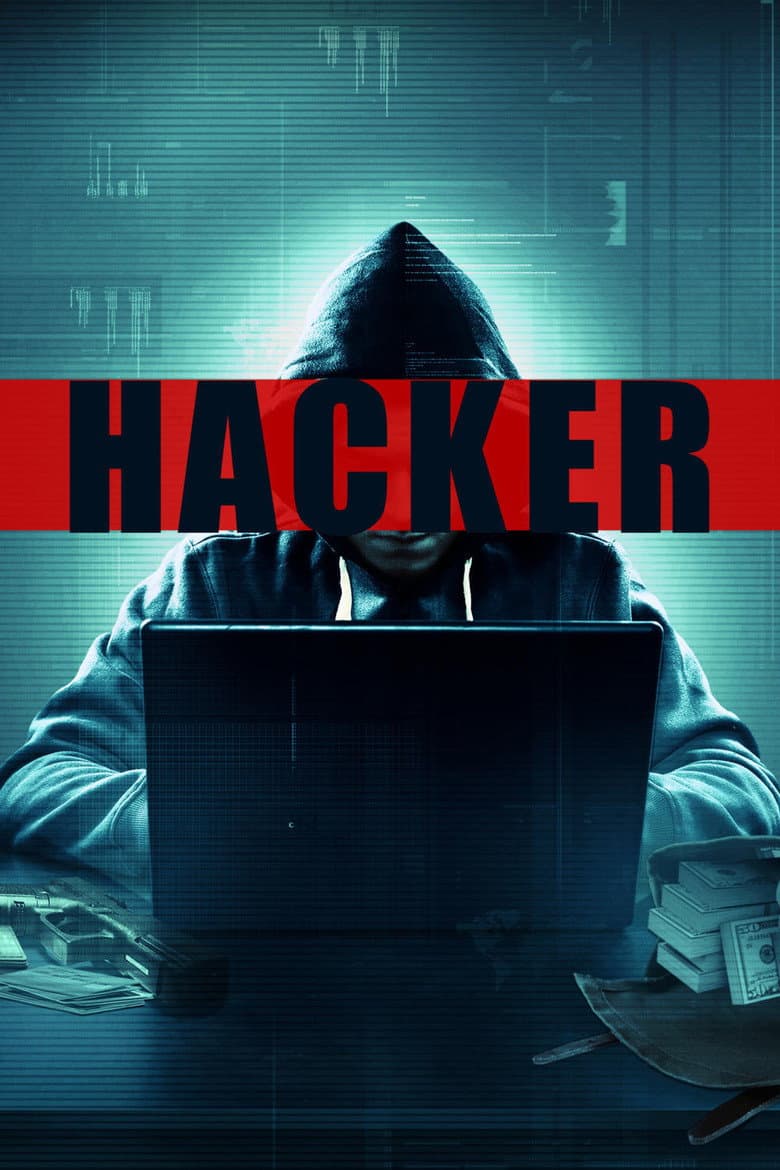
Movie · 2016
Alex, an immigrant from Ukraine comes to Canada and becomes involved with an online criminal organization called Darkweb.
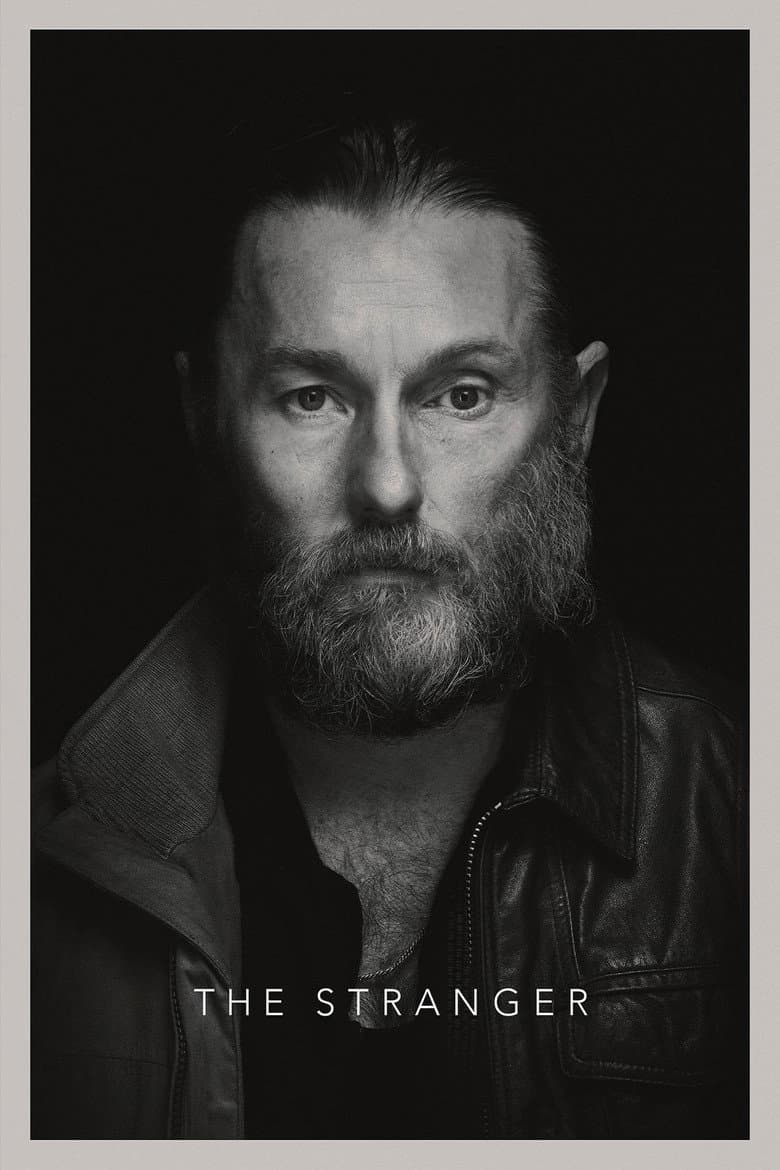
Movie · 2022
Two strangers strike up a conversation on a long journey. However, neither is who they appear to be, each carry secrets that threaten to ruin them — and in the background, one of…
Movie · 2016
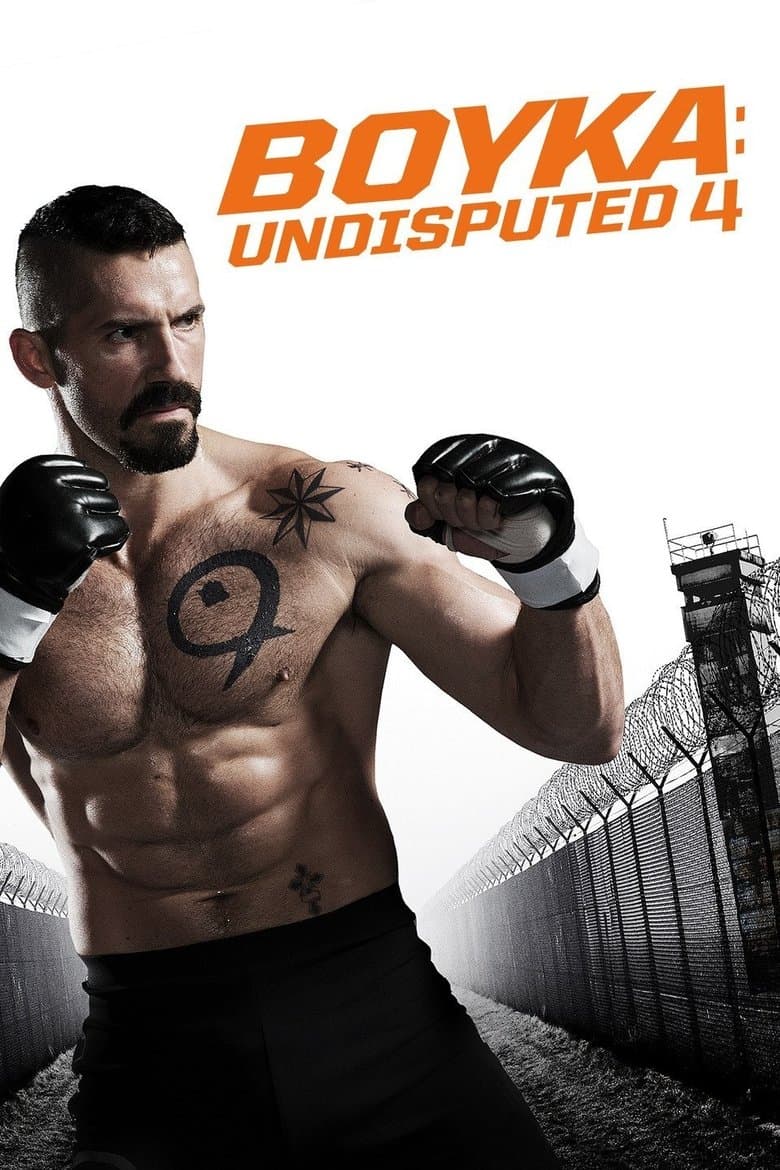
In the fourth installment of the fighting franchise, Boyka is shooting for the big leagues when an accidental death in the ring makes him question everything he stands for.
