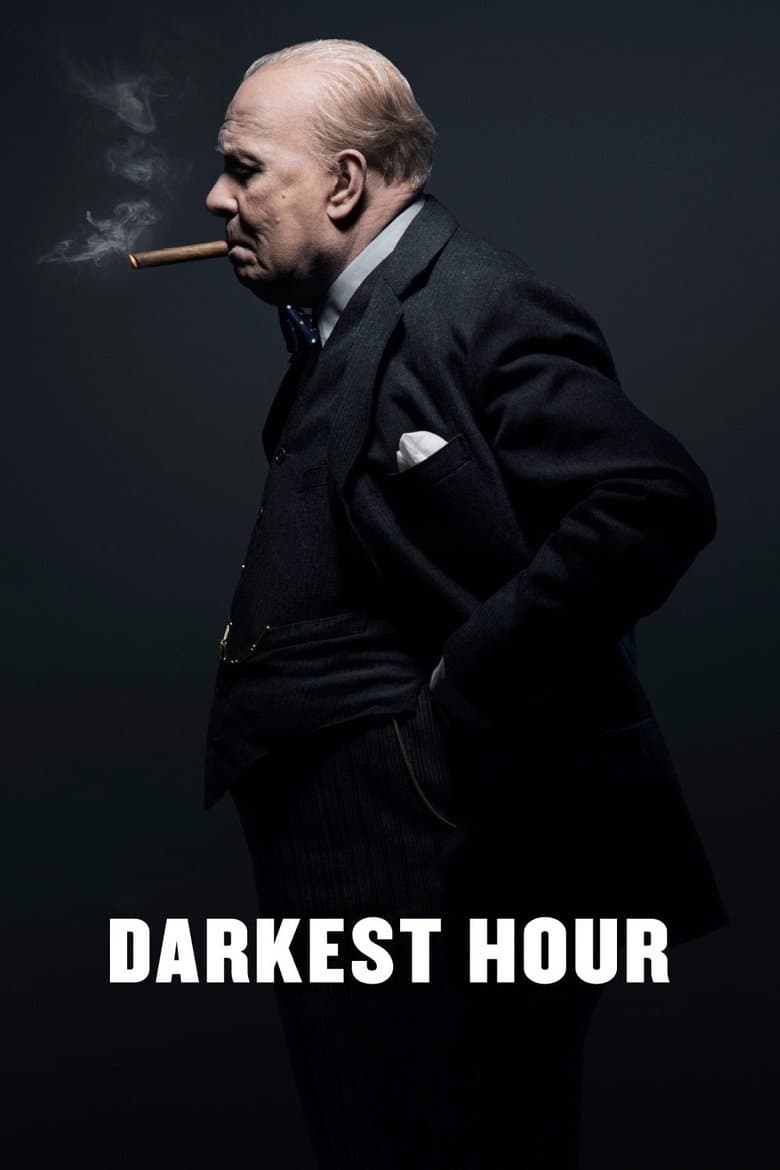
Darkest Hour is a May 1940 biopic of Winston Churchill’s first weeks as prime minister. Britain must choose to resist Nazi Germany or open peace talks through Italy. The story is set against Dunkirk and a divided War Cabinet. The film follows leadership under crisis, personal doubt, and the choice to fight on.
Audience-visible progressive content is light and mostly limited to one invented Underground ride. In that scene Churchill meets a broad social mix that includes a West Indian passenger named Marcus, who is framed as part of “the people,” plus a brief interracial-dating allusion. Speech and debate stay in period terms of appeasement versus fighting on. The story does not run on race, gender, or queer identity, and it largely affirms British resolve rather than attacking Western institutions.
Community feedback
Was our 17% Woke rating accurate?
Breakdown
These are the editorial factors and ratings behind our score for Darkest Hour.
Woke representation / casting
Nearly all major roles match 1940 British political and royal life; the main identity beat is the fictional Tube crowd’s intentional diversity insert including Marcus, not identity-led hero casting.
15%
Woke political dialogue
Not present. Speech and debate stay in period on appeasement, fighting on, War Cabinet tactics, and oratory with no modern DEI or identity-politics talking points.
0%
Identity-driven story themes
Spine is crisis leadership and refusal to surrender; Tube multi-class multi-ethnic “people’s Britain” gloss is brief, not a dominant identity arc.
15%
Western institutional / cultural critique
Not present. Conflict is Nazi conquest and negotiation-minded Conservatives; film largely affirms British resolve and Churchill’s stand.
0%
Woke character or canon changes
Not relevant. Biopic license only; no race or gender swaps of historical figures; Marcus is an original passenger in a fictional scene.
0%
Anti-woke backlash and complaints
No sustained mainstream anti-woke campaign; scattered anachronism or PC notes on the Tube scene; loud left criticism does not count here.
10%
Creator track record context
Wright progressive leanings and humanizing flawed figures; McCarten mild; interviews for this title stressed craft and flawed Churchill, not DEI.
22%
Production
Movie · 2017
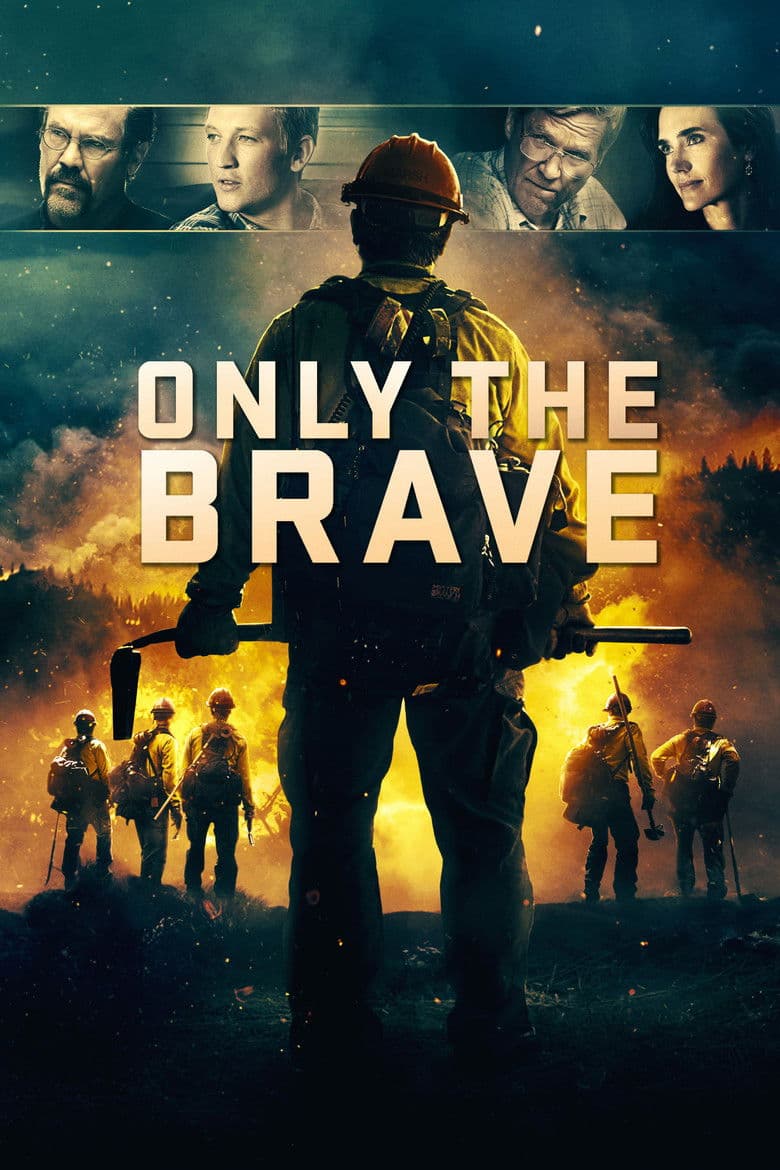
Members of the Granite Mountain Hotshots battle deadly wildfires to save an Arizona town.
Movie · 2016
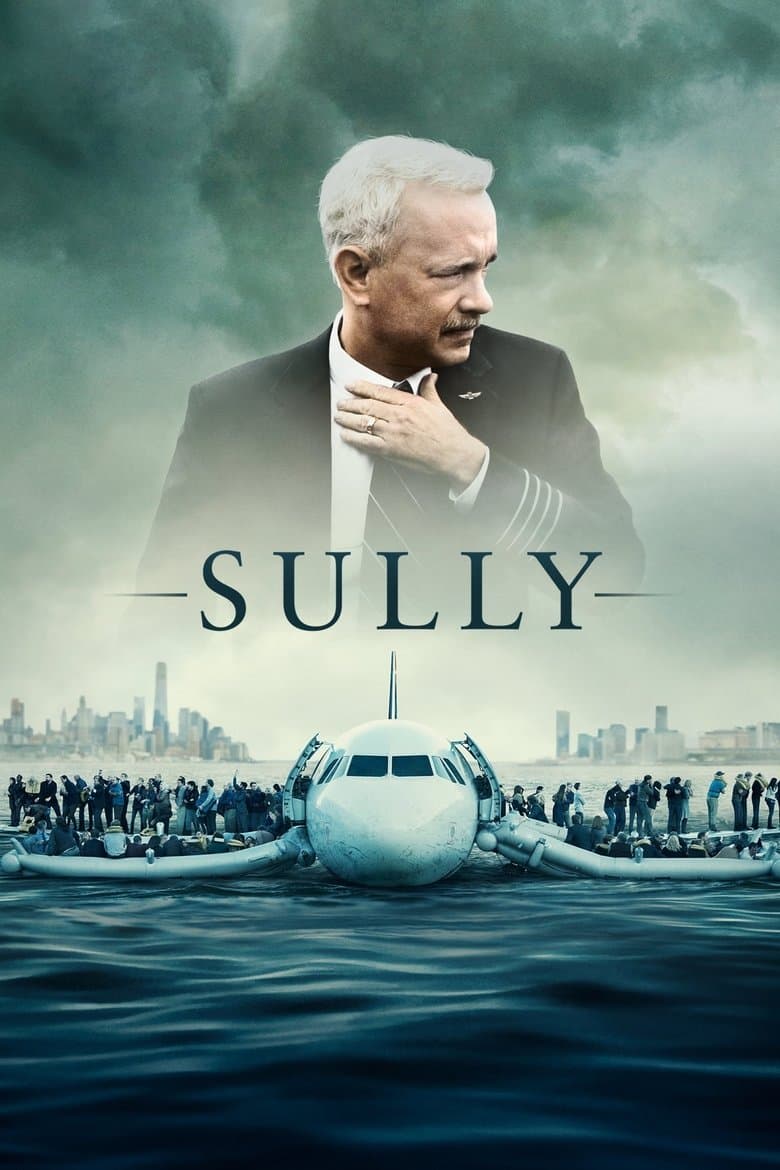
On 15 January 2009, the world witnessed the 'Miracle on the Hudson' when Captain 'Sully' Sullenberger glided his disabled plane onto the Hudson River, saving the lives of all 155…
Movie · 2022
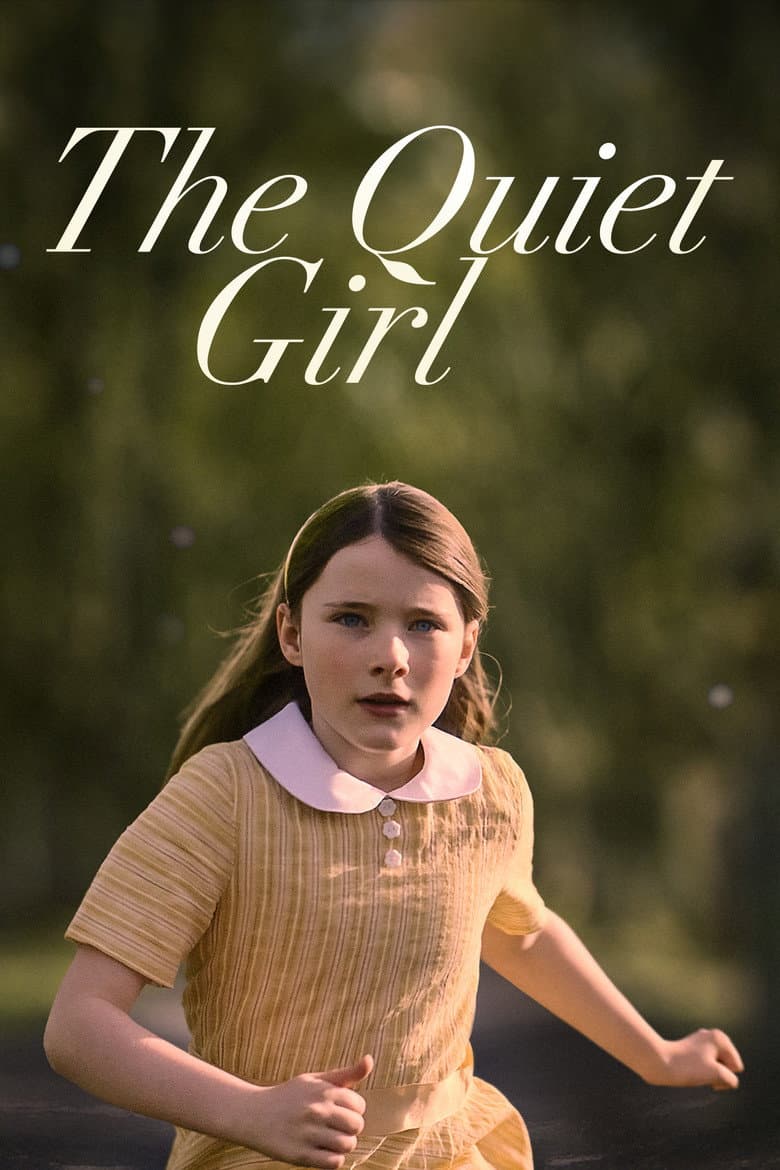
A quiet, neglected girl is sent away from her dysfunctional family to live with relatives for the summer. She blossoms in their care, but in this house where there are meant to be…
Movie · 2020
A man refuses all assistance from his daughter as he ages and, as he tries to make sense of his changing circumstances, he begins to doubt his loved ones, his own mind and even…
Movie · 2022
London, 1953. Mr. Williams, a veteran civil servant, is an important cog within the city's bureaucracy as it struggles to rebuild in the aftermath of World War II.
Movie · 2023
American ballet dancer Joy Womack is accepted into Moscow's infamously tough Bolshoi Ballet Academy, with the dream of becoming a great ballerina.
Movie · 2022
Based on a true tragedy, the emotionally triggering film sheds light on the plight of Kashmiri Pandits (Hindus), a religious minority in the 1990s Kashmir valley, who were…
Movie · 2017
In 1950, amidst the ravages of the Korean War, Sergeant Süleyman stumbles upon a a half-frozen little girl, with no parents and no help in sight and he risks his own life to save…
