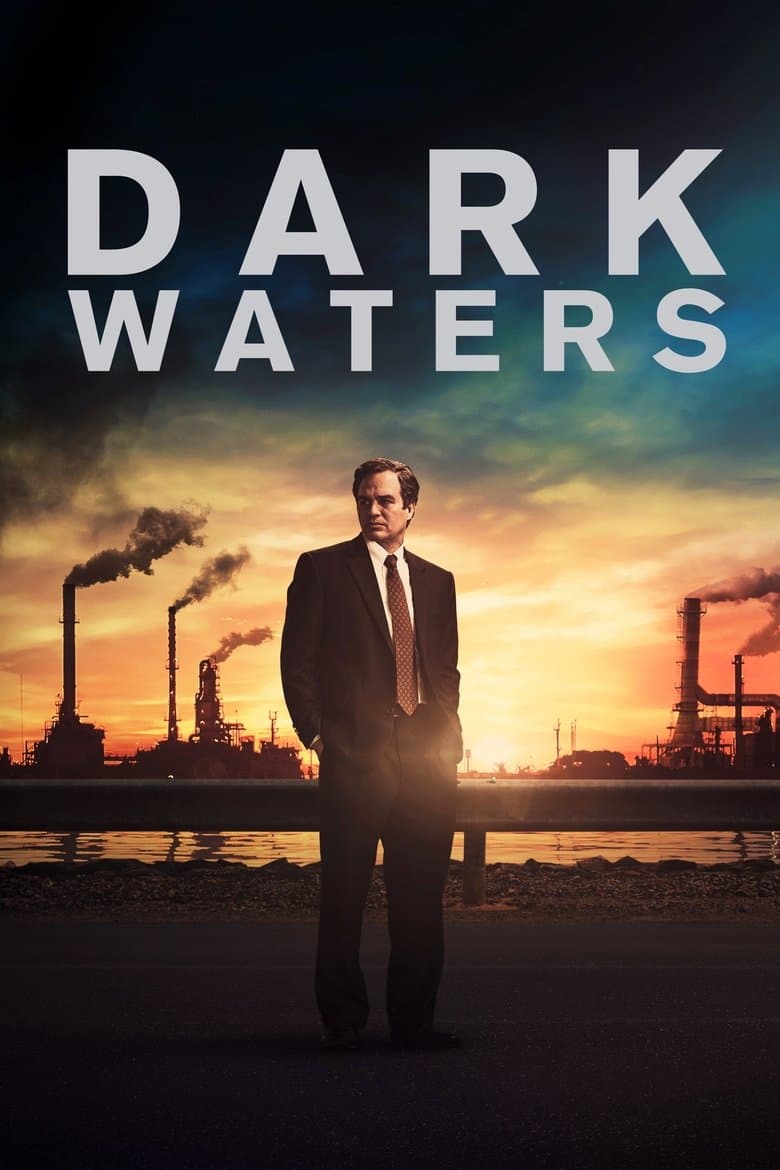
A corporate defense lawyer named Rob Bilott is pulled into a West Virginia farmer’s claim that a DuPont plant is killing cattle and making people sick. Discovery shows the company long knew about PFOA, a “forever chemical” used in Teflon. Waste dumping, cancers, birth defects, a class-action fight, a multi-year science panel, and large settlements follow. The story is a classic legal thriller about one stubborn lawyer against a powerful firm. Family and career strain and company-town pressure shape the conflict.
The film does not center race, gender, or LGBTQ identity arcs. There are no identity-swapped historical figures and no LGBTQ characters or subplots. What audiences see most is corporate pollution, public health harm, and whistleblowing. The movie also critiques DuPont, weak regulation, and corporate control of a company town. That critique is about power and cover-ups more than modern identity politics.
Community feedback
Was our 38% Woke rating accurate?
Breakdown
These are the editorial factors and ratings behind our score for Dark Waters.
Woke representation / casting
The main cast fits a Cincinnati firm and a Parkersburg company-town story. One black supporting lawyer appears among ordinary professional women. The movie does not sell firsts, quota friend groups, or casting as a statement about identity.
12%
Woke political dialogue
Characters talk about legal discovery, toxic chemicals, settlements, and cover-ups. There is a progressive tone about holding polluters to account. That tone stays behind the case work instead of identity-politics speeches.
18%
Identity-driven story themes
The plot is driven by corporate pollution, public health, and whistleblowing. Race, gender, and queer identity arcs are not the engine. Environmental justice shows up in a mild classic progressive way, not as a modern identity ranking story.
14%
Western institutional / cultural critique
The film keeps up a clear critique of DuPont, weak regulators, and a company town under corporate sway. Progressive viewers can hear this as anti-corporate messaging. It is not cast as toxic masculinity, colonial guilt, anti-Christianity, or a present-day identity culture war.
36%
Woke character or canon changes
Not relevant. The film dramatizes a documented real case without identity-driven rewriting of people or history.
0%
Anti-woke backlash and complaints
There was no lasting right-leaning campaign saying the movie pushes woke, DEI, or identity politics. Criticism is thin personal digs at Ruffalo plus DuPont’s factual pushback. That is not a real anti-woke content fight over the film.
5%
Creator track record context
Key creatives bring progressive and high-identity film histories, including Haynes, Vachon, Koffler, Participant, and Ruffalo’s activism. Writers lean milder liberal and environmental. That bench is strong, but here it serves a corporate pollution thriller, not a queer or DEI-centered story.
56%
Production
Movie · 2025
Seasoned deep-sea divers battle the raging elements to rescue their crewmate trapped hundreds of feet below the ocean's surface.

Movie · 2022
Based on the true nail-biting mission that captivated the world. Twelve boys and the coach of a Thai soccer team explore the Tham Luang cave when an unexpected rainstorm traps…
Movie · 2018
After David Kim's 16-year-old daughter goes missing, a local investigation is opened and a detective is assigned to the case.
Movie · 2016
While surfing on a secluded beach, Nancy finds herself in the feeding grounds of a great white shark. Though stranded only 200 yards from shore, survival proves to be the ultimate…
Movie · 2024
While serving as a juror in a high profile murder trial, family man Justin Kemp finds himself struggling with a serious moral dilemma…one he could use to sway the jury verdict and…

Movie · 2016
When Krisha returns to her estranged family for Thanksgiving dinner, past demons threaten to ruin the festivities.

Movie · 2025
A broker of lucrative payoffs between corrupt corporations and the individuals who threaten them breaks his own rules when a new client seeks his protection to stay alive.
Movie · 2021
A head chef balances multiple personal and professional crises at a popular restaurant in London.
