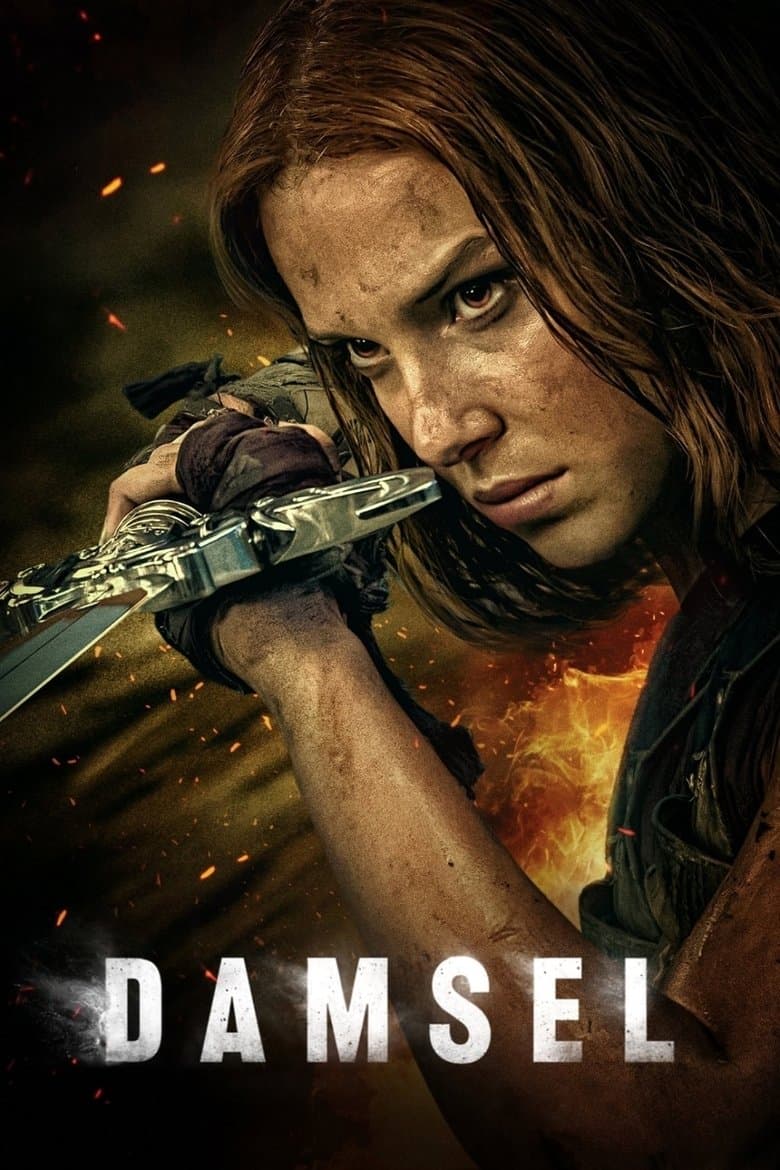
Elodie is a poor young woman who agrees to marry Prince Henry of rich Aurea so her people can survive. The royal family then throws her into a dragon mountain as a blood sacrifice. She lives by using her wits and strength. She learns the royal deal with the dragon and turns the dragon against the palace. The movie flips the old damsel in distress fairy tale into a story where a girl saves herself and takes revenge.
The film puts girl power and female freedom at the front of the story. Elodie refuses to wait for a knight and fights on her own while men fail or betray her. Supporting casting is mixed by race in a European style fantasy world, and some talk stresses choice over marriage and male rescue. There is no LGBTQ storyline. The main human villain is a queen, so the target is corrupt royalty and the damsel myth more than a simple attack on all men.
Community feedback
Was our 66% Woke rating accurate?
Breakdown
These are the editorial factors and ratings behind our score for Damsel.
Woke representation / casting
Angela Bassett plays Elodie’s stepmother opposite Ray Winstone in a clear interracial marriage the story never explains. The cast mixes White, Black, and Asian heritage in a European-style fantasy world where race is mostly ignored. Variety called the inclusive casting part of a progressive package. The white lead is not a diversity pick and there is no queer casting, so this is a supporting-role pattern rather than full-cast identity engineering.
38%
Woke political dialogue
The talk pushes female freedom over marriage, duty, and male rescue. Elodie says she is through doing what she is told, and early voiceover says this is not a tale where a knight saves the princess. Variety noted sometimes self-righteous dialogue tied to a progressive agenda. It is empowerment talk, not dense modern race, queer, or DEI slogans.
40%
Identity-driven story themes
The whole premise is a feminist rewrite of the damsel myth. Elodie chops wood, maps mazes, outthinks the cave, and men fail or betray her while she teams with the female dragon against the royal order. Many critics called it surface-level girl power and a feminist fairy-tale retelling. Gender empowerment is front and center and hard to miss, and there is no LGBTQ storyline.
66%
Western institutional / cultural critique
Arranged marriage and royal tradition are shown as a sacrificial scam. Male protectors are weak, complicit, or useless, and classic fairy-tale gender roles are flipped. The main human villain is Queen Isabelle, so it is not a pure men-are-bad story. Fantasy tyranny alone would score lower, but the modern empowerment frame against traditional gender and fairy-tale order makes the critique noticeable.
48%
Woke character or canon changes
Not relevant. Original screenplay by Dan Mazeau, not an identity rewrite of a named legacy character, franchise canon, or historical figure.
0%
Anti-woke backlash and complaints
There was real but mid-level anti-woke pushback. Not the Bee called it feminist poison and a girlboss allegory, and YouTube essays and social posts attacked girlboss feminism, progressive casting, and woke Netflix fantasy. It was not a huge culture-war scandal like major franchise swaps, but the girlboss and woke charge is documented. Complaints that the lead was not diverse enough are pro-representation critiques and do not count here.
42%
Creator track record context
Cached creative scores are low for director Juan Carlos Fresnadillo, writer Dan Mazeau, the producers, and the casting directors. There is no clear pattern of identity-first activism among key creatives. Their prior work is mainstream genre, action, and fantasy.
12%
Production
Movie · 2023
Black Manta seeks revenge on Aquaman for his father's death. Wielding the Black Trident's power, he becomes a formidable foe.
Movie · 2001
Young hobbit Frodo Baggins, after inheriting a mysterious ring from his uncle Bilbo, must leave his home in order to keep it from falling into the hands of its evil creator.
Movie · 2017
Four teenagers in detention discover an old video game console with a game they’ve never heard of. When they decide to play, they are immediately sucked into the jungle world of…
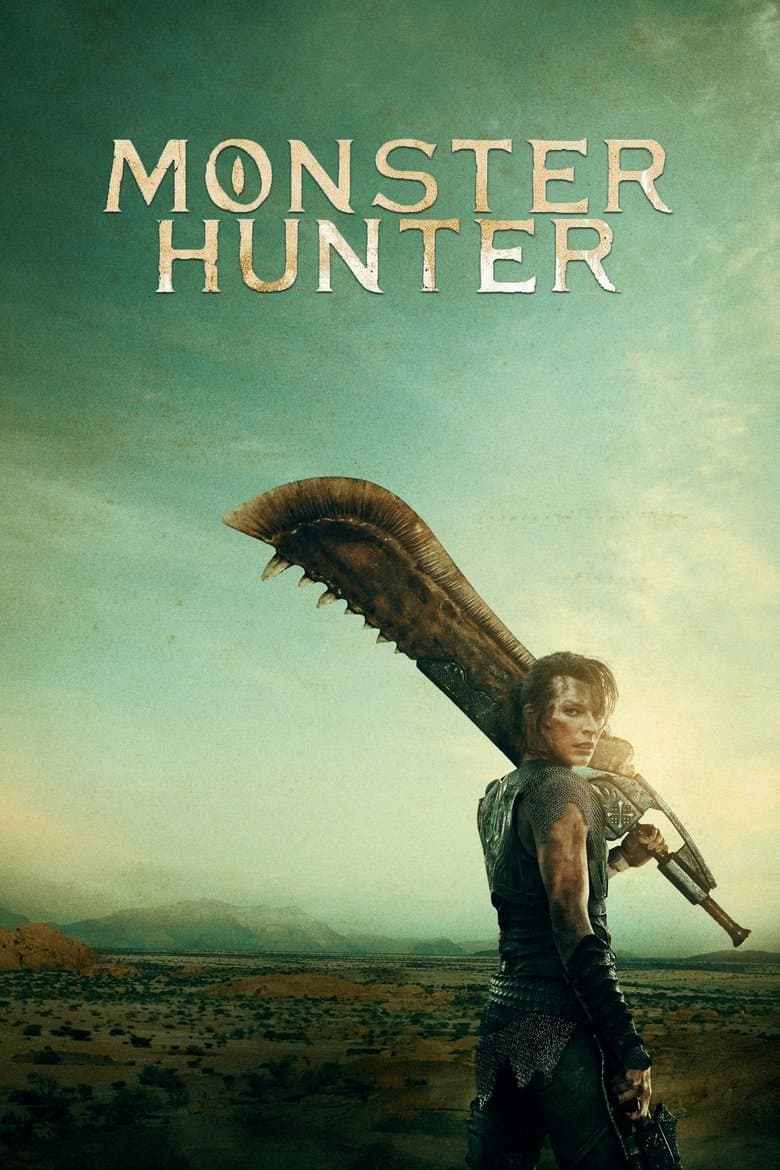
Movie · 2020
A portal transports Cpt. Artemis and an elite unit of soldiers to a strange world where powerful monsters rule with deadly ferocity.
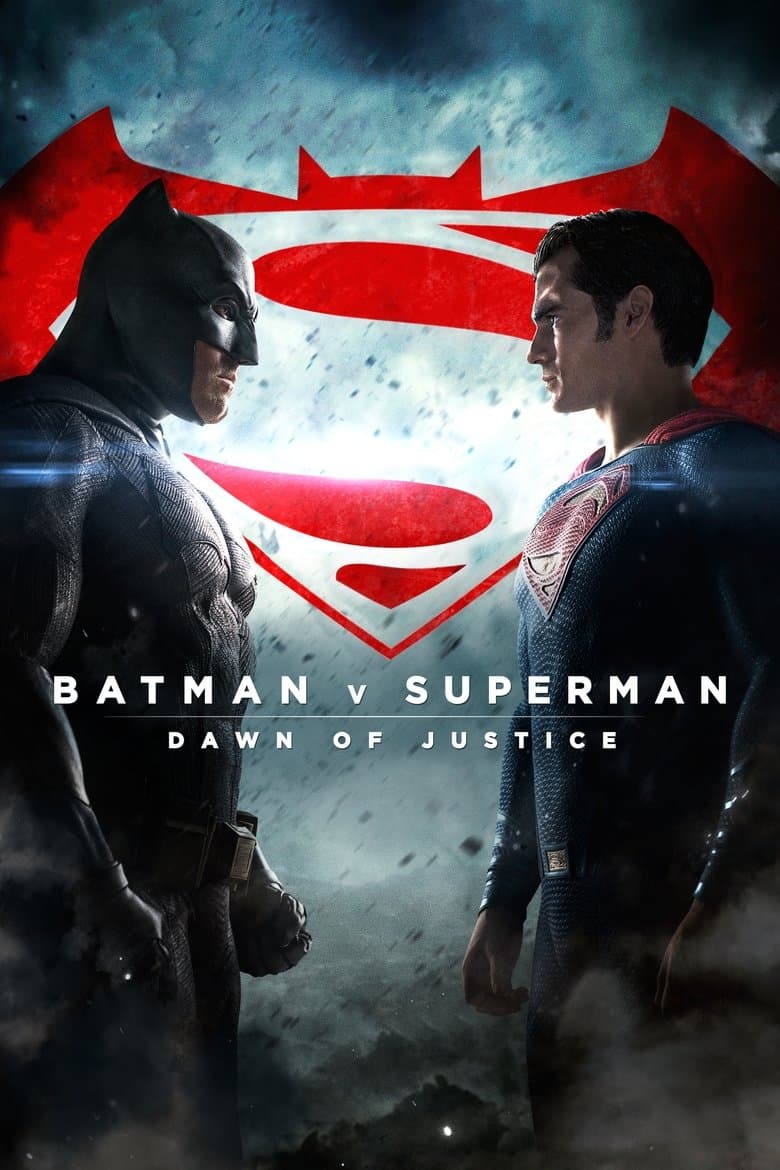
Movie · 2016
Fearing the actions of a god-like Super Hero left unchecked, Gotham City’s own formidable, forceful vigilante takes on Metropolis’s most revered, modern-day savior, while the…
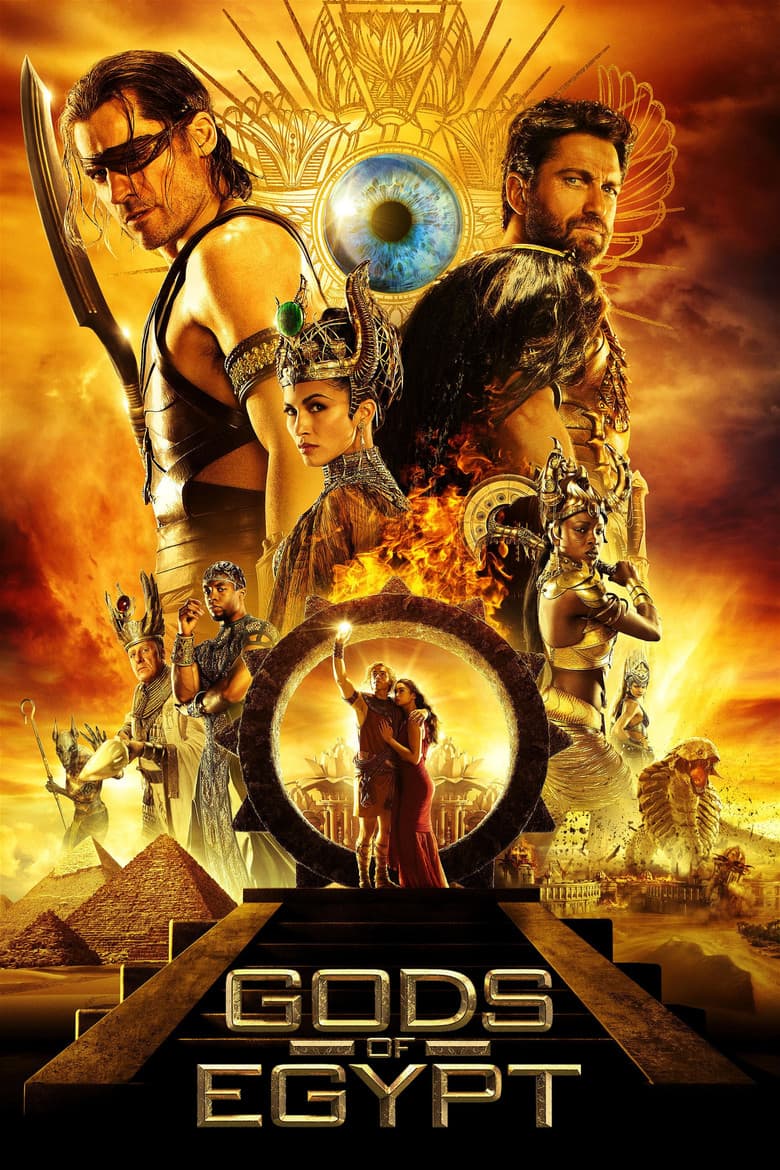
Movie · 2016
A common thief joins a mythical god on a quest through Egypt.
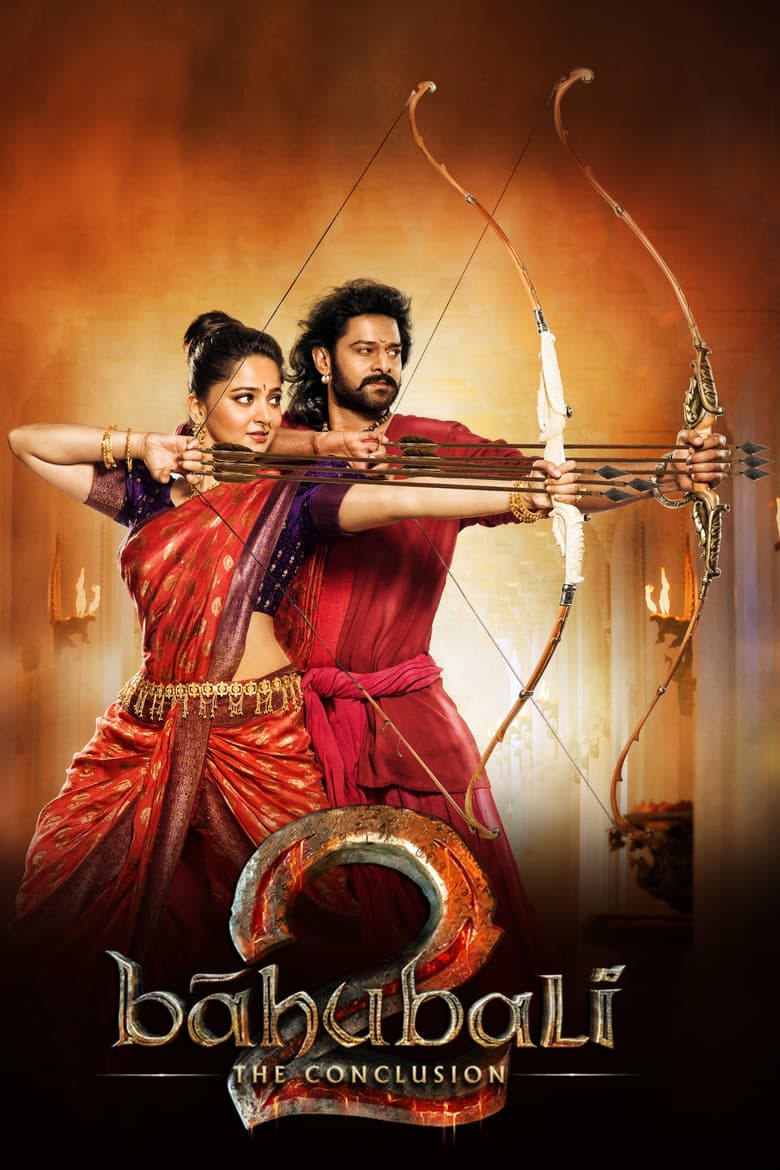
Movie · 2017
When Mahendra, the son of Bāhubali, learns about his heritage, he begins to look for answers. His story is juxtaposed with past events that unfolded in the Mahishmati Kingdom.
Movie · 2016
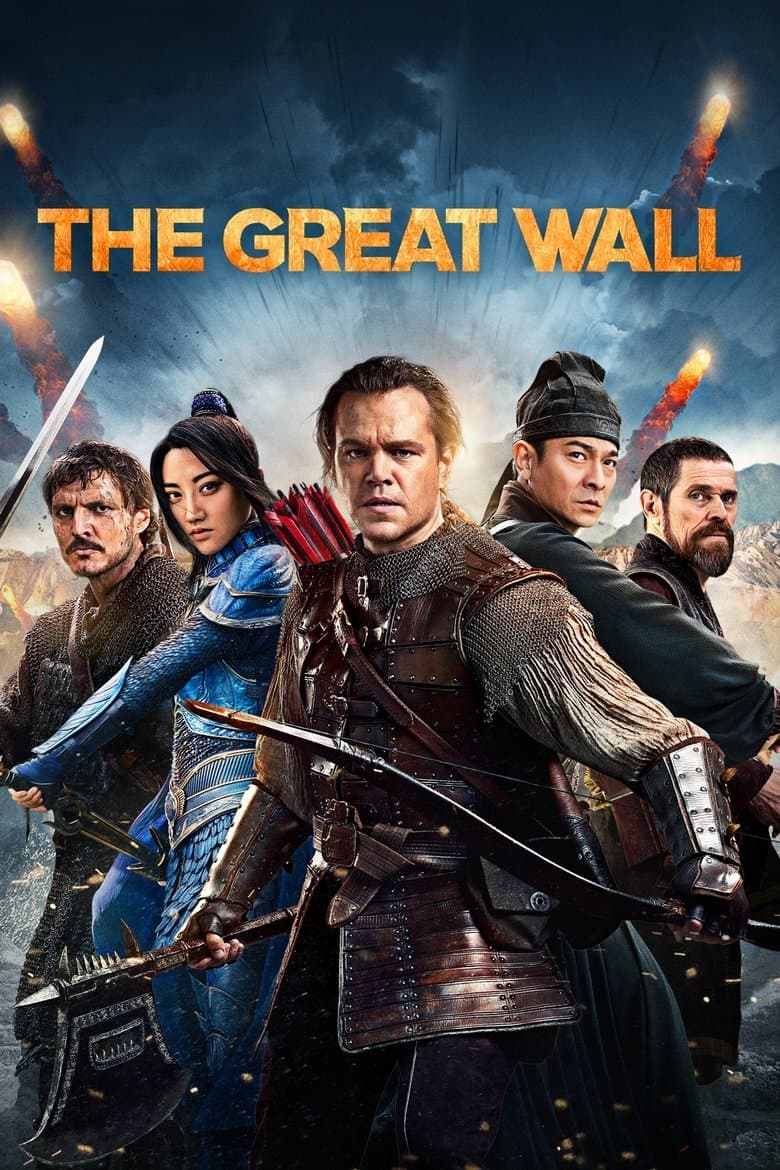
European mercenaries searching for black powder become embroiled in the defense of the Great Wall of China against a horde of monstrous creatures.
