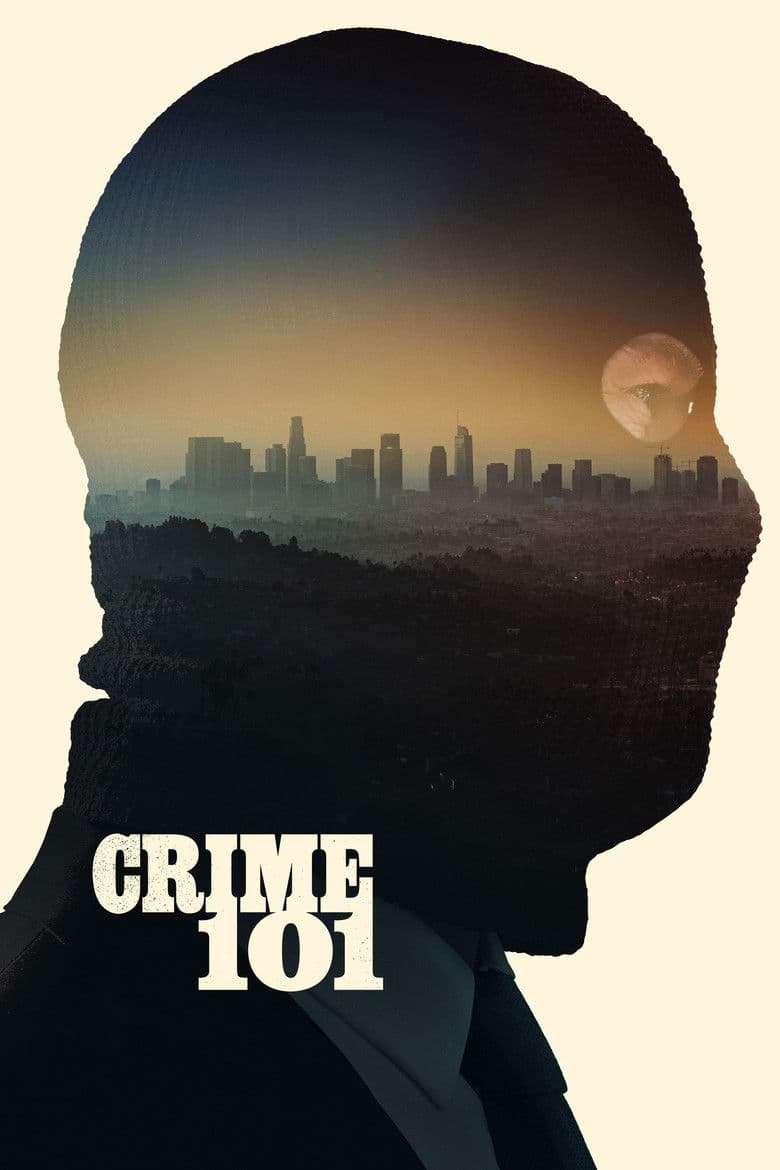
Crime 101 follows Mike Davis, a careful jewel thief who wants one last job before leaving crime behind. He steals from rich clients along California’s Highway 101 and avoids hurting people. Detective Lou Lubesnick sees a pattern in the robberies, but his bosses care more about arrest numbers than his theory. The chase brings Mike, Lou, and insurance broker Sharon Colvin into the same dangerous diamond job, creating a slow, tense Los Angeles crime drama.
Sharon gives the film its clearest woke material. Her male bosses keep delaying her promotion, and one tells her that being 53 hurts her value to wealthy male clients. Her anger over age and sex discrimination helps push her into the robbery, while the film also questions corporate insurance, police targets, and rich people who avoid taxes. These ideas matter to a major subplot, but the movie remains mainly a heist story about crime and the hope of starting over.
Community feedback
Was our 41% Woke rating accurate?
Breakdown
These are the editorial factors and ratings behind our score for Crime 101.
Woke representation / casting
Halle Berry plays a prominent black female co-lead as a skilled insurance broker. Corey Hawkins also has a visible role as Lou’s black police partner. The two choices create a clear audience-visible diversity signal in the main cast, even though both roles fit a modern Los Angeles setting. The film does not market this as a diversity campaign, so the casting score stays mild.
20%
Woke political dialogue
The boss tells Sharon that 53 is a bad number for a woman because wealthy clients want something else. Sharon then says the firm uses her to attract rich clients but does not value her work. The film also shows Lou’s bosses pushing arrest numbers over careful police work. These are direct social comments, but they appear in a few scenes inside a larger crime plot.
29%
Identity-driven story themes
Sharon’s main personal crisis comes from being a 53-year-old woman who has been denied a partnership by older male bosses. The film shows a younger colleague being favored while Sharon is treated as less useful. Sharon’s anger helps cause her choice to join Mike’s robbery and later leave the company. This gives the film a meaningful gender and age theme, but it remains one major strand of a wider heist story.
35%
Western institutional / cultural critique
The insurance firm is shown as an old boys’ network that uses Sharon but will not make her a partner. The police department treats arrest numbers as more important than careful work and pressures Lou to follow the office line. The film also points to wealthy clients who avoid taxes and to insurers who may resist paying claims. These complaints repeat across the story, but they support the characters’ choices and never replace the heist plot.
32%
Woke character or canon changes
Not relevant. The movie adapts a Don Winslow novella and changes some plot details, including the ending, but no woke or identity-driven rewrite of known material is confirmed.
0%
Anti-woke backlash and complaints
A few small X accounts called the film woke because Halle Berry’s casting looked like a DEI checklist or because Sharon’s workplace story felt feminist. Other posts urged a boycott because of Mark Ruffalo’s politics or his support for Palestine, not because of a plot change. One throwaway post called the film woke garbage after reading a brief car-shifter shot as gay. The posts had very little reach, and no large anti-woke campaign was reported.
15%
Creator track record context
Don Winslow has a liberal activist record, and producer Shane Salerno has backed anti-Trump Democratic causes. Amelia Granger has supported industry programs seeking multicultural and global stories, while casting director Avy Kaufman has credits on projects with strong LGBTQ themes. Bart Layton, Chris Hemsworth, and most of the other producers have no comparable identity-first activist record in the cached context. The overall creative background is mixed and supports a mild-to-moderate score.
28%
Production

Movie · 2021
Ten years after he was last seen, a vicious mob enforcer returns home to find his son and methodically track down the gang that double-crossed him.
Movie · 2025
When a mentally ill young man thinks he witnesses an abduction and the police refuse to believe him, he reluctantly turns to his next door neighbor – a bitter, retired security…
Movie · 2025
Big Nick is back on the hunt in Europe and closing in on Donnie, who is embroiled in the treacherous and unpredictable world of diamond thieves and the infamous Panther mafia, as…
Movie · 2024
The adoptive son of the Adattu family, Marco, sets off on a ruthless quest for vengeance after his brother is brutally murdered, finding only betrayal, loss and unimaginable…

Movie · 2017
The story of the kidnapping of 16-year-old John Paul Getty III and the desperate attempt by his devoted mother to convince his billionaire grandfather Jean Paul Getty to pay the…

Movie · 2023
Helena, a woman living a seemingly ordinary life, hides a dark secret—her father is the infamous 'Marsh King', the man who kept her and her mother captive in the wilderness for…

Movie · 2023
Back from the brink of death, highly skilled commando Tyler Rake takes on another dangerous mission: saving the imprisoned family of a ruthless gangster.
Movie · 2021
Aaron Falk returns to his drought-stricken hometown to attend a tragic funeral. But his return opens a decades-old wound - the unsolved death of a teenage girl.
