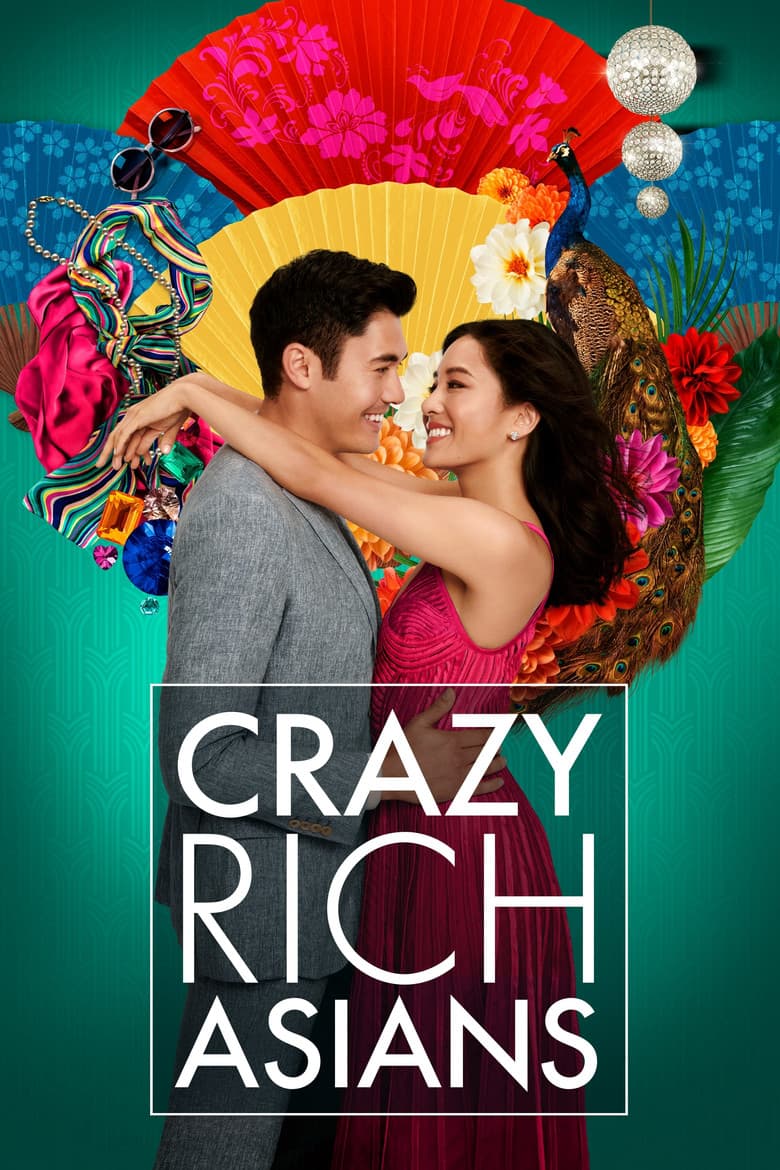
Rachel Chu is a Chinese-American economics professor who travels to Singapore with her boyfriend Nick Young. She meets his ultra-wealthy family and must win acceptance from matriarch Eleanor. The conflict mixes romance, class snobbery, family duty, and culture clash between American individualism and Chinese family obligation. The story runs as a glossy romantic comedy about love and belonging rather than a lecture on U.S. progressive politics.
On screen, a majority-Asian cast fits the Singapore Chinese elite and Chinese-American leads. Supporting character Oliver T'sien is openly gay, calls himself the rainbow sheep of the family, and serves as confidant and comic ally beside the main heterosexual romance. The drama turns on diaspora identity and whether Rachel's American-made self can fit a traditional Chinese dynasty. Dialogue centers family duty, class snobbery, and feeling not Chinese enough rather than modern activist talking points. Mild critique of Western hotel snubs and American passion-over-family values appears, but the film stays a love and family comedy, not a systemic activist tract.
Community feedback
Was our 37% Woke rating accurate?
Breakdown
These are the editorial factors and ratings behind our score for Crazy Rich Asians.
Woke representation / casting
Majority-Asian cast fits Singapore Chinese elite and Chinese-American leads, but marketing and creatives sold the film as a diversity first-in-25-years movement; plus a clear gay supporting character (Oliver) in a visible ally and confidant role. Not a mismatched one-of-each Western ensemble, but representation was the headline.
40%
Woke political dialogue
Dialogue centers family duty, class snobbery, and not Chinese enough or American versus traditional values, not modern activist talking points on DEI, systemic whiteness, gender ideology, or progressive policy. Light cultural-identity sparring only.
12%
Identity-driven story themes
Story is structured around diaspora identity, cultural belonging, and whether Rachel's American-made self fits a traditional Chinese dynasty; that identity conflict is the dramatic core and was sold as cultural representation. Still a rom-com of love versus family class rules, not a systemic activist tract about patriarchy, whiteness, or colonial guilt.
28%
Western institutional / cultural critique
Mild: early wealth-power flex after Western hotel snub; Eleanor critiques American passion-over-family values (she softens). Generic rich-people satire and family tyranny, not a sustained anti-Western, anti-Christian, or anti-conservative institutional campaign.
5%
Woke character or canon changes
ordinary book-to-film compression and tone softens; Oliver is gay in the source material as well; no audience-visible race, gender, or identity swaps of established characters for DEI.
0%
Anti-woke backlash and complaints
Marketing spotlighted Asian visibility and sparked some diaspora debates on diversity depth, but no major public campaign labeled the film as woke propaganda or agenda-driven.
5%
Creator track record context
Cached mix: Jon M. Chu (30) and Adele Lim (37) with cultural-representation focus; Nina Jacobson (69) and Brad Simpson (43) stronger inclusive-storytelling profiles; Peter Chiarelli (5), Kevin Kwan (8), and most producers low. Overall moderate creator-context signal aligned with the film's representation marketing.
36%
Production
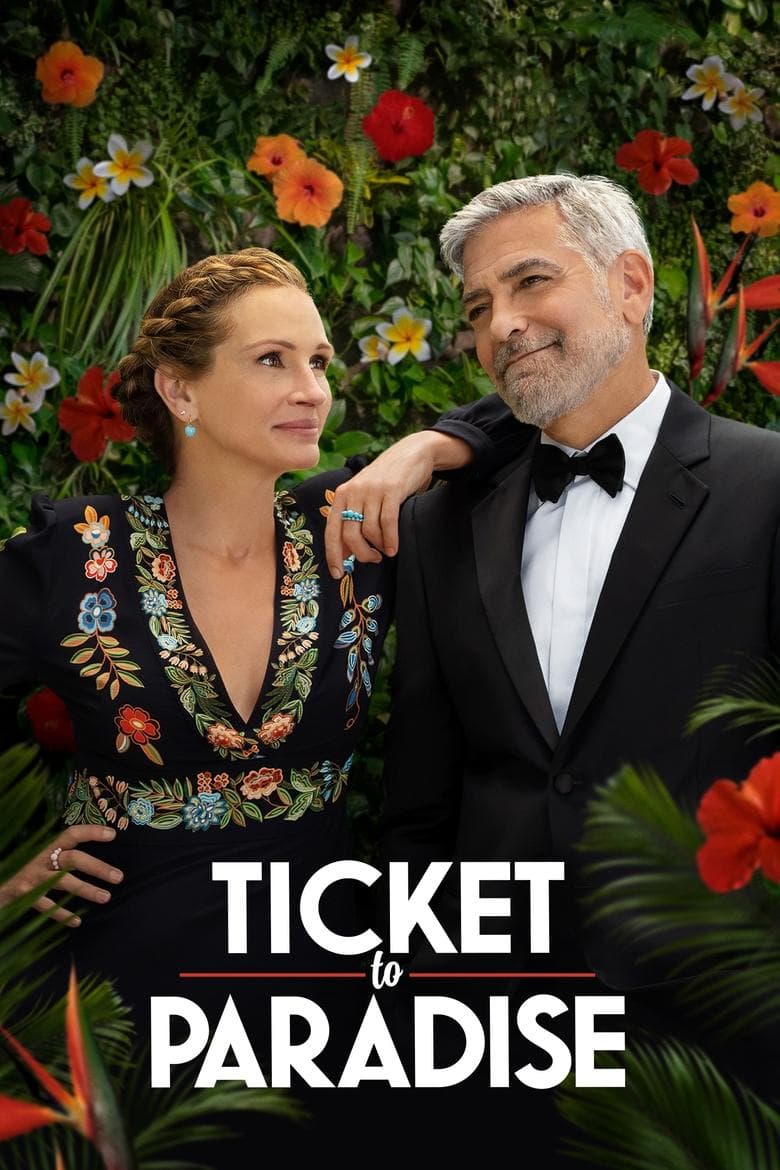
Movie · 2022
Divorced couple Georgia and David find themselves on a shared mission: they team up and travel to Bali to stop their daughter Lily from making the same mistake they once made 25…
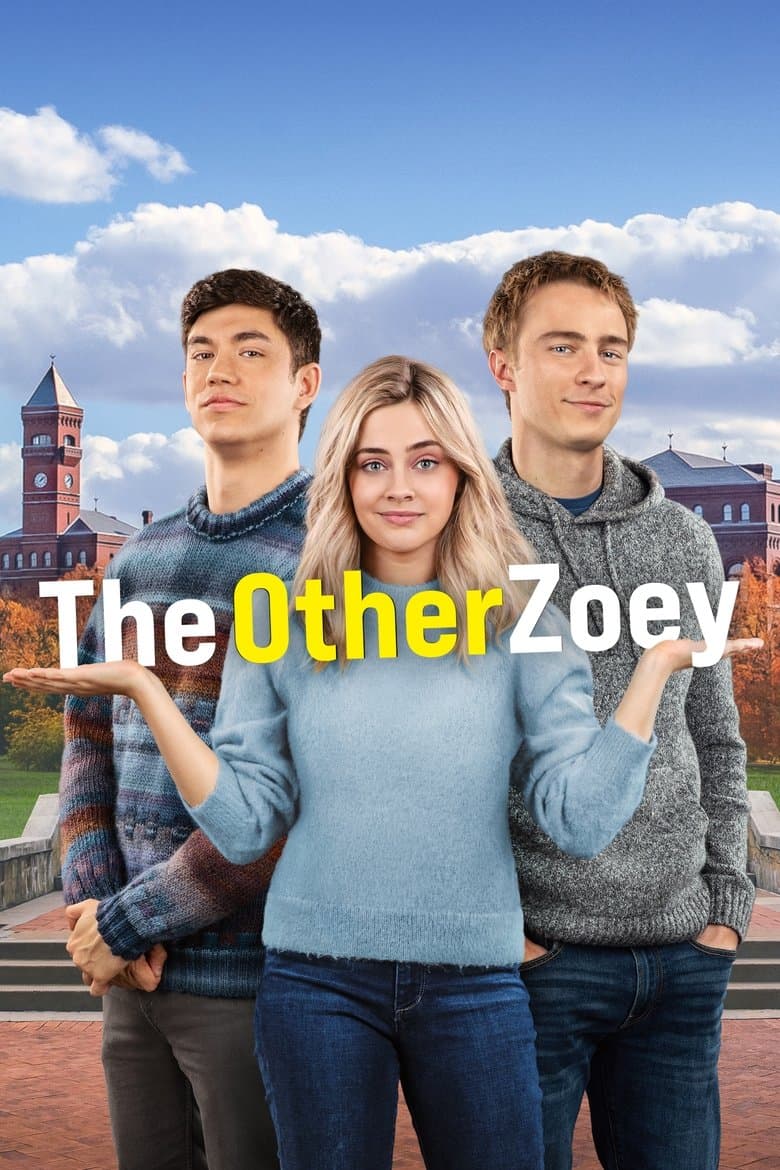
Movie · 2023
Highly intelligent computer major Zoey Miller is uninterested in romantic love, but her life is turned upside down when Zack, the school's soccer star, gets amnesia and mistakes…
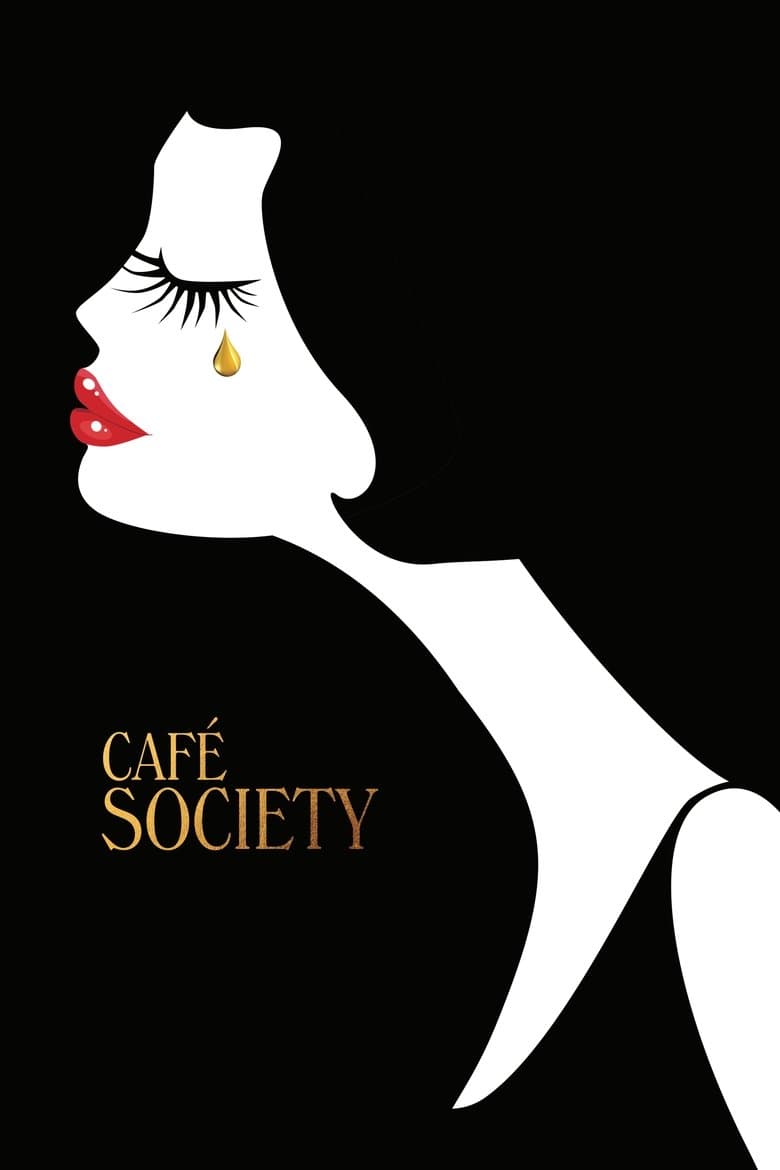
Movie · 2016
The story of a young man who arrives in Hollywood during the 1930s hoping to work in the film industry, falls in love, and finds himself swept up in the vibrant café society that…

Movie · 2018
A quirky couple spends their three-year dating anniversary looking back at their relationship and contemplating whether they should break up.
Movie · 2019
Two young people arrive in New York to spend a weekend, but once they arrive they're met with bad weather and a series of adventures.
Movie · 2025
When her mother sends her on a quest to complete a teenage bucket list, a young woman uncovers family secrets, finds romance — and rediscovers herself.

Movie · 2024
Fresh off an almost career-ending accident, stuntman Colt Seavers has to track down a missing movie star, solve a conspiracy and try to win back the love of his life while still…
Movie · 2023
Mira Ray, dealing with the loss of her fiancé, John, sends a series of romantic texts to his old cell phone number… not realizing the number was reassigned to Rob Burns' new work…
