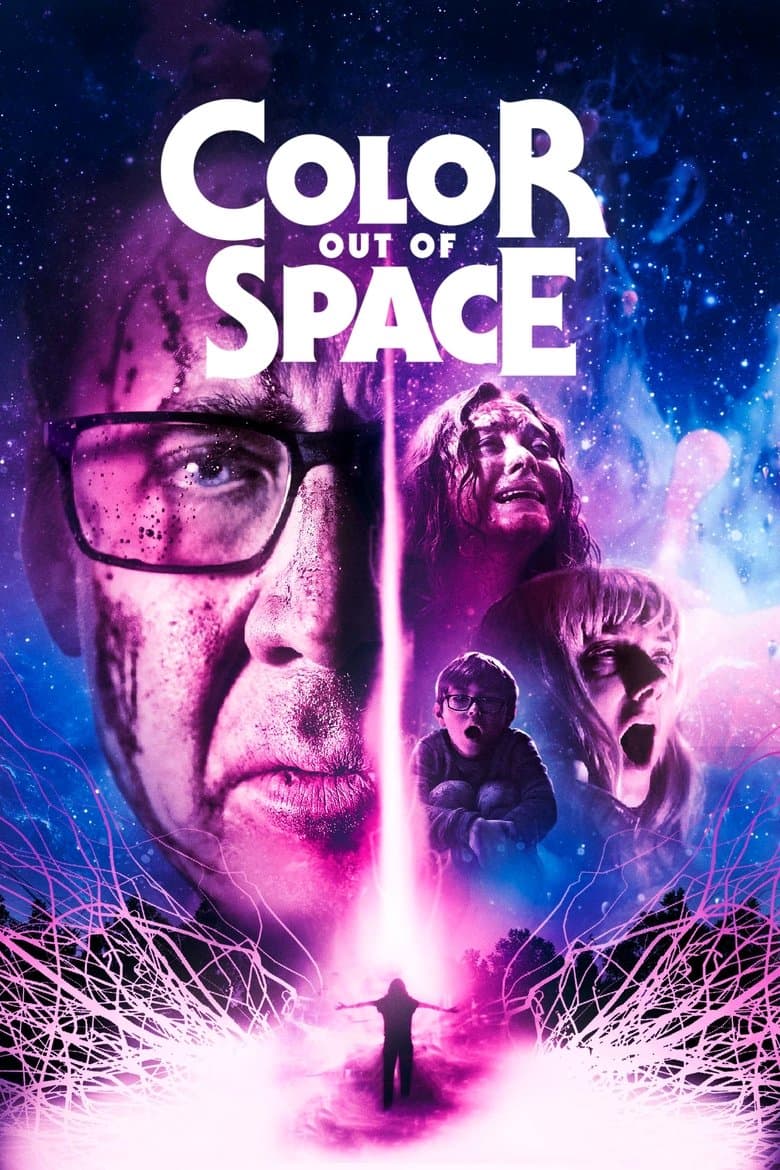
The Gardner family moves from the city to a remote New England farm to start over. A meteorite crashes in their yard and releases an alien color that mutates plants, animals, and people, driving them into madness and body horror. The 2020 film is a modernized adaptation of H.P. Lovecraft’s 1927 story starring Nicolas Cage as the father. Supporting casting includes a black actor as the prominent hydrologist narrator and survivor and a native American actress as the town mayor, updates that drew note for diversity in reviews.
Community feedback
Was our 35% Woke rating accurate?
Breakdown
These are the editorial factors and ratings behind our score for Color Out of Space.
Woke representation / casting
Visible diversity appears in supporting roles with a black actor (Elliot Knight) as the prominent hydrologist Ward Phillips who serves as narrator and sole survivor, and an Indigenous actress (Q’orianka Kilcher) as mayor; the core Gardner family is white and conventional. Reviewers flagged the supporting cast as “surprising diversity” in a rural New England setting. Director interviews frame the narrator casting as a deliberate stance against Lovecraft’s racism.
35%
Woke political dialogue
The released film contains no activist, identity-driven, or left-political dialogue or lectures. Director interviews confirm he wanted explicit Trump footage and climate-policy links to the disaster, but producers removed them in post-production.
0%
Identity-driven story themes
The premise, character arcs, and structure are classic cosmic horror: an incomprehensible alien force causes mutation, madness, and decay. The daughter’s Wiccan practices supply occult flavor and tie into family tension but are not presented as feminist empowerment, queer identity, or social-justice messaging. No race, gender, or sexuality plotlines drive the narrative.
5%
Western institutional / cultural critique
The dam project and local officials provide a background frame inherited from the source story; they investigate the meteor briefly then focus on development. Officials are not portrayed as corrupt patriarchy, toxic systems, or capitalist villains.
8%
Woke character or canon changes
The adaptation introduces a Wiccan teen daughter (gender shift from original family structure) and places a black actor in the key surveyor/narrator role that echoes Lovecraft’s own perspective in the source. Director interviews and critic commentary describe this as an intentional argument against the author’s racism and politics. These are audience-visible updates to source material beyond ordinary modernization or compression. The core alien entity, mutations, and family destruction stay faithful to Lovecraft without reframing the horror as present-day identity politics.
40%
Anti-woke backlash and complaints
No documented anti-woke or right-leaning complaints exist that treat the film as pushing woke, DEI, identity politics, or left messaging. Web and social media searches found no such backlash; conversation stays on horror quality, visuals, and adaptation choices.
0%
Creator track record context
Director Richard Stanley has expressed liberal-leaning views in interviews, including climate concerns and an explicit desire to push back against Lovecraft’s racism and misogyny through casting and attempted contemporary political inserts (later cut). Co-writer Scarlett Amaris publicly centers a witch and mythologist identity built around rebellion against patriarchy, female rage and empowerment, and stated interest in writing queer issues. The overall creative team carries moderate political and representation signals, but these do not dominate the final genre product.
35%
Production
Movie · 2021
Paranormal investigators Ed and Lorraine Warren encounter what would become one of the most sensational cases from their files.
Movie · 2017
A young man and his three younger siblings are plagued by a sinister presence in the sprawling manor in which they live.
Movie · 2026
A strange doorway appears in the basement of a furniture showroom.
Movie · 2023
Jess, a newly separated mother and nurse, moves into her old family farmhouse with Tyler, her teenage daughter, and Owen, her eight-year-old son.
Movie · 2022
When twin brothers arrive home to find their mother’s demeanor altered and face covered in surgical bandages, they begin to suspect the woman beneath the gauze might not be their…
Movie · 2019
A year after the mysterious disappearance of an 8 year-old girl, we meet her grieving family as they return home from her memorial service in their small town.
Movie · 2024
After reluctantly moving to the German Alps with her father and his new family, Gretchen discovers that their new town hides sinister secrets, as she's plagued by strange noises…
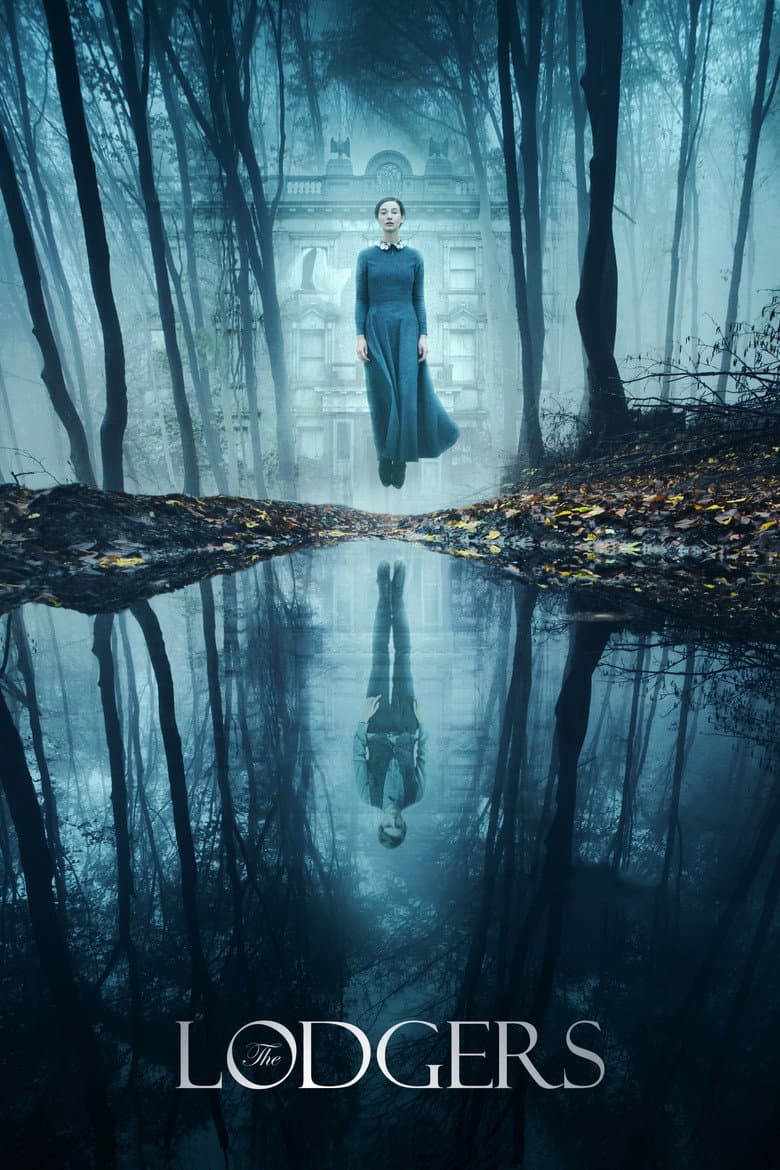
Movie · 2017
1920, rural Ireland. Anglo-Irish twins Rachel and Edward share a strange existence in their crumbling family estate.
