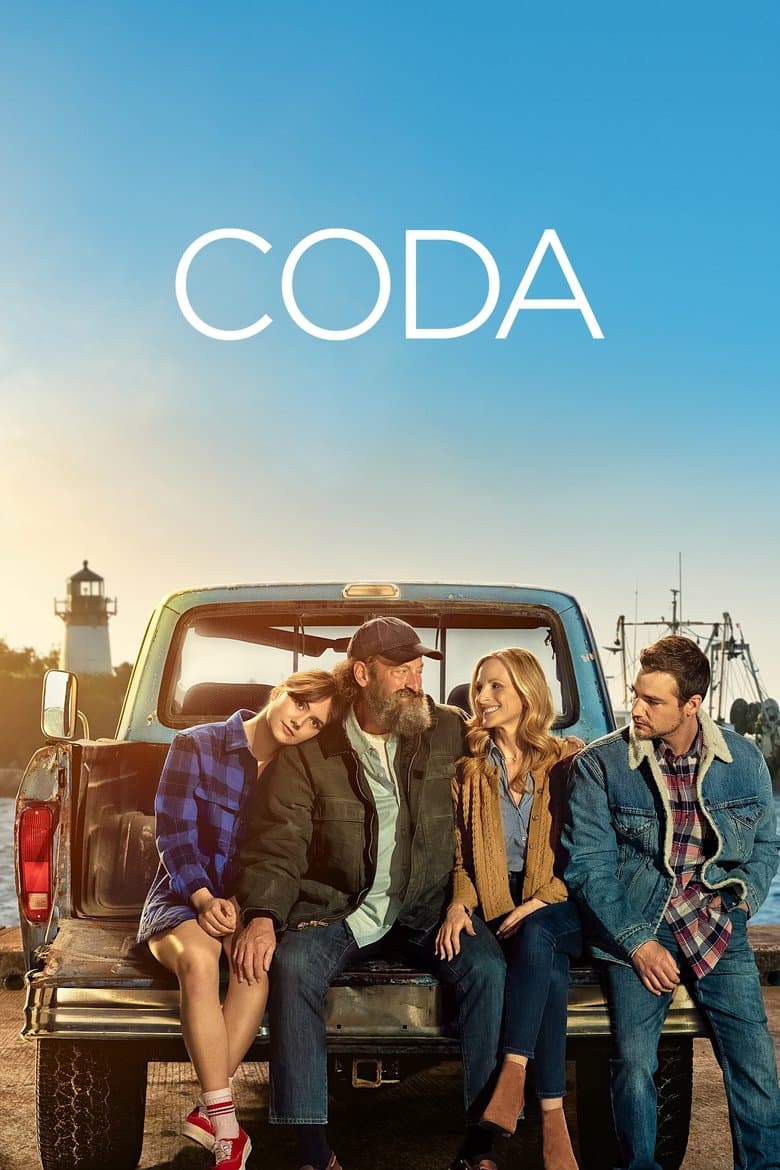
In Gloucester, Massachusetts, seventeen-year-old Ruby is the only hearing member of a deaf family that runs a fishing boat. She interprets for her parents and brother every day. At school she finds she can sing well and is pushed toward a music school audition. New fishing fees, safety rules, and her family's needs pull her back home. She must choose between the family business and her own future without leaving the people who raised her.
The story centers on deaf culture, sign language, and the gap between a deaf home and the hearing world. Deaf actors play the deaf family roles, and the film was sold as a step forward for real disability casting. That identity layer is easy to see, but the movie is still mainly a family coming-of-age story about duty and dreams. There is no activist talk on race, gender, or queer politics. Romance in the film is between a boy and a girl, and the main pressure comes from work, family, and school.
Community feedback
Was our 33% Woke rating accurate?
Breakdown
These are the editorial factors and ratings behind our score for CODA.
Woke representation / casting
Deaf actors play the deaf family roles in a way that matches the characters. Casting was still pushed as an inclusion statement after financiers preferred hearing actors. Marketing and awards talk heavily sold authentic Deaf representation and related hiring seals. The lead is a hearing teen in a mostly white fishing town that fits the setting, so the score reflects disability-casting framing rather than remaking the whole town’s demographics.
28%
Woke political dialogue
Not present. No audience-visible activist dialogue on race, gender ideology, DEI, queer theory, or systemic identity politics. Conflict talk is family obligation, music school, fishing fees, Coast Guard radios, and teenage romance.
0%
Identity-driven story themes
The plot is built around CODA and Deaf identity, ASL, and barriers between deaf family life and the hearing world. That layer is central and hard to miss, and the industry treated the film as disability-representation cinema. It is still mainly a normal family coming-of-age and romance story about duty versus dreams. Disability is the premise, not a bolted-on side plot, so the score stays moderate.
34%
Western institutional / cultural critique
There is light, story-needed friction with fishing boards, fees, and Coast Guard safety rules. That reads as working-class hardship, and some viewers even see the rules subplot as anti-bureaucratic. Hearing-world access problems show up as daily inconvenience, not a long activist attack on Western institutions, capitalism, patriarchy, or Christianity.
12%
Woke character or canon changes
This remake of La Famille Bélier replaces the original choice to cast hearing actors as deaf parents. Heder and Matlin insisted on deaf actors and substantial ASL. That change was framed in public as fixing harmful casting practice. Setting and ordinary drama changes are not scored as ideology.
24%
Anti-woke backlash and complaints
Not present. No sustained, well-documented anti-woke or anti-DEI campaign was found. The loudest criticism comes from disability and Deaf views that the film is too hearing-centered or stereotypical, which is excluded under scoring rules. Oscar undeserving talk is mostly taste and quality, not identity-politics outrage.
0%
Creator track record context
Supplied creator scores show low overall activist intensity, with Heder around 10 and most French writers and producers in a lower band. Some casting figures score higher on inclusion recognition. Disability inclusion on this title is stronger than the broader woke pattern across the key creatives.
12%
Production
Movie · 2022
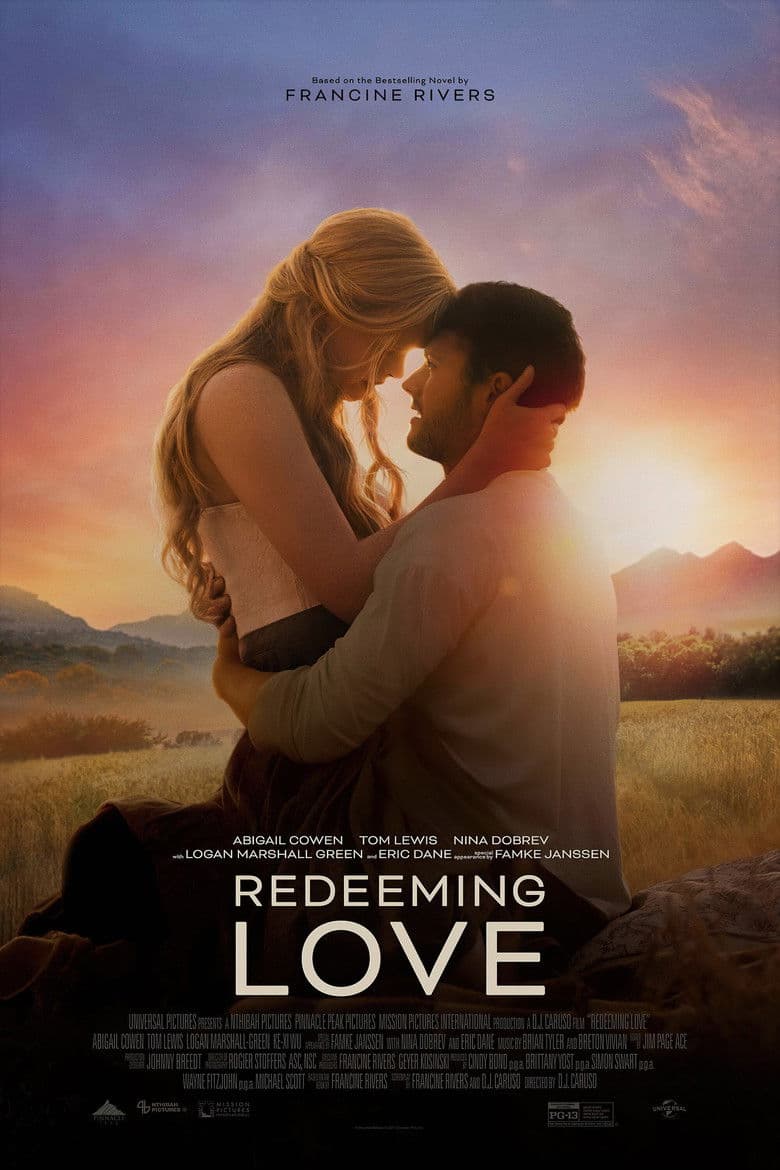
A young couple's relationship clashes with the harsh realities of the California Gold Rush of 1850. Angel, experiencing love for the first time and facing demons unsurmountable…
Movie · 2023
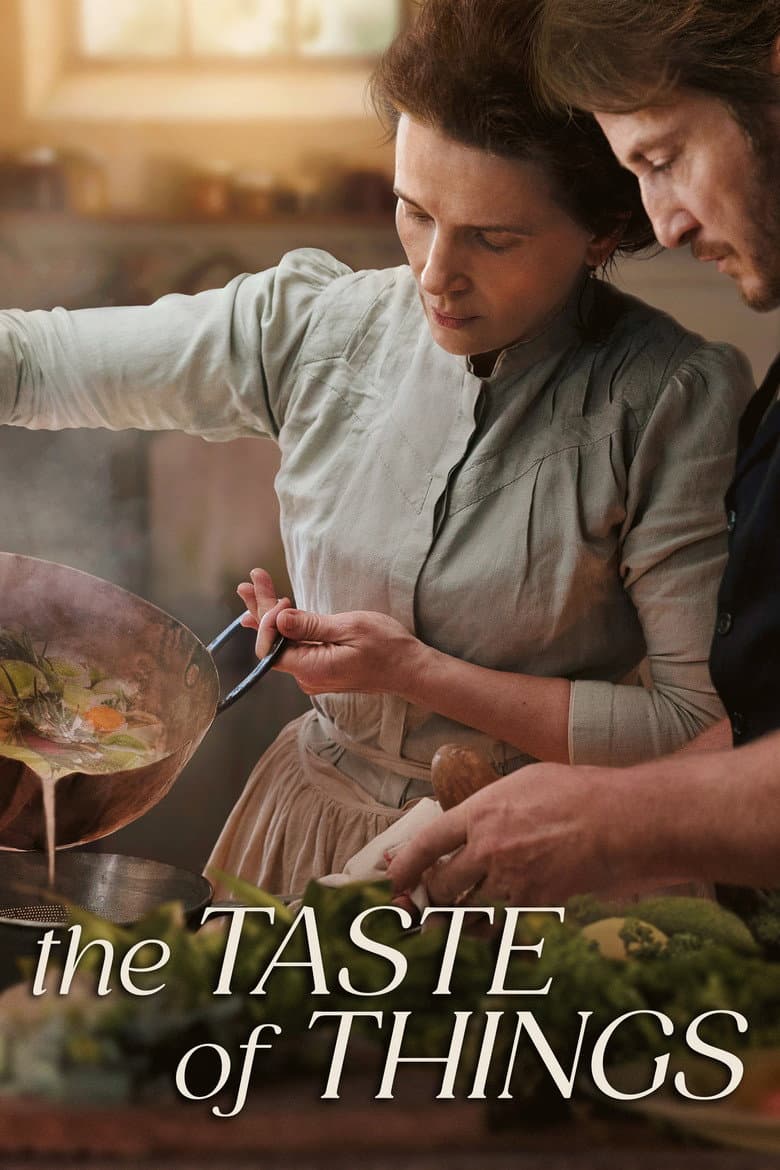
Set in 1889 France, Dodin Bouffant is a chef living with his personal cook and lover Eugénie. They share a long history of gastronomy and love but Eugénie refuses to marry Dodin…

Movie · 2016
Set during the last days of the Ottoman Empire, a love triangle develops between Mikael, a brilliant medical student, the beautiful and sophisticated artist Ana, and Chris, a…

Movie · 2016
Canadian folk artist Maud Lewis falls in love with a fishmonger while working for him as a live-in housekeeper.

Movie · 2023
Hadley and Oliver begin falling in love on a flight from New York to London, but when they lose each other at customs, can they defy all odds to reunite?

Movie · 2025
Based on a true story, two down-on-their-luck musicians form a joyous Neil Diamond tribute band, proving it's never too late to find love and follow your dreams.

Movie · 2025
Morgan Grant and her daughter Clara explore what's left behind after a devastating accident reveals a shocking betrayal and forces them to confront family secrets, redefine love…
Movie · 2023
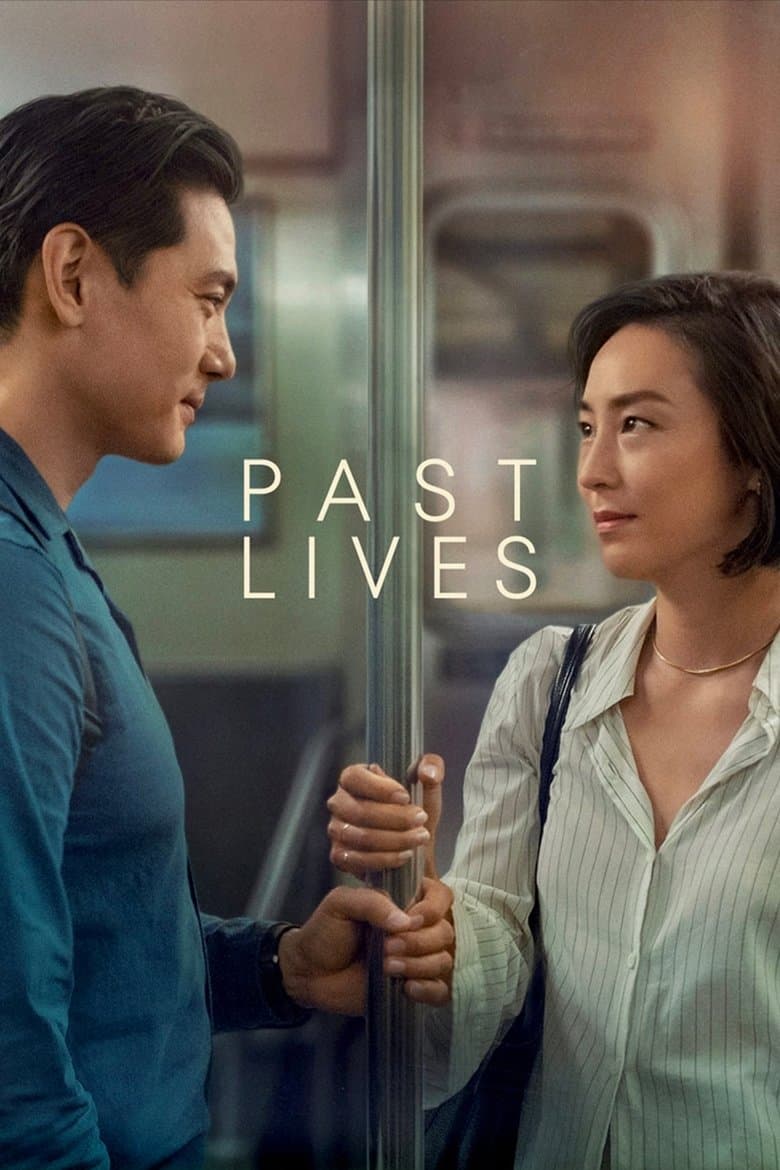
After decades apart, childhood friends Nora and Hae Sung are reunited in New York for one fateful weekend as they confront notions of destiny, love, and the choices that make a…
