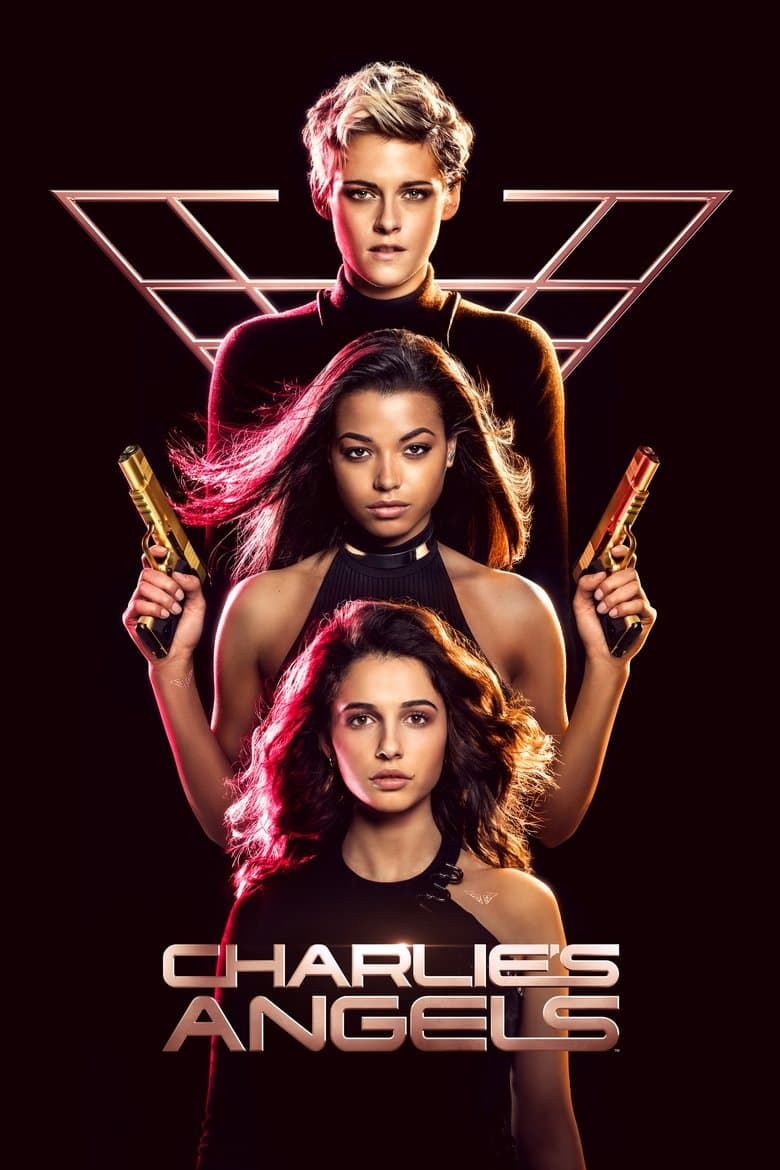
Elizabeth Banks’s 2019 Charlie’s Angels follows Sabina Wilson, Jane Kano, and new recruit Elena Houghlin as they stop the Calisto energy device from being turned into a weapon. The plot is a standard spy-action caper with a corporate cover-up, a traitor inside the agency, and action set around the world. Elena is the engineer who invents Calisto and gets pulled into the team. The three women work as Angels under a modern spy network that still answers to the famous Charlie voice on the phone.
The movie is built as a clear female-empowerment reboot, not just another action romp with women leads. It pushes female solidarity, workplace sexism, jokes that flip the male gaze, and franchise updates that add a queer Angel, a female Bosley, and a woman as the new Charlie. Feminist lines and lectures on gender roles show up often, and Sabina’s queer identity is confirmed on screen. Sisterhood and women teamwork sit at the story’s center, while a male mentor’s betrayal after being passed over for power reads as a gendered grievance.
Community feedback
Was our 92% Woke rating accurate?
Breakdown
These are the editorial factors and ratings behind our score for Charlie's Angels.
Woke representation / casting
The lead trio is a planned mix of identities in the biggest heroic roles. Sabina is a white queer lead, Jane is a black British fighter, and Elena is a mixed South Asian engineer genius. Banks plays a central female Bosley and Laverne Cox appears as an instructor. The global spy setting makes diversity feel possible, but the pattern of identity picks and how the film sells diverse women still drives the score. An all-female lead team alone does not, because this franchise was always female-led.
62%
Woke political dialogue
Feminist talking points show up often for the audience. The film opens with lines about what women can do and uses sarcastic girl-power beats. Sabina lectures on gender roles and women being underestimated. Workplace sexism and mansplaining scenes appear, along with Bosley jokes about dating as a middle-aged woman. Many reviews treat the script as a checklist of late-2010s feminist talk rather than light banter.
68%
Identity-driven story themes
The main packaging is sisterhood and female empowerment, not only women doing action. Elena blows the whistle on male corporate bosses and joins a women-forward spy network. Female teamwork is the moral center, and a woman becomes the new Charlie. Sabina’s confirmed queer identity is a clear LGBTQ story beat that raises the weight. A male mentor’s betrayal after losing succession reads as a gender power grudge, and the theme is hard to miss.
74%
Western institutional / cultural critique
The film pushes hard on toxic masculinity, male entitlement, workplace sexism, and old gender roles as problems the Angels beat. It inverts the male gaze for comedy and empowerment. It is not mainly about race, colonial guilt, anti-capitalist theory, or faith. The corporate villain is thriller fuel more than a full attack on Western systems. The score reflects clear modern gender critique without full anti-Western identity politics.
54%
Woke character or canon changes
The franchise updates are identity-forward rather than race swaps of the classic TV Angels. Sabina is the first explicitly queer Angel. A female Bosley is elevated, and Kelly Garrett becomes the new Charlie in a gender flip of the old unseen male boss. There are also multiple multi-racial Bosleys. Ordinary new casting is not the point. The queer first and the female Charlie and Bosley moves are the identity-driven canon changes.
50%
Anti-woke backlash and complaints
There was a large, clear anti-woke reaction. Kristen Stewart called the reboot woke in public. Right-leaning outlets and forums tied the box-office bomb to feminist messaging and lecturing. Pieces on Daily Wire, Spiked, Hollywood in Toto, KotakuInAction, and similar places used it as a get-woke-go-broke example. Complaints kept showing up on social media years later.
76%
Creator track record context
Elizabeth Banks is the main creative face as writer, director, producer, and Bosley. Her public politics and advocacy, plus her work with diverse female ensembles, set the context. She framed LGBTQ inclusion as important and said a white male cis view is not fresh. Other writers and producers score lower and soften the blend, but they do not replace Banks as the public driver. The score follows Banks-weighted context, not a full re-score of every person.
48%
Production
Movie · 2019
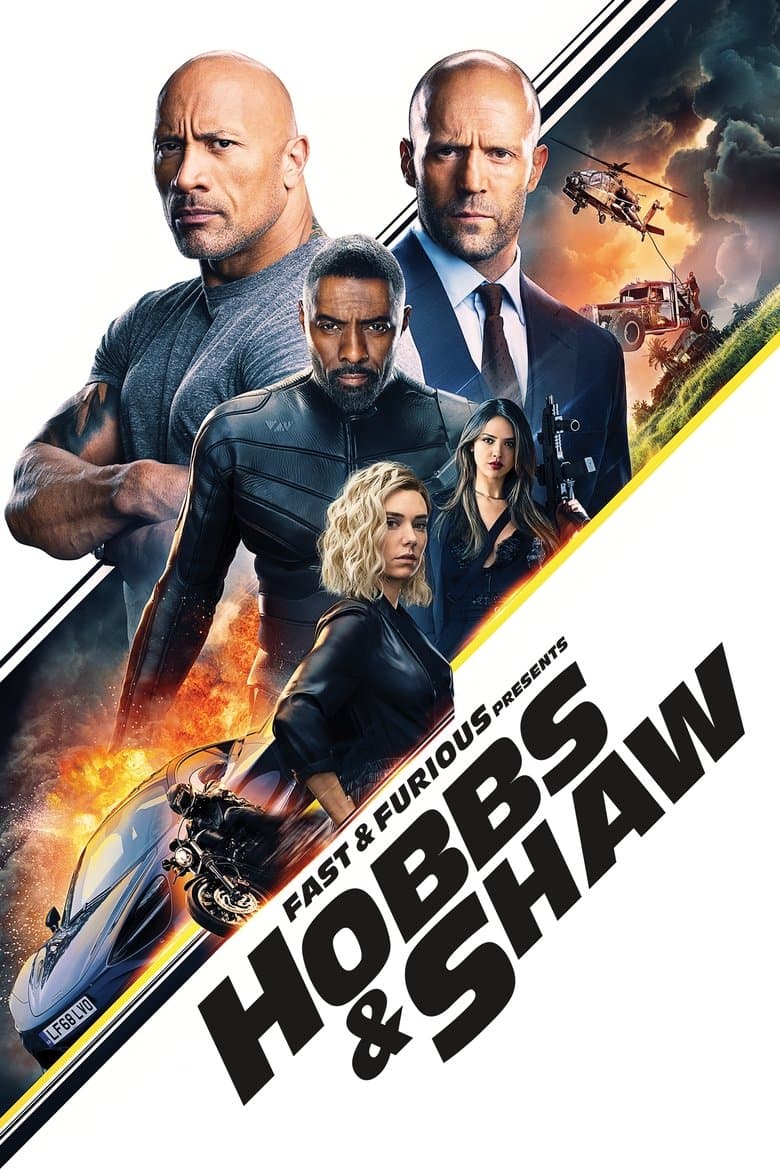
Ever since US Diplomatic Security Service Agent Hobbs and lawless outcast Shaw first faced off, they just have traded smack talk and body blows.
Movie · 2022
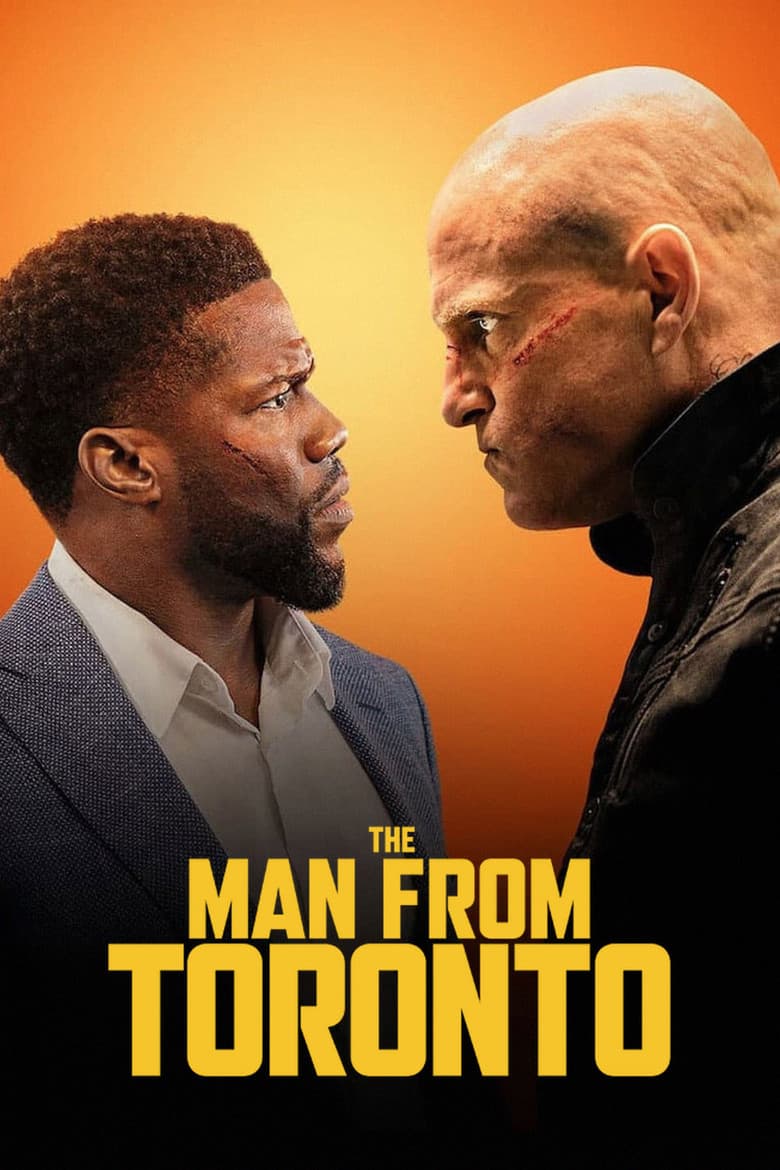
A case of mistaken identity forces a bumbling entrepreneur to team up with a notorious assassin known as The Man from Toronto in hopes of staying alive.

Movie · 2023
When three friends who live together realize that they don't like their life trajectory, they set off to find a gold treasure that is rumored to be buried in the nearby mountain.
Movie · 2016
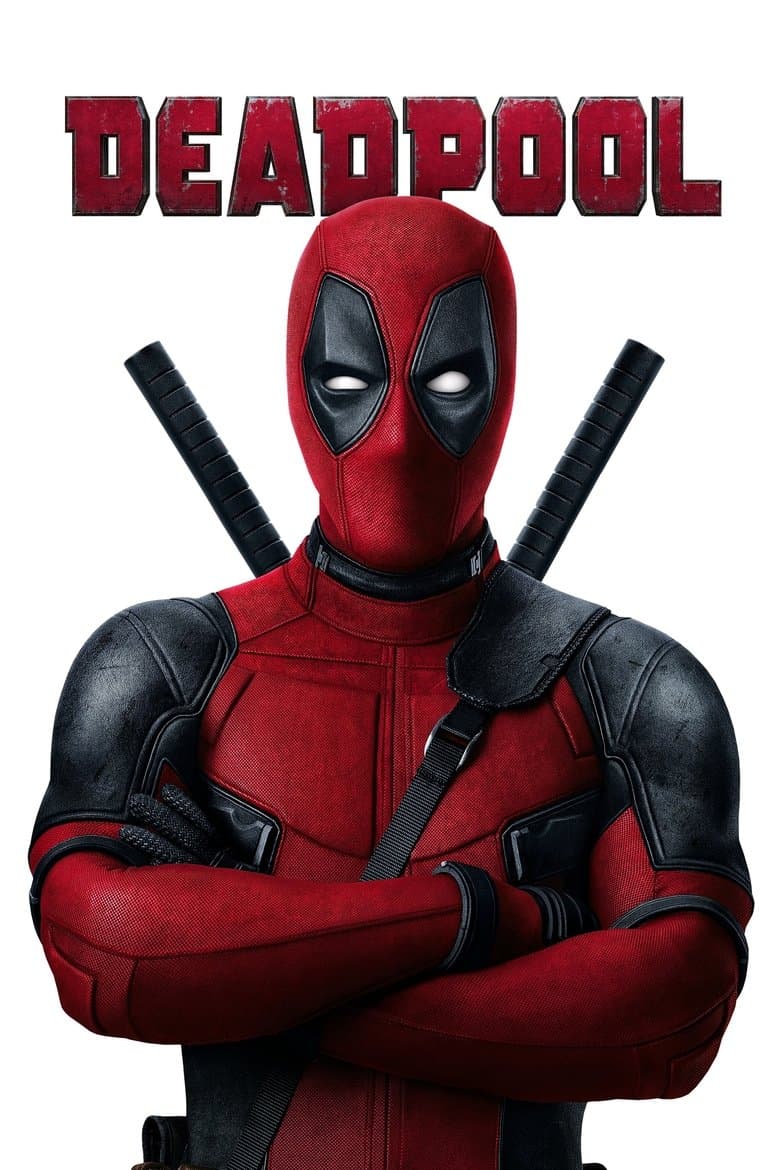
The origin story of former Special Forces operative turned mercenary Wade Wilson, who, after being subjected to a rogue experiment that leaves him with accelerated healing powers…
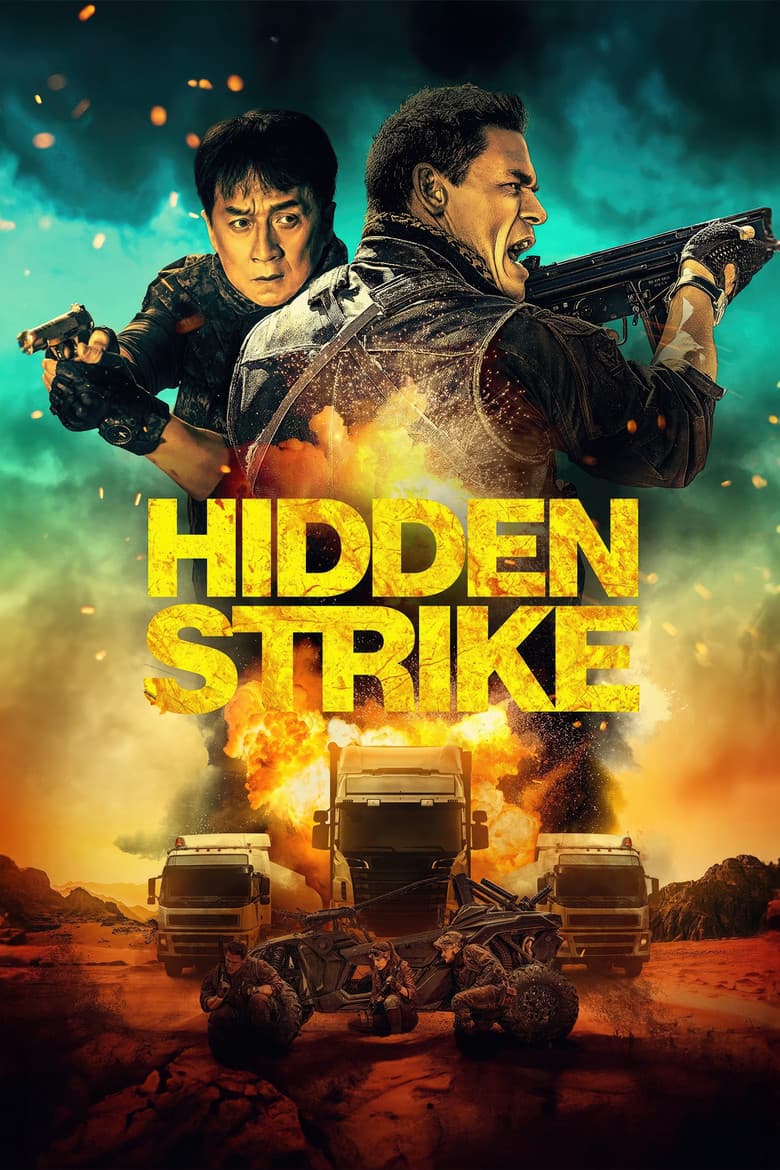
Movie · 2023
Two elite soldiers must escort civilians through a gauntlet of gunfire and explosions.
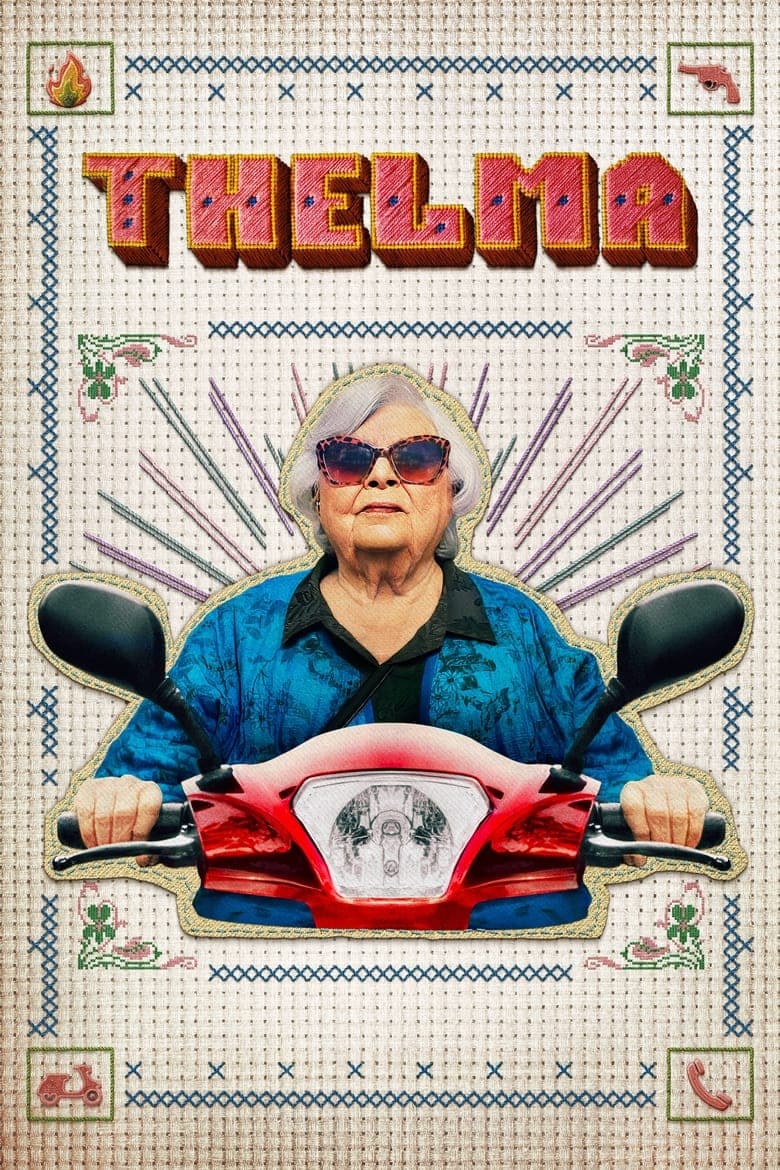
Movie · 2024
When 93-year-old Thelma Post gets duped by a phone scammer pretending to be her grandson, she sets out on a treacherous quest across the city to reclaim what was taken from her.
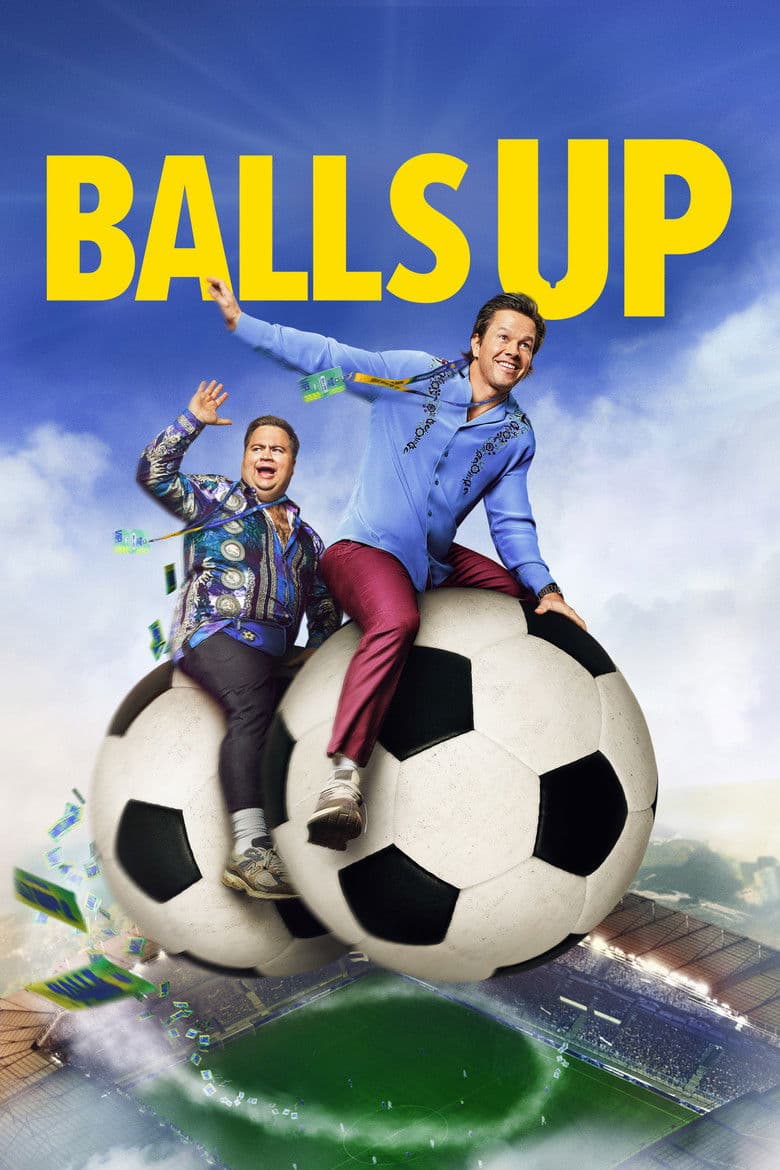
Movie · 2026
Two marketing executives go "balls out" and pitch a bold full‑coverage condom sponsorship with the World Cup.
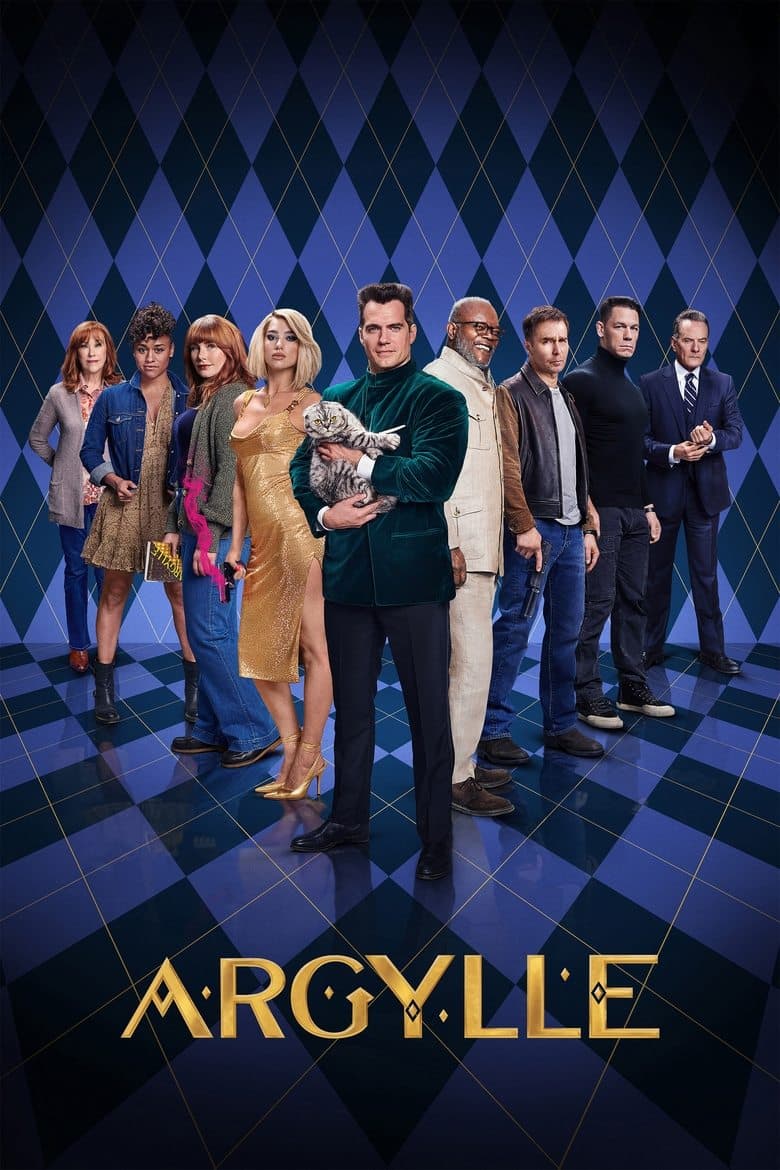
Movie · 2024
When the plots of reclusive author Elly Conway's fictional espionage novels begin to mirror the covert actions of a real-life spy organization, quiet evenings at home become a…
