Movie review
October 24, 2025 · 92 min · PG · Kids · Animation · Comedy · Action · Adventure · Family
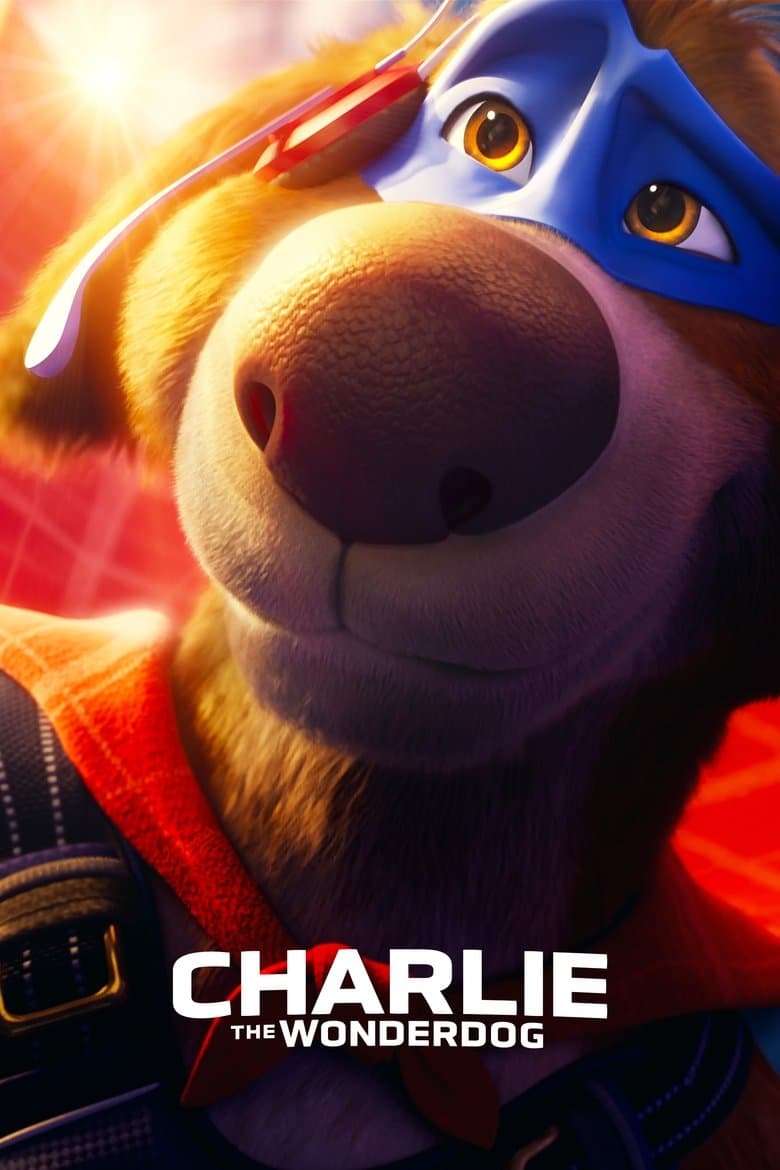
Charlie the Wonderdog follows Danny, a timid nine-year-old boy who loves his aging golden retriever, Charlie. The story begins in an ordinary family neighborhood before aliens take Charlie and the neighbor’s cat, Puddy, into space. The animals return with speech and special powers, and Charlie becomes a flying hero while Puddy plans to give cats control over humans. The tone mixes bright superhero action, silly animal jokes, family feeling, and a few adult political jokes.
The main story treats friendship, loyalty, courage, and helping others as the real measure of a hero. Charlie learns that fame and power can pull him away from Danny, while Puddy uses science and anger to build a cat army. One short scene has a dog say that he identifies as a cat so he can join the cats, and the joke uses social justice and equal opportunity language. The film also shows a president using Charlie’s fame to sell dog food, while cancel culture, artificial intelligence, climate talk, and online fame appear as brief modern jokes.
Community feedback
Was our 32% Woke rating accurate?
Breakdown
These are the editorial factors and ratings behind our score for Charlie the Wonderdog.
Woke representation / casting
Not present. The film has women as a president, scientist, judge, and alien queen, but it does not frame those roles as a diversity message. The main hero and villain are male animals, and no identity-first casting pattern is shown.
0%
Woke political dialogue
The movie has a recurring president side story in which the president uses Charlie’s fame and public praise to sell dog food. The movie uses a brief “identifies as a cat” joke and adds words such as social justice and equal opportunity to the villain’s recruiting scene. The script also uses canceling, AI-made evidence, climate goals, and online clips as current political or media jokes. These ideas are visible and repeated, but they stay in comic side stories instead of driving the main boy-and-dog story.
38%
Identity-driven story themes
The story centers on Danny and Charlie’s friendship, not on human identity groups. Puddy’s main plan gives cats intelligence and pushes them to rule humans, so the central conflict is animal species rivalry. One short scene has Cookie, a dog, claim to identify as a cat so he can join the cat army. The scene is a joke inside the villain plot, and it does not create a lasting identity-based character arc.
15%
Western institutional / cultural critique
The president uses Charlie’s fame, official events, and dog food ads for her own gain. The film also shows fake AI video, online fame, and public opinion being used to label Charlie a bad dog. These scenes question political branding and media control in a modern way. They do not build a wider attack on religion, family life, men, women, capitalism, or Western culture.
18%
Woke character or canon changes
Not relevant. The film is an original story about Danny, Charlie, Puddy, aliens, and a U.S. president. It does not change an established character, canon, historical figure, or real event.
0%
Anti-woke backlash and complaints
A few family, faith-focused, and audience reviews objected to the dog saying he identifies as a cat. One parent on Reddit called the scene a gender-identity joke and said it was not welcome in a children’s movie. The GATE and JesusFreakHideout also called the identity and political jokes pandering or annoying. The supplied X research found no anti-woke reaction, so the complaint volume remains small.
15%
Creator track record context
The cached creator scores place Shea Wageman, Raul Sanchez Inglis, Steve Ball, Carson Loveday, and Jenn Rogan at 12 or 13 out of 100. Their stored summaries describe commercial family animation and no public pattern of activist, DEI, queer, or identity-politics work. Film interviews discuss animation, loyalty, dog friendship, fame, and online media, not representation or queer themes.
13%
Production
Movie · 2025
When a faithful police dog and his human police officer owner are injured together on the job, a harebrained but life-saving surgery fuses the two of them together and Dog Man is…
Movie · 2019
Max the terrier must cope with some major life changes when his owner gets married and has a baby. When the family takes a trip to the countryside, nervous Max has numerous…
Movie · 2023
After a migrating duck family alights on their pond with thrilling tales of far-flung places, the Mallard family embarks on a family road trip, from New England, to New York City…
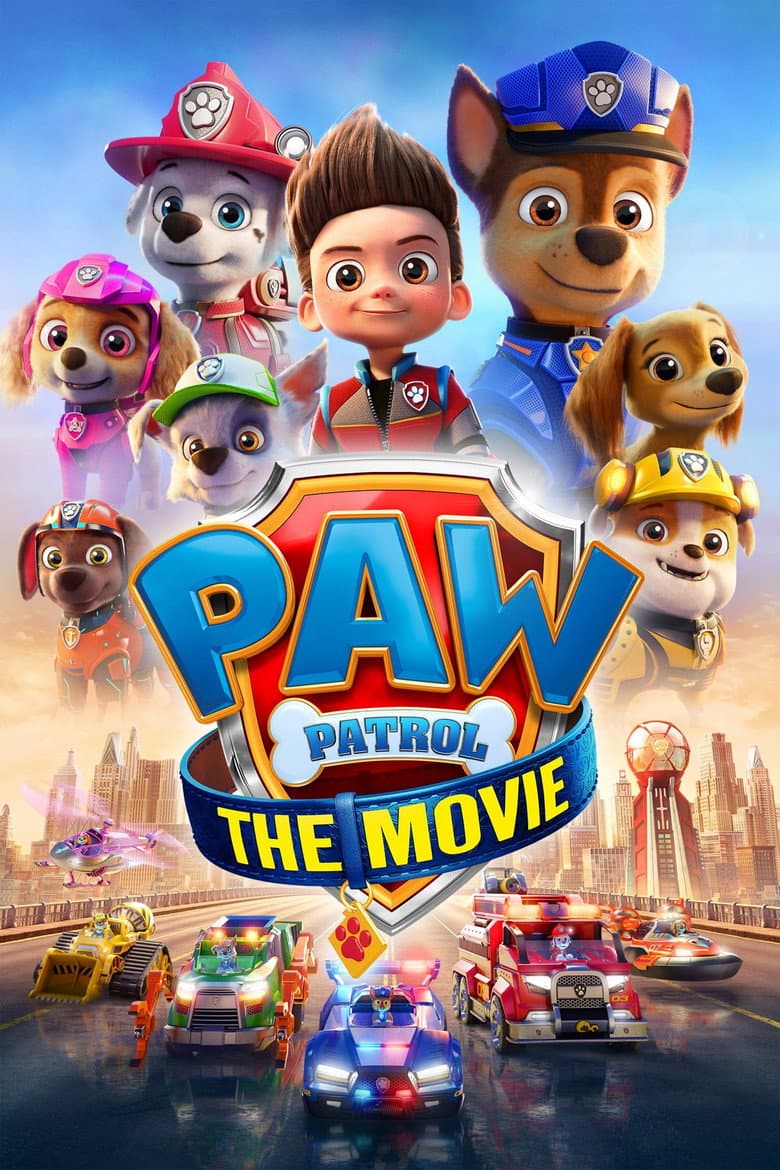
Movie · 2021
Ryder and the pups are called to Adventure City to stop Mayor Humdinger from turning the bustling metropolis into a state of chaos.

Movie · 2022
After settling in Green Hills, Sonic is eager to prove he has what it takes to be a true hero. His test comes when Dr.

Movie · 2024
Garfield, the world-famous, Monday-hating, lasagna-loving indoor cat, is about to have a wild outdoor adventure!
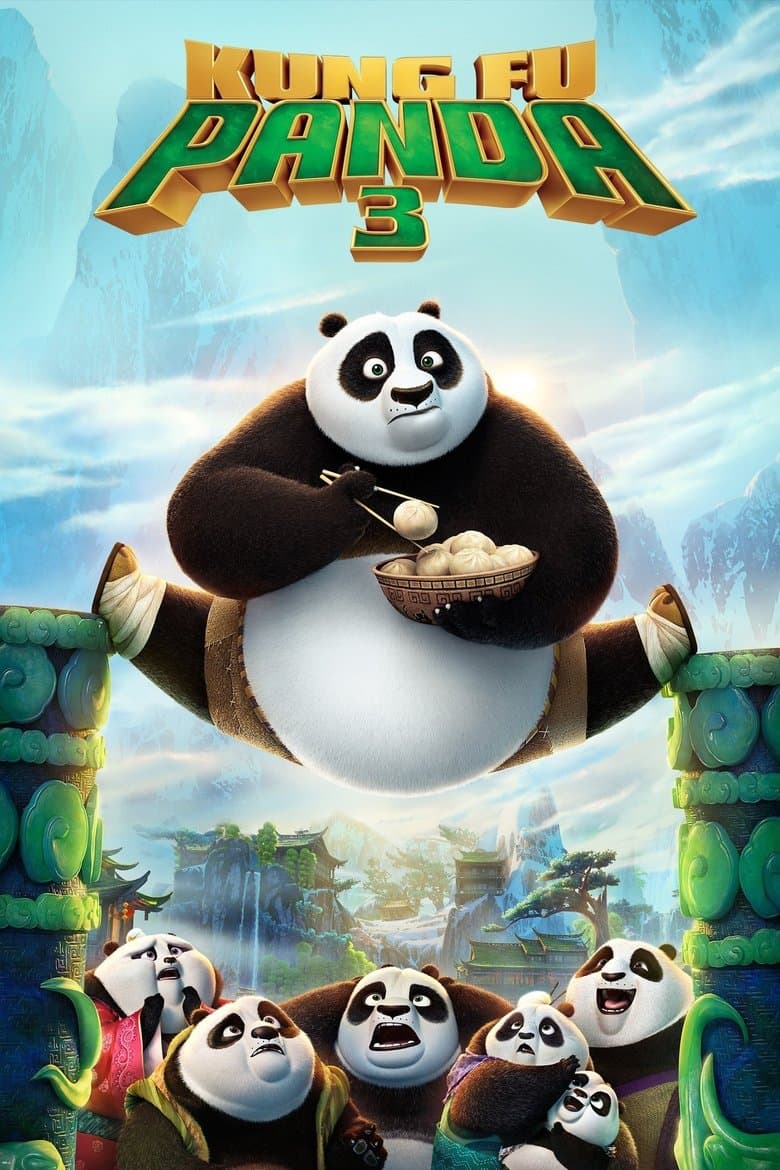
Movie · 2016
While Po and his father are visiting a secret panda village, an evil spirit threatens all of China, forcing Po to form a ragtag army to fight back.
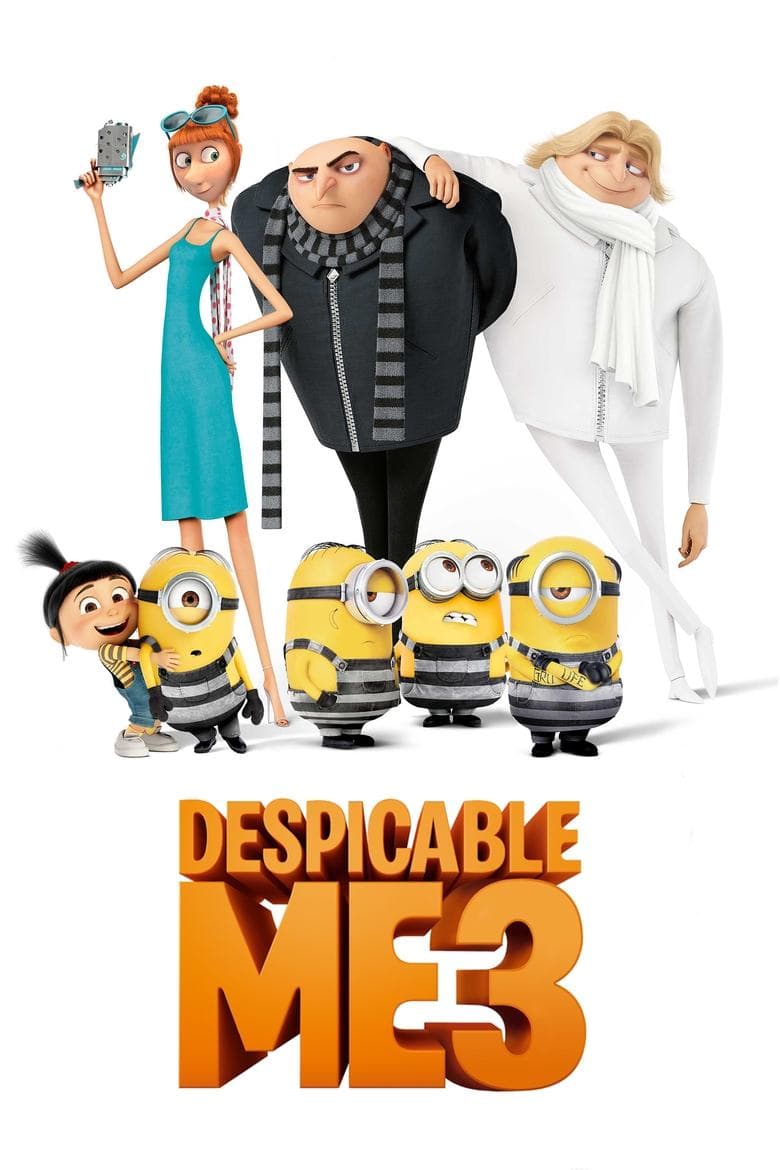
Movie · 2017
Gru and his wife Lucy must stop former '80s child star Balthazar Bratt from achieving world domination.
