
Certain Women is a quiet drama set in Montana. It links three stories about women who struggle to be heard and to connect with others. A lawyer deals with a stubborn injured client who only accepts advice after a male lawyer repeats it. A wife and mother pushes for sandstone for a dream home while her husband undercuts her. A lonely ranch hand forms a deep, one-sided attachment to a night-school teacher.
The film centers women and shows everyday sexism at work and at home. The third story shows a lasting same-sex crush that many viewers treat as queer longing and that serves as a major emotional peak. The ranch hand role was changed from a man in the source story to a woman, so the attraction becomes same-sex. Critics often call the film feminist and observational rather than a loud speech film. The director has said it has no agenda and that the third story was never a gay story to her, yet the crush on screen is same-sex and hard to miss.
Community feedback
Was our 62% Woke rating accurate?
Breakdown
These are the editorial factors and ratings behind our score for Certain Women.
Woke representation / casting
The cast is female-centered because the story is about certain women, so that alone is not a high score. The director deliberately sought a native American actor for the ranch-hand story after noting Montana public life without brown faces and cast Lily Gladstone in a major, sympathetic segment. Most leads are still white, and the roles feel weary and limited rather than power-fantasy girlboss parts. It is not a multi-box quota ensemble.
28%
Woke political dialogue
Political talk is sparse but real. Laura’s client only believes a male lawyer, which is the clearest sexism beat, and Gina’s talks show a man defaulting to another man. The dialogue stays observational and avoids slogan monologues. Press for Laura Dern tied the role to everyday sexism and microaggressions.
32%
Identity-driven story themes
The structure is a feminist set of three stories about women’s work and home friction, loneliness, and failed connection. Critics have called it unabashedly feminist. The third segment centers unrequited same-sex desire and is a major emotional high point, so queer longing is clear and substantial for the audience. It still plays as a quiet character study, not as an activist lecture that drives every story the same way.
54%
Western institutional / cultural critique
The film soft-critiques everyday male entitlement and sexism at work and at home. Viewers can also notice West and settler texture such as sandstone from an old schoolhouse and an Indigenous ranch hand against a beige West. It does not deliver a modern DEI-style attack on capitalism, whiteness, or Christianity. Patriarchy feels like atmosphere more than a full activist thesis.
36%
Woke character or canon changes
The main identity-linked change is clear. Meloy’s story centers male ranch hand Chet and a straight crush on teacher Beth. Reichardt makes the ranch hand a woman named Jamie and turns the arc into same-sex attraction. That is more than ordinary cutting or modernizing, because both the protagonist’s gender and the romance axis change and become the new emotional core.
52%
Anti-woke backlash and complaints
Not present. No notable anti-woke backlash aimed at this title.
0%
Creator track record context
Kelly Reichardt is a feminist arthouse filmmaker who stresses empathy and realism over activist agendas, which fits this film. Todd Haynes is a major New Queer Cinema figure as producer but not the main authorial voice. Other names including Meloy score lower. The weight sits on Reichardt’s mild feminist indie profile rather than Haynes-level queer politics control.
38%
Production

Movie · 2016
After his older brother passes away, Lee Chandler is forced to return home to care for his 16-year-old nephew.

Movie · 2023
The story of J. Robert Oppenheimer's role in the development of the atomic bomb during World War II.
Movie · 2019
Richard Jewell thinks quick, works fast, and saves hundreds, perhaps thousands, of lives after a domestic terrorist plants several pipe bombs and they explode during a concert…
Movie · 2016
WWII American Army Medic Desmond T. Doss, who served during the Battle of Okinawa, refuses to kill people and becomes the first Conscientious Objector in American history to…
Movie · 2016
In a desolate war zone where screams of the innocent echo, on the very line between disaster and valor, 7 Maroon Berets will dance with death.
Movie · 2023
The true story of the inseparable Von Erich brothers, who made history in the intensely competitive world of professional wrestling in the early 1980s.
Movie · 2022
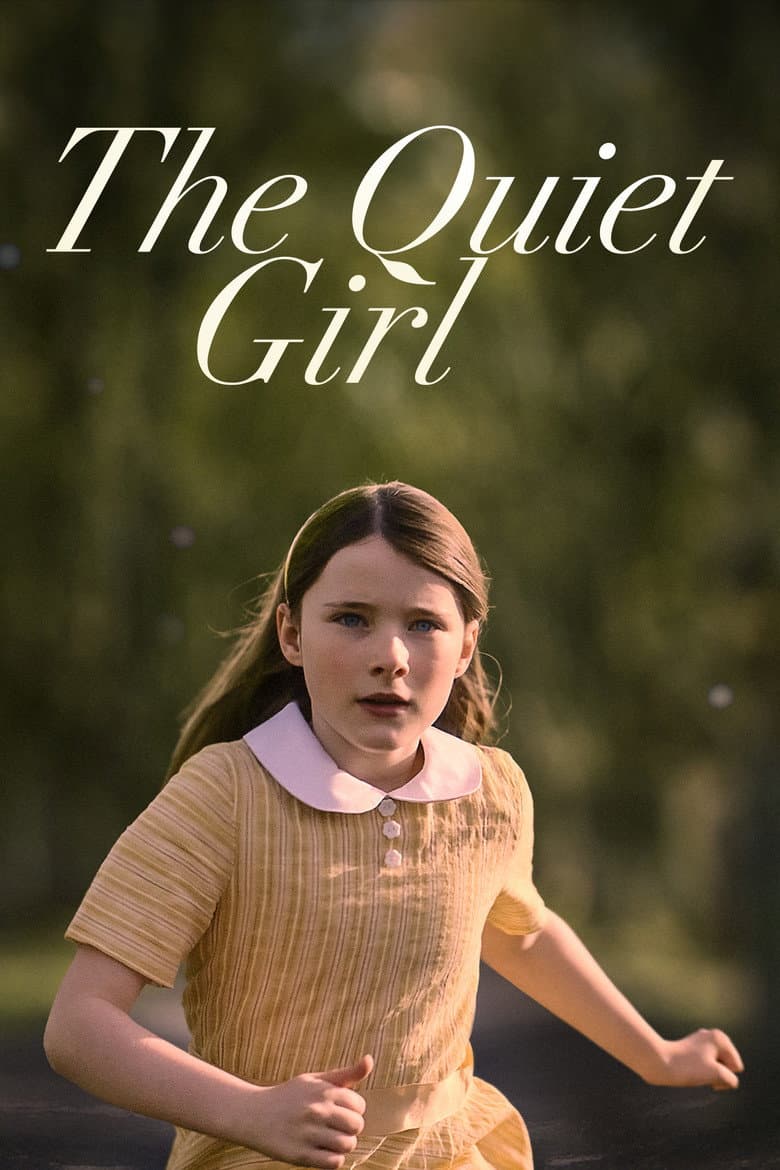
A quiet, neglected girl is sent away from her dysfunctional family to live with relatives for the summer. She blossoms in their care, but in this house where there are meant to be…

Movie · 2026
While people across 1990s Iraq struggle to survive the war and food shortages, Saddam Hussein requires each school in the country to prepare a cake to celebrate his birthday.
