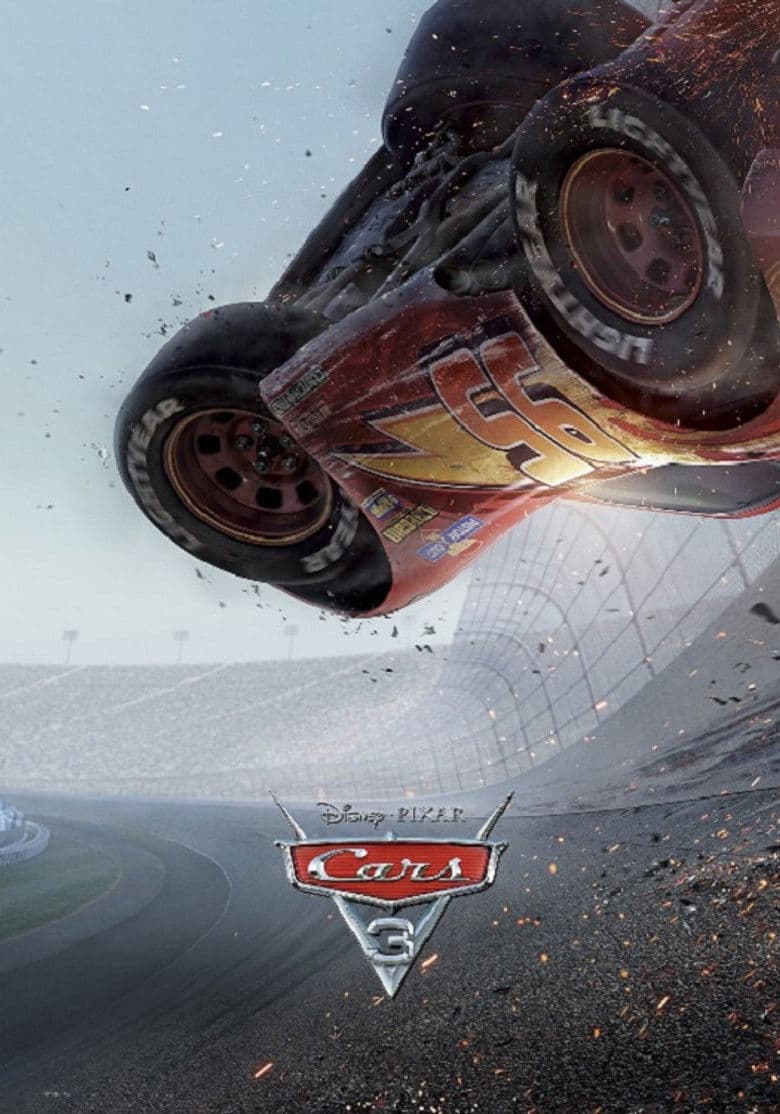
Lightning McQueen is a star race car who finds he can no longer keep up with a new group of super-fast, high-tech racers. After a hard crash, he fights to stay in the Piston Cup and avoid forced retirement. He trains with Cruz Ramirez, a young race technician who has her own dream of competing. The story plays out in the familiar talking-cars world with races, friends from Radiator Springs, and mentors from McQueen's past. The tone is warm, emotional, and built like a sports comeback film for families.
Cruz Ramirez is a Latina woman whose arc is about self-doubt and finding the courage to race. McQueen coaches her through hard training and then steps aside in the Florida 500 so she can drive in his place and win. That handoff makes a young female racer the face of the big finish. An older female car named Louise Nash briefly recalls how racing once blocked her from even getting a number. These beats sit next to the main themes of aging, hard work, and teaching the next driver.
Community feedback
Was our 41% Woke rating accurate?
Breakdown
These are the editorial factors and ratings behind our score for Cars 3.
Woke representation / casting
Cruz Ramirez is a major new Latina woman trainer who becomes the race winner, voiced by Cristela Alonzo. Kerry Washington also voices Natalie Certain, a black woman sports analyst. The world is modern racing with talking cars, so women in sports roles can fit. Still, the big new hero is a young woman who takes the final spotlight, and press stressed Latina inclusion and diversity.
36%
Woke political dialogue
Louise Nash briefly says racing once would not give her a number because she was a woman. That is a short history-style line, not a modern activist speech. Cruz talks about fear, dreams, and training, not identity politics lectures.
12%
Identity-driven story themes
Cruz's path is about a young woman who lacked confidence and finally races for real. McQueen trains her, then gives her his spot so she can win the Florida 500. That pass-the-torch ending makes female next-gen success a clear climax beat beside the main aging and mentor story.
48%
Western institutional / cultural critique
Not present. The film stresses merit, adaptation, hard work, and traditional mentorship with zero modern activist framing of patriarchy, toxic masculinity, systemic barriers, or cultural norms as flawed.
0%
Woke character or canon changes
Not present in this title.
0%
Anti-woke backlash and complaints
Some viewers online say the ending is woke or feminist propaganda because McQueen yields and Cruz wins. That complaint shows up in scattered posts, not as a large news-driven boycott. Coverage overall stayed on the sports and mentor plot.
15%
Creator track record context
Fee and Roman lack activist brands. Murray shaped Cruz with girls' confidence-gap research and personal daughter inspiration, which matches soft gender-empowerment framing. Lasseter earlier backed more female and ethnic characters on screen. Stewart and Reher sit in a mild range. The crew signal is light, not hard activist.
16%
Production
Movie · 2016
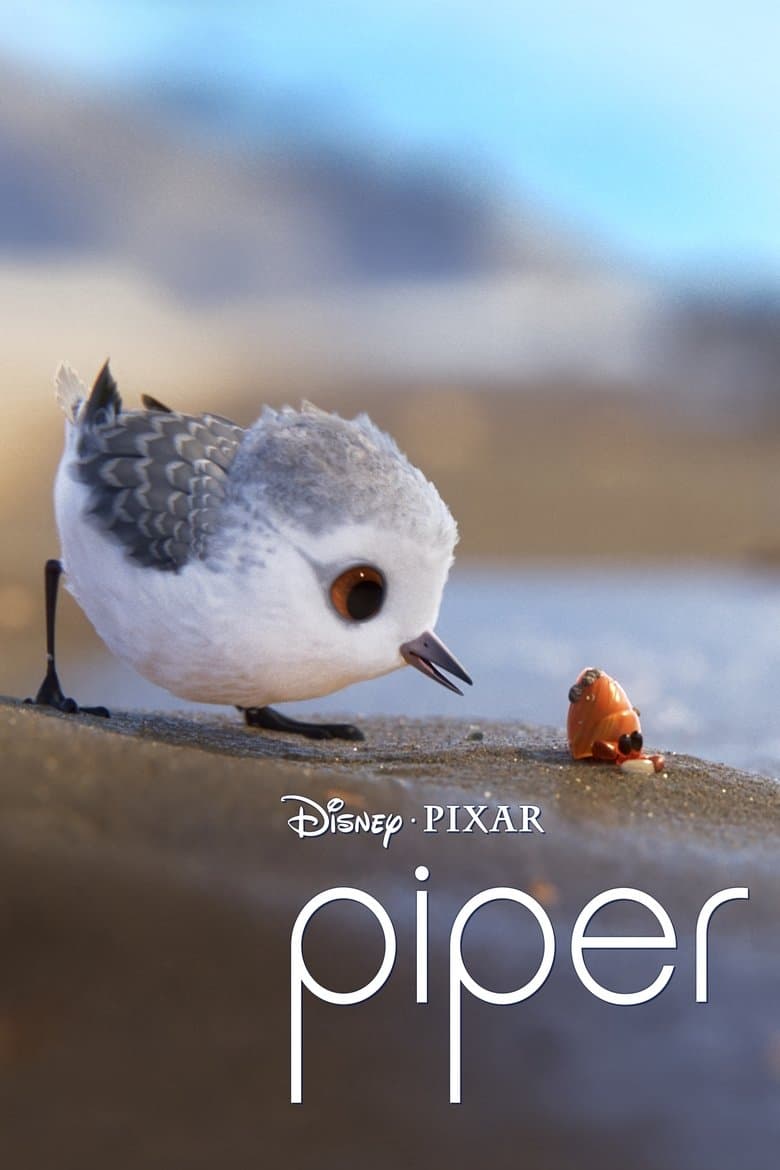
A mother bird tries to teach her little one how to find food by herself. In the process, she encounters a traumatic experience that she must overcome in order to survive.
Movie · 2016
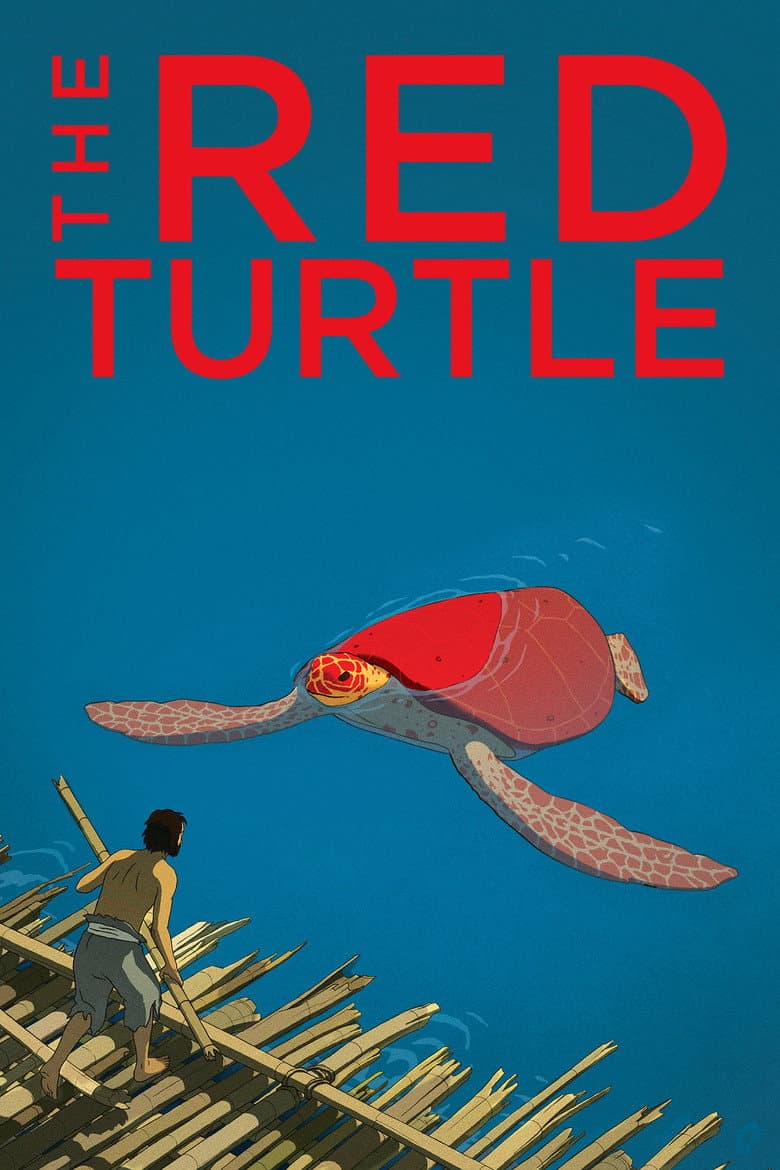
The dialogue-less film follows the major life stages of a castaway on a deserted tropical island populated by turtles, crabs and birds.
Movie · 2021
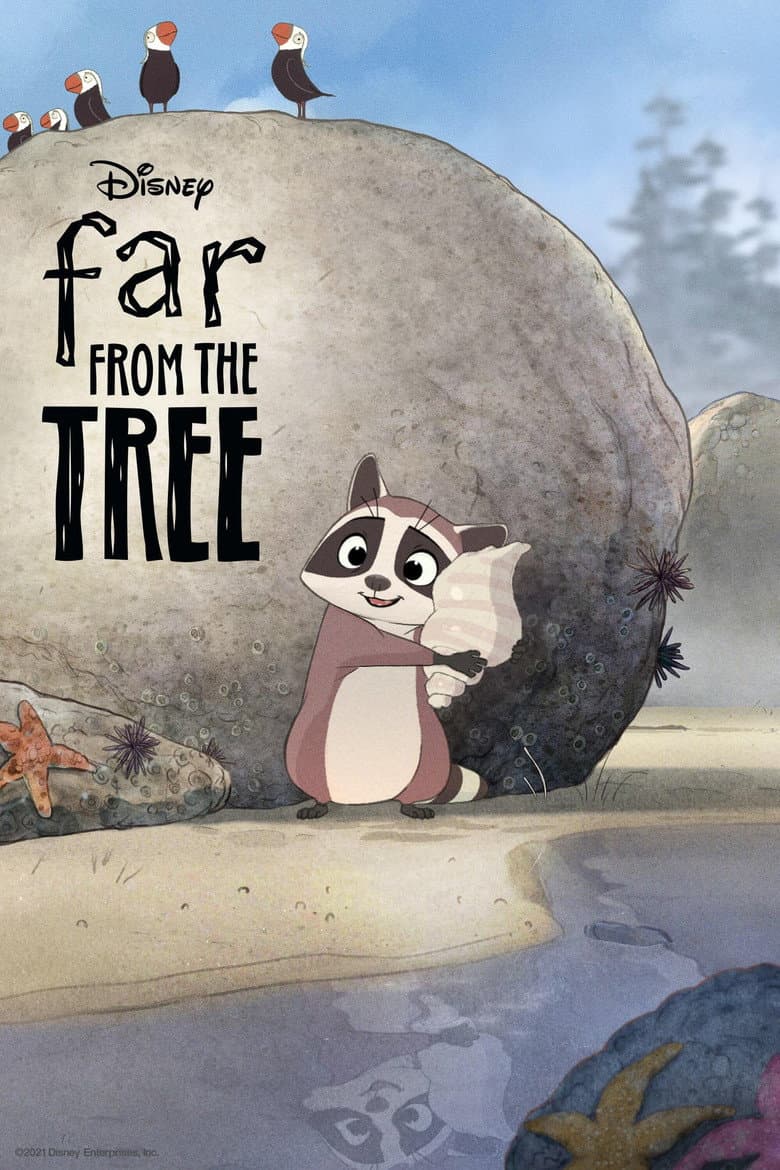
On an idyllic beach in the Pacific Northwest, curiosity gets the better of a young raccoon whose frustrated parent attempts to keep them both safe.

Movie · 2022
Marcel is an adorable one-inch-tall shell who ekes out a colorful existence with his grandmother Connie and their pet lint, Alan.
Movie · 2022
The unlikely friendship of a boy, a mole, a fox and a horse traveling together in the boy's search for home.
Movie · 2025
The world is a perplexing, peaceful mystery to Amélie until a miraculous encounter with chocolate ignites her wild sense of curiosity.
Movie · 2019
Simba idolizes his father, King Mufasa, and takes to heart his own royal destiny. But not everyone in the kingdom celebrates the new cub's arrival.
Movie · 2021
The true story of Kurt Warner, who went from a stockboy at a grocery store to a two-time NFL MVP, Super Bowl champion, and Hall of Fame quarterback.
