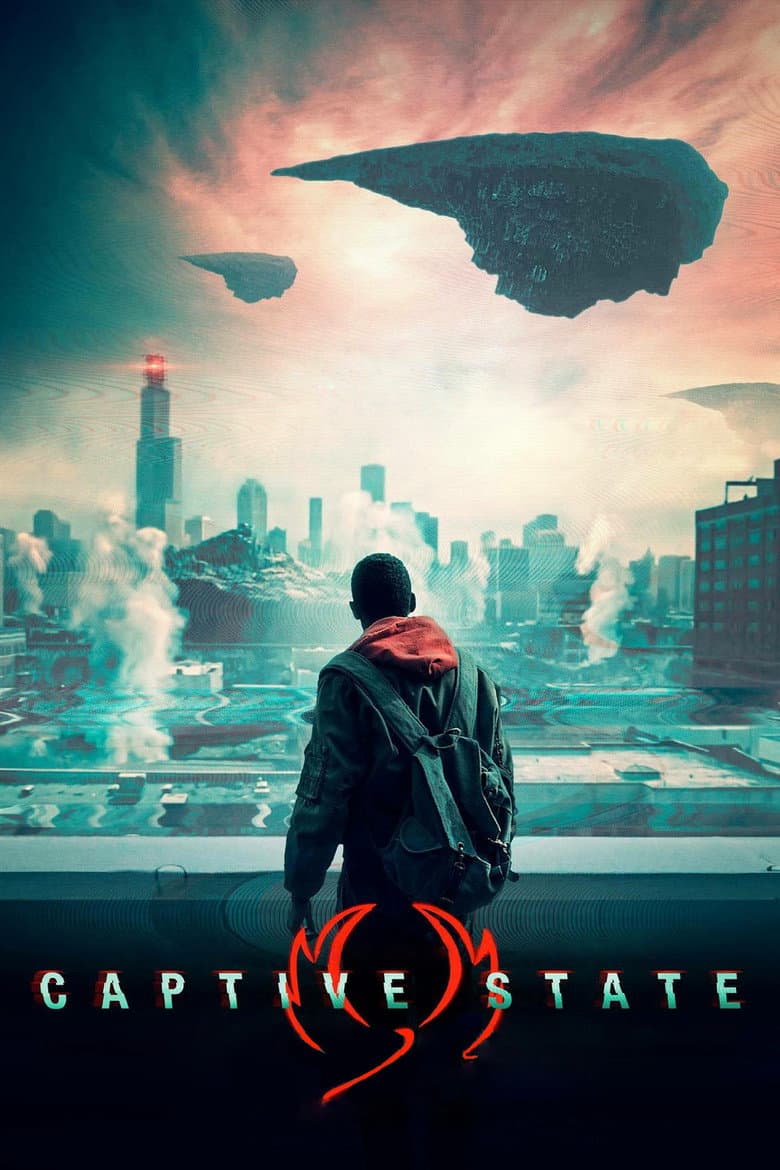
Captive State is a 2019 science fiction thriller set nearly a decade after an extraterrestrial force called the Legislators invades Earth and establishes control through martial law, surveillance, and restricted civil liberties in cities including Chicago. The story examines lives on both sides of the conflict, following a young man drawn into a human resistance effort and a police officer working within the collaborationist system while pursuing separate goals. Visible class divisions appear between those who benefit from or accept the occupation and working-class residents dealing with resource demands and control. Prominent resistance roles feature black actors in the Chicago neighborhood setting.
Community feedback
Was our 28% Woke rating accurate?
Breakdown
These are the editorial factors and ratings behind our score for Captive State.
Woke representation / casting
Prominent black actors Ashton Sanders and Jonathan Majors play the central young protagonist and resistance leader in a modern Chicago setting. The cast reflects urban diversity with additional supporting roles, but available marketing, trailers, and dialogue do not emphasize identity, quotas, or representation as a priority, and roles align with the story’s neighborhood focus without clear signaling or mismatch.
25%
Woke political dialogue
Dialogue centers on resistance planning, collaboration choices, surveillance mechanics, personal stakes, and the costs of occupation. No reported explicit activist, identity-based, DEI-style, or social-justice lectures or messaging.
0%
Identity-driven story themes
The premise focuses on human resistance to alien authoritarian rule, surveillance, and control after surrender, with visible economic class divides between those who prosper under or accept the occupation and working-class residents facing labor and restrictions. Some critics add interpretations of inequality or urban issues, but the narrative structure prioritizes thriller plotting around dissent, subterfuge, and survival over race, gender, sexuality, or identity politics.
20%
Western institutional / cultural critique
The story depicts collaborationist human government, police, and elites enforcing alien occupation via expanded surveillance, restricted rights, resource extraction, and “Closed Zones,” while showing institutional adaptation and class gaps in a U.S. city. Participant Media’s involvement indicates selection for stories of oppression and resistance. It functions as a general anti-tyranny and surveillance-state narrative without specific modern activist reframing around toxic masculinity, patriarchy, anti-whiteness, colonial guilt on the West, or core cultural institutions.
28%
Woke character or canon changes
Not relevant. Original screenplay; no established characters, source material, canon, or historical figures reinterpreted through identity, DEI, or ideological lenses.
0%
Anti-woke backlash and complaints
No notable public, critical, or social media complaints from the release period or later treat the film as advancing woke, activist, DEI, representation-first, or left-wing political content. Discussions of political elements stayed at the level of general surveillance or authoritarian allegory without prominent right-leaning outrage.
0%
Creator track record context
Rupert Wyatt’s prior work includes resistance and control themes (consistent with cached 28/100 profile). Production involved Participant Media, oriented toward socially conscious and impact-driven stories. Co-writer Erica Beeney has a low public activist profile. Cached low scores for producer David Crockett (7/100) and casting director Sheila Jaffe (4/100) apply, with research on other personnel showing no strong identity-driven or DEI patterns. Overall mild signals from resistance motifs and production house rather than recurring queer, race/gender-focused, or explicit activist creative output.
26%
Production
Movie · 2016
A special-ops team is dispatched to fight supernatural beings that have taken over a European city.
Movie · 2017
After an unprecedented series of natural disasters threatened the planet, the world's leaders came together to create an intricate network of satellites to control the global…
Movie · 2021
A former special forces agent is trapped in a time loop and relives his death over and over again. To escape the terrible situation, he must track down those responsible and stop…
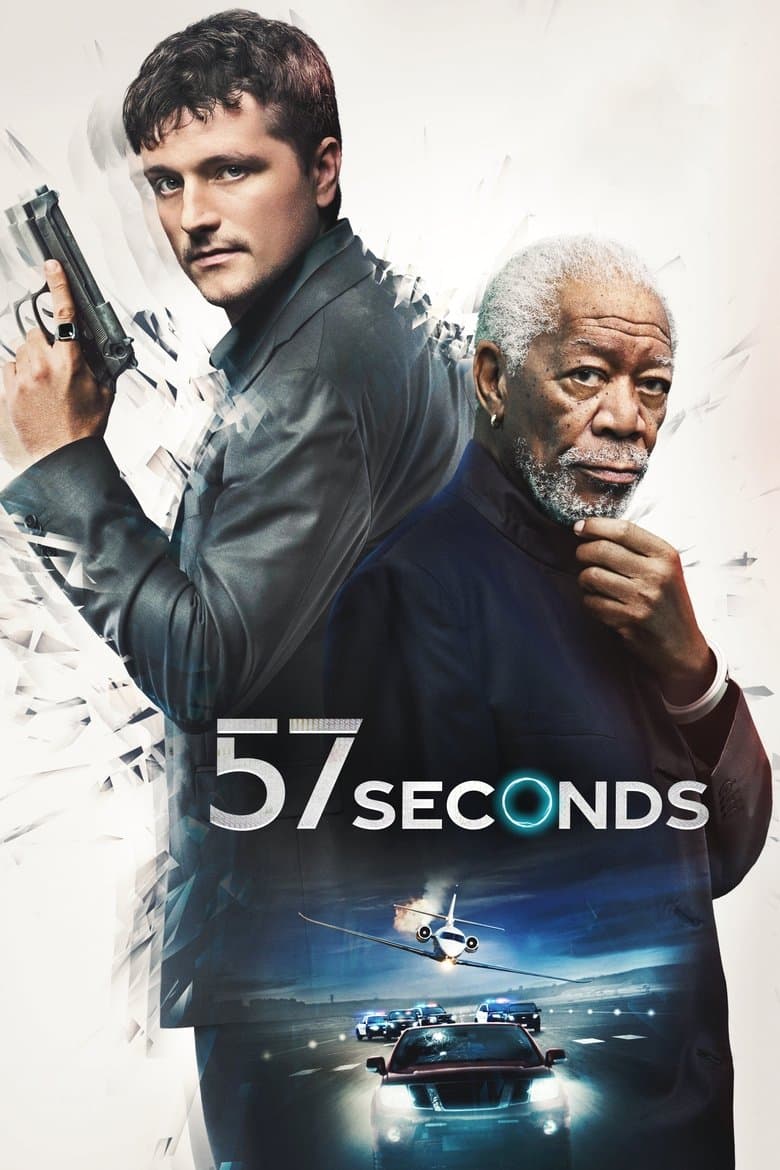
Movie · 2023
When a tech blogger lands an interview with a tech guru and stops an attack on him, he finds a mysterious ring that takes him back 57 seconds into the past.
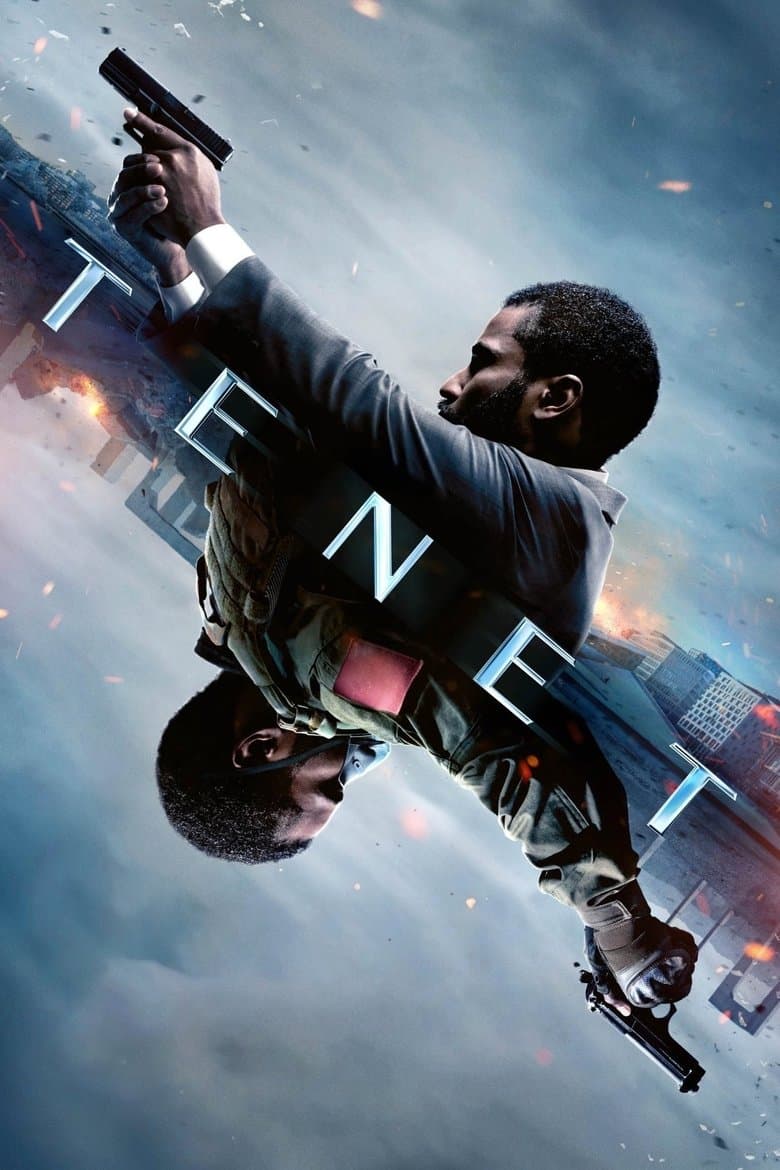
Movie · 2020
Armed with only one word - Tenet - and fighting for the survival of the entire world, the Protagonist journeys through a twilight world of international espionage on a mission…
Movie · 2026
If you found out we weren’t alone, if someone showed you, proved it to you, would that frighten you?
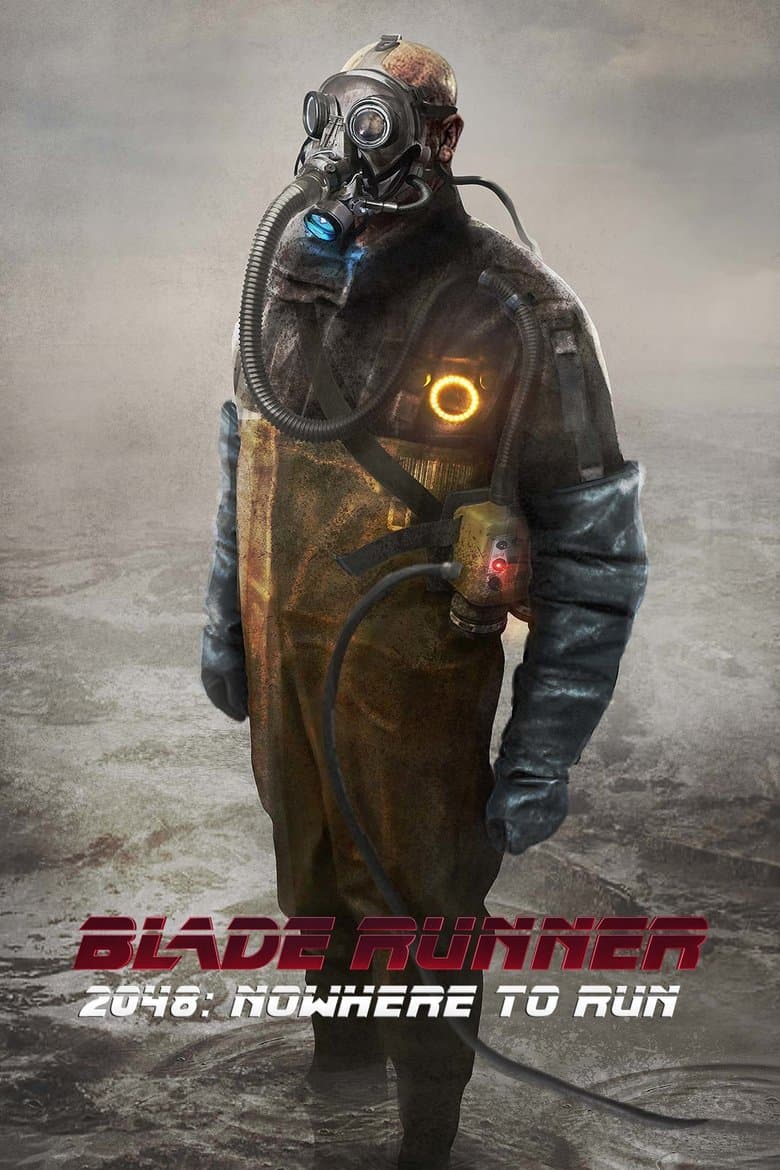
Movie · 2017
“2048: Nowhere to Run” takes place one year before the events of Blade Runner 2049. The short film focuses on Sapper, a man who is trying to make it through life day-by-day…

Movie · 2018
When a young boy accidentally triggers the universe's most lethal hunters' return to Earth, only a ragtag crew of ex-soldiers and a disgruntled scientist can prevent the end of…
