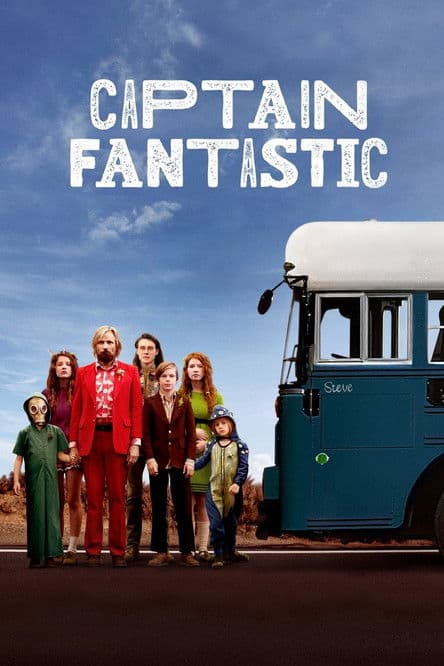
Ben Cash raises six children off the grid in the Washington wilderness. They live as left wing anarchists who distrust capitalism and consumer life. The kids train for survival, read at a high level, and avoid heavy tech dependence. They celebrate Noam Chomsky’s birthday instead of Christmas. After Leslie dies by suicide, the family clashes with her wealthy and more conventional parents over a Christian burial she had rejected as a philosophical Buddhist.
Audience facing politics are clear and constant rather than subtle background flavor. Dialogue and rituals include activist slogans, Chomsky Day, Marxism in the homeschool plan, and food theft framed as freeing goods from consumer society. The film also pushes against ordinary schooling, suburb life, and rich gated conservatism, and it puts usual Western and religious customs on the defensive. Race, gender, and queer identity packaging is largely absent. The real spine is an anti capitalist counterculture family forced into mainstream America, with grief and extreme parenting as the emotional core.
Community feedback
Was our 53% Woke rating accurate?
Breakdown
These are the editorial factors and ratings behind our score for Captain Fantastic.
Woke representation / casting
Not present. Principal cast is a white Pacific Northwest off-grid family and matching relatives with no audience-visible diversity-quota pattern.
0%
Woke political dialogue
The talk is openly left activist and easy to hear throughout the story. The family uses power to the people chants and treats Chomsky Day like Christmas. Homeschooling covers Marxism and critical theory, and grocery theft is framed as freeing food from consumer society. This is classical left rhetoric more than race or gender jargon, but it stays constant and plot visible.
55%
Identity-driven story themes
The main story is an anti capitalist counterculture family forced into mainstream America. Grief and extreme parenting drive the emotions. Political ideology defines who the Cashes are. It is not a race, gender, or queer identity story, though the classical left premise sits at the center.
40%
Western institutional / cultural critique
The film keeps pushing against consumer capitalism, ordinary schooling, suburb life, and rich gated conservatism. Replacing Christmas with Chomsky Day and resisting a Christian funeral put usual Western and religious norms on the defensive. Ben is a strong wilderness father the film both admires and questions. It is not a modern toxic masculinity treatise.
48%
Woke character or canon changes
Not relevant. because this is an original screenplay, not an adaptation or historical rewrite.
0%
Anti-woke backlash and complaints
Some conservative critics mocked Ben, Chomsky Day, and the stick it to the man play acting. They said the film confirmed academic left prejudices. That is older anti left pushback, not a big modern DEI social media storm. The score stays low because the scale of complaint is thin.
18%
Creator track record context
Matt Ross talks about commune childhood, parenting, and nuance for different Americas rather than diversity crusading. Production context is described as mild classical liberal advocacy overall. It is not framed as an identity politics creative slate.
16%
Production
Movie · 2023
In the 1870s, a young Harvard dropout seeks his destiny out West by tying his fate to a team of buffalo hunters led by a man named Miller.
Movie · 2018
A man stranded in the Arctic is finally about to receive his long awaited rescue. However, after a tragic accident, his opportunity is lost and he must then decide whether to…
Movie · 2023
The ultimate wish-fulfillment tale of a teenage Gran Turismo player whose gaming skills won him a series of Nissan competitions to become an actual professional racecar driver.
Movie · 2024
Six months into a solo mission, a lonely astronaut confronts the cracks in his marriage with help from a mysterious creature he discovers on his ship.
Movie · 2016
The feel-good story of Michael 'Eddie' Edwards, an unlikely but courageous British ski-jumper who never stopped believing in himself—even as an entire nation was counting him out.
Movie · 2017
Stranded on a mountain after a tragic plane crash, two strangers must work together to endure the extreme elements of the remote, snow-covered terrain.
Movie · 2022
In 1909, two explorers fight to survive after they're left behind while on a Danish expedition in ice-covered Greenland.
Movie · 2024
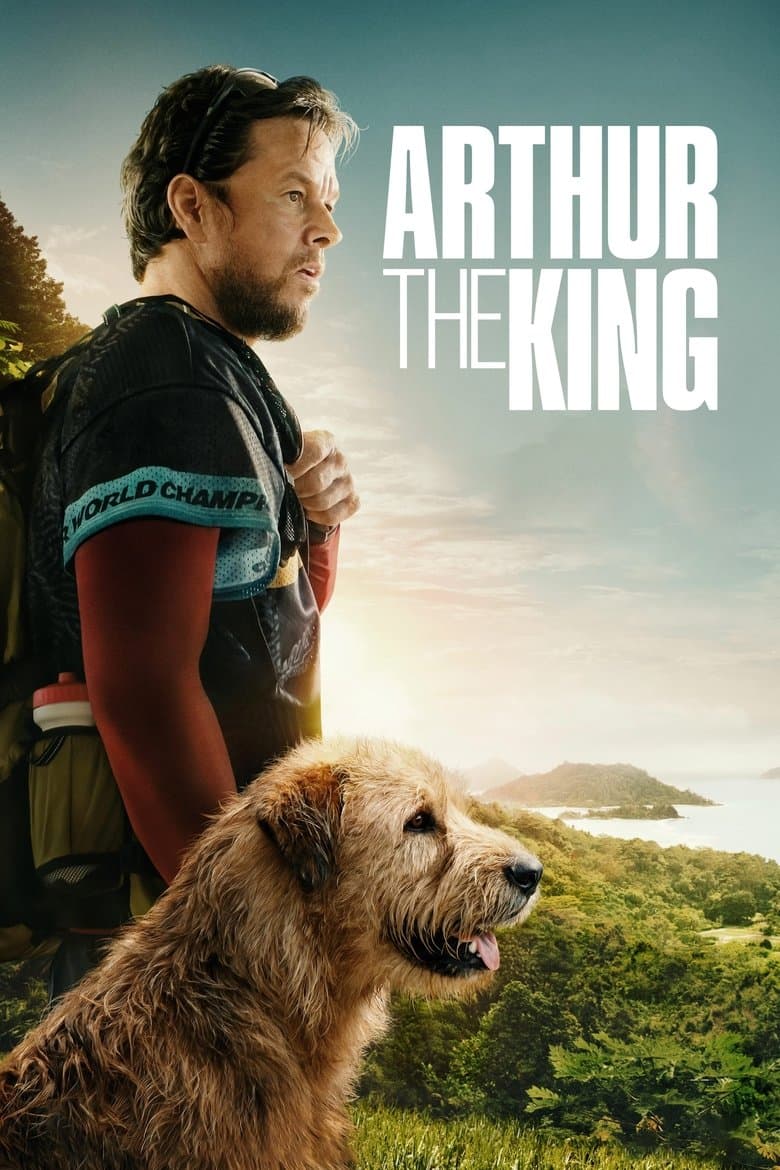
Over the course of ten days and 435 miles, an unbreakable bond is forged between pro adventure racer Michael Light and a scrappy street dog companion dubbed Arthur.
