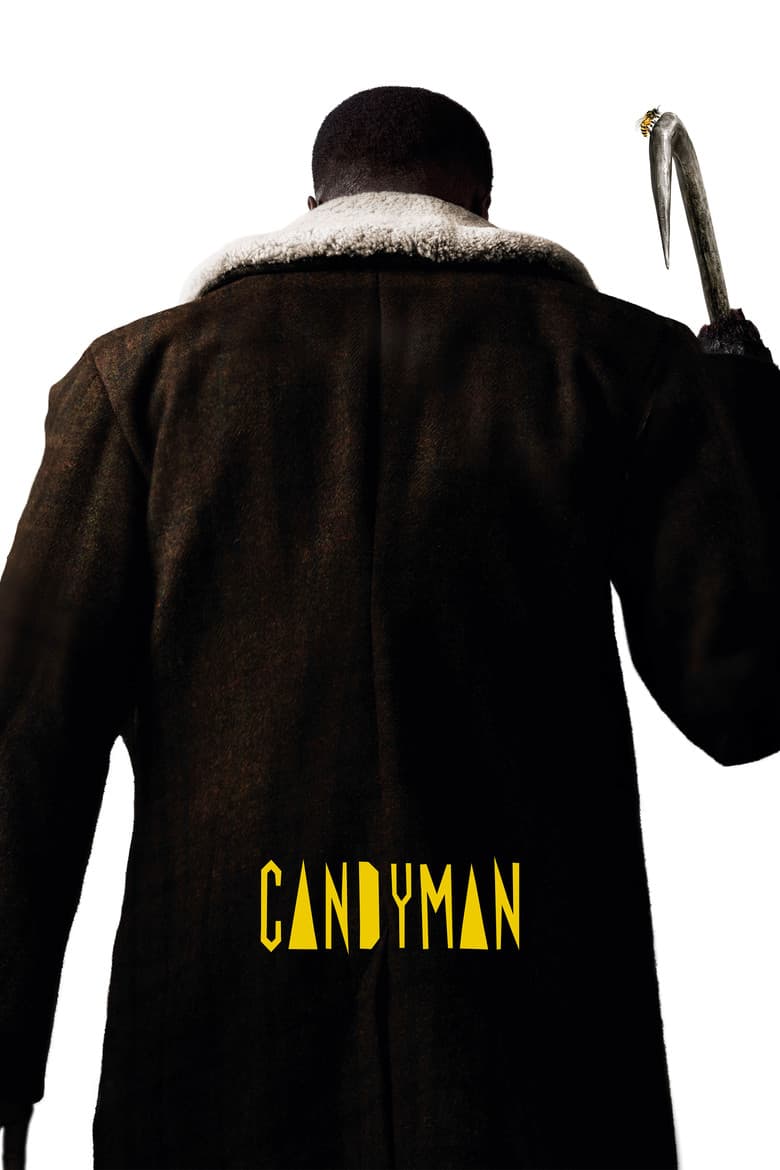
The 2021 Candyman follows black artist Anthony McCoy as he moves into a gentrified Chicago loft built on the old Cabrini-Green projects and becomes obsessed with the local urban legend of a hook-handed killer. The story links the monster to historical lynchings of black men, a 1970s police killing of an innocent black man, and ongoing cycles of racial violence and trauma. It uses horror to explore gentrification erasing black history and police brutality, with marketing that directly references Black Lives Matter activism via the "Say his name" tagline and challenges.
Community feedback
Was our 83% Woke rating accurate?
Breakdown
These are the editorial factors and ratings behind our score for Candyman.
Woke representation / casting
Predominantly black leads and supporting cast in a story set in a historically black Chicago neighborhood facing gentrification; casting fits the premise and location naturally with no visible mismatches or forced signaling.
18%
Woke political dialogue
Characters discuss police brutality, gentrification's harm to black communities, and the art world's use of black trauma in direct, contemporary terms that some found blunt or explanatory.
38%
Identity-driven story themes
Central premise redefines the Candyman as a collective "hive" of black men killed by racist violence and police actions, framing the monster as generational trauma and retribution against systemic oppression.
68%
Western institutional / cultural critique
Explicit focus on police cover-ups of black deaths, gentrification as cultural erasure, and institutional racism as drivers of ongoing harm, tied to modern activist language and real-world parallels.
62%
Woke character or canon changes
Expands original lore into a multi-victim hive and links the protagonist directly to the 1992 events while shifting emphasis to collective racial justice and anti-police violence over the source material's gothic and class-focused elements.
35%
Anti-woke backlash and complaints
Viewers and critics on forums and in reviews specifically called out the racial politics, police brutality focus, and "woke" messaging as overshadowing horror, leading to review bombing and labels like preachy or divisive.
48%
Creator track record context
Jordan Peele and Nia DaCosta carry established patterns of racial and social-justice themes in horror; supporting team and original story contributors add milder or neutral context overall.
52%
Production
Movie · 2021
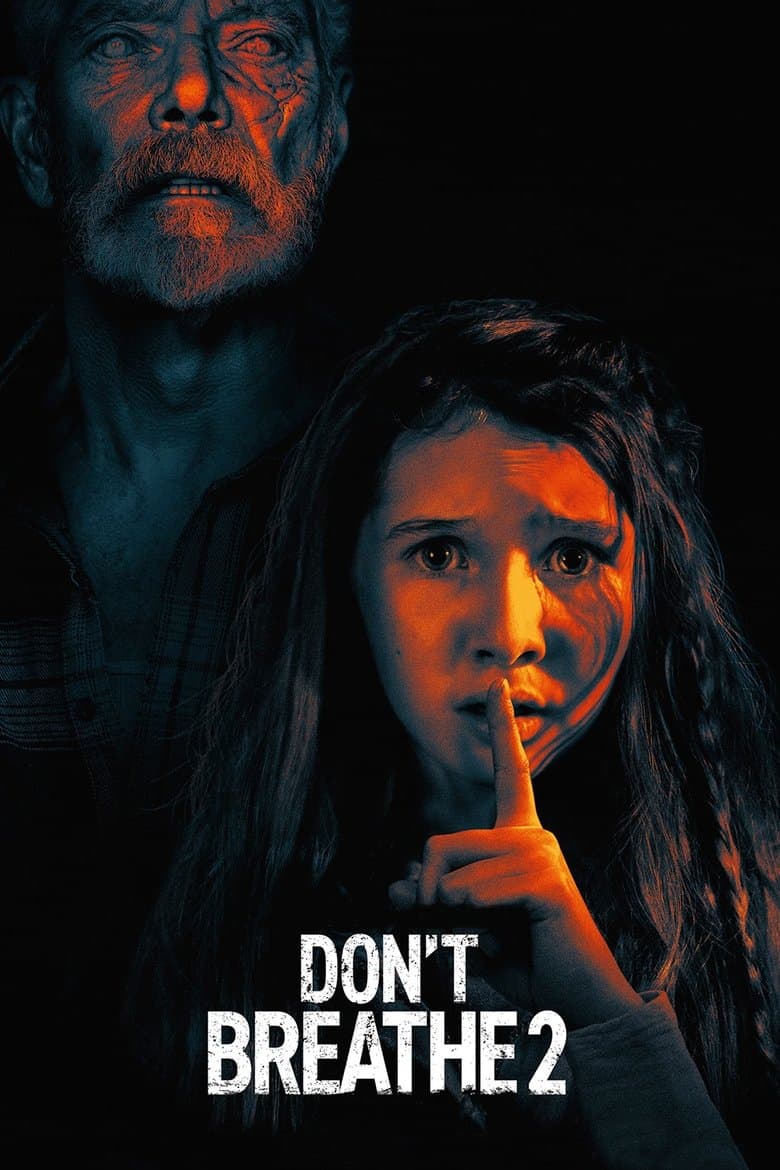
The Blind Man has been hiding out for several years in an isolated cabin and has taken in and raised a young girl orphaned from a devastating house fire.
Movie · 2018
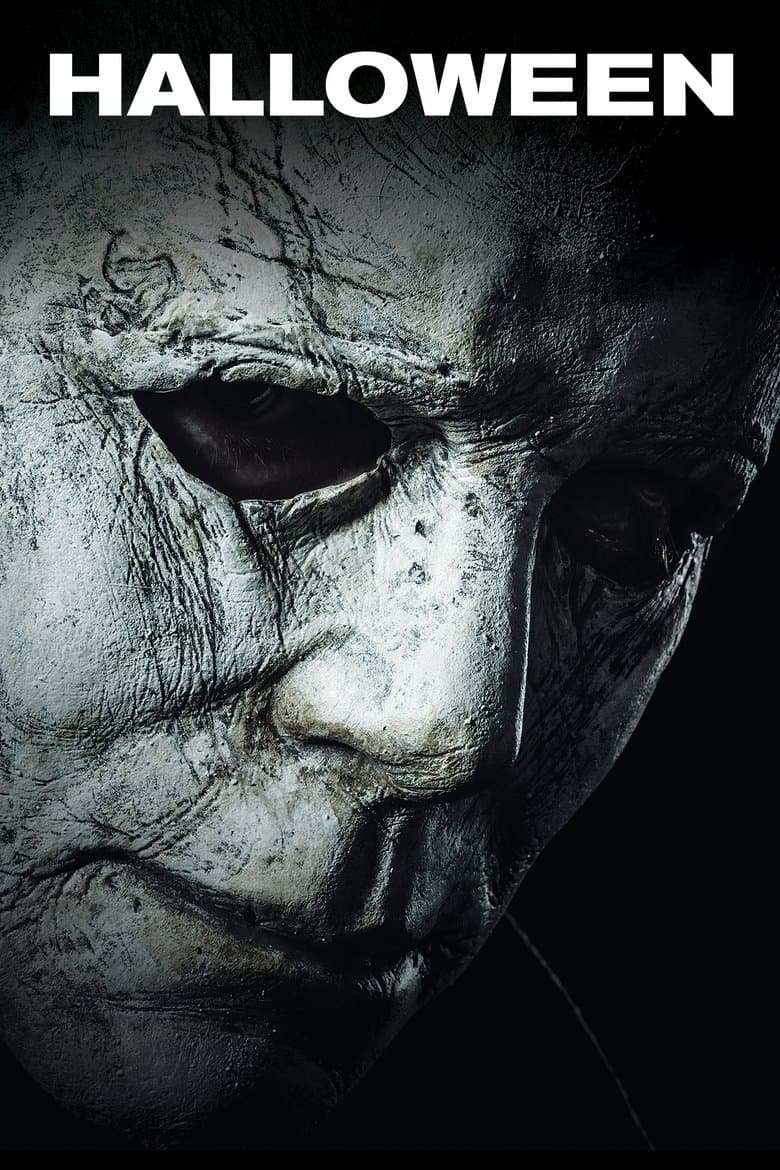
Laurie Strode comes to her final confrontation with Michael Myers, the masked figure who has haunted her since she narrowly escaped his killing spree on Halloween night four…
Movie · 2024
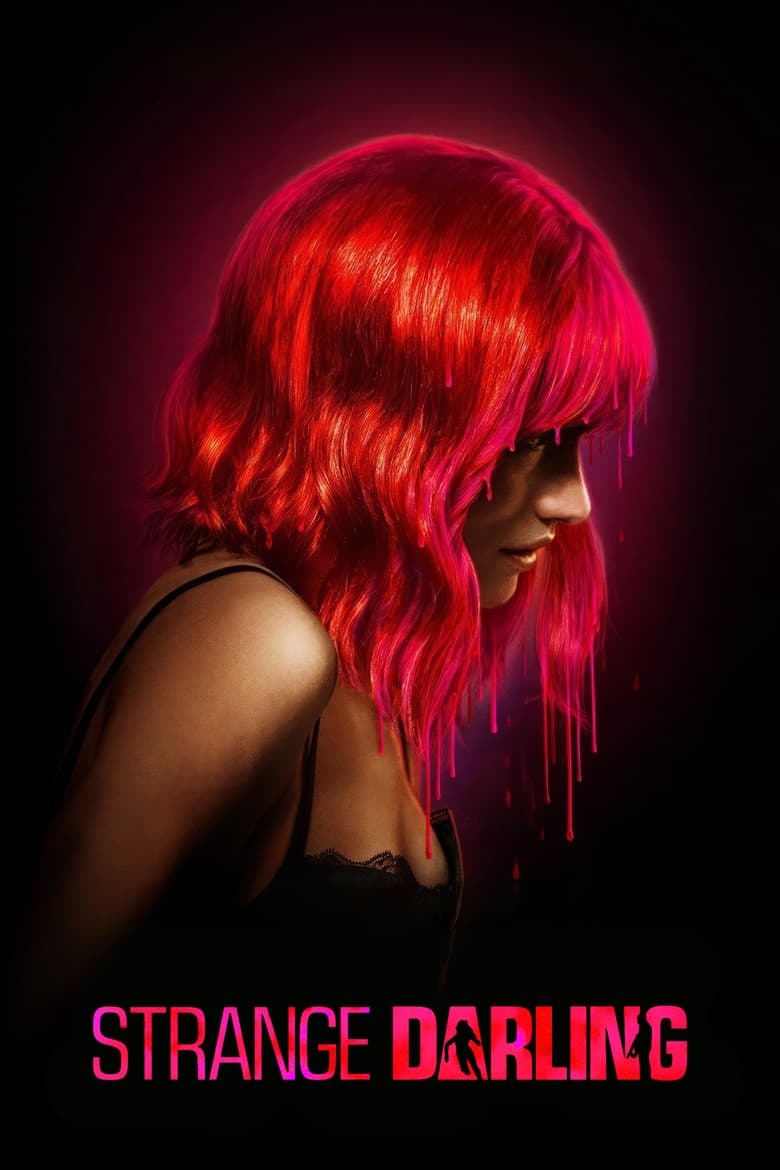
Nothing is what it seems when a twisted one-night stand spirals into a serial killer’s vicious murder spree.
Movie · 2025
A collection of Halloween-themed videotapes unleashes a series of twisted, blood-soaked tales, turning trick-or-treat into a struggle for survival.
Movie · 2024
In 1980s Hollywood, adult film star and aspiring actress Maxine Minx finally gets her big break. But as a mysterious killer stalks the starlets of Hollywood, a trail of blood…
Movie · 2024
When an American family is invited to spend the weekend at the idyllic country estate of a charming British family they befriended on vacation, what begins as a dream holiday soon…
Movie · 2018
A man recently released from a mental institute inherits a mansion after his parents die. After a series of disturbing events, he comes to believe it is haunted.
Movie · 2024
Patrick, a strange and lonely resident, lives in a mobile home at the back of an isolated caravan park. After a violent thunderstorm erupts, a mysterious young woman appears at…
