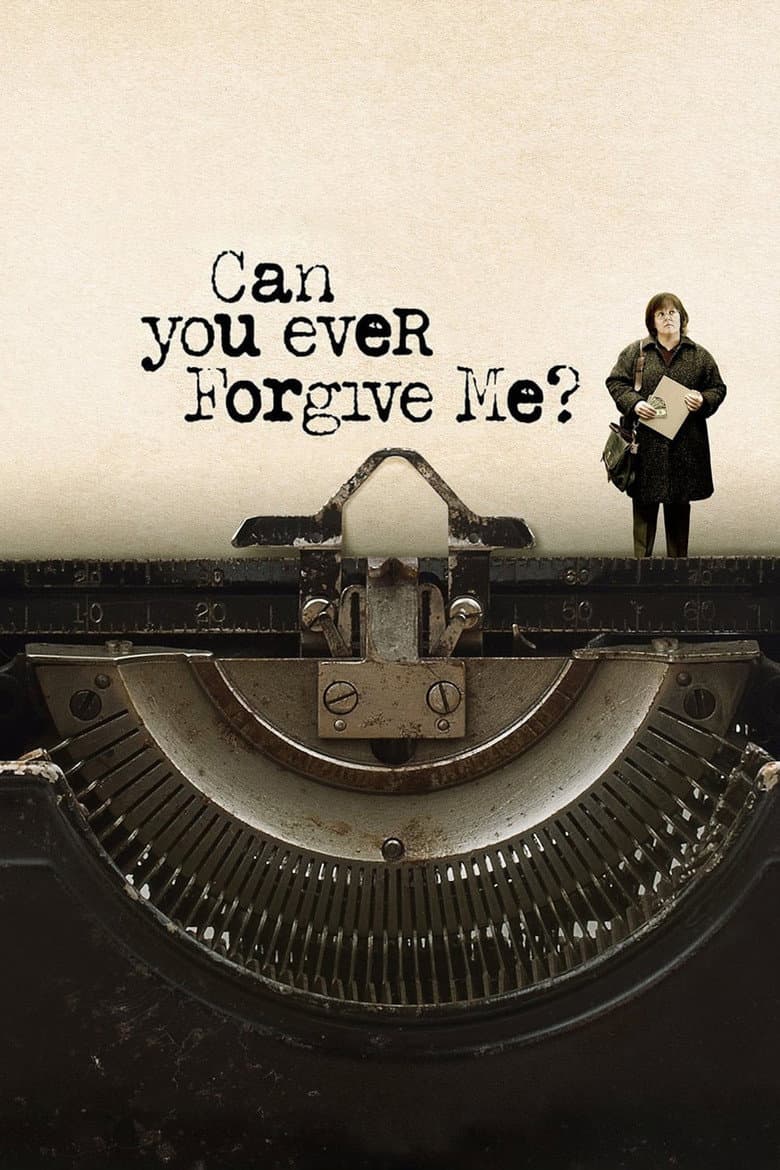
Lee Israel is a once successful writer who has lost her work, money, and patience. In 1991 New York, she starts making fake letters from famous writers and selling them to book dealers. Her old acquaintance Jack Hock helps her, and the two drift into theft and other trouble. The film uses dry jokes and a sad mood as Lee tries to protect her sick cat, her pride, and her fading life.
Lee is a lesbian, and Jack is a gay man, so the film shows their place in a gay bar and their lives as lonely outsiders. Lee also meets her former girlfriend Elaine and has a brief, awkward connection with bookseller Anna. These details are part of the characters' real lives and add to the film's themes of isolation, trust, and the need for friendship. The main story stays focused on money trouble, writing, crime, drinking, and the cost of shutting other people out.
Community feedback
Was our 38% Woke rating accurate?
Breakdown
These are the editorial factors and ratings behind our score for Can You Ever Forgive Me?.
Woke representation / casting
Lee is a lesbian and Jack is a gay man, so two LGBTQ characters hold major roles. Those choices match the real people and the 1991 New York setting. The film does not use race swaps or a forced mix of identities. Interview coverage framed the movie through the female gaze and as part of the push for women behind the camera.
22%
Woke political dialogue
Lee calls a writer a white male who does not know he is bad. Lee calls Tom Clancy's work red-baiting propaganda. The lines are part of one argument about publishing money and status. The film does not return to a wider modern political lesson.
19%
Identity-driven story themes
Lee's lesbian identity appears in her past relationship with Elaine and her brief connection with Anna. Jack's gay identity appears through his friendship with Lee, his gay-bar life, and references to his relationships. These details show two lonely outsiders and make trust and friendship more important. The main plot remains about money, forgery, drinking, and a writer who damages her own life.
30%
Western institutional / cultural critique
The film shows publishers favoring famous names and public image over Lee's old kind of writing. Lee and Anna complain about a white male writer, and Lee mocks Tom Clancy's red-baiting books. The film treats these lines as sharp jokes from bitter writers. It does not build a repeated attack on capitalism, patriarchy, or Western institutions.
15%
Woke character or canon changes
Not relevant. The film adapts Lee Israel's own memoir with reasonable fidelity to her personality, crimes, relationships, and life events, including her sexuality as a factual element. Minor dramatizations (expanded Jack friendship, added romantic tension with Anna) serve emotional and plot needs without ideological alterations to real figures, canon, or historical details.
0%
Anti-woke backlash and complaints
Movieguide published an explicit complaint that the film pushes politically correct gay content. The review also objected to the white-male joke and the red-baiting line. Most Reddit, Letterboxd, and news reaction focused on acting, crime, and friendship. The evidence shows a clear but narrow complaint rather than a large backlash.
20%
Creator track record context
Marielle Heller has a stored 46/100 score for work about women, identity, and sexuality. Jeff Whitty has a stored 58/100 score because many of his projects center queer stories. Nicole Holofcener has a stored 32/100 score for stories about women and their relationships. The other listed creators mostly have low scores, so the context is mixed but supports the film's female and queer focus.
43%
Production

Movie · 2016
Based on the true story of two young men, David Packouz and Efraim Diveroli, who won a $300 million contract from the Pentagon to arm America's allies in Afghanistan.

Movie · 2017
After 20 years abroad, Mark Renton returns to Scotland and reunites with his old friends Sick Boy, Spud and Begbie.
Movie · 2019
Hoping to leave his criminal lifestyle behind him, a successful art thief teams up with a sexy con woman to pull off the ultimate heist and set himself free.
Movie · 2017
The true story of pilot Barry Seal, who transported contraband for the CIA and the Medellin cartel in the 1980s.

Movie · 2017
When a depressed woman is burglarized, she finds a new sense of purpose by tracking down the thieves alongside her obnoxious neighbor.
Movie · 2018
The true story of Forrest Tucker, from his audacious escape from San Quentin at the age of 70 to an unprecedented string of heists that confounded authorities and enchanted the…
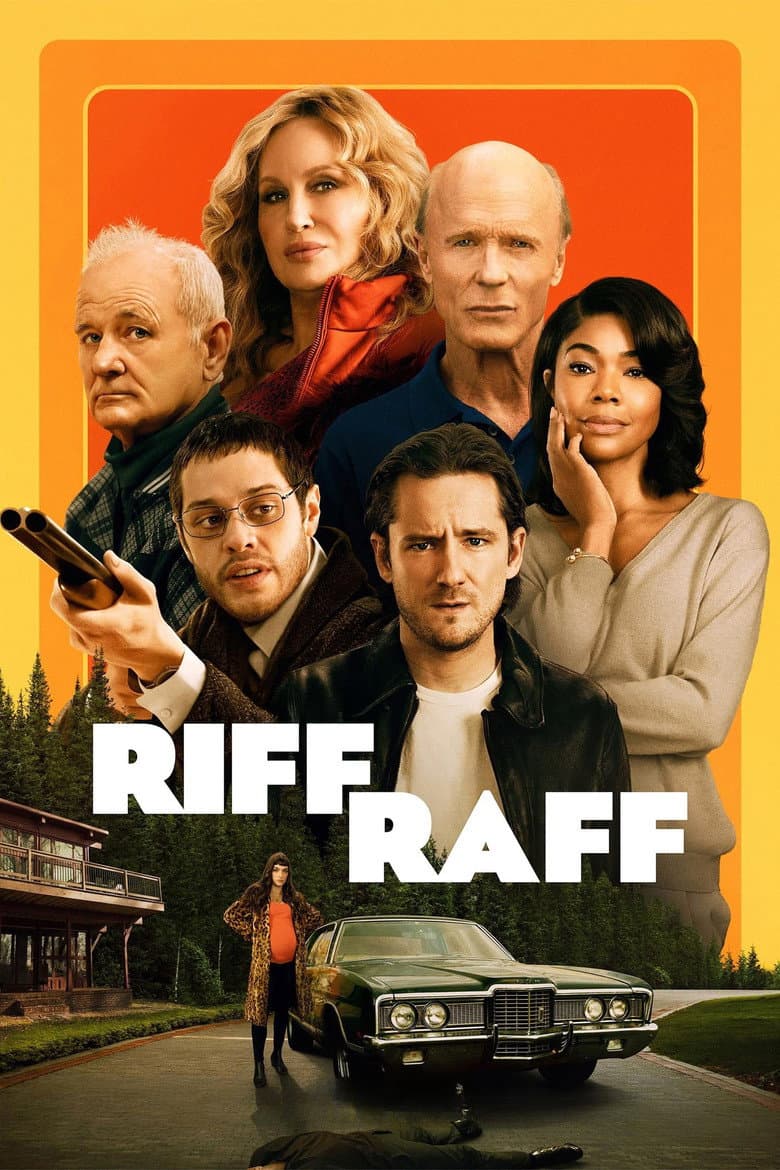
Movie · 2025
A retired hitman's life is turned upside down when his ex-wife and son arrive unannounced during the holidays because they are on the run from his former mob associates.

Movie · 2025
A former Army Ranger and struggling father turns to robbing McDonald’s restaurants by cutting holes in their roofs, earning him the nickname "Roofman." After escaping prison, he…
