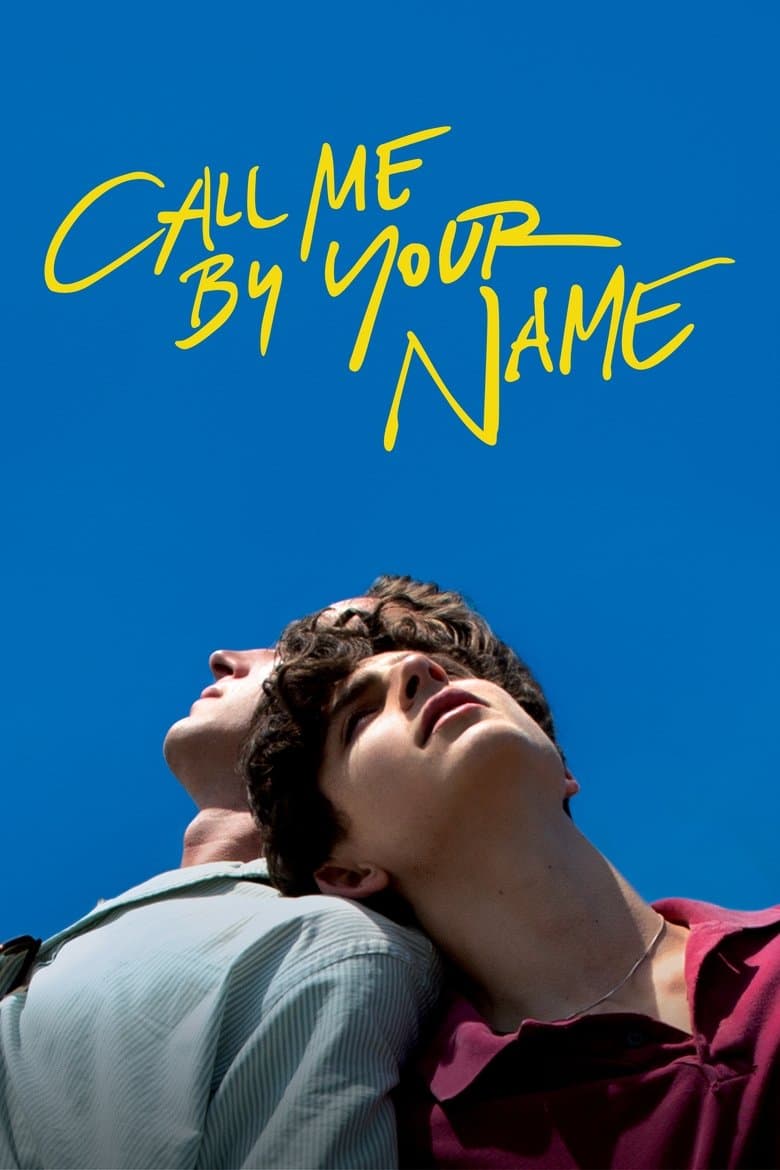
In the summer of 1983, a seventeen-year-old boy named Elio lives with his parents in a country house in Northern Italy. Elio loves reading, playing piano, and hanging out with friends. His quiet life changes when Oliver, a twenty-four-year-old American student, arrives to stay with them. Over the next few weeks, the two young men spend their days together swimming, riding bikes, and talking. They soon develop deep feelings and begin a secret romantic relationship. This movie is a quiet romance drama that puts gay relationship themes directly at the center. Viewers will easily notice that the entire story is about a young man exploring his same-sex desires. The film also features a highly supportive family that fully accepts and encourages the boys' bond. This quiet story heavily focuses on challenging traditional ideas about romance and family.
Community feedback
Was our 85% Woke rating accurate?
Breakdown
These are the editorial factors and ratings behind our score for Call Me by Your Name.
Woke representation / casting
The casting places same-sex romance front and center. While the main actors are not openly queer in real life, their portrayal of a passionate gay relationship is the central focus of the entire project. This prominent focus on LGBTQ+ themes elevates the representation score into a much higher tier.
65%
Woke political dialogue
The film does not contain modern political sermons or activist lectures. Characters talk about philosophy, classical history, and their feelings. However, the prominent themes of same-sex romance and acceptance, particularly the father's emotional speech about embracing love and desire, add a light identity-focused dimension to the dialogue.
25%
Identity-driven story themes
The entire narrative is centered on a queer romance, making identity themes the dominant focus of the story. The plot follows a young man's discovery of his sexuality, his secret relationship with an older man, and the emotional aftermath of their bond. Because the movie is entirely built around this LGBTQ+ coming-of-age arc, these identity-driven themes are highly visible and impossible to miss.
88%
Western institutional / cultural critique
The story presents a quiet subversion of traditional family expectations and social norms of the 1980s. Elio's parents are highly liberal, secular, and completely accepting of his same-sex romance. The father encourages him to embrace his feelings rather than hide them. While it lacks aggressive activist lecturing or angry attacks on Western systems, this idealized portrayal of a non-traditional, highly permissive family structure challenges conservative social expectations.
35%
Woke character or canon changes
Not relevant. The movie is a very close and faithful adaptation of André Aciman's 2007 novel. The book was already a story about a same-sex romance, and the movie makes no woke or identity-driven swaps to the characters or the source material.
0%
Anti-woke backlash and complaints
The film faced noticeable backlash from conservative and traditional groups. Many critics and viewers objected to the central romance due to the age difference between the 17-year-old Elio and the 24-year-old Oliver, with some calling it grooming. Other online complaints targeted the movie as left-wing or progressive propaganda designed to push LGBTQ+ lifestyles into the mainstream.
42%
Creator track record context
The main creative minds behind the film have a distinct history of making queer-focused movies. Screenwriter James Ivory is a legendary figure in gay cinema, known for landmark films like Maurice. Director Luca Guadagnino frequently makes movies that explore fluid sexuality and same-sex desire, including Challengers and Queer. Their combined focus on these topics gives the project a strong foundation in LGBTQ+ storytelling.
52%
Production

Movie · 2019
After learning that his terminally ill wife has six months to live, a man welcomes the support of his best friend who moves into their home to help out.

Movie · 2017
A brilliant but impulsive young surgeon spirals into self-destruction after a painful breakup, struggling to cope with love, loss, and the consequences of his own temper.
Movie · 2018
As a young New York couple goes from college romance to marriage and the birth of their first child, the unexpected twists of their journey create reverberations that echo over…

Movie · 2018
Seasoned musician Jackson Maine discovers — and falls in love with — struggling artist Ally. She has just about given up on her dream to make it big as a singer — until Jack…
Movie · 2018
The coming-of-age tale of 16-year-old Lina Vilkas who is deported to Siberia amid Stalin's reign of terror in the Baltic region during WWII.
Movie · 2017
In 1950s London, a renowned dressmaker's meticulous lifestyle begins drastically changing as his relationship with his young muse intensifies.
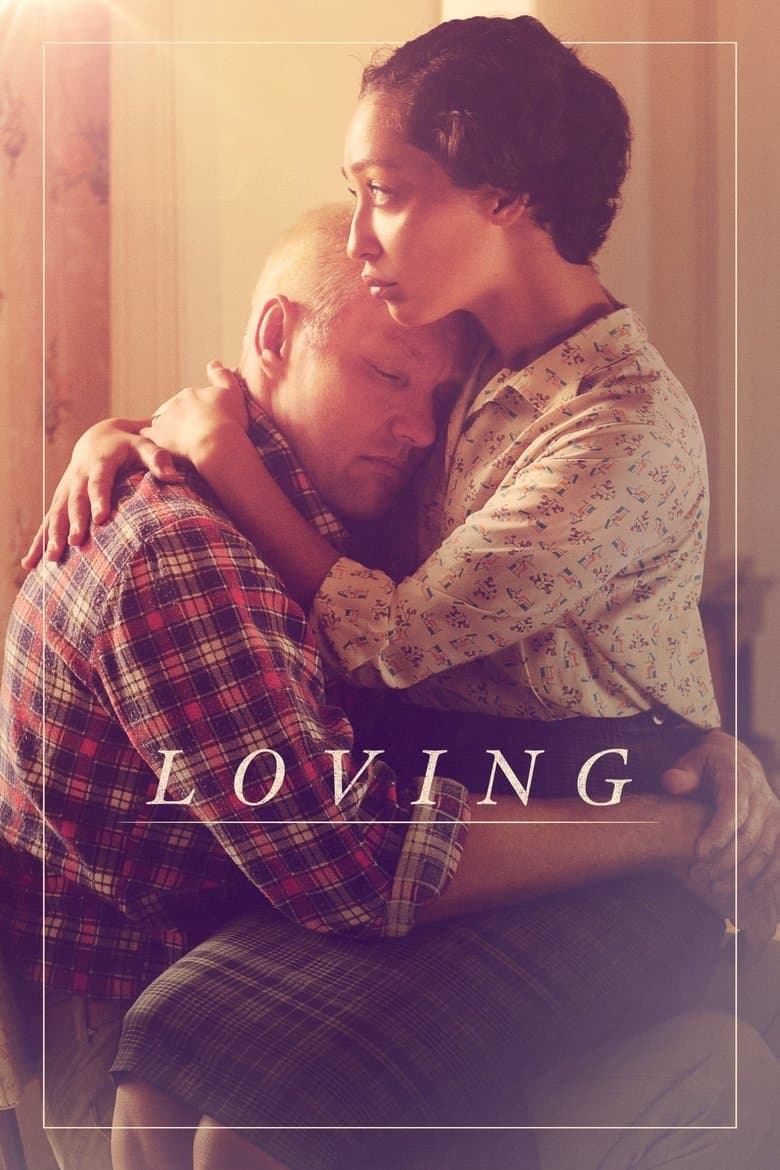
Movie · 2016
In 1958, in the state of Virginia, the idea of interracial marriage was not only considered to be immoral to many, it was also illegal.

Movie · 2016
A week in the life of Paterson, a poet bus driver, and his wife Laura, a very creative artist, who live in Paterson, New Jersey, hometown of many famous poets and artists.
