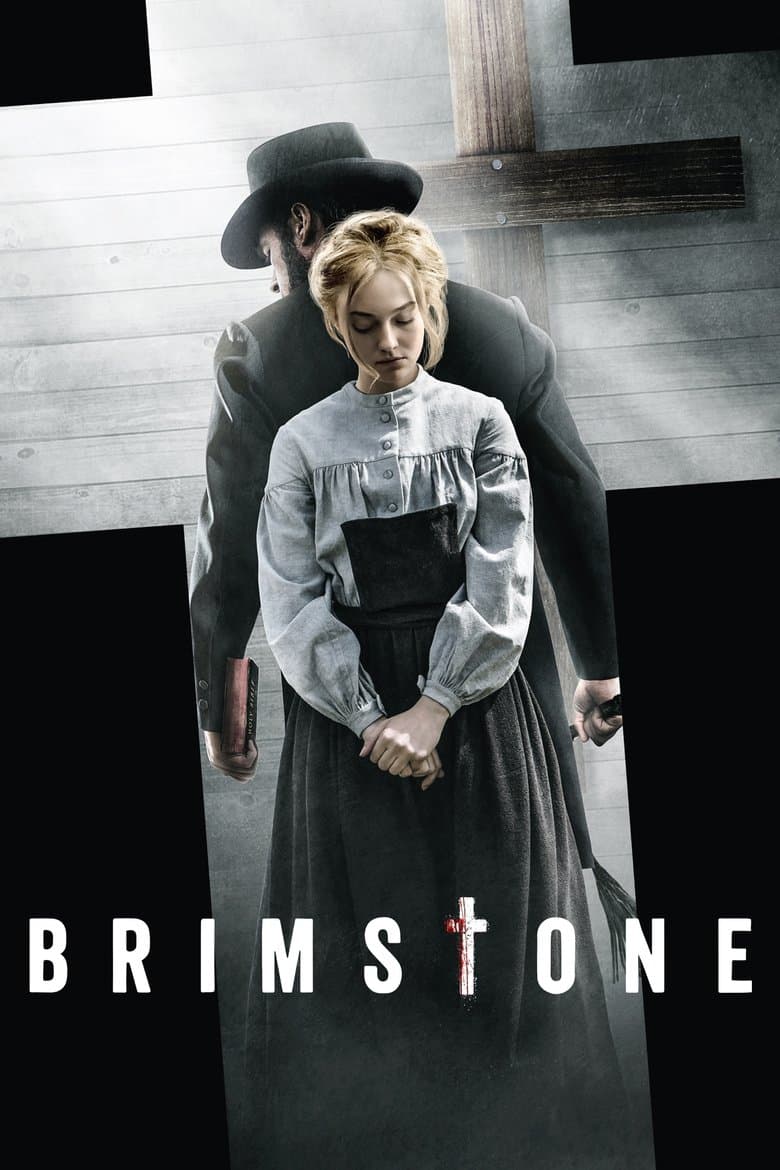
A brutal, non-linear psychological Western follows Liz, also called Joanna, a frontier midwife and survivor. She is hunted across years by a fanatical preacher known as The Reverend. The story unfolds in four chapters with biblical titles: Revelation, Exodus, Genesis, and Retribution. It tracks incestuous abuse, forced prostitution, mutilation, and revenge in the late-nineteenth-century American West. The film is grim and intense, and it focuses on her long fight to stay free and protect her life as a mother.
The whole narrative is built around a woman fleeing male sexual and religious control for her entire life. Gendered oppression is the spine of the four-chapter structure, not a side beat. Christianity, a Calvinist-coded preacher, church power, and patriarchal male authority are the main engines of evil. Toxic masculinity, male entitlement, and religious institutions that enable rape and domination are hard to miss. Queer identity is absent, and the casting is mostly era-typical rather than a diversity showcase. The result reads as a feminist-adjacent survival Western that strongly critiques religious authority and male power.
Community feedback
Was our 52% Woke rating accurate?
Breakdown
These are the editorial factors and ratings behind our score for Brimstone.
Woke representation / casting
Lead and major roles are era-typical Old West white Europeans and Americans. A short traveling Chinese family and mining-town Chinese characters fit frontier history. Muteness is caused by the plot when a tongue is cut off. There is no quota-style diverse hero ensemble or marketed diversity casting.
5%
Woke political dialogue
Most speech is fire-and-brimstone scripture, sin, punishment, and frontier survival talk. There is little modern activist jargon. The force of the themes comes more from structure and violence than from slogans. Occasional talk of women’s degradation under religious male power is present but dressed in period language.
15%
Identity-driven story themes
The whole story follows a woman fleeing male sexual and religious control across her life. Gendered oppression is the spine of the four-chapter structure, not a side beat. Queer identity is absent. The film reads as a feminist-adjacent survival Western rather than race or DEI identity politics.
50%
Western institutional / cultural critique
Christianity and patriarchal male authority are the main engines of evil. A Calvinist-coded preacher, church power, biblical chapter titles, and scripture used to justify incest drive the plot. Toxic masculinity and religious institutions that enable rape and domination are hard to miss. The director has linked misogyny and religion to present-day relevance.
64%
Woke character or canon changes
Not relevant. This is an original screenplay with no identity-driven rewrite of established characters, franchise canon, or real historical figures.
0%
Anti-woke backlash and complaints
Not present. No sustained right-leaning or anti-woke campaign treated the film as DEI propaganda or a woke Western. Festival and press heat was about graphic violence and sexual content. Left or feminist claims that it is not genuinely feminist or is exploitative do not count as anti-woke backlash.
0%
Creator track record context
Cached key-person scores are low to moderate overall. Koolhoven as writer-director scores 28 and is the main content driver, with religious abuse and women’s suffering plus modern resonance. He does not have a broad serial activist filmography. Most listed producers and crew sit around 12 to 23 with no identity-politics pattern.
25%
Production
Movie · 2017
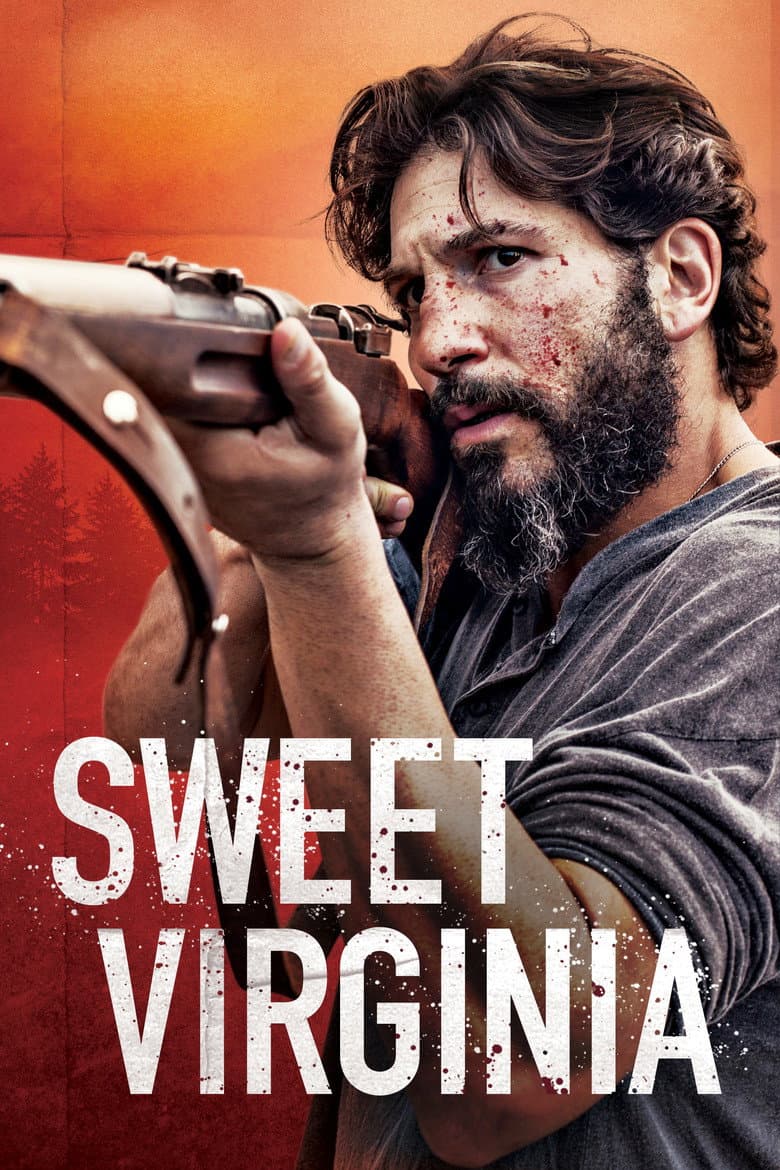
A former rodeo star, now a motel manager, meets a young man who is responsible for the violence that suddenly has seized his small town.
Movie · 2016
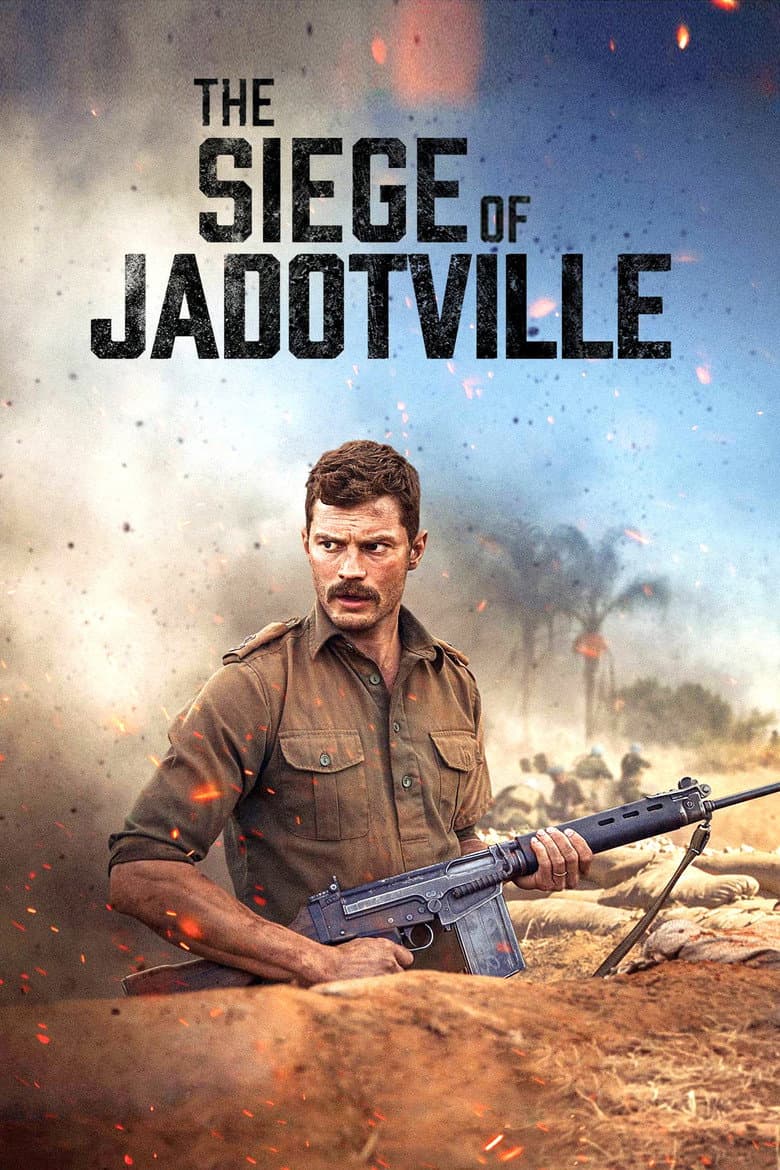
Irish Commandant Pat Quinlan leads a stand off with troops against French and Belgian Mercenaries in the Congo during the early 1960s.
Movie · 2021
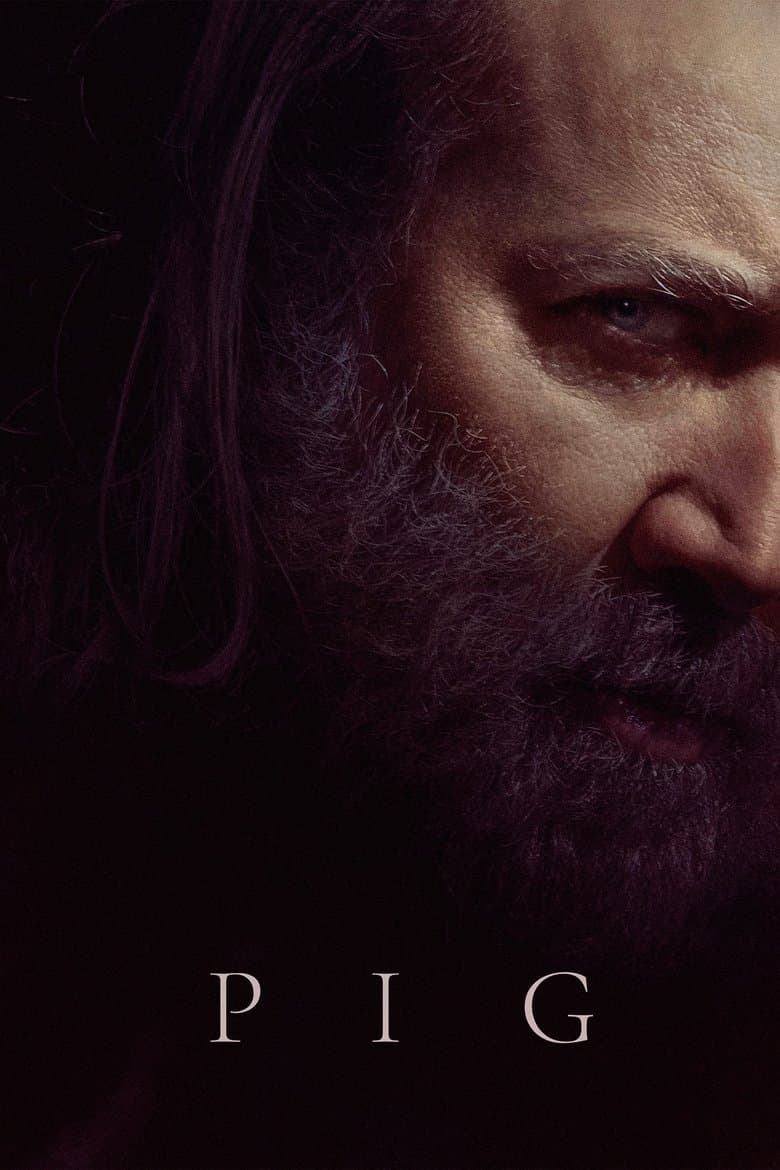
A truffle hunter who lives alone in the Oregon wilderness must visit Portland to find the mysterious person who stole his beloved foraging pig.
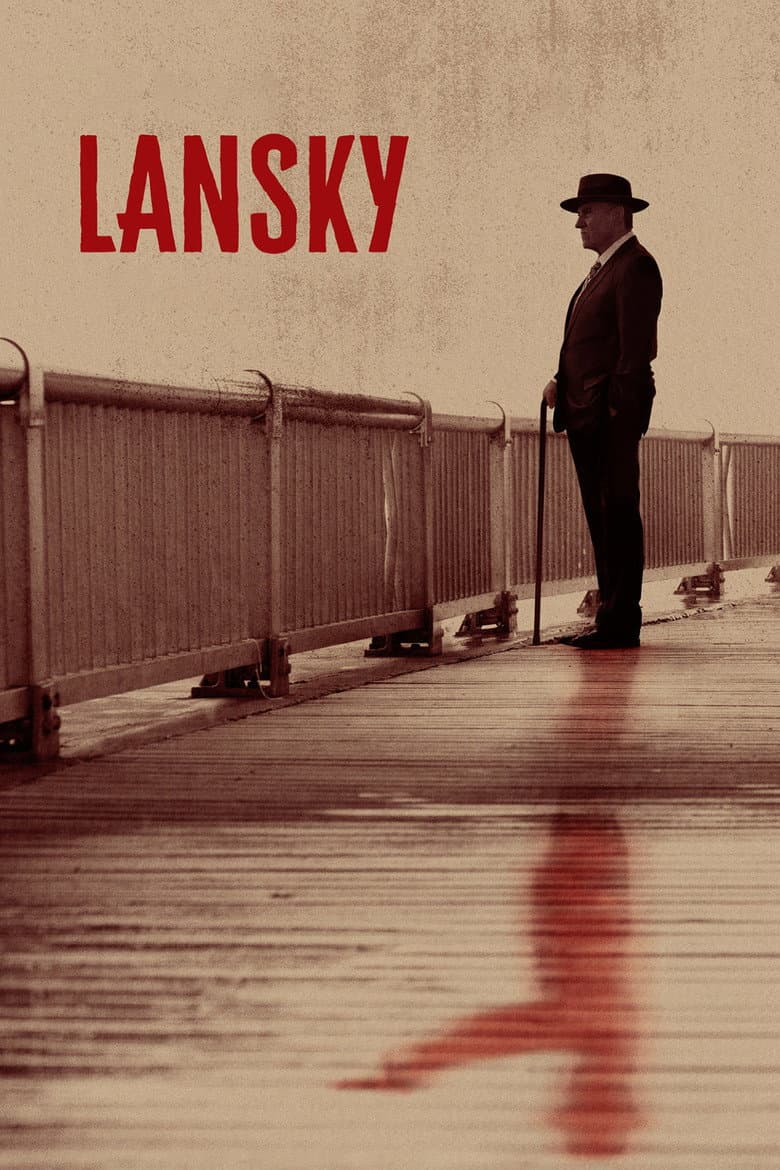
Movie · 2021
When the aging Meyer Lansky is investigated one last time by the Feds who suspect he has stashed away millions of dollars over half a century, the retired gangster spins a…
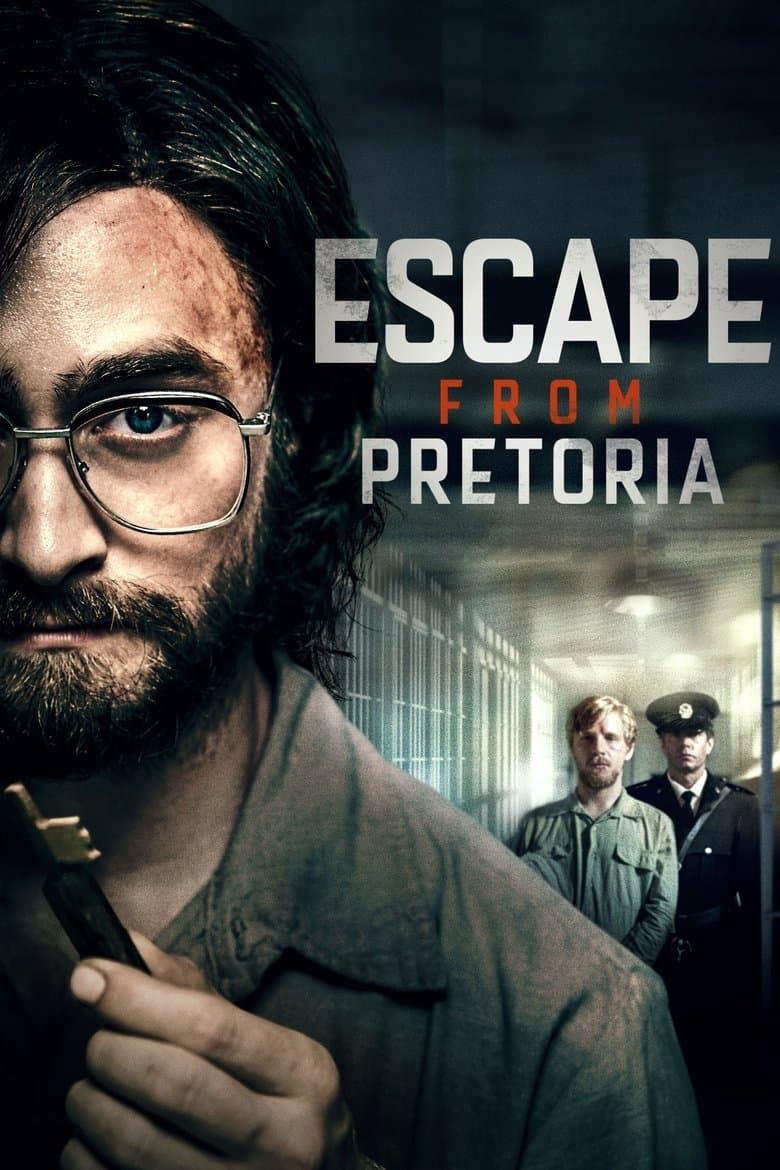
Movie · 2020
South Africa, 1978. Tim Jenkin and Stephen Lee, two white political activists from the African National Congress imprisoned by the apartheid regime, put a plan in motion to escape…
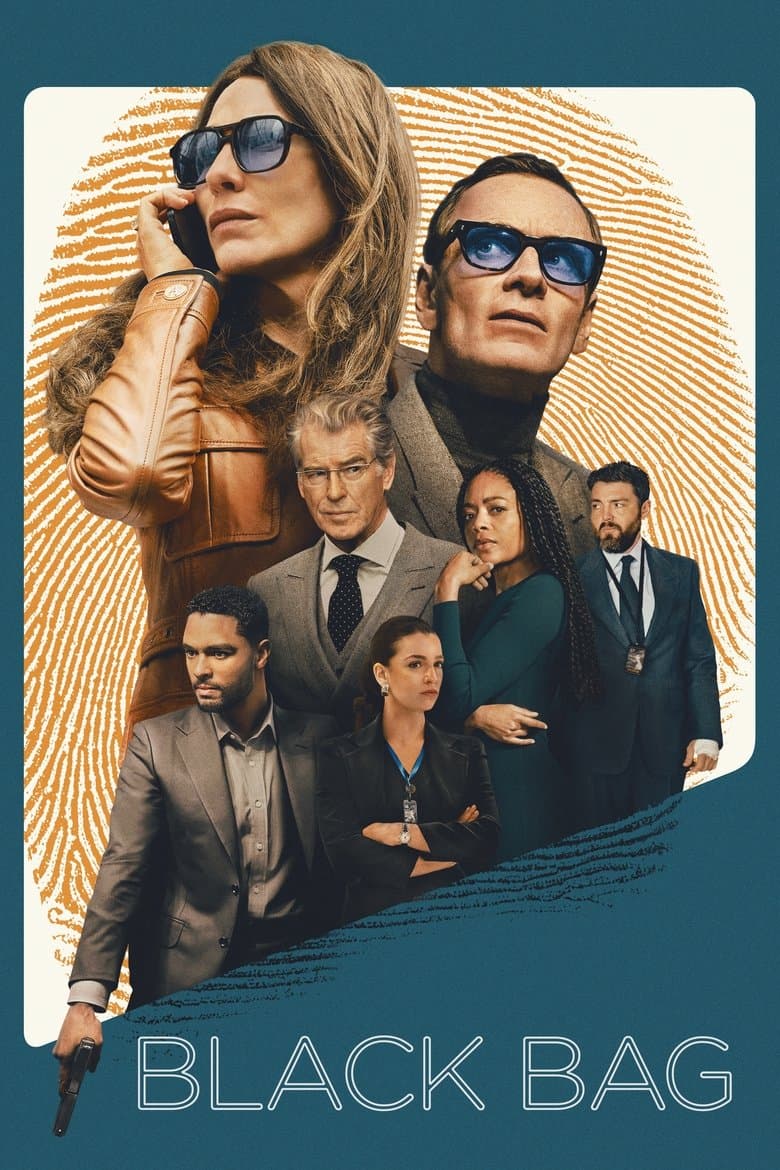
Movie · 2025
When intelligence agent Kathryn Woodhouse is suspected of betraying the nation, her husband – also a legendary agent – faces the ultimate test of whether to be loyal to his…

Movie · 2016
When Krisha returns to her estranged family for Thanksgiving dinner, past demons threaten to ruin the festivities.
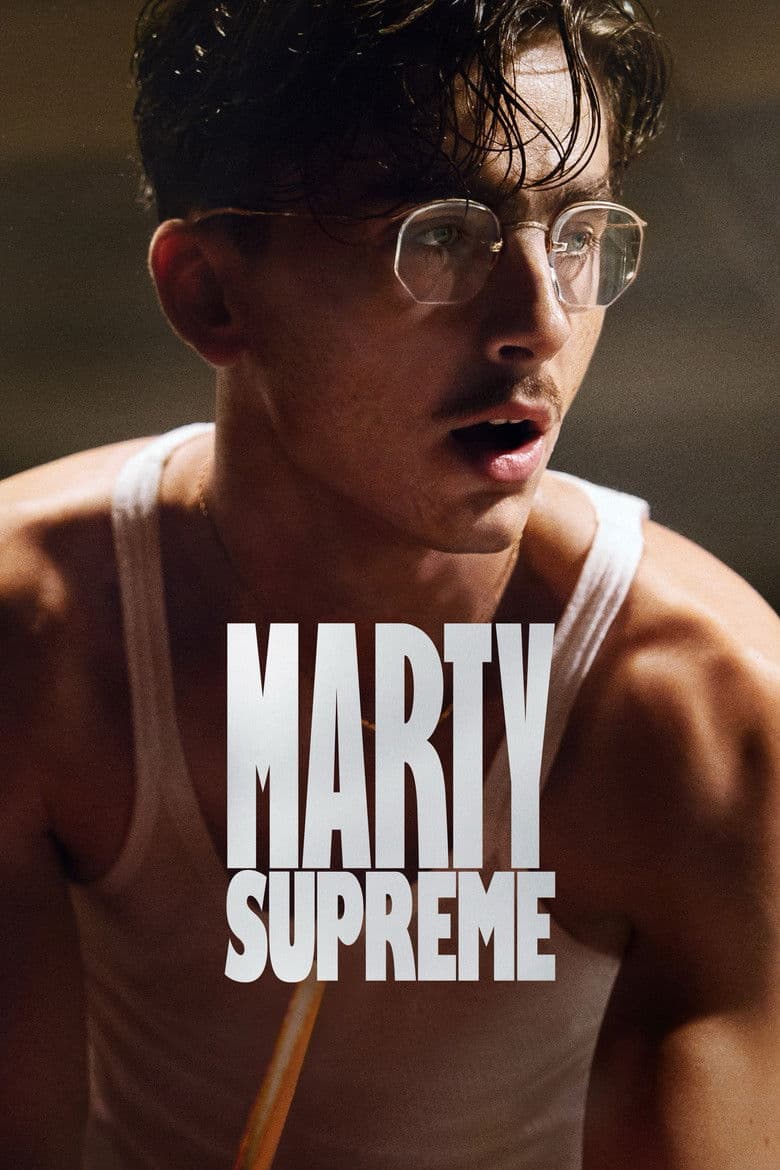
Movie · 2025
Marty Mauser, a young man with a dream no one respects, goes to hell and back in pursuit of greatness.
