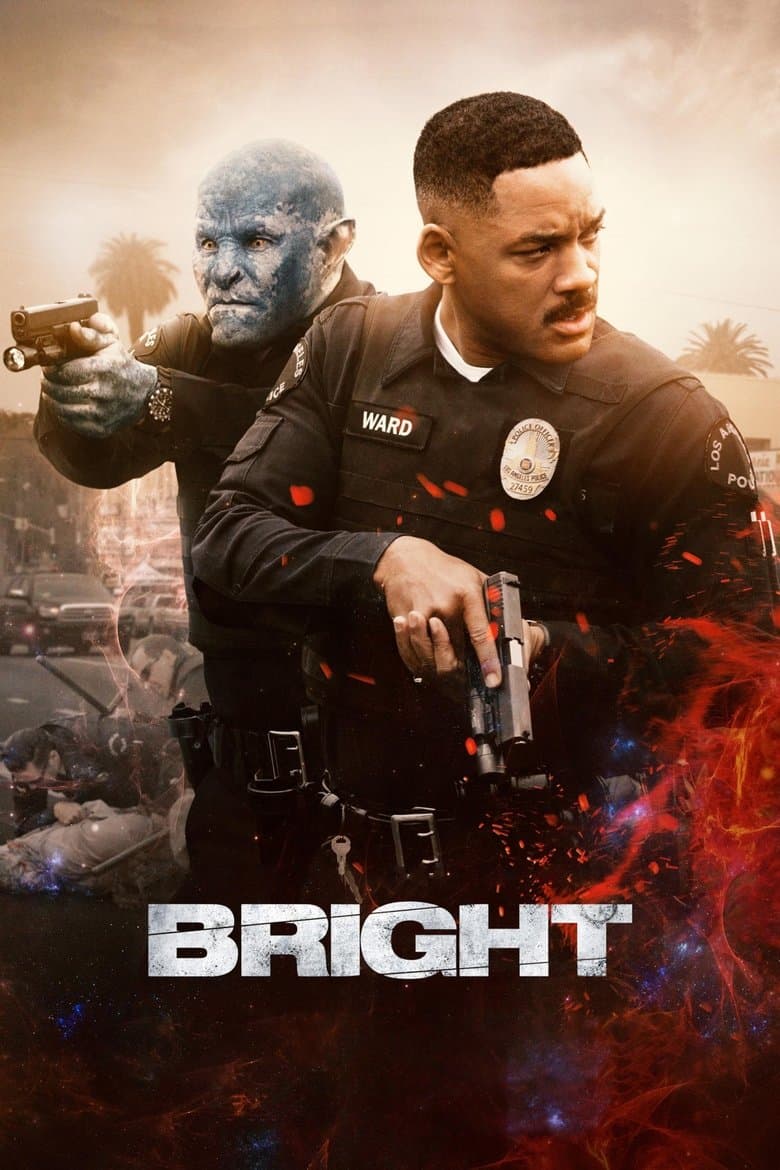
Bright follows Daryl Ward, a tired Los Angeles police officer who is trying to protect his job and family after a shooting. He is forced to patrol with Nick Jakoby, the first orc officer in the department. In this alternate present, humans, orcs, elves, and fairies live together, but they do not live as equals. The partners find a magic wand and spend one violent night trying to keep it away from gangs, corrupt officers, and an elf group that wants to bring back an old dark lord. The film uses rough police action, crude jokes, fantasy creatures, and a fast chase to set its tone.
The film uses species prejudice to mirror modern racial and police debates. Jakoby is called a diversity hire, faces pressure from fellow officers, and is asked whether he is a cop first or an Orc first. Ward kills a fairy and jokes about its life, while other lines compare Orc treatment with real racial conflict. The story supports crossing species lines and judging people by their actions, but the wand hunt and shootouts often push that message into the background.
Community feedback
Was our 70% Woke rating accurate?
Breakdown
These are the editorial factors and ratings behind our score for Bright.
Woke representation / casting
The film makes the first Orc police officer a lead character and labels him a diversity hire. That choice gives the casting a clear identity message about bringing an excluded group into a major institution. The human cast is ethnically mixed in a way that fits a modern Los Angeles setting. The score comes mainly from the species-based inclusion framing, not ordinary diversity or queer casting.
30%
Woke political dialogue
The film directly talks about species discrimination in police work. Officers question Jakoby’s loyalty, treat him as a token hire, and plan to force him out. Ward makes a joke about a fairy’s life, while other lines compare Orc treatment with real racial conflict. The message is easy to notice even when the movie returns to gunfights.
72%
Identity-driven story themes
The film treats Orcs as a hated lower group and Jakoby as a test of whether the system will accept them. His partnership with Ward turns prejudice, belonging, and judging people by their actions into the main relationship problem. The wand chase and dark-lord plot take over much of the second half. The identity theme stays central, but it shares the film with a violent action story.
67%
Western institutional / cultural critique
The film shows the police department using its power to target Jakoby and cover up crimes. Officers threaten him, treat him as a token hire, and try to make Ward remove him. The story also shows police violence against Orcs and rich Elves ruling above humans and Orcs. The ending still praises honest police work and partnership, so the critique is strong but limited.
45%
Woke character or canon changes
Not present in this title.
0%
Anti-woke backlash and complaints
The Philadelphia Inquirer said Bright was trying to be woke but failed because its racial message was too obvious. Some online posts also mocked the film’s identity language as forced politics. Most public criticism focused on weak writing, bad action, or a confused race comparison rather than a large anti-woke campaign. The evidence supports a small score.
15%
Creator track record context
David Ayer’s cached score is low, and his Bright interviews focus on police work, fantasy world-building, social divisions, and power. Max Landis’s cached score is also low, with no known pattern of identity-focused activism. Sarah Perlman Bremner and Mary Vernieu have some diversity-focused career context. The creator record adds a small signal but does not show a strong activist pattern.
19%
Production
Movie · 2020
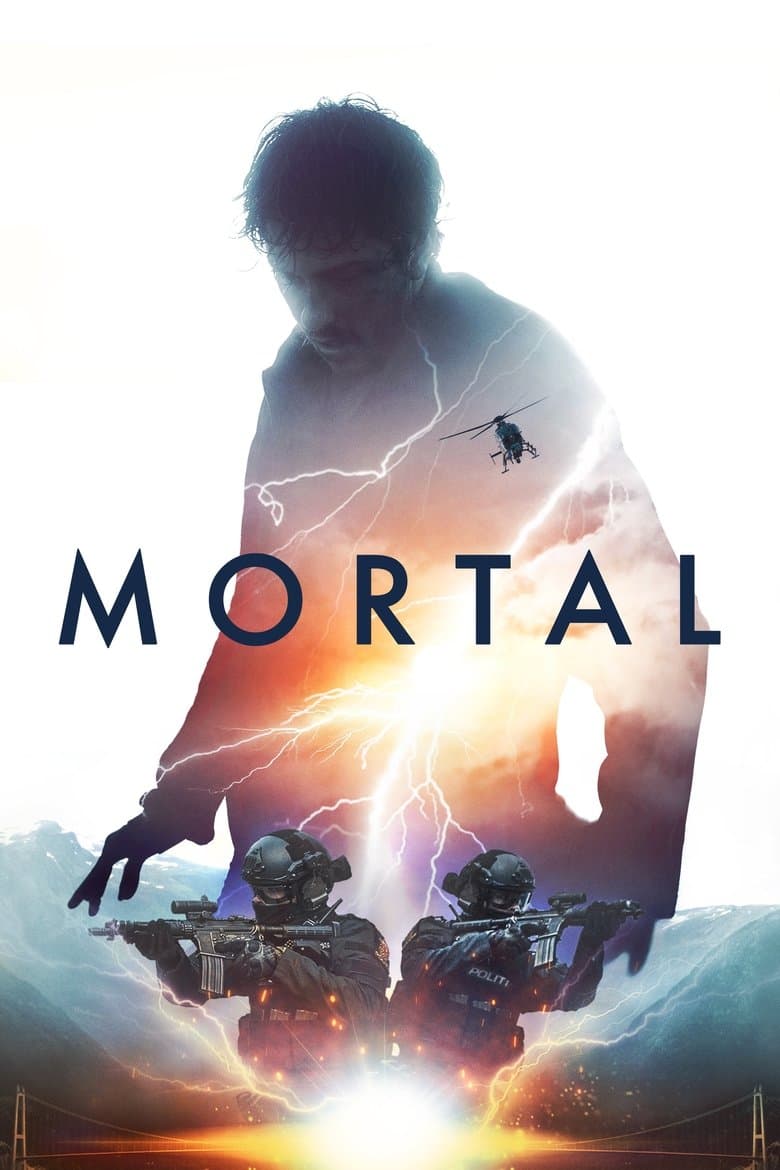
A young boy must discover the origins of his extraordinary powers before he is captured by authorities hell-bent on condemning him for an accidental murder.
Movie · 2022
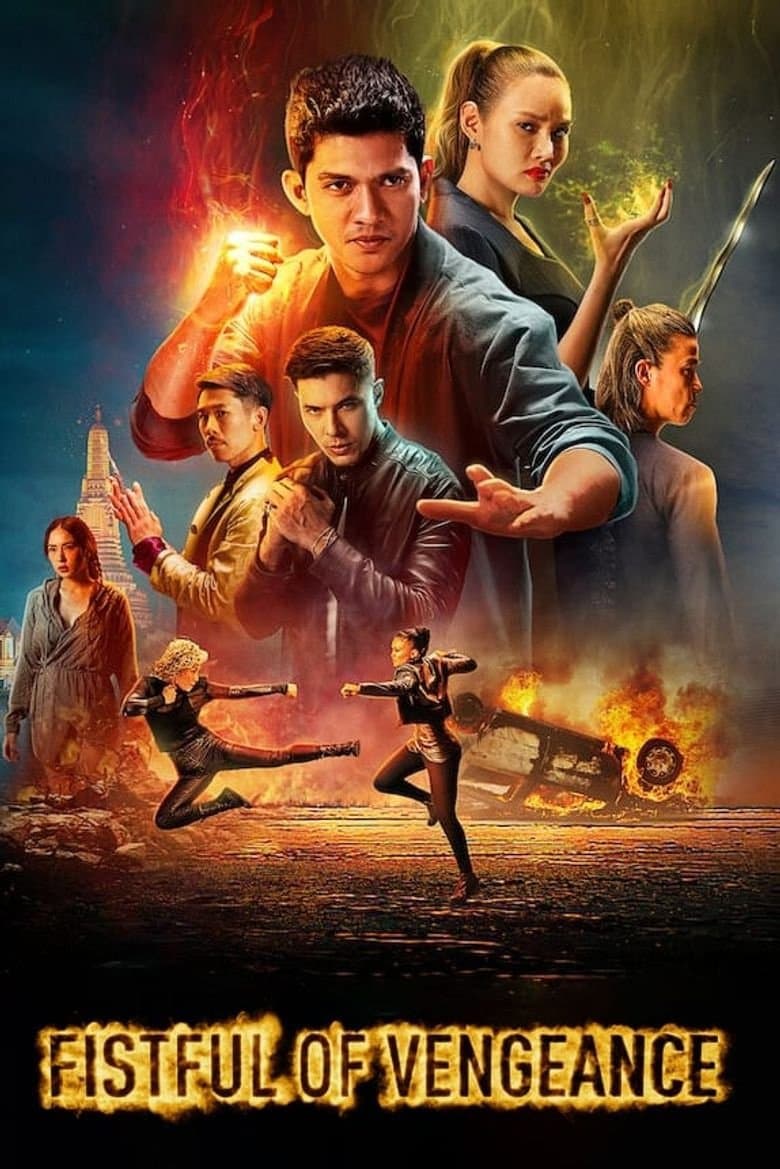
A revenge mission becomes a fight to save the world from an ancient threat when superpowered assassin Kai tracks a killer to Bangkok.
Movie · 2020
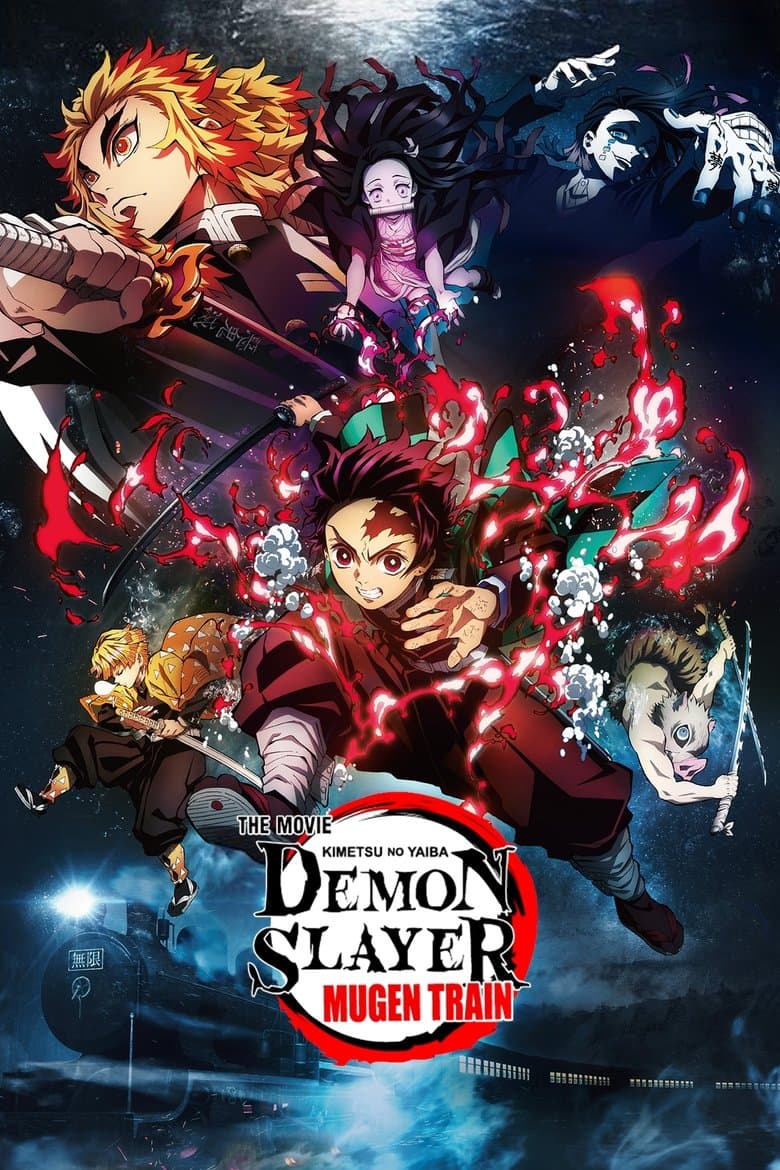
Tanjiro Kamado, joined with Inosuke Hashibira, a boy raised by boars who wears a boar's head, and Zenitsu Agatsuma, a scared boy who reveals his true power when he sleeps, boards…
Movie · 2022
Prince Amleth is on the verge of becoming a man when his father is brutally murdered by his uncle, who kidnaps the boy's mother.
Movie · 2022
An LA vampire hunter has a week to come up with the cash to pay for his kid's tuition and braces. Trying to make a living these days just might kill him.
Movie · 2021
Yuta Okkotsu is a nervous high school student who is suffering from a serious problem—his childhood friend Rika has turned into a curse and won't leave him alone.
Movie · 2018
During a mysterious thunderstorm, Vera, a young mother, manages to save a life in danger, but her good deed causes a disturbing chain of unexpected consequences.
Movie · 2021
The Earthrealm heroes must journey to the Outworld and fight for the survival of their homeland, invaded by the forces of evil warlord Shao Kahn, in the tournament to end all…
