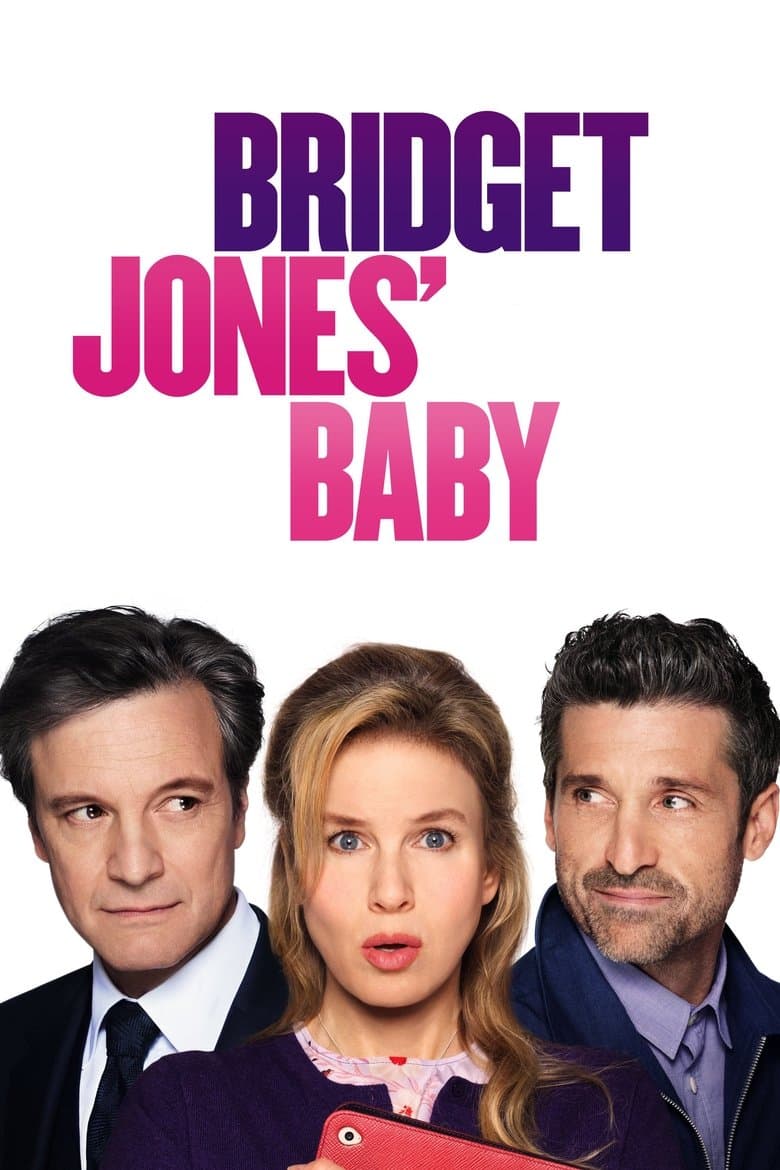
Bridget Jones is a forty-three-year-old London TV producer whose plan for a controlled single life falls apart when she becomes pregnant. She had separate nights with longtime love Mark Darcy and American dating-app mogul Jack Qwant. Both men compete to be the father and her partner while she juggles work, friends, and family. The story is a conventional paternity rom-com farce. It ends with marriage to Mark once paternity is resolved.
Alongside that plot sit light 2010s liberal feminist touches about aging singleton life and single motherhood. Traditional family values are mocked as outdated, and there are brief same-sex parent gags. Audience-visible LGBTQ material includes longtime gay friend Tom, a lesbian couple in the birthing class, and a set piece where Mark and Jack are mistaken for a same-sex couple using Bridget as a surrogate. Soft postfeminist themes about fortysomething female autonomy and a modernized idea of family sit in the background. The core arc still asks which man is the father and who Bridget chooses, and identity politics is not the main story.
Community feedback
Was our 38% Woke rating accurate?
Breakdown
These are the editorial factors and ratings behind our score for Bridget Jones's Baby.
Woke representation / casting
Lead casting is ordinary franchise continuity with Zellweger, Firth, and Dempsey in modern London media life, not a race or gender swap showcase. LGBTQ content is real but supporting, with gay friend Tom, a lesbian couple in birthing class, and Mark and Jack mistaken for a same-sex couple. Minor POC walk-ons appear while the leads stay mostly white. That visibility adds some weight, but this is not DEI-first starring casting.
24%
Woke political dialogue
Named liberal beats appear, but they are not nonstop lectures. Bridget pushes back on her mother’s family values campaign, and Mum then pivots toward unwed mothers and homosexuals among other groups. The doctor jokes that men are mainly for fitting car seats and blaming things, and Mark’s casework nods at a feminist band with a crude liberation chant. Diary, polyamory, and political one-liners signal progressive chic in a comic and intermittent way.
36%
Identity-driven story themes
The core arc is still which man is the father and who Bridget chooses, and it resolves in marriage and a nuclear family. Secondary themes cover fortysomething female autonomy, accidental pregnancy, and a modernized sense of family that includes single mothers and gay parents in the social frame. Soft liberal social commentary sits beside the farce without race or queer-centric storytelling. Confirmed LGBTQ material stays background and only raises the score modestly.
30%
Western institutional / cultural critique
The film digs at traditional family values as dated. Male partners often become comic rivals and the butt of competence jokes, especially from the doctor. Mark’s human rights and feminist band caseload nods at progressive politics. The story does not build a hard systemic attack on capitalism, whiteness, or the church, and it ends in a conventional wedding.
32%
Woke character or canon changes
Not relevant. the film continues the established Bridget Jones canon from books and prior movies without ideological reinterpretations or changes.
0%
Anti-woke backlash and complaints
Not present. No meaningful anti-woke campaign found.
0%
Creator track record context
Sharon Maguire and Helen Fielding read as craft and rom-com focused, while Dan Mazer brings political satire that is not identity-first. Emma Thompson brings a stronger liberal feminist and climate profile as co-writer and Dr. Rawlings. Producers mostly sit in a mild range, with some moderate liberal casting and advocacy context. Overall this is mild to moderate liberal creative context that matches soft progressive jokes more than hard DEI activism.
26%
Production

Movie · 2016
A week in the life of Paterson, a poet bus driver, and his wife Laura, a very creative artist, who live in Paterson, New Jersey, hometown of many famous poets and artists.

Movie · 2019
Charlie suffers from a serious disease that causes acute narcolepsy whenever he is happy. Although he develops a variety of techniques to deny himself pleasure and deal with his…
Movie · 2023
A novelist's longstanding marriage is suddenly upended when she overhears her husband giving his honest reaction to her latest book.

Movie · 2023
College freshman Abby tries to distance herself from her dark past while resisting her attraction to bad boy Travis.
Movie · 2021
Resolving to achieve professional success without compromising her ethics, Lucy embarks on a ruthless game of one-upmanship against cold and efficient nemesis Joshua, a rivalry…

Movie · 2021
Troubled teen Will Hawkins has a run-in with the law that puts him at an important crossroad: go to juvenile detention or attend a Christian summer camp.
Movie · 2017
After the early death of his wife, a mourning father moves with his teenage son across the country for a private school teaching job.
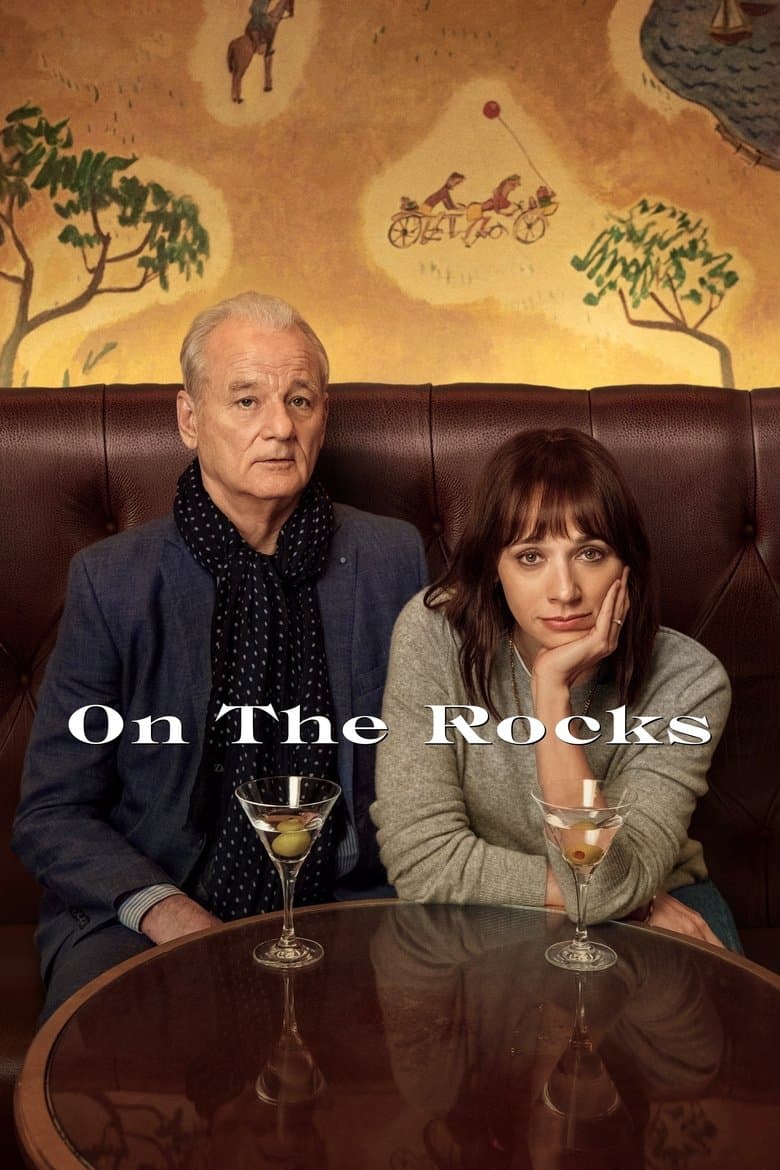
Movie · 2020
Faced with sudden doubts about her marriage, a young New York mother teams up with her larger-than-life playboy father to tail her husband.
