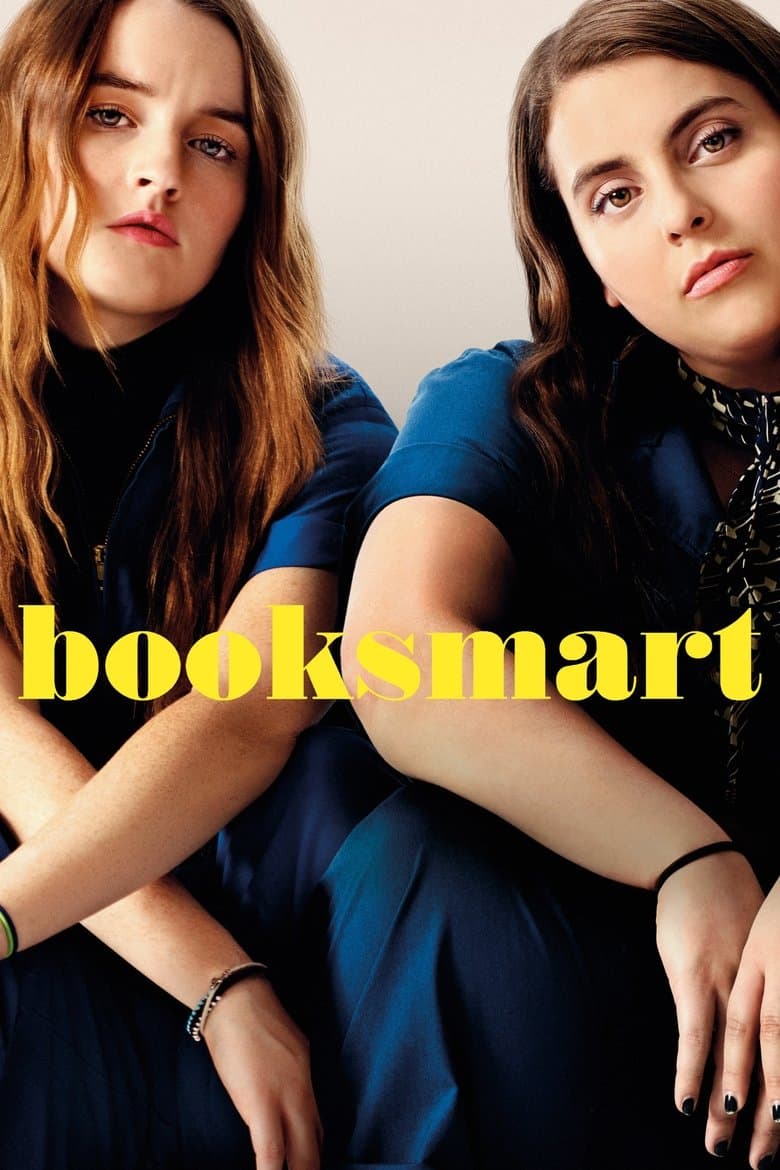
Booksmart follows academic best friends Molly and Amy on the night before graduation. They learn that their partying classmates also got into elite schools. They try to cram years of parties into one night of chaos. The film is a female-led buddy comedy about friendship, status anxiety, and one wild night. The plot stays focused on their bond as they chase experiences they think they missed.
Amy is an out lesbian with a crush on Ryan and has a first sexual encounter with classmate Hope. Supporting queer classmates George and Alan appear as well. Bedrooms show feminist icons such as RBG, Michelle Obama, Susan B. Anthony, and Gloria Steinem, plus protest images and a We Should All Be Feminists message. Molly and Amy use Malala as a code for a favor that cannot be refused. Queer coming of age and feminist self image sit inside the party comedy structure, and the film won a GLAAD Media Award for Outstanding Film in Wide Release.
Community feedback
Was our 88% Woke rating accurate?
Breakdown
These are the editorial factors and ratings behind our score for Booksmart.
Woke representation / casting
Dual female academic leads and a diverse modern LA high school group fit the setting. The clear identity signal is deliberate queer casting. Lesbian co-lead Amy and expanded gay supporting roles George and Alan are framed in marketing and press as representation, not just background.
48%
Woke political dialogue
Viewers see progressive and feminist language and set dressing. Examples include Malala favors, Susan B. Anthony and RBG and Obama and Steinem décor, careful wording about sex work and gender expression, and lines about women apologizing too much. Some reviews treat this as constant progressive texture.
62%
Identity-driven story themes
The core night of parties is still a friendship comedy. Feminist self image and queer coming of age are built into the story through Amy’s lesbian crush, first same-sex sex scene, multi-queer peer circle, and activist bedroom identity. A GLAAD win and press about queering the teen comedy make this hard for average viewers to miss.
72%
Western institutional / cultural critique
There is clear modern critique of gender norms. It includes soft or emasculated dad energy, a Barbie body trip gag, an unsafe world for women beat, women apologize messaging, feminist icon décor, and digs at traditional male teen comedy norms. It is not a full anti-capitalist or anti-church thesis.
48%
Woke character or canon changes
There is a documented identity-driven rewrite. Amy changed from a straight lead seeking a prom boyfriend to an out lesbian. The story goal and queer ensemble were reshaped to match. This is not a famous franchise race or gender swap, but it is a clear ideological rewrite of the established script.
58%
Anti-woke backlash and complaints
Named anti-woke and uber-woke and woke Superbad and agenda-style complaints exist in conservative and online commentary. Examples include Hollywood in Toto, Interview’s woke Superbad label, and Reddit and X liberal agenda gripes. The pushback is real but secondary to critical love and is not a massive sustained boycott story.
42%
Creator track record context
Cached profiles line up with the finished film. Wilde scores higher for feminist advocacy and empowerment framing, with Halpern and Haskins for feminist comedy. Silberman and Fogel score lower for female-lens and queer-centering script work, and Elbaum for female-centric comedy producing, which pulls the blended context down from Wilde alone.
50%
Production
Movie · 2016
A comedy that follows a group of friends as they navigate their way through the freedoms and responsibilities of unsupervised adulthood.
Movie · 2018
Adam Sandler takes his comical musical musings back out on the road, from comedy clubs to concert halls to one very unsuspecting subway station.
Movie · 2023
A chaotic intervention. An action-packed stay in rehab. After a weird couple of years, John Mulaney comes out swinging in his return to the stage.
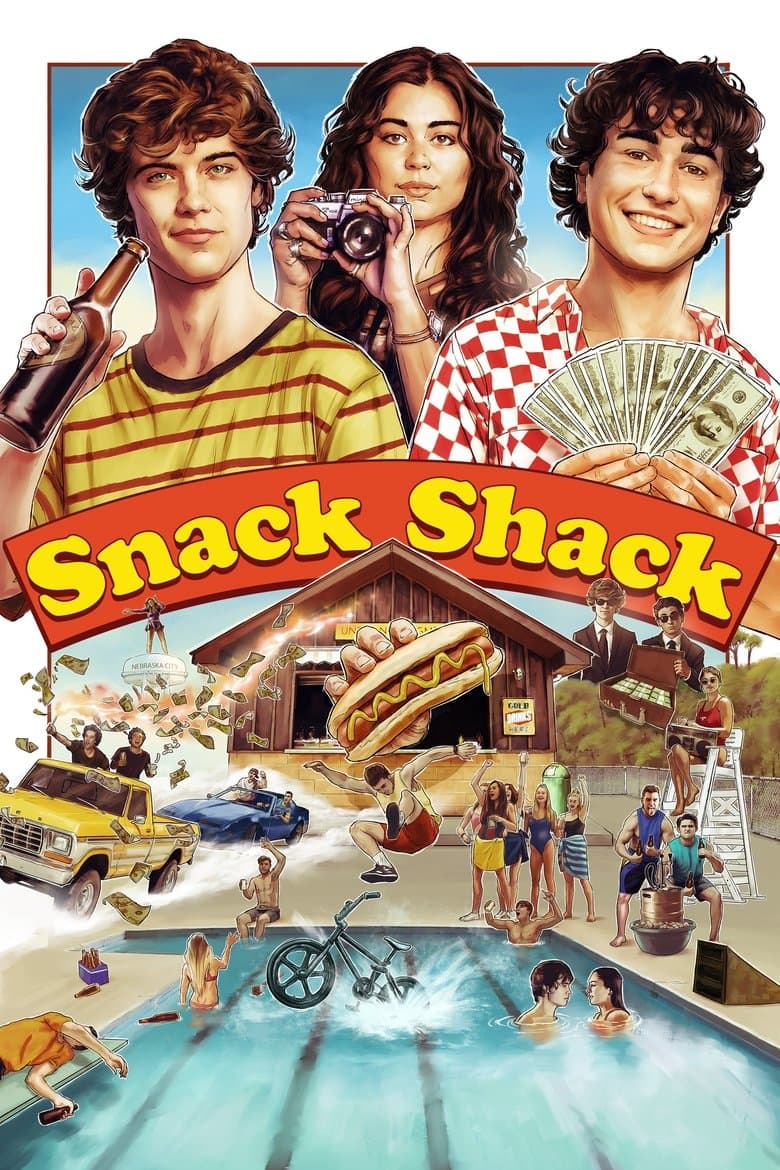
Movie · 2024
Inseparable best friends AJ and Moose decide to run the local pool's snack shack after their plan to sell home-brewed beer goes down the drain.
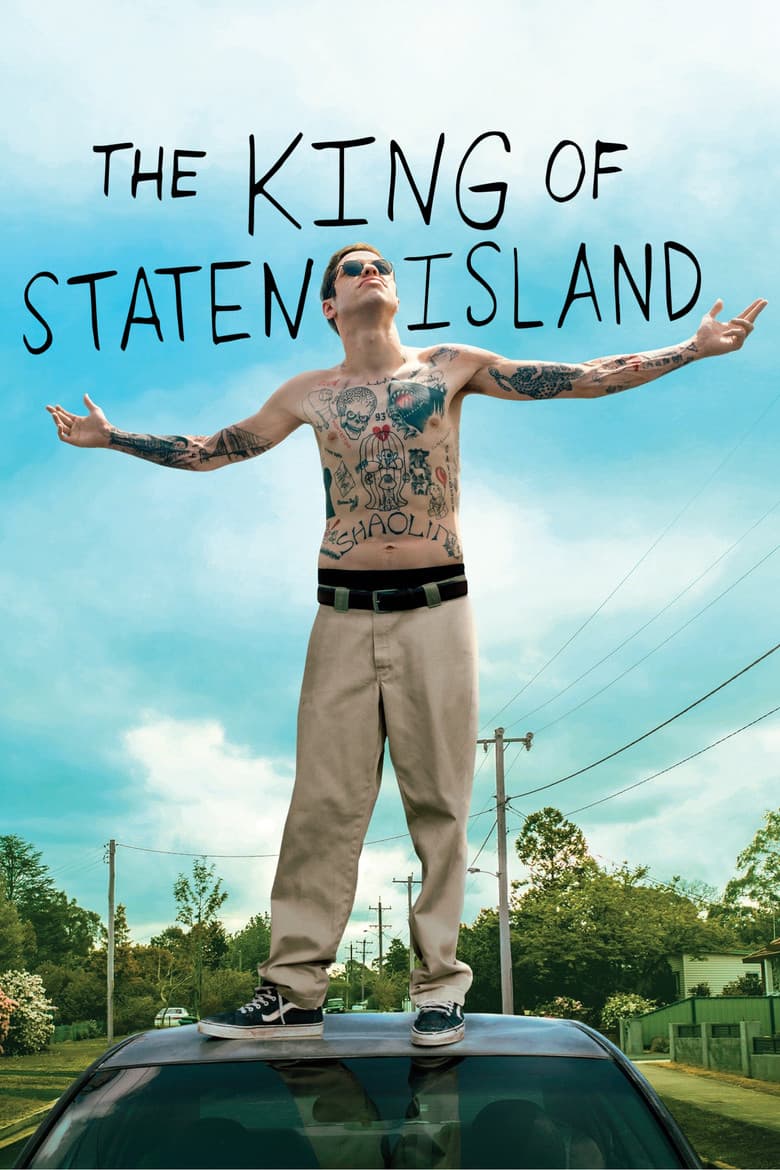
Movie · 2020
Scott has been a case of arrested development ever since his firefighter father died when he was seven. He's now reached his mid-20s having achieved little, chasing a dream of…
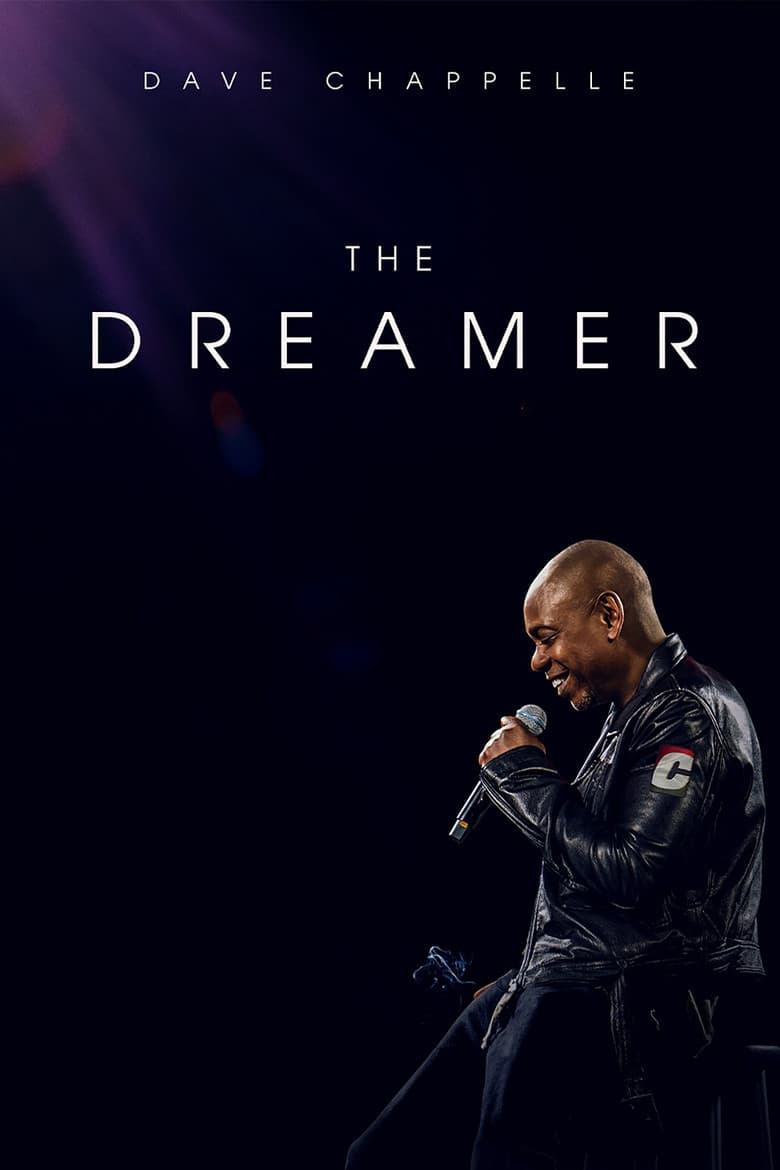
Movie · 2023
From his onstage tackle to the slap heard round the world, Dave Chappelle lets loose in this freewheeling and unfiltered stand-up comedy special.
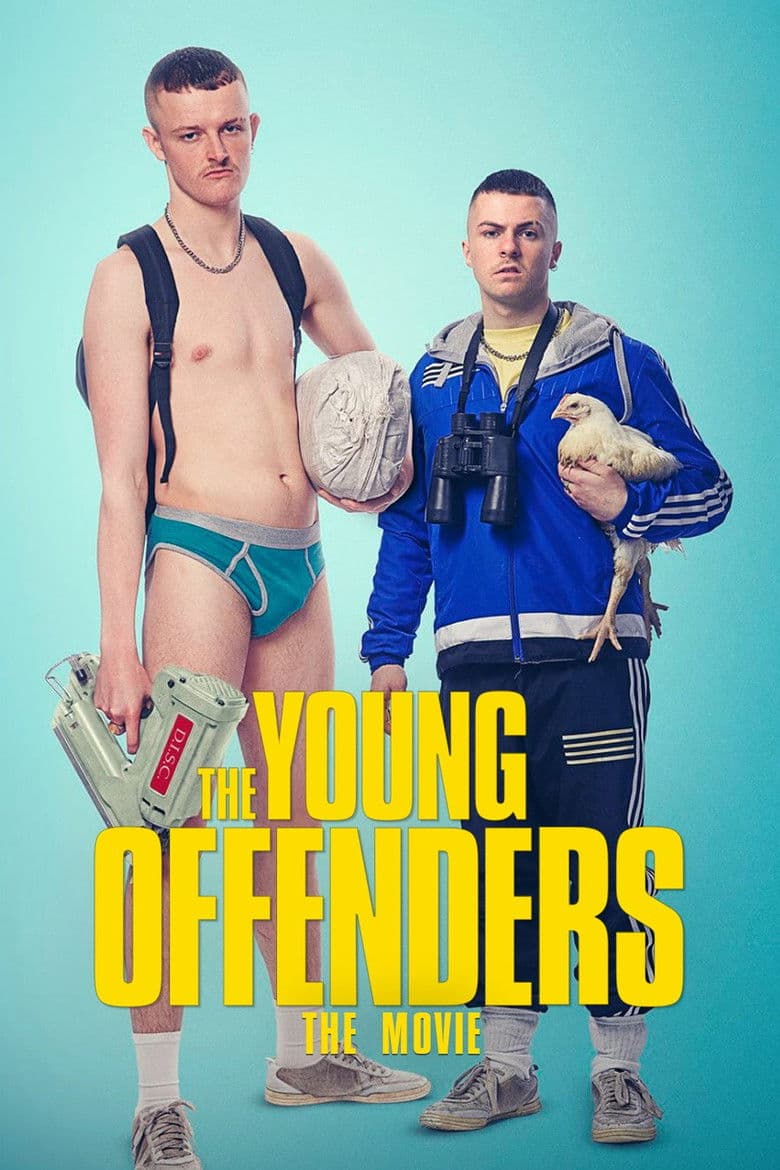
Movie · 2016
Two teenage boys from inner-city Cork steal bicycles and ride off on a 160km quest to find an unrecovered bale of cocaine worth 7,000,000 euros.
Movie · 2022
Exploring every facet of ‘Weird Al’ Yankovic’s life, from his meteoric rise to fame with early hits like ‘Eat It’ and ‘Like a Surgeon’ to his torrid celebrity love affairs and…
