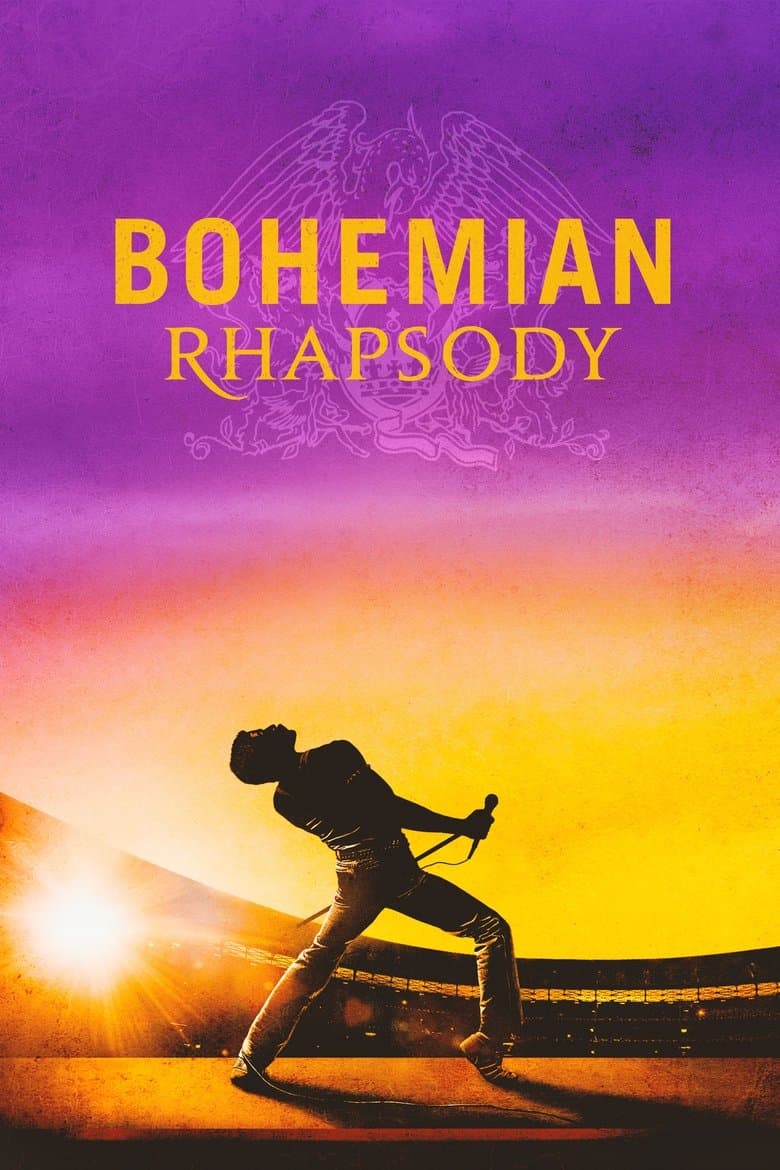
Bohemian Rhapsody follows Freddie Mercury from his early days in 1970s London to Queen’s huge Live Aid show in 1985. Freddie joins Brian May, Roger Taylor, and John Deacon, and the four men build a band around bold songs, loud shows, and his striking stage presence. Fame brings money and freedom, but Freddie’s pride, partying, drug use, and bad choices damage his work and his friendships. The movie has a bright concert mood that turns sad when Freddie faces loneliness, family pressure, illness, and the fear of losing Queen.
The movie gives clear screen time to Freddie’s relationships with Mary Austin and with men, including his later partner Jim Hutton. Freddie says that he may be bisexual, while Mary tells him that he is gay, which makes his struggle with labels part of the story. The film also shows gay clubs, male flirting, same-sex affection, AIDS, and his wish to choose how people remember him. These queer themes matter to Freddie’s personal arc, but the main story remains a music success story about friendship, talent, excess, and reunion.
Community feedback
Was our 29% Woke rating accurate?
Breakdown
These are the editorial factors and ratings behind our score for Bohemian Rhapsody.
Woke representation / casting
Rami Malek is Egyptian American, while Freddie Mercury was born to a Parsi Indian family in Zanzibar. The lead is therefore not an exact ethnic match, although both men have immigrant backgrounds from regions outside Britain. The other main band members are white British men, which matches Queen’s real lineup. The film and its marketing do not present the casting as a diversity-first campaign.
5%
Woke political dialogue
Not present. Freddie and the band discuss music, fame, sex, illness, and personal choices. The film has no activist speeches or modern political lessons.
0%
Identity-driven story themes
Freddie’s sexuality is a continuing part of his personal story. The film shows the end of his engagement to Mary after he speaks about being bisexual, his relationships with men, gay clubs, and his later relationship with Jim Hutton. The film also shows family tension around his Parsi background and chosen name. The larger story stays focused on Queen’s music and reunion rather than a present-day rights campaign or broad group message.
48%
Western institutional / cultural critique
Not present. The film shows family pressure, moral judgment, and music business conflict as parts of Freddie’s life. It does not turn them into a modern critique of patriarchy, capitalism, Christianity, or Western society.
0%
Woke character or canon changes
Not relevant. The film changes dates and combines events for biopic drama, including the timing of the AIDS diagnosis. Those changes do not turn a real person into a diversity or identity message.
0%
Anti-woke backlash and complaints
Not present. No anti-woke campaign or complaint that the film pushes DEI, identity politics, or left-wing activism was found. The public criticism focused on the film downplaying Mercury’s sexuality, and that criticism was not anti-woke.
0%
Creator track record context
Bryan Singer is openly gay, which is a weak identity-related context, but his cached profile describes a mainstream entertainment career rather than activist filmmaking. The cached profiles give Singer 23/100, Anthony McCarten 20/100, and Peter Morgan 15/100. The writers are known for biography, history, and personal conflict rather than identity activism. No title-specific creator interview framed this film as a diversity or social-justice project.
20%
Production
Movie · 2026
While people across 1990s Iraq struggle to survive the war and food shortages, Saddam Hussein requires each school in the country to prepare a cake to celebrate his birthday.
Movie · 2022
A quiet, neglected girl is sent away from her dysfunctional family to live with relatives for the summer. She blossoms in their care, but in this house where there are meant to be…
Movie · 2020
A man refuses all assistance from his daughter as he ages and, as he tries to make sense of his changing circumstances, he begins to doubt his loved ones, his own mind and even…
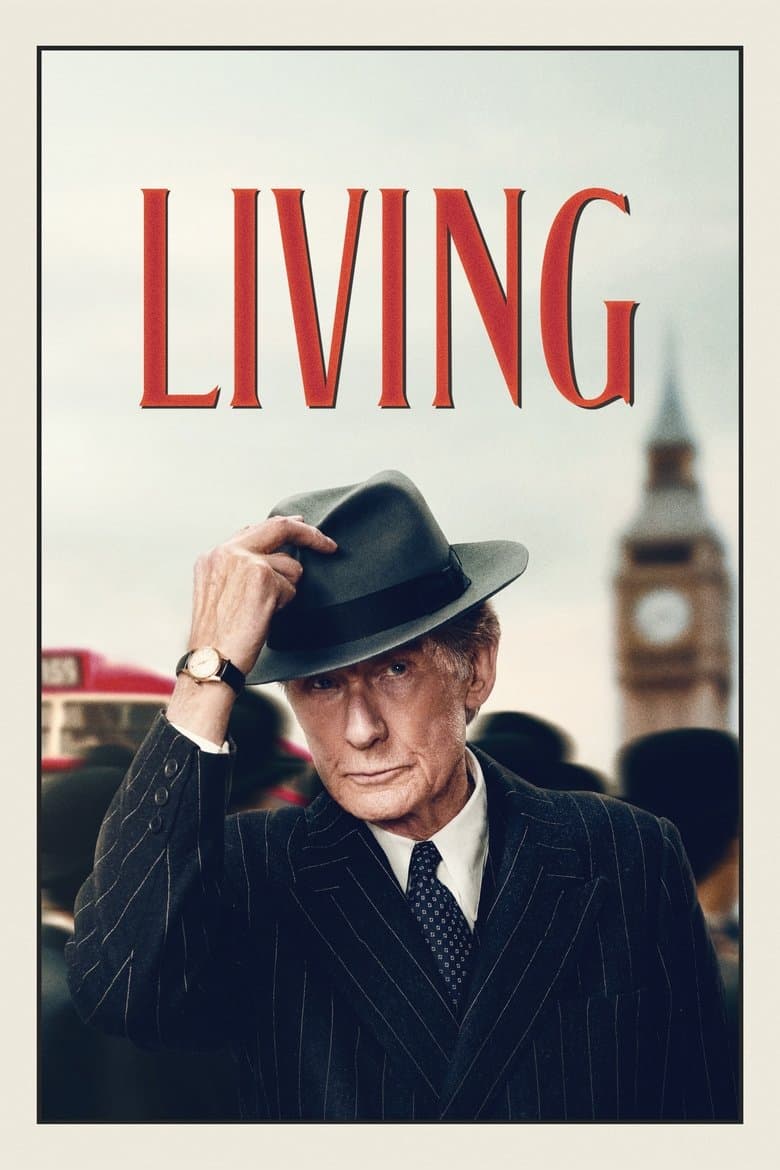
Movie · 2022
London, 1953. Mr. Williams, a veteran civil servant, is an important cog within the city's bureaucracy as it struggles to rebuild in the aftermath of World War II.
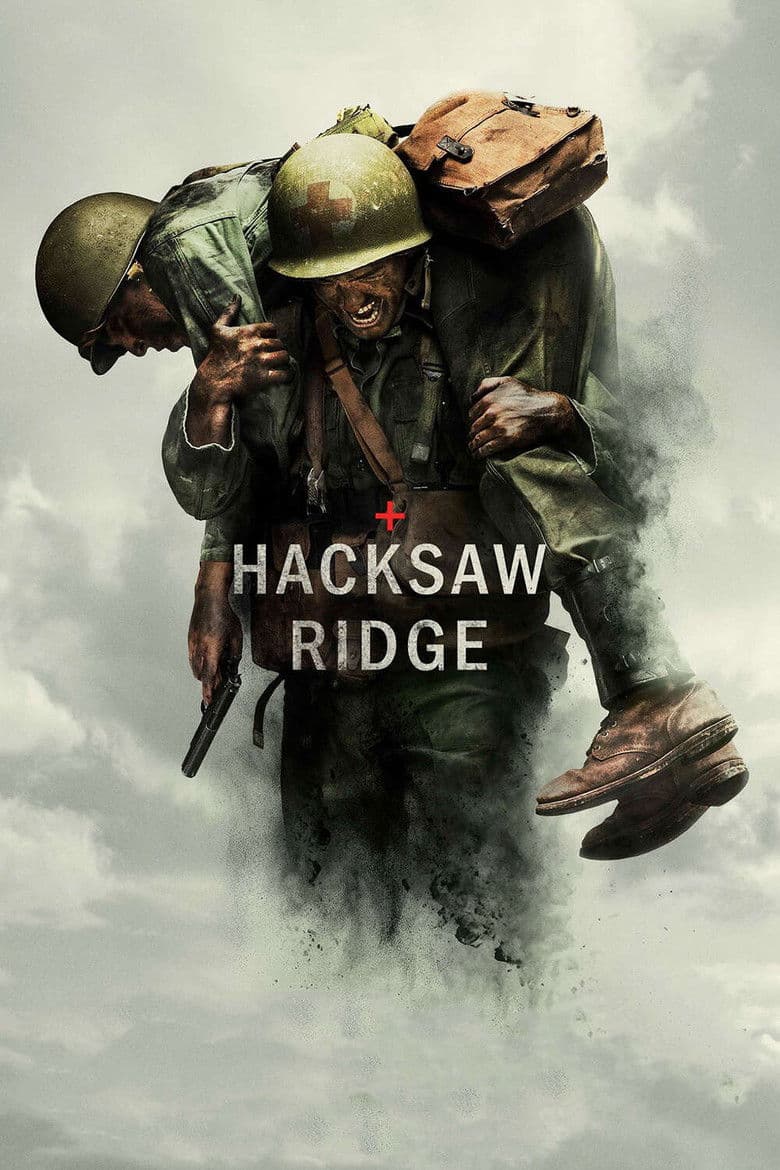
Movie · 2016
WWII American Army Medic Desmond T. Doss, who served during the Battle of Okinawa, refuses to kill people and becomes the first Conscientious Objector in American history to…
Movie · 2016
In a desolate war zone where screams of the innocent echo, on the very line between disaster and valor, 7 Maroon Berets will dance with death.
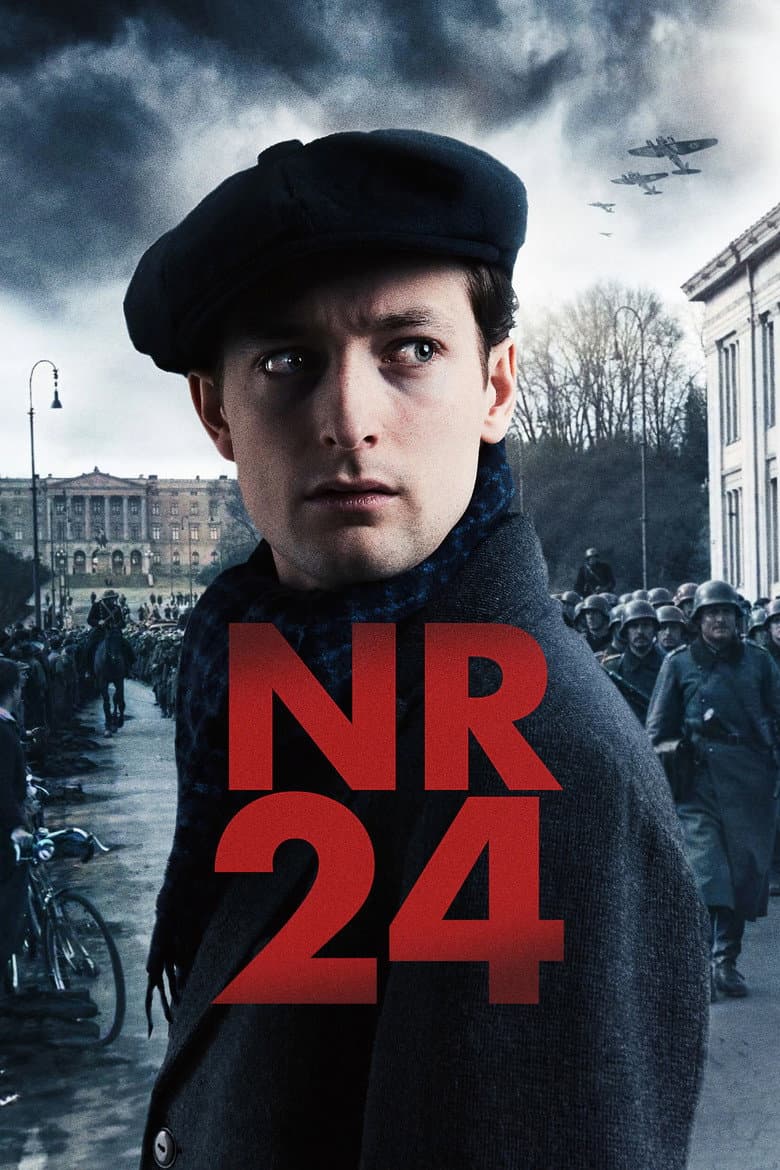
Movie · 2024
On the brink of the Second World War, a young Norwegian man's drive to resist the Nazis sets a new course for his future – and the future of his country.
Movie · 2016
On 15 January 2009, the world witnessed the 'Miracle on the Hudson' when Captain 'Sully' Sullenberger glided his disabled plane onto the Hudson River, saving the lives of all 155…
