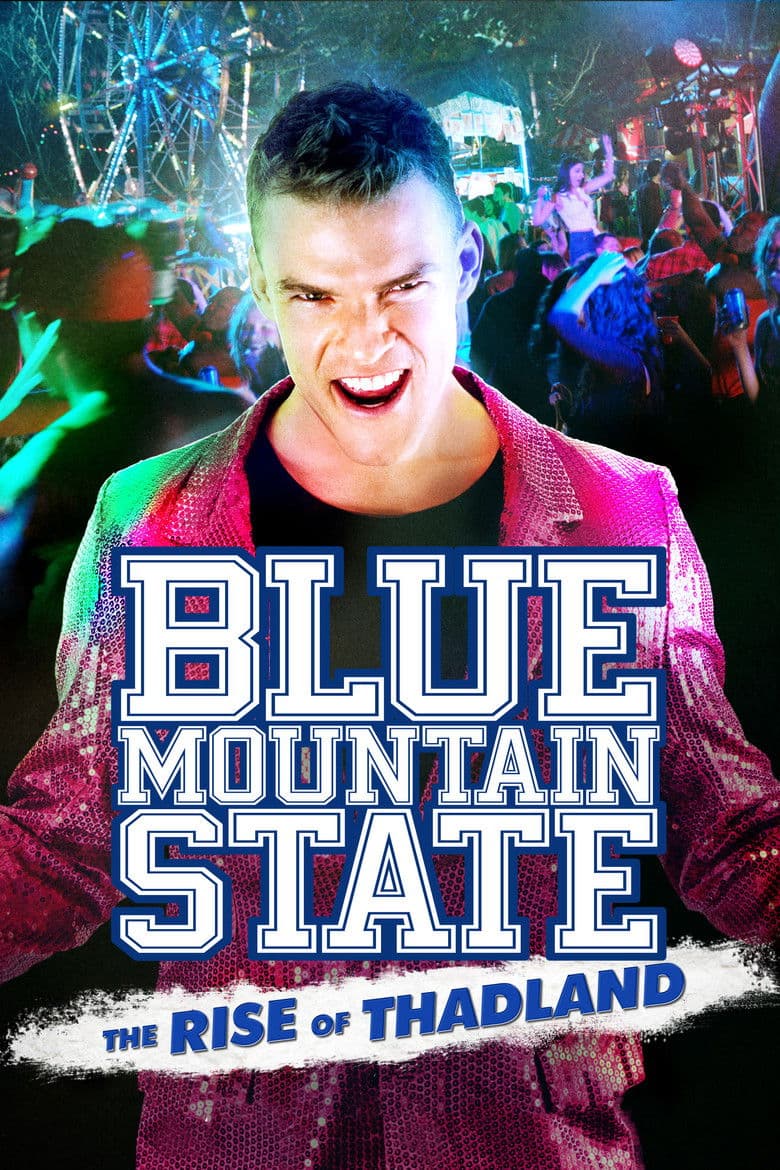
Alex Moran is a senior quarterback at Blue Mountain State. A strict new dean plans to sell the Goat House, the team’s wild party home. Alex begs former star Thad Castle, now in the NFL, to buy the house and save it. Thad says yes only if the team throws a huge drug and sex party called Thadland in his honor. The movie is a loud, crude college comedy about parties, male friendship, and chaos.
The main story stays on the party plan, Thad’s fake riches, and Alex growing closer to Mary Jo. One side plot has teammate Donnie tell the group he is gay. Thad cheers him on in a loud way, then turns it into a gross joke by buying him a man as a gift. That beat is short and played for shock laughs, not as a serious identity message. The rest of the film is about booze, pranks, and the house blowing up at the end.
Community feedback
Was our 14% Woke rating accurate?
Breakdown
These are the editorial factors and ratings behind our score for Blue Mountain State: The Rise of Thadland.
Woke representation / casting
The main cast returns from the TV series and fits a modern college football party world. One supporting player, Donnie, is shown as gay in a clear on-screen beat. That is a small identity note viewers can see. It is not a lead role built as a diversity statement, and the rest of the casting does not look like a forced mix for politics.
12%
Woke political dialogue
Not present. The film contains no political, activist, or ideological dialogue whatsoever; all conversations revolve around partying, sports, and crude personal antics.
0%
Identity-driven story themes
A short side story has Donnie come out as gay to his teammates. Thad celebrates out loud, then turns it into a crude joke by buying him a man. The main plot is still the party and saving the house. The gay beat is real and visible, but it is not the heart of the movie or a serious social-justice message.
18%
Western institutional / cultural critique
Not present. The strict dean is a comedic obstacle to fun, not a stand-in for modern critiques of patriarchy, capitalism, or Western institutions; the tone mocks killjoys without activist framing.
0%
Woke character or canon changes
Not relevant. the story continues established characters from the series without any ideological alterations to canon or history.
0%
Anti-woke backlash and complaints
Not present. No public controversy or woke-related complaints exist; reception focused on the film's vulgar comedy style with zero debate over progressive content.
0%
Creator track record context
The director and writers have low stored woke scores and a history of broad, crude comedy. This film was sold as freer party humor after cable rules, not as activist art. Alan Ritchson’s later political talk is separate from the 2016 movie’s themes and production.
10%
Production
Movie · 2016
A comedy that follows a group of friends as they navigate their way through the freedoms and responsibilities of unsupervised adulthood.
Movie · 2018
Adam Sandler takes his comical musical musings back out on the road, from comedy clubs to concert halls to one very unsuspecting subway station.
Movie · 2024
Inseparable best friends AJ and Moose decide to run the local pool's snack shack after their plan to sell home-brewed beer goes down the drain.
Movie · 2018
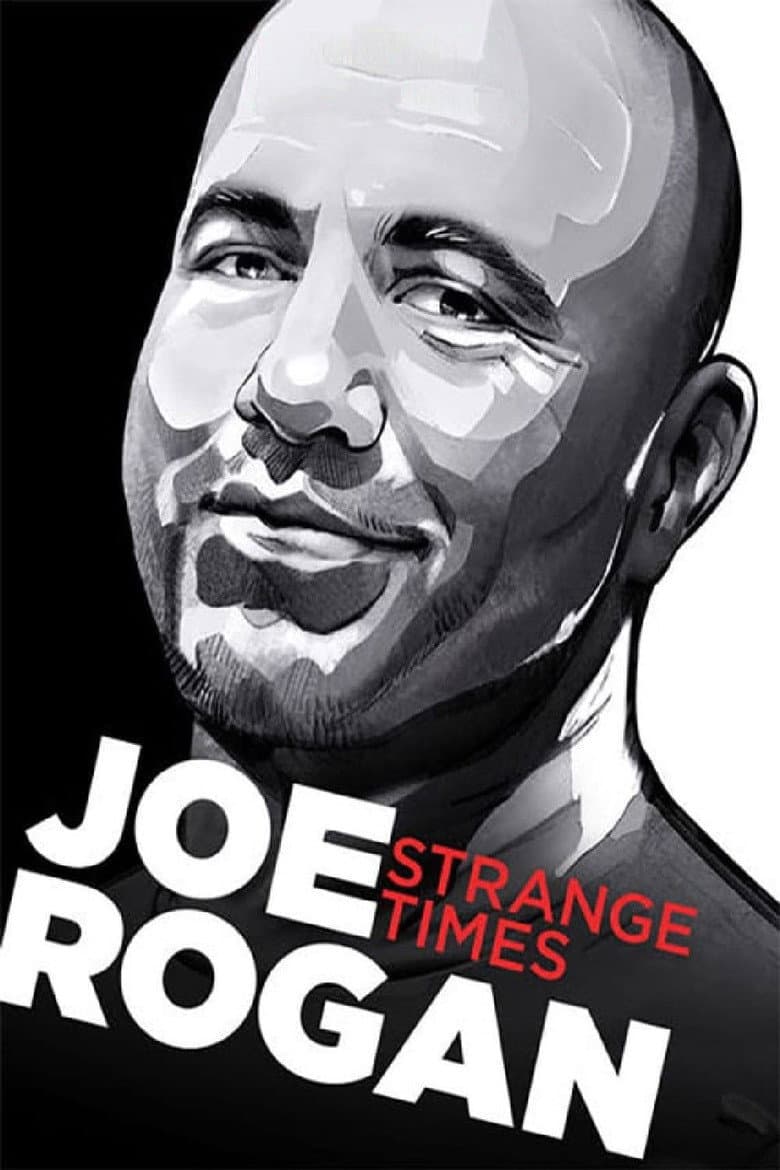
Outspoken as ever, comedian Joe Rogan takes on politics, pro wrestling, pot laws, cats, vegans and much more in a stand-up special shot in Boston.
Movie · 2023
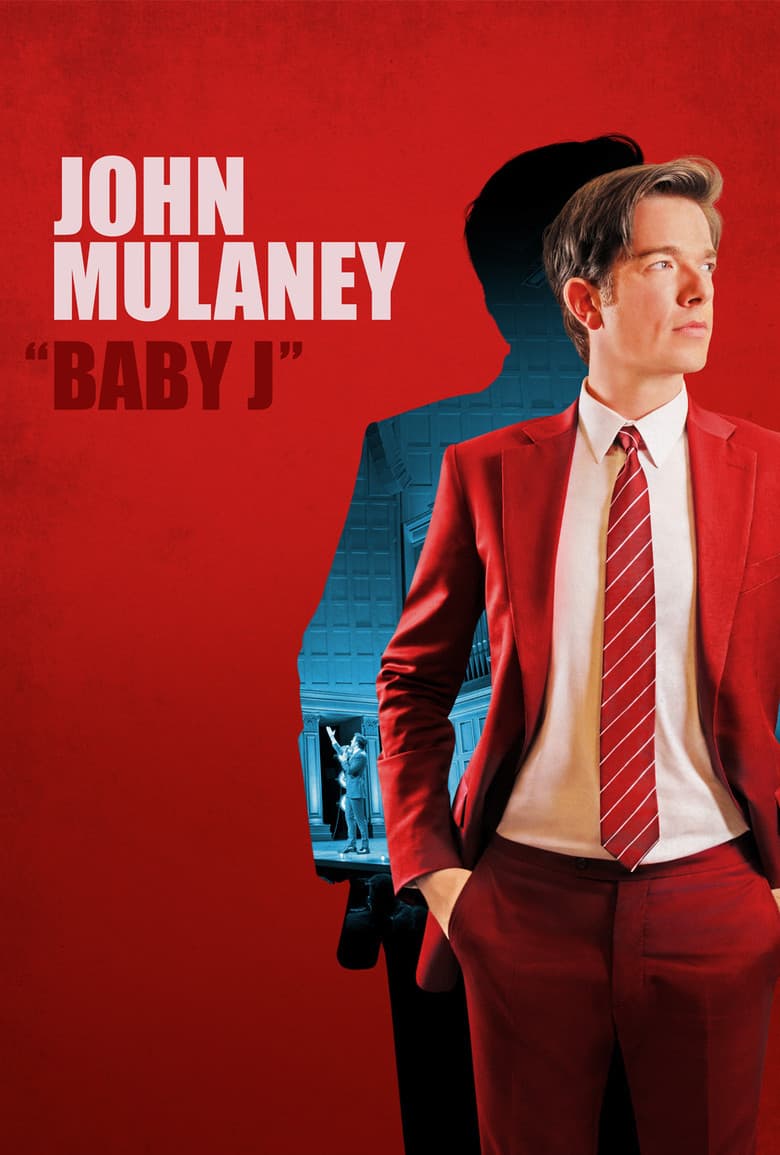
A chaotic intervention. An action-packed stay in rehab. After a weird couple of years, John Mulaney comes out swinging in his return to the stage.
Movie · 2022
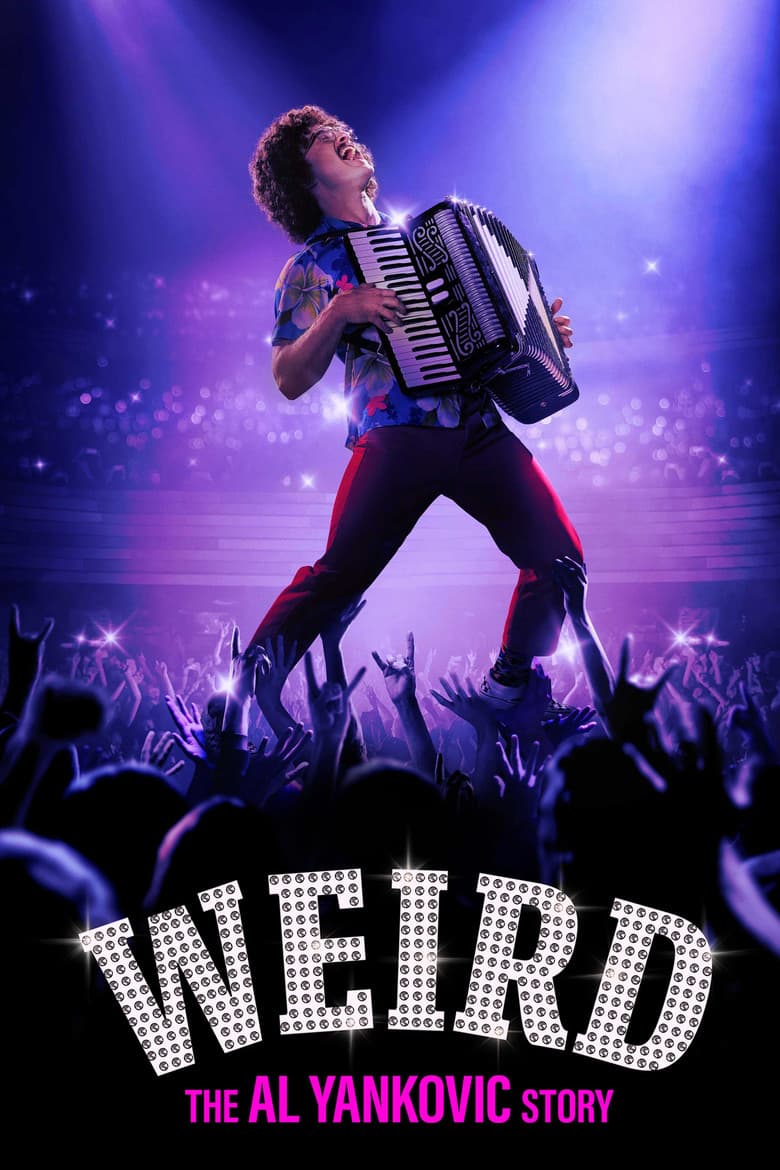
Exploring every facet of ‘Weird Al’ Yankovic’s life, from his meteoric rise to fame with early hits like ‘Eat It’ and ‘Like a Surgeon’ to his torrid celebrity love affairs and…
Movie · 2022
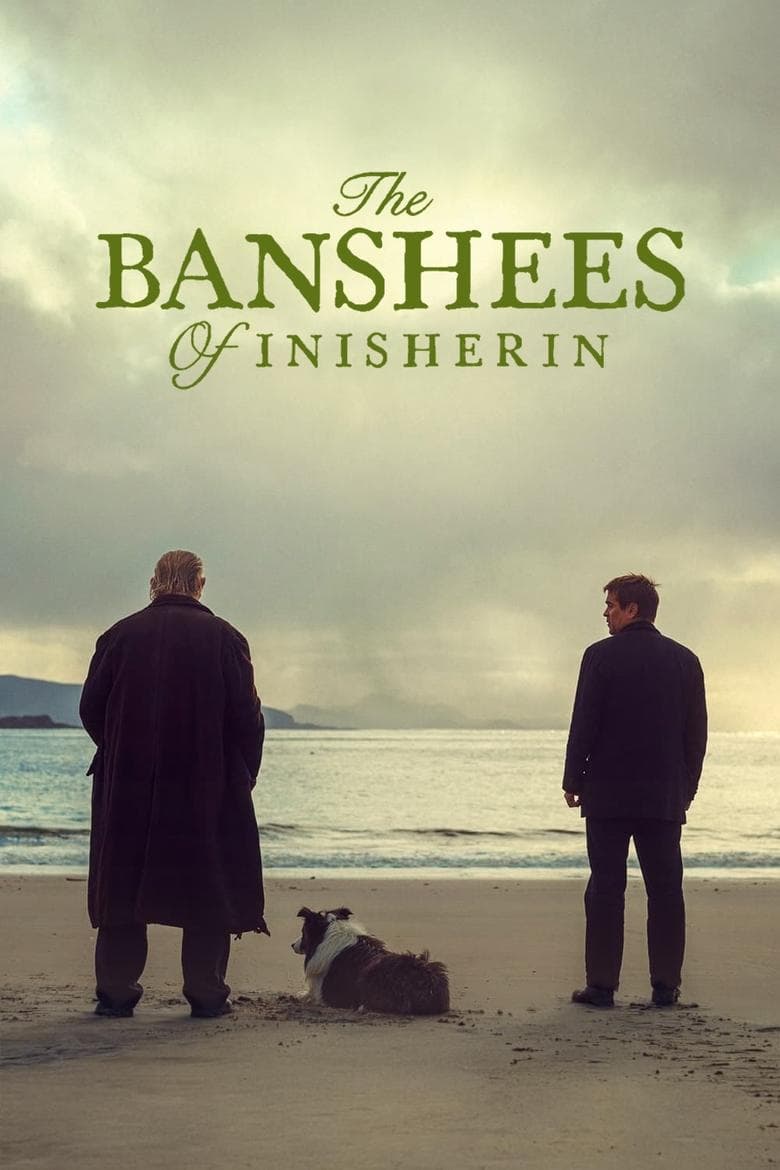
Two lifelong friends find themselves at an impasse when one abruptly ends their relationship, with alarming consequences for both of them.
Movie · 2023
From his onstage tackle to the slap heard round the world, Dave Chappelle lets loose in this freewheeling and unfiltered stand-up comedy special.
