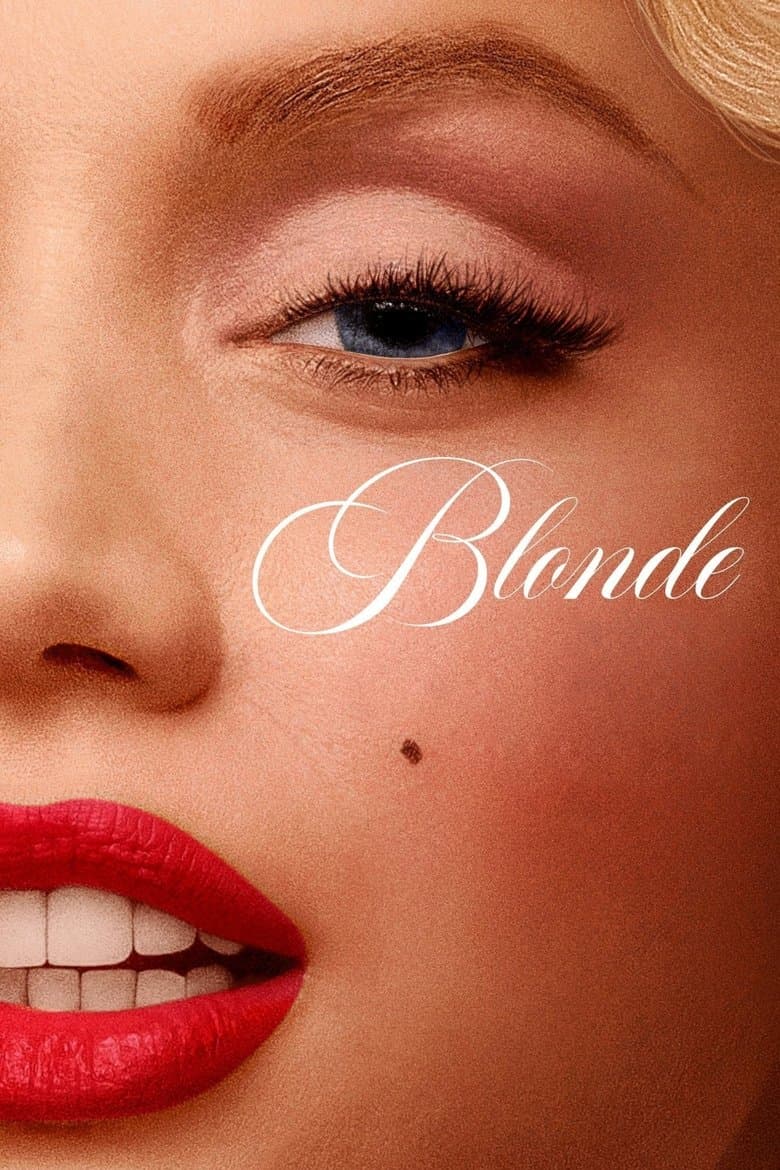
Blonde follows Norma Jeane Mortensen as she becomes the movie star Marilyn Monroe in 1940s and 1950s America. She carries pain from an unstable childhood and searches for love, family, and a father she never knew. Fame brings money and attention, but it also leaves her trapped between her public image and private self. Her marriages, affairs, pregnancies, drug use, and fear of losing control push the story toward a bleak and disturbing end.
The film makes a woman’s treatment by men a major part of the story. Studio bosses, husbands, lovers, and a president use her body, career, or fame for their own needs. The story also gives heavy attention to abortion, miscarriage, motherhood, and the fear that family illness will repeat itself. These themes create a clear gender and power message, but the film shows them through personal horror and trauma instead of speeches about modern politics.
Community feedback
Was our 43% Woke rating accurate?
Breakdown
These are the editorial factors and ratings behind our score for Blonde.
Woke representation / casting
Ana de Armas is a Cuban-Spanish actor playing the white American star Marilyn Monroe. The role is the film's central role, so the background mismatch is easy to see. The film presents the choice as an effort to copy Monroe's look and voice, not as a diversity message. Public complaints focused on her accent and resemblance, and the Monroe estate defended the casting.
18%
Woke political dialogue
Not present. Dialogue stays period-appropriate to 1940s-1960s Hollywood with no modern activist speeches, identity lectures, or social-justice messaging inserted.
0%
Identity-driven story themes
The film builds its plot around Norma Jeane's life as a woman used by studios, lovers, and powerful men. Her abortions, miscarriages, sexual assaults, and wish to become a mother are repeated story points. The film also shows her in a romantic and sexual three-person relationship with two men, which adds a nontraditional queer relationship. The film presents these ideas through personal horror and trauma, not through a current activist campaign.
50%
Western institutional / cultural critique
The film repeatedly shows Hollywood, the press, husbands, doctors, and a president treating Monroe's body as property. Studio bosses demand sex, and the film shows Joe DiMaggio beating her while powerful men control her work and pregnancies. These scenes create a clear critique of male entitlement, toxic masculinity, and the culture that turns a woman into a product. The film makes that critique through horror and personal suffering, not through modern political speeches or a broad attack on capitalism.
43%
Woke character or canon changes
Not relevant. Fictional liberties come from Oates' novel for artistic and psychological effect on a real historical figure, with no ideological identity swaps or DEI revisions to established canon or events.
0%
Anti-woke backlash and complaints
Not present in this title.
0%
Creator track record context
Andrew Dominik's work and comments focus more on trauma, self-destruction, and emotional pain than on activist ideas. Joyce Carol Oates often writes about gender, power, violence, trauma, and reproductive rights, while also warning against identity group fights. Plan B producers Dede Gardner and Jeremy Kleiner have made other social-issue films, including queer stories. This background adds a light context signal, but Blonde itself does not turn it into a political message.
25%
Production
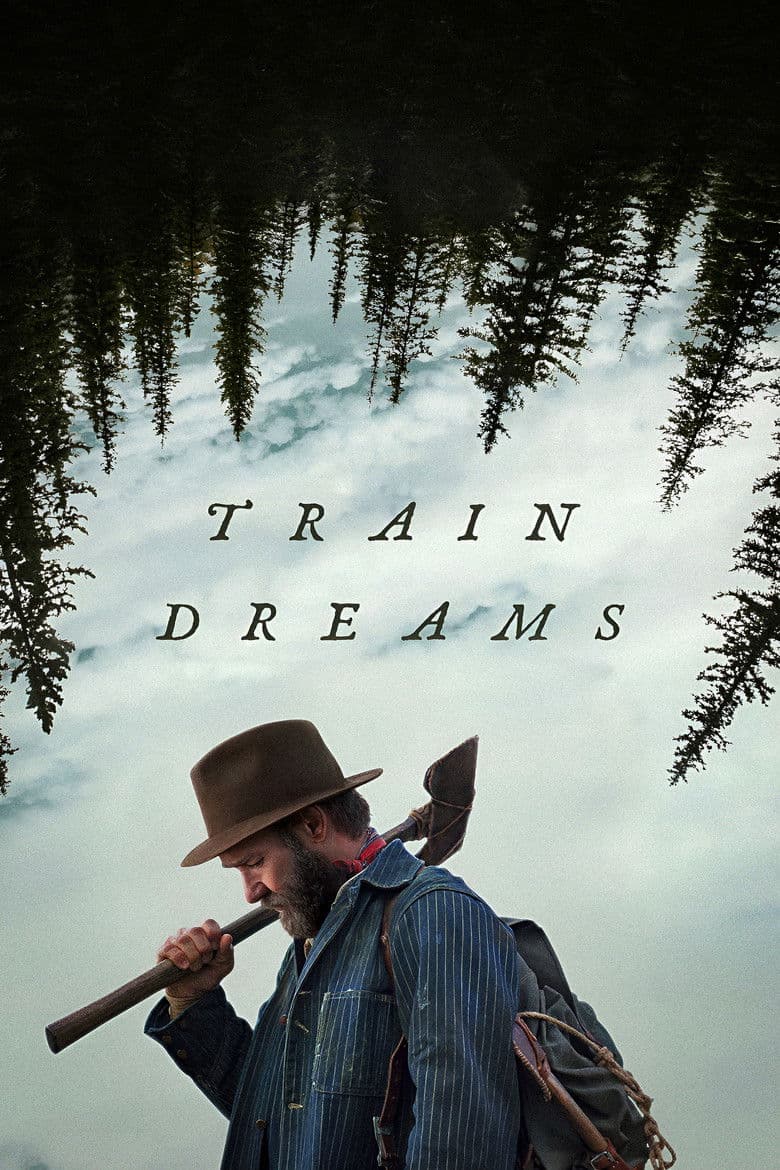
Movie · 2025
A logger leads a life of quiet grace as he experiences love and loss during an era of monumental change in early 20th-century America.
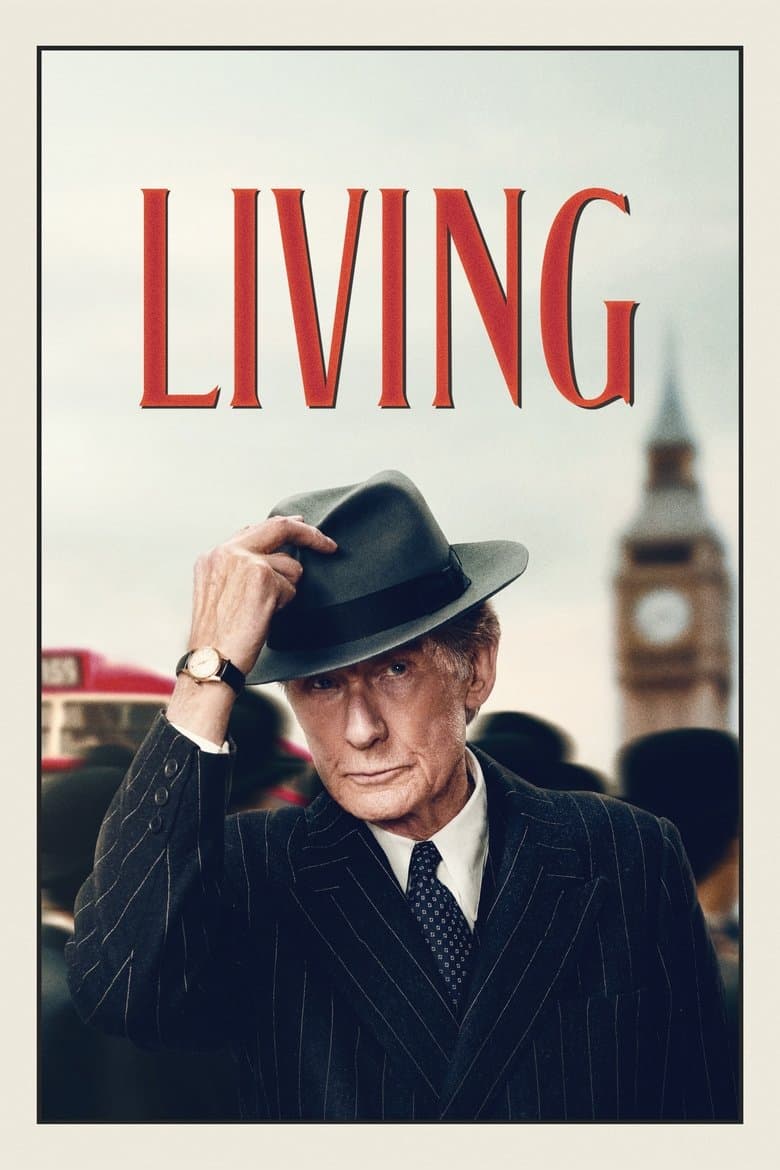
Movie · 2022
London, 1953. Mr. Williams, a veteran civil servant, is an important cog within the city's bureaucracy as it struggles to rebuild in the aftermath of World War II.
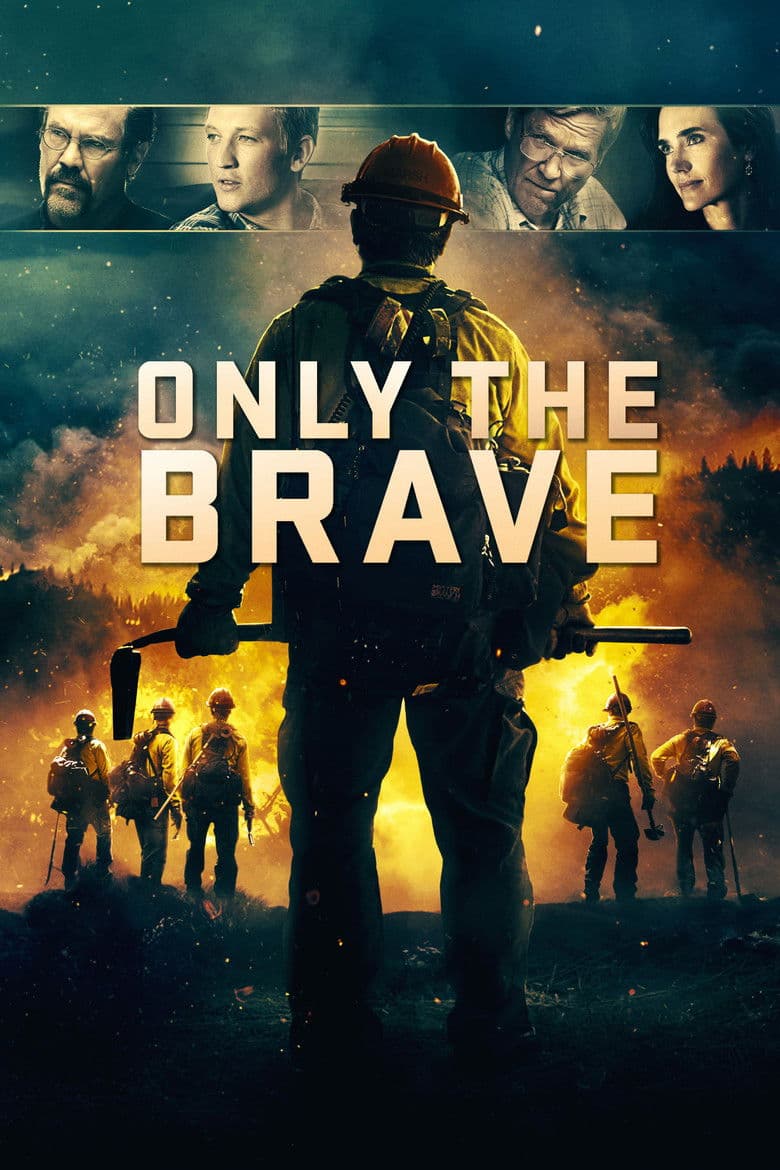
Movie · 2017
Members of the Granite Mountain Hotshots battle deadly wildfires to save an Arizona town.
Movie · 2023
The story of J. Robert Oppenheimer's role in the development of the atomic bomb during World War II.
Movie · 2025
Diagnosed with Tourette Syndrome at 15, John Davidson navigates his way against the odds through troubled teenage years and into adulthood, finding inspiration in the kindness of…
Movie · 2016
On 15 January 2009, the world witnessed the 'Miracle on the Hudson' when Captain 'Sully' Sullenberger glided his disabled plane onto the Hudson River, saving the lives of all 155…
Movie · 2019
Richard Jewell thinks quick, works fast, and saves hundreds, perhaps thousands, of lives after a domestic terrorist plants several pipe bombs and they explode during a concert…
Movie · 2017
In 1950, amidst the ravages of the Korean War, Sergeant Süleyman stumbles upon a a half-frozen little girl, with no parents and no help in sight and he risks his own life to save…
