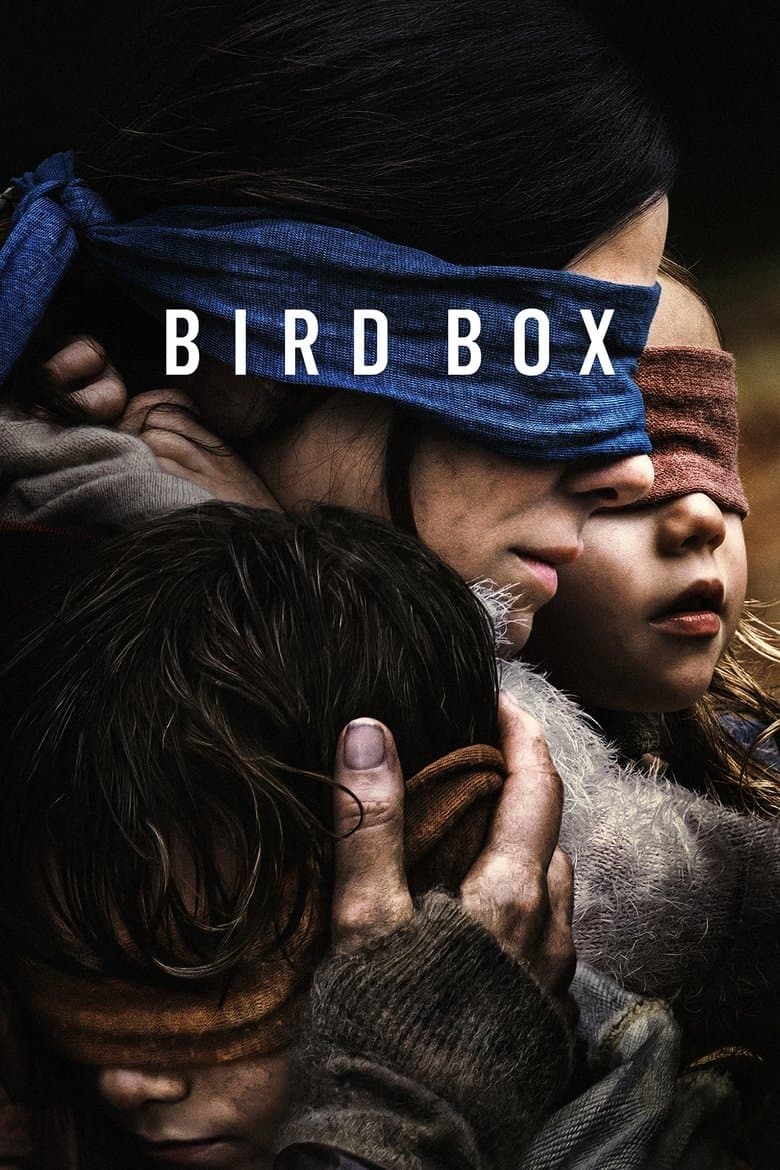
Malorie is a pregnant artist who does not want to become a mother when an unseen force tears through the world. Anyone who sees the force becomes driven to kill themselves, so survivors cover their eyes and hide indoors. Years later, Malorie takes Boy and Girl down a dangerous river while all three wear blindfolds. The film uses a tense, bleak tone, but it also follows Malorie as she learns to protect and love the children.
The film puts a woman at the center of a survival story and gives her a hard, forceful path into motherhood. Tom becomes a gentle partner and caring father figure, which reverses the usual action-movie roles without making the story about politics. The survivor house has a mixed group, an interracial romance, and Greg, a gay man who mentions his husband. These details are clear on screen, but the main story stays focused on fear, family, sacrifice, and the choice to build a safe community.
Community feedback
Was our 32% Woke rating accurate?
Breakdown
These are the editorial factors and ratings behind our score for Bird Box.
Woke representation / casting
The survivor house has a visibly mixed group that includes a black male partner, a black worker, several white survivors, and a gay homeowner who mentions his husband. The film also makes Malorie and Tom an interracial couple. The mix fits a modern California setting, and the story does not call attention to it as a campaign. Greg's confirmed LGBTQ+ detail still gives this factor a small real signal.
20%
Woke political dialogue
Douglas jokes that the group is making the end of the world “great again.” The line echoes Donald Trump's slogan and gives the film a brief anti-Trump political joke. The film does not build a wider political argument around that line.
12%
Identity-driven story themes
Malorie starts as a woman who fears motherhood and ends by claiming the children as her family. The film treats a hard and less loving mother as a valid protector instead of using only the usual soft mother image. Tom takes the gentle and caring parent role, which flips a common action-movie gender pattern. Greg's mention of a husband adds a confirmed LGBTQ+ detail, but his sexuality does not drive the plot.
30%
Western institutional / cultural critique
Not present. No modern activist takes on patriarchy, toxic masculinity, traditional norms, or Western institutions; horror is external and unexplained.
0%
Woke character or canon changes
Not present in this title.
0%
Anti-woke backlash and complaints
A Forbes opinion piece questioned the interracial romance and called Greg's husband reference an attempt to make the film seem more inclusive. The same piece singled out the “great again” joke as a MAGA reference. A later review of viewer comments recorded one complaint about a female lead, a person of color, a gay man, and an interracial couple being included for representation. Most wider reaction focused on memes, the film's quality, and the blindfold challenge, so the anti-woke backlash looks scattered.
22%
Creator track record context
Susanne Bier and Josh Malerman have mostly craft-focused public profiles. Eric Heisserer has supported casting beyond straight white characters. Mary Vernieu has spoken about representation and role models. These signals add background context, but the film is still mainly a survival thriller.
27%
Production

Movie · 2024
In 1930s Oklahoma amid the region's horrific dust storms, a woman is convinced that a sinister presence is threatening her family.
Movie · 2017
In a small town in Maine, seven children known as The Losers Club come face to face with life problems, bullies and a monster that takes the shape of a clown called Pennywise.
Movie · 2018
A teenager's quest to launch Norwegian Black Metal in Oslo in the 1990s results in a very violent outcome.
Movie · 2025
A couple and their children move into a seemingly normal suburban home. When strange events occur, they begin to believe there is something else in the house with them.
Movie · 2019
After a mysterious woman saves her daughter from a deadly snakebite, a single mother must repay the debt by killing a stranger before sundown.
Movie · 2020
A couple on a road trip through America encounter a terrifying dark force older than the country itself. An evil that transforms loved ones into someone terrifying, the entity has…
Movie · 2020
After a tragic turn of events at the new home he's fixing up, Daniel hears a ghostly plea for help, spurring him to seek out a famous paranormal expert.

Movie · 2016
A struggling painter is possessed by satanic forces after he and his young family move into their dream home in rural Texas.
