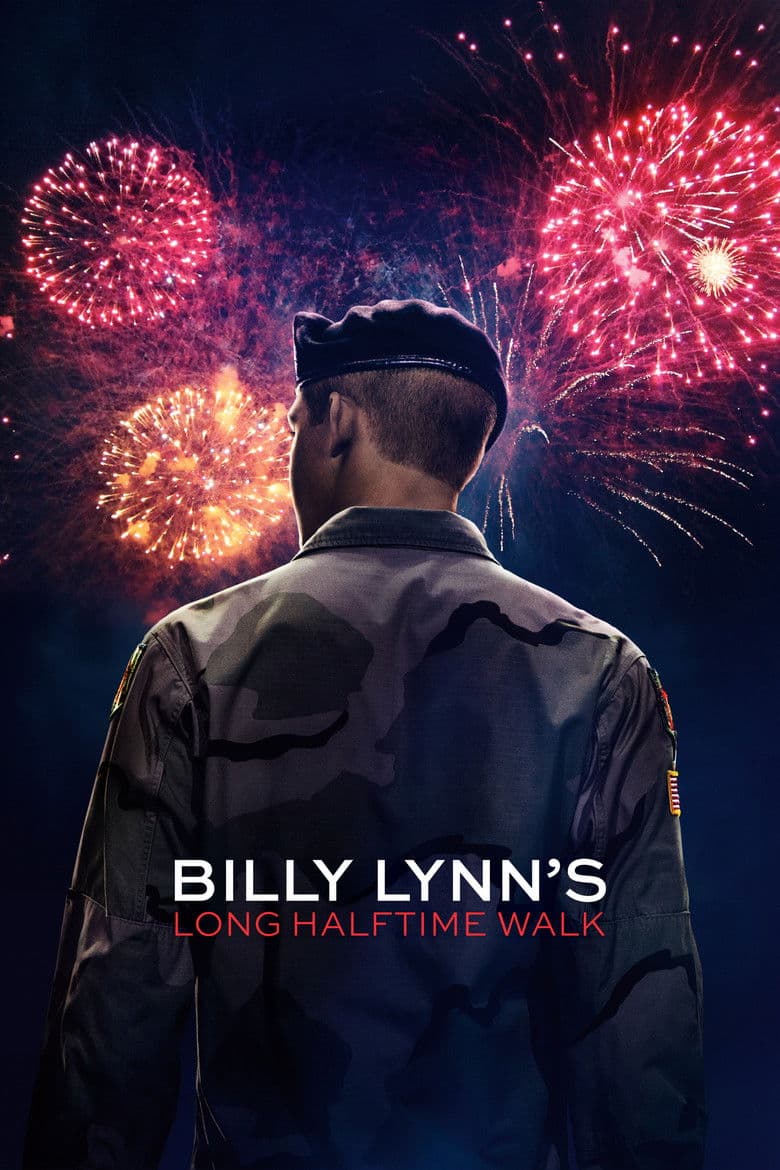
Nineteen-year-old Army specialist Billy Lynn becomes a media hero after a filmed firefight in Iraq. He and Bravo Squad come home for a publicity tour that ends at a Dallas Cowboys Thanksgiving halftime show. Flashbacks show what the battle cost them. In the present, the soldiers are used as a patriotic show, chased by Hollywood money, and pulled between home, trauma, and going back to war.
The story is about combat trauma, brotherhood, empty hero worship, and war turned into entertainment. Billy’s sister pushes him toward leaving the war and getting out of the Army. Soldiers and civilians argue about the mission, the hero package, and what real support means. The film mocks loud football-and-media patriotism, rich owners who undervalue the soldiers’ story, and a home front that treats war like a show. That critique of American commercial patriotism and class use of soldiers is clear, but the film is not built on race, gender, or identity-politics storylines.
Community feedback
Was our 26% Woke rating accurate?
Breakdown
These are the editorial factors and ratings behind our score for Billy Lynn's Long Halftime Walk.
Woke representation / casting
Bravo Squad is multiethnic in a 2004 U.S. Army setting where that mix is ordinary, not a marked identity statement. Lead Billy, sister Kathryn, cheerleader Faison, and squad leader Dime are standard casting for the story world. There is no girlboss-savior, race-swap hero, or first-of-a-kind framing.
8%
Woke political dialogue
Sister Kathryn pushes anti-war exit and discharge talk. Soldiers and civilians argue about the mission, hero packaging, and what support means. The dialogue critiques war public relations and civilian cluelessness more than race, gender, or DEI talking points.
18%
Identity-driven story themes
The core story is combat trauma, brotherhood, hollow hero worship, and war as entertainment. It is not built on identity-politics arcs about race, gender, or sexuality. Brief gay-slur banter and a Christian cheerleader subplot are side details, not the engine of the plot.
12%
Western institutional / cultural critique
The film clearly satirizes jingoistic football-and-media patriotism and corporate owners who lowball soldiers’ story rights. It also shows a home front that treats war as spectacle. The target is American commercial patriotism and class exploitation more than modern DEI-style identity critique.
30%
Woke character or canon changes
Not present in this title.
0%
Anti-woke backlash and complaints
Not present. Public debate centered on high frame rate, mixed reviews, and box-office failure. There was no meaningful right-leaning wave calling the film woke or identity propaganda. Some left-leaning notes even called it soft or under-political on Iraq.
0%
Creator track record context
Ang Lee’s cached profile is moderate, with Brokeback Mountain framed by him as a personal story rather than activism and this film sold as tech and PTSD immersion. Other listed directors, the writer, the editor, and the producers score low with no activist pattern. The team context is craft and commerce, not representation-first politics.
20%
Production
Movie · 2025
Diagnosed with Tourette Syndrome at 15, John Davidson navigates his way against the odds through troubled teenage years and into adulthood, finding inspiration in the kindness of…
Movie · 2016
On 15 January 2009, the world witnessed the 'Miracle on the Hudson' when Captain 'Sully' Sullenberger glided his disabled plane onto the Hudson River, saving the lives of all 155…
Movie · 2017
Members of the Granite Mountain Hotshots battle deadly wildfires to save an Arizona town.
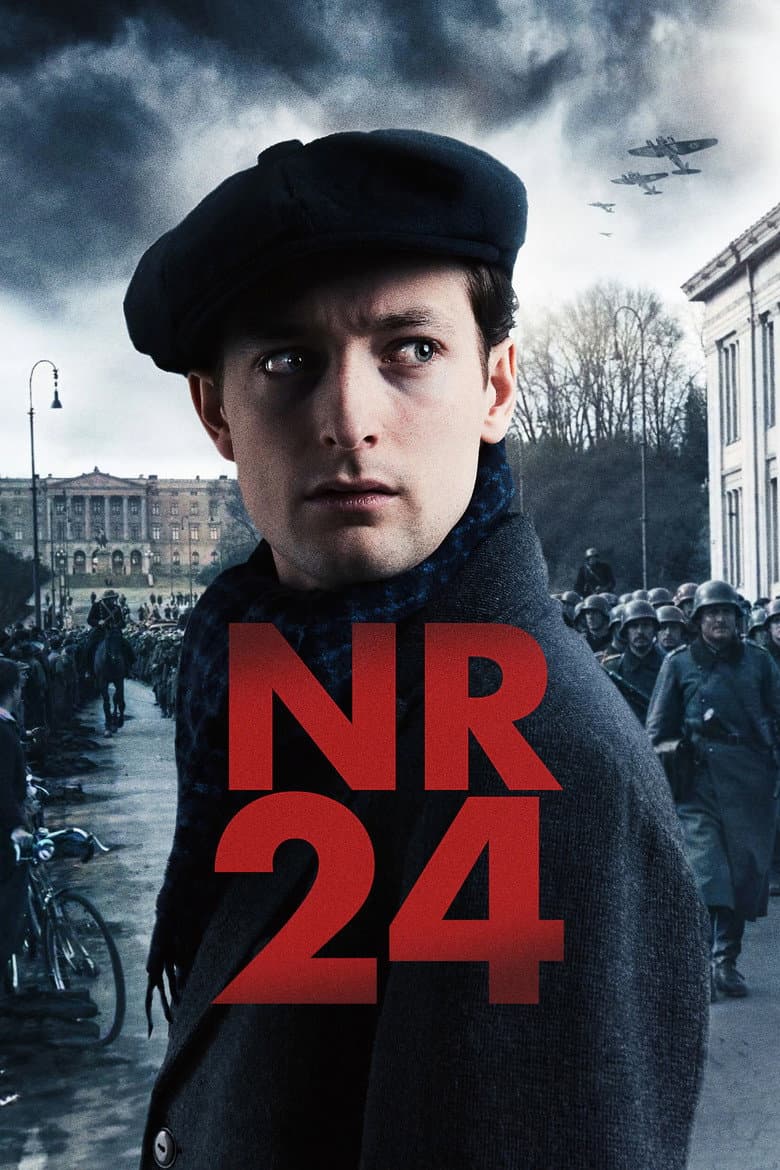
Movie · 2024
On the brink of the Second World War, a young Norwegian man's drive to resist the Nazis sets a new course for his future – and the future of his country.

Movie · 2016
After his older brother passes away, Lee Chandler is forced to return home to care for his 16-year-old nephew.
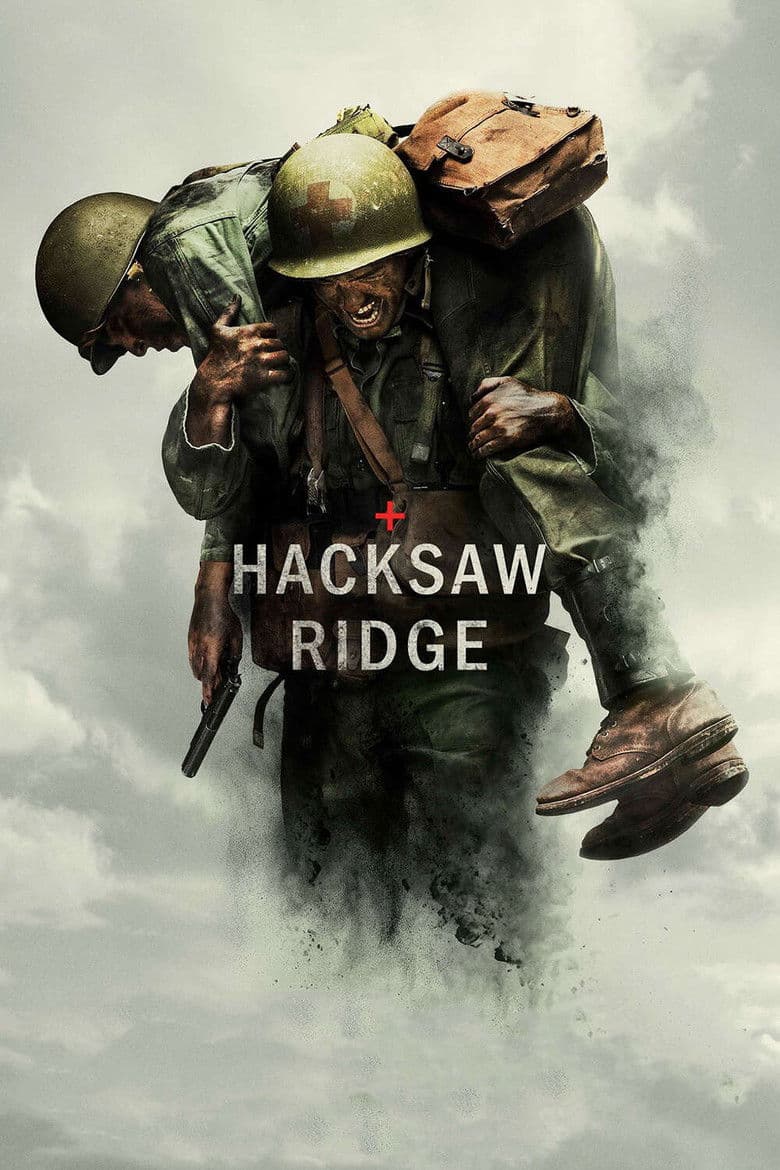
Movie · 2016
WWII American Army Medic Desmond T. Doss, who served during the Battle of Okinawa, refuses to kill people and becomes the first Conscientious Objector in American history to…
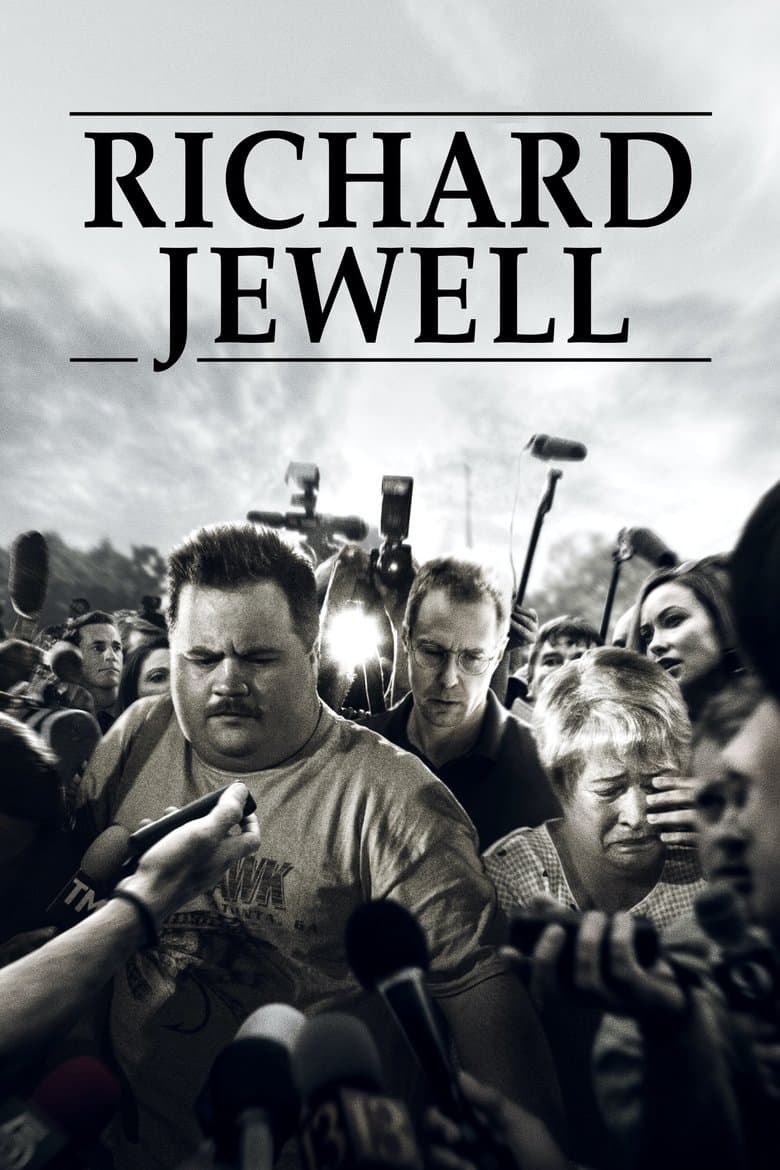
Movie · 2019
Richard Jewell thinks quick, works fast, and saves hundreds, perhaps thousands, of lives after a domestic terrorist plants several pipe bombs and they explode during a concert…

Movie · 2022
A quiet, neglected girl is sent away from her dysfunctional family to live with relatives for the summer. She blossoms in their care, but in this house where there are meant to be…
