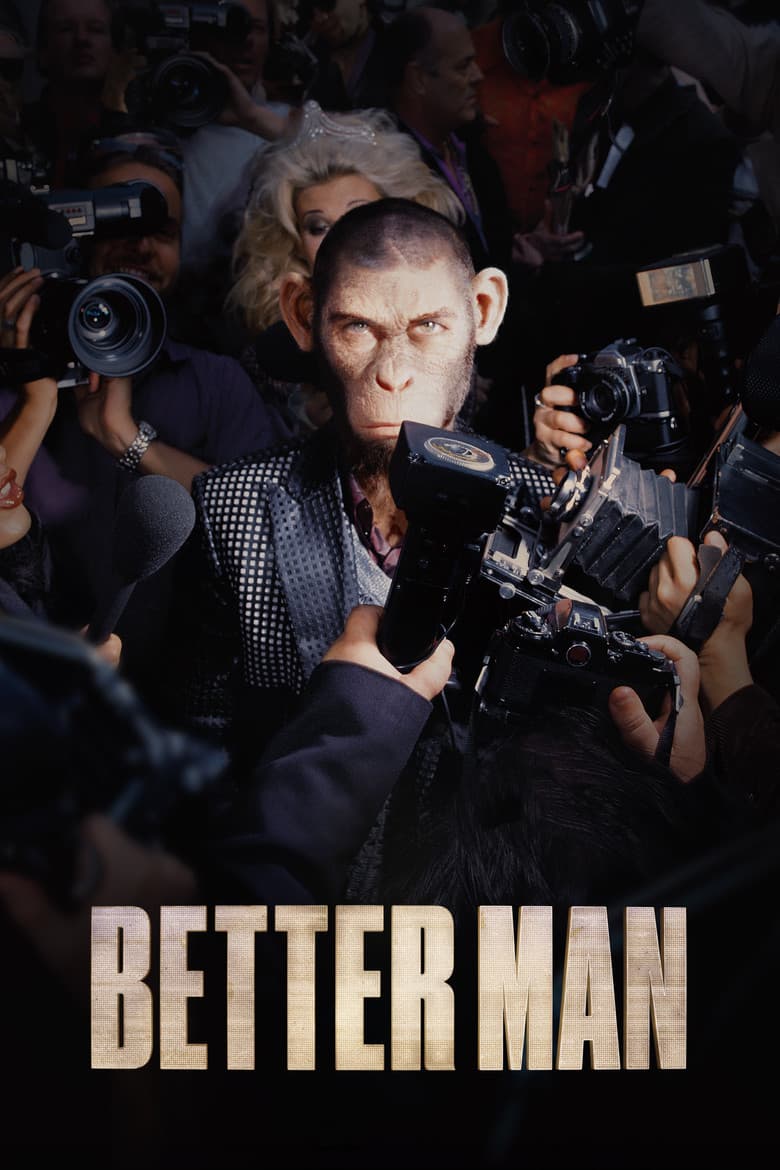
Better Man follows Robbie Williams from a hard childhood in Stoke-on-Trent to boy-band fame with Take That and a huge solo career. His absent father, harsh fame, drug use, and deep self-doubt keep pulling him into trouble. The film shows his rise, collapse, and efforts to repair damaged family ties and old friendships. Its tone is loud, funny, dark, and emotional, with huge song-and-dance scenes beside rough scenes of sex, drugs, and mental pain.
The clearest identity-related part comes early, when Take That plays gay clubs for about 18 months. Robbie says those clubs make him feel safe and welcome, and they give him a place where he can grow. The movie treats this as part of his real career and does not make Robbie's sexual identity the main conflict. The chimp version of Robbie is a personal image for feeling like a performing animal, while the main themes stay focused on fame, addiction, family, shame, and healing.
Community feedback
Was our 21% Woke rating accurate?
Breakdown
These are the editorial factors and ratings behind our score for Better Man.
Woke representation / casting
Not present. The prominent cast matches a British music story about real people and a real band. The CGI chimp represents Robbie’s self-image, not a race, gender, or diversity statement.
0%
Woke political dialogue
Not present. The dialogue stays on fame, family pain, addiction, self-doubt, and recovery. The gay-club scenes describe Robbie’s personal welcome and do not become activist speeches.
0%
Identity-driven story themes
The film gives a clear LGBTQ+ setting when Take That performs in gay clubs for about 18 months. Robbie says those clubs make him feel safe, welcome, and accepted. The film also mentions rumors about his sexuality. These scenes matter to his early story, but the main arc follows fame, addiction, family pain, and self-worth rather than a queer identity.
35%
Western institutional / cultural critique
Not present. The film shows managers, fame, and the music business hurting Robbie. It treats those harms as personal costs in his life, not as a repeated modern activist attack on capitalism, patriarchy, family, or Western institutions.
0%
Woke character or canon changes
Not relevant. The movie uses a CGI chimp to show Robbie’s own view of himself. The device is an artistic choice in a biopic, not an identity-driven change to a known character or real event.
0%
Anti-woke backlash and complaints
Not present. Online reaction focused on the chimp, the songs, British fame, and the film’s box office. No meaningful complaint said that the film pushed woke, DEI, identity politics, or left-wing activist content.
0%
Creator track record context
The stored creator scores are low, ranging from 5 to 23. Paul Currie’s youth charity gives a mild broad progressive signal, but it is not identity-driven. The other stored profiles show entertainment work without a repeated pattern of DEI or activist themes.
15%
Production
Movie · 2016
WWII American Army Medic Desmond T. Doss, who served during the Battle of Okinawa, refuses to kill people and becomes the first Conscientious Objector in American history to…
Movie · 2023
American ballet dancer Joy Womack is accepted into Moscow's infamously tough Bolshoi Ballet Academy, with the dream of becoming a great ballerina.
Movie · 2026
While people across 1990s Iraq struggle to survive the war and food shortages, Saddam Hussein requires each school in the country to prepare a cake to celebrate his birthday.
Movie · 2022
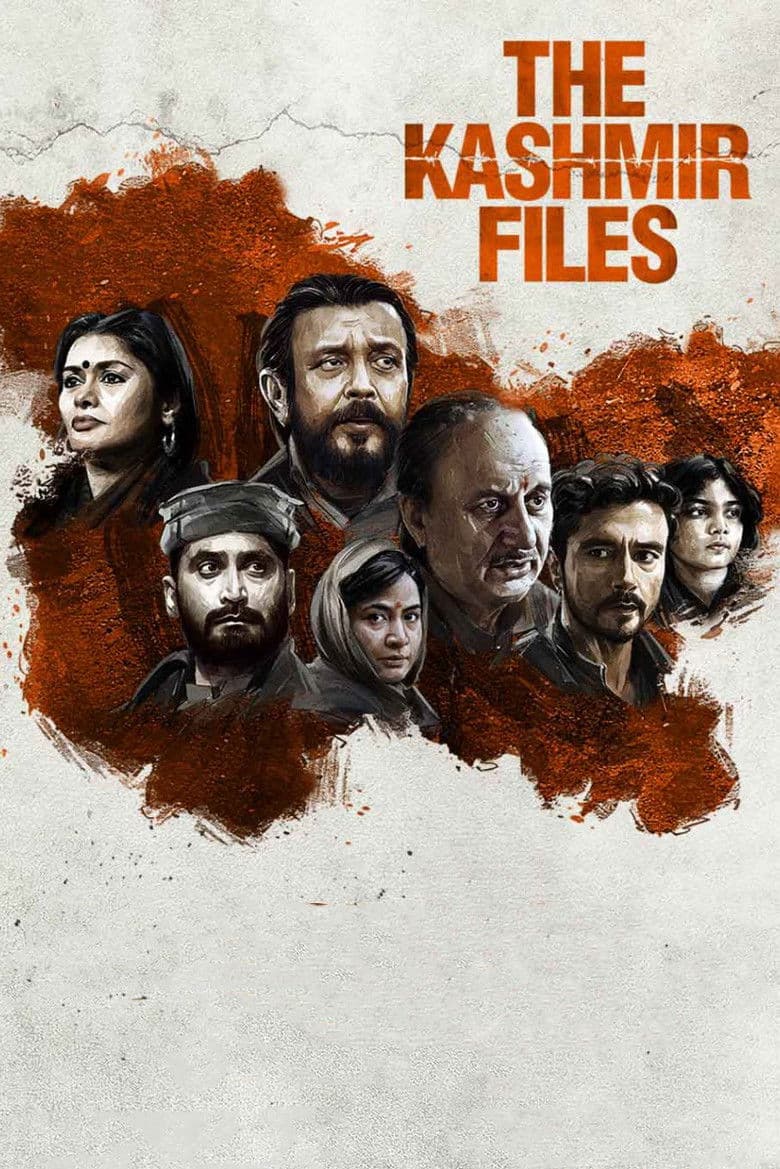
Based on a true tragedy, the emotionally triggering film sheds light on the plight of Kashmiri Pandits (Hindus), a religious minority in the 1990s Kashmir valley, who were…
Movie · 2024
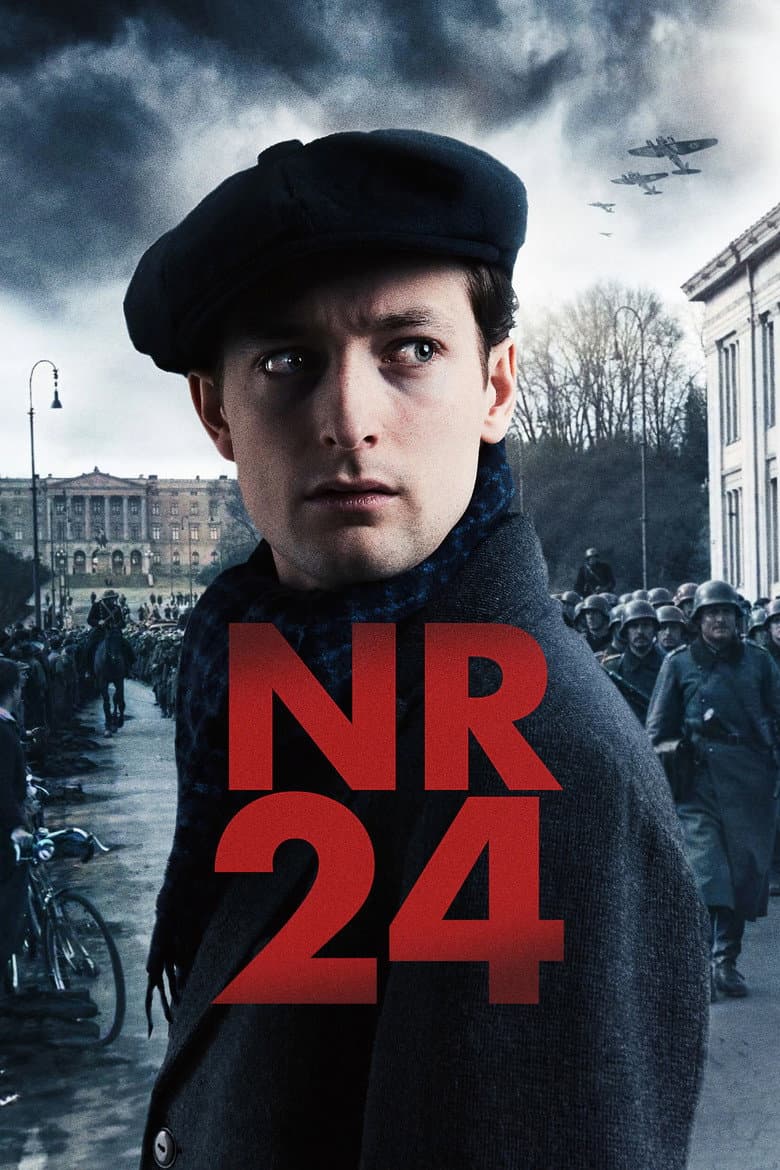
On the brink of the Second World War, a young Norwegian man's drive to resist the Nazis sets a new course for his future – and the future of his country.
Movie · 2025
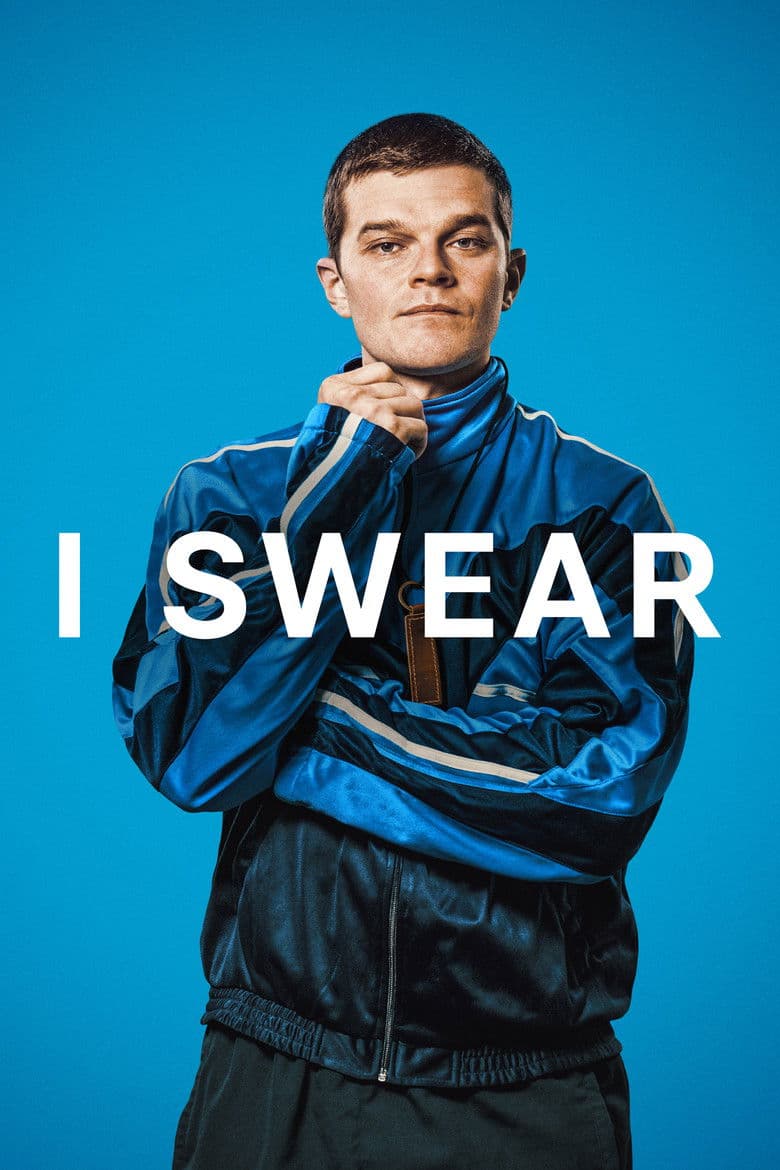
Diagnosed with Tourette Syndrome at 15, John Davidson navigates his way against the odds through troubled teenage years and into adulthood, finding inspiration in the kindness of…
Movie · 2023
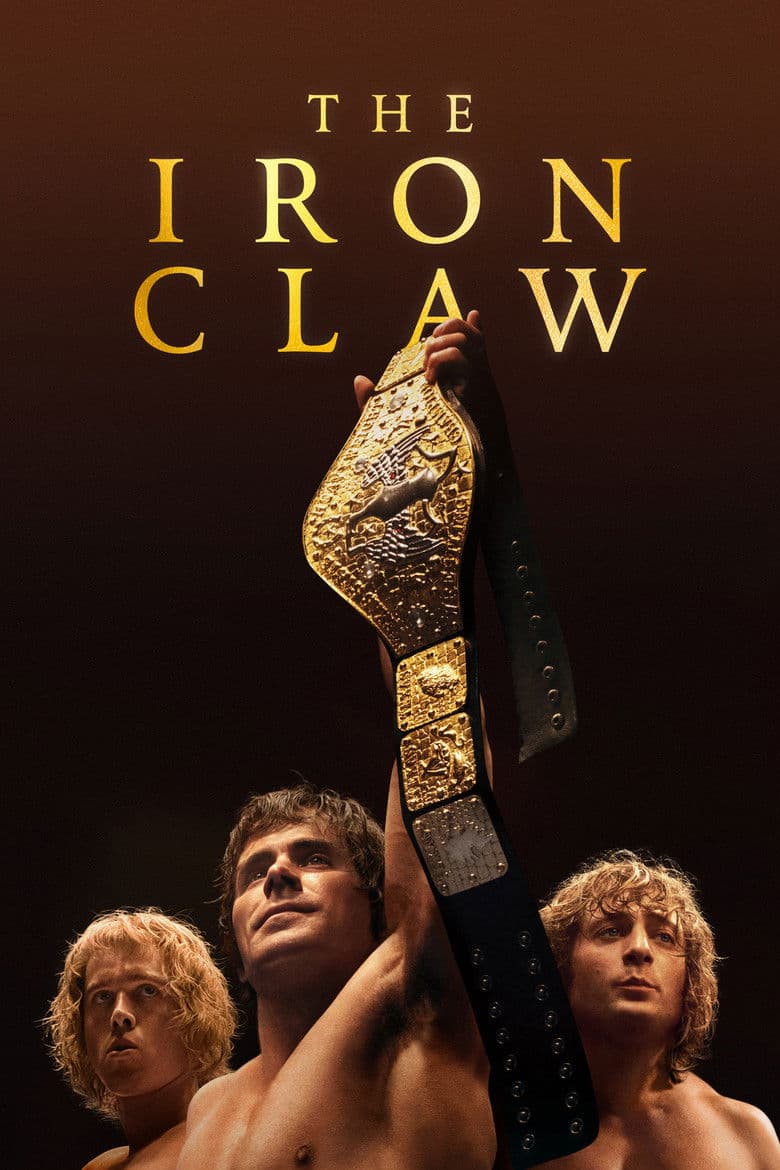
The true story of the inseparable Von Erich brothers, who made history in the intensely competitive world of professional wrestling in the early 1980s.
Movie · 2019
Richard Jewell thinks quick, works fast, and saves hundreds, perhaps thousands, of lives after a domestic terrorist plants several pipe bombs and they explode during a concert…
