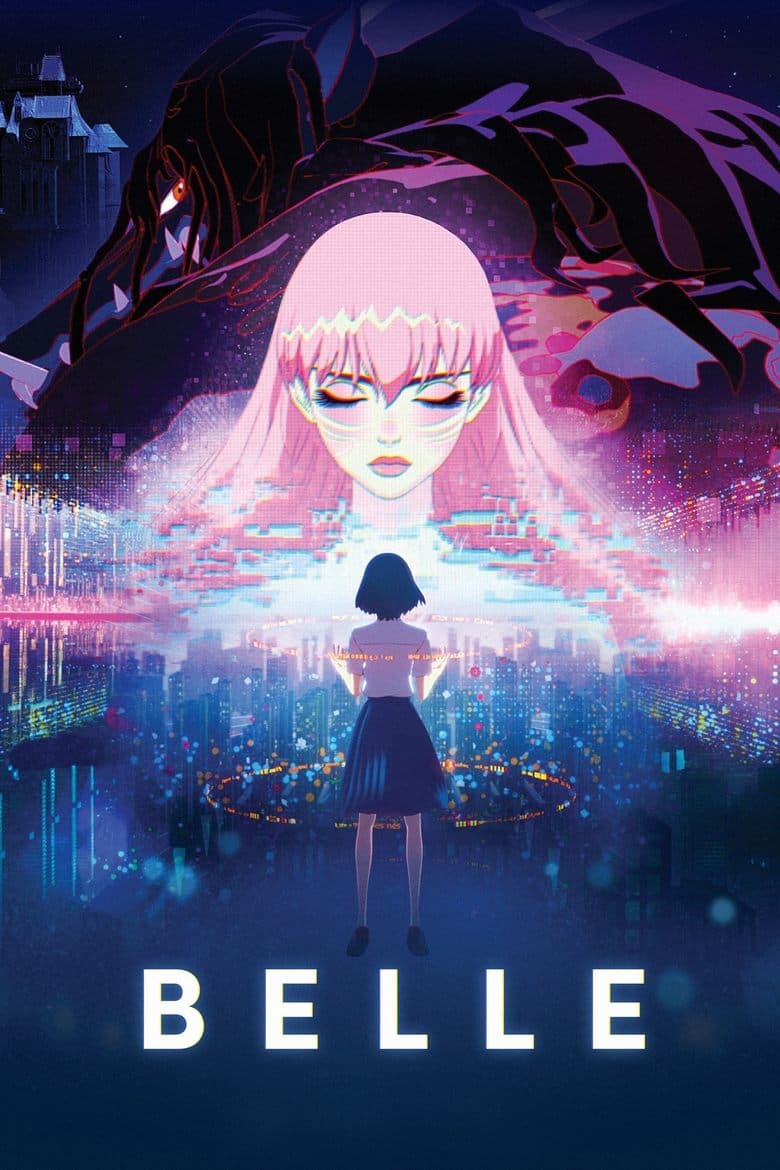
Suzu is a shy 17-year-old living in rural Japan with her dad. She still hurts from her mother’s death years earlier and has mostly stopped singing. One day she joins a huge online world called “U,” where her avatar Belle becomes a global singing star. When a scary dragon-like “Beast” crashes her show and online “justice” hunters chase him, Suzu tries to learn who he really is and what pain he is hiding.
The movie’s heart is grief, online fame versus real life, friendship, and helping kids in danger. Suzu grows braver and saves two brothers from a violent father after she finds them offline. Viewers mainly notice a coming-of-age story and a soft Beauty and the Beast remix set on social media, plus a clear child-abuse subplot and a girl lead who finds her voice. Hosoda has talked about complex girls, old fairy-tale beauty roles, and online “hidden selves,” including that such spaces can help many kinds of people. That framing is progressive and humanist, not a hard race or queer-identity campaign on screen. A normal viewer would see a strong, caring girl hero and social-problem drama more than heavy activist messaging.
Community feedback
Was our 27% Woke rating accurate?
Breakdown
These are the editorial factors and ratings behind our score for Belle.
Woke representation / casting
Almost all main characters are Japanese teens and adults in a Japanese setting, matching the story world. Suzu and friend Hiro are capable and central, which reads as character writing more than race or quota casting. English-dub casting of a known trans actress as minor cis schoolgirl Ruka is a mild external note, not on-screen identity signaling in the Japanese original.
12%
Woke political dialogue
Lines focus on grief, friendship, trust, fame, and stopping abuse. There are no long activist speeches on race, gender ideology, or Western politics. Social points stay personal and story-driven.
0%
Identity-driven story themes
Clear themes of online vs real self, finding beauty in growth not looks, and a shy girl becoming brave enough to help abused kids. That is progressive personal-growth and social-problem storytelling some viewers will notice. It is not a race, queer, or DEI identity plot; LGBTQ content is not part of the story itself.
28%
Western institutional / cultural critique
The film shows slow child-protection rules, an abusive father, and self-righteous online “Justices” who hunt people. That is mild critique of failing safety and mob-style doxxing, not a long attack on Western culture, Christianity, or “toxic masculinity” as a political slogan. Abuse-of-power conflict alone is not scored as hard woke.
28%
Woke character or canon changes
Not relevant. It is an original Japanese story only loosely inspired by Beauty and the Beast. Changes are ordinary modernization (internet setting, new plot) without identity-driven swaps of known characters or history.
0%
Anti-woke backlash and complaints
No clear mainstream wave of anti-woke or anti-DEI complaints defined the film’s release. Coverage was mostly positive craft and emotion talk. Any “agenda” pushback stays fringe or hard to pin as a major audience fight.
5%
Creator track record context
Key writer-director Hosoda is cached as mild progressive/humanist (complex girls, identity/selfhood talk), not hard activist. Most directors and producers cached at 0. One producer has higher identity-visibility score but is not the film’s public message leader. Overall support for the title’s soft progressive tone, not a woke-first crew brand.
15%
Production
Movie · 2016
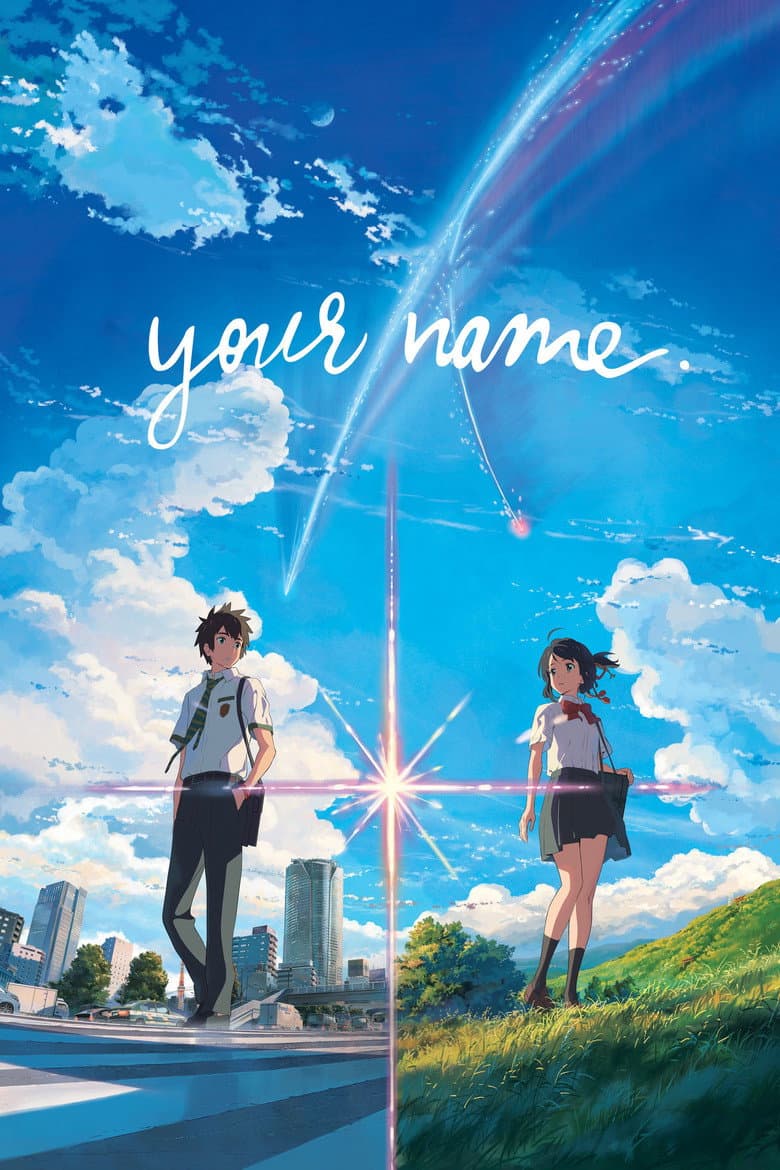
High schoolers Mitsuha and Taki are complete strangers living separate lives. But one night, they suddenly switch places. Mitsuha wakes up in Taki’s body, and he in hers.
Movie · 2016
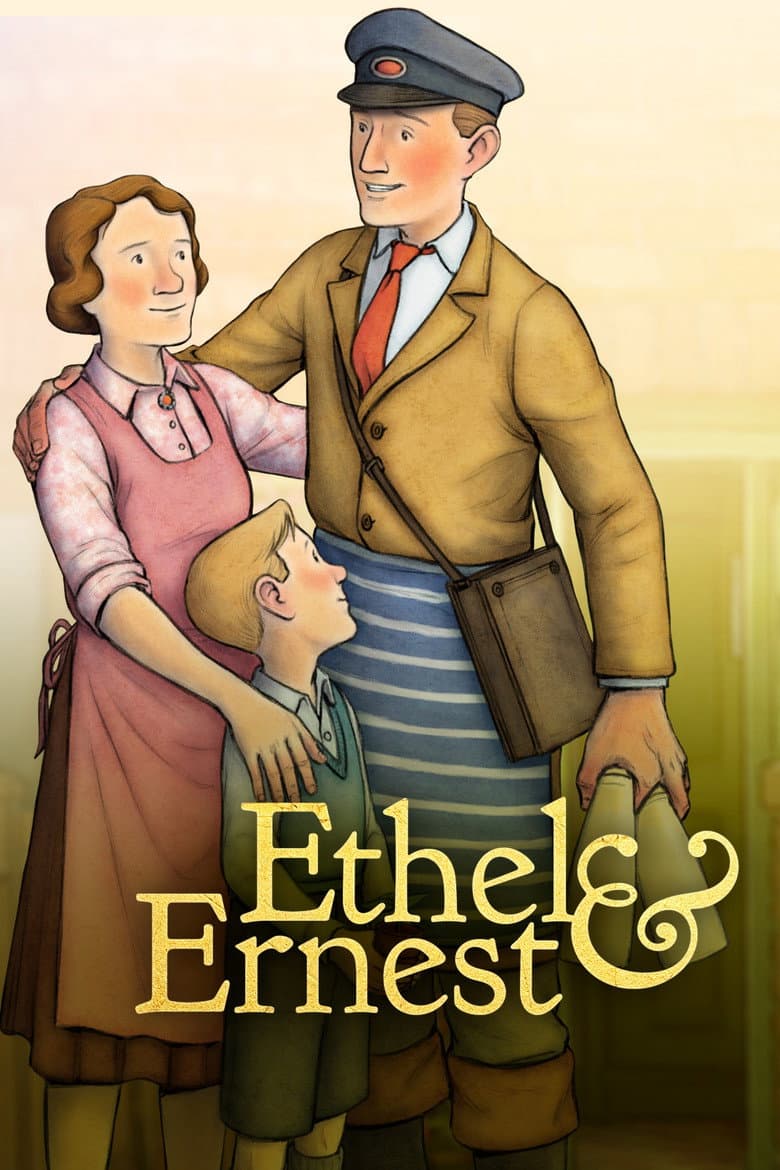
This hand drawn animated film, based on the award winning graphic novel by Raymond Briggs, is an intimate and affectionate depiction of the life and times of his parents, two…
Movie · 2020
As the end approaches inexorably, the last humans, living millions of years into the future, send a message to the humanity of the present that is both a plea for help and a…
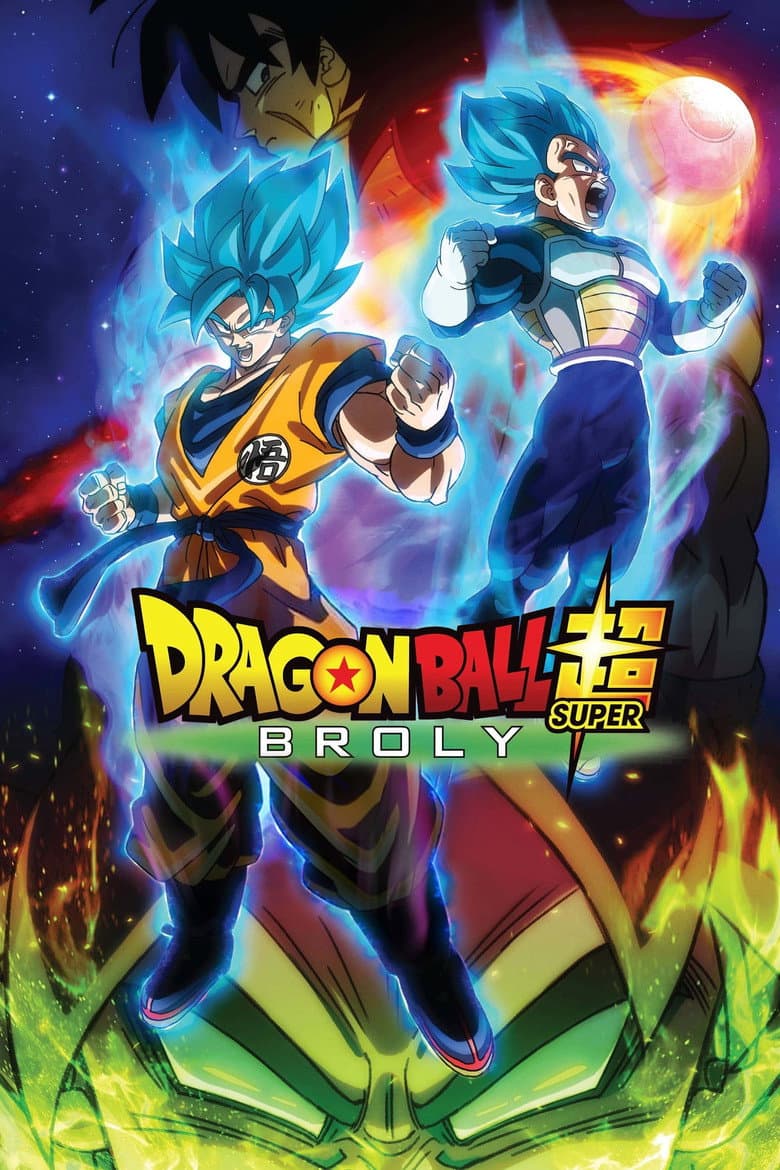
Movie · 2018
Earth is peaceful following the Tournament of Power. Realizing that the universes still hold many more strong people yet to see, Goku spends all his days training to reach even…
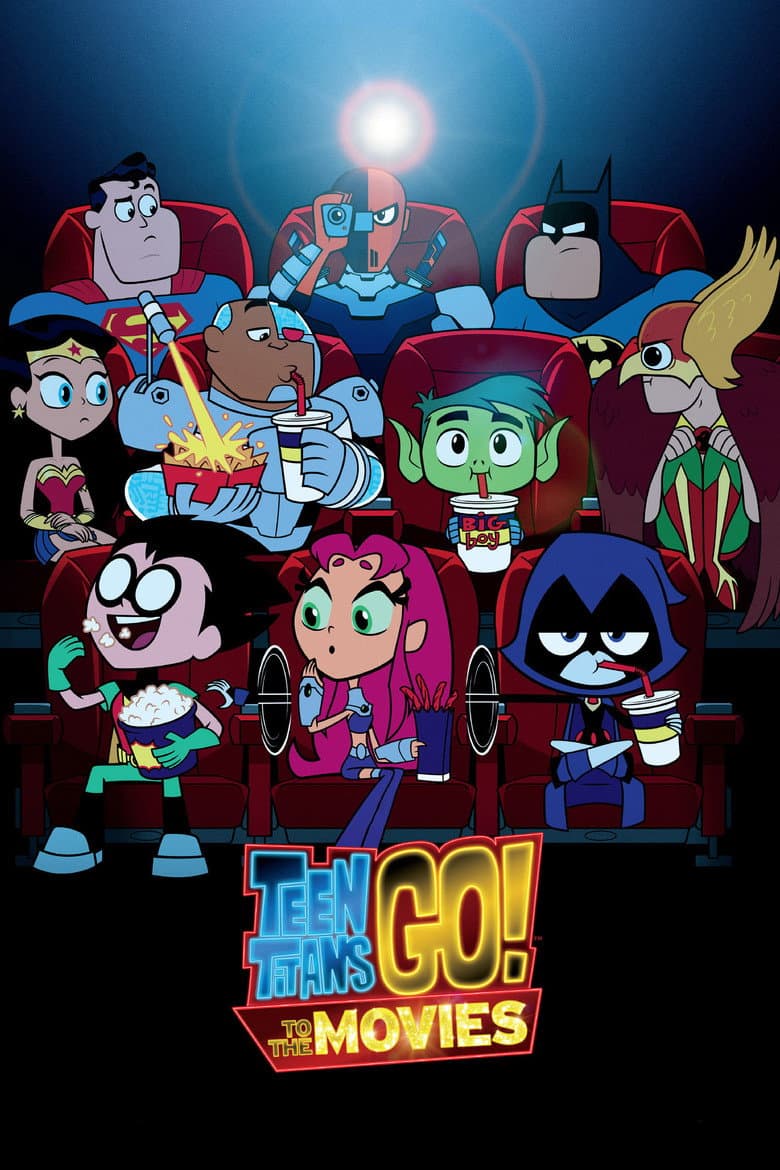
Movie · 2018
All the major DC superheroes are starring in their own films, all but the Teen Titans, so Robin is determined to remedy this situation by getting over his role as a sidekick and…
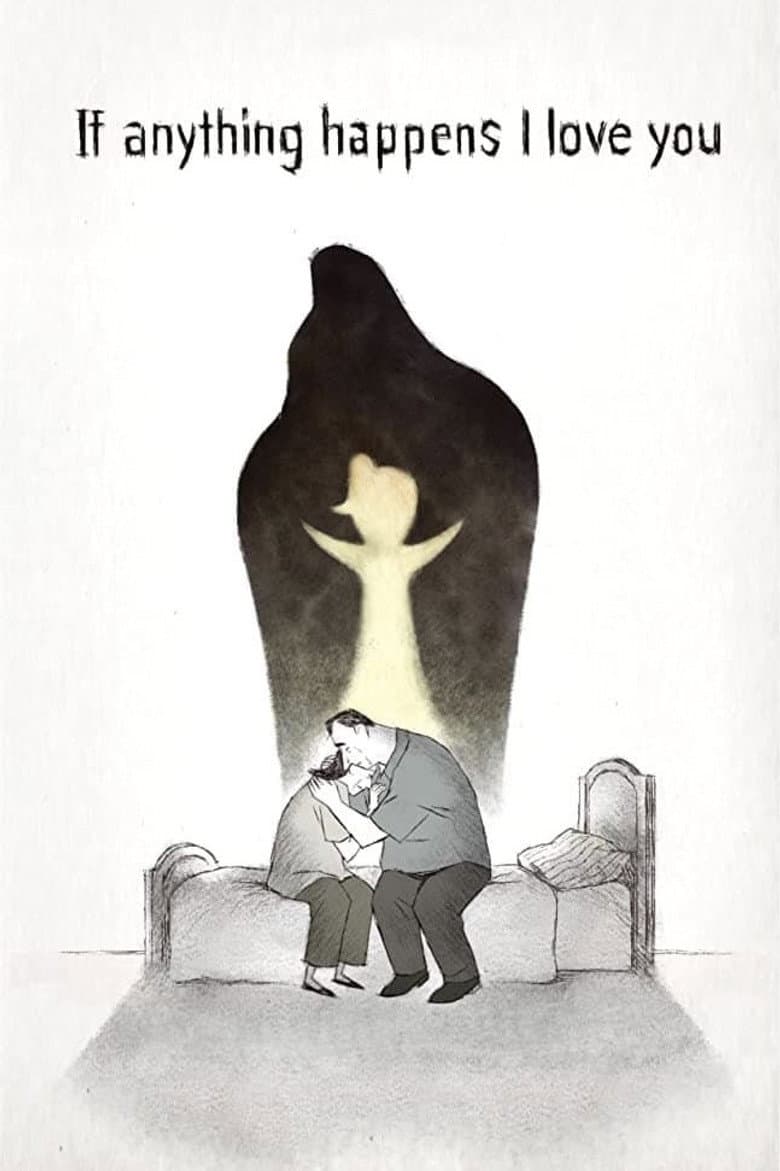
Movie · 2020
Grieving parents journey through an emotional void as they mourn the loss of a child after a tragic school shooting.
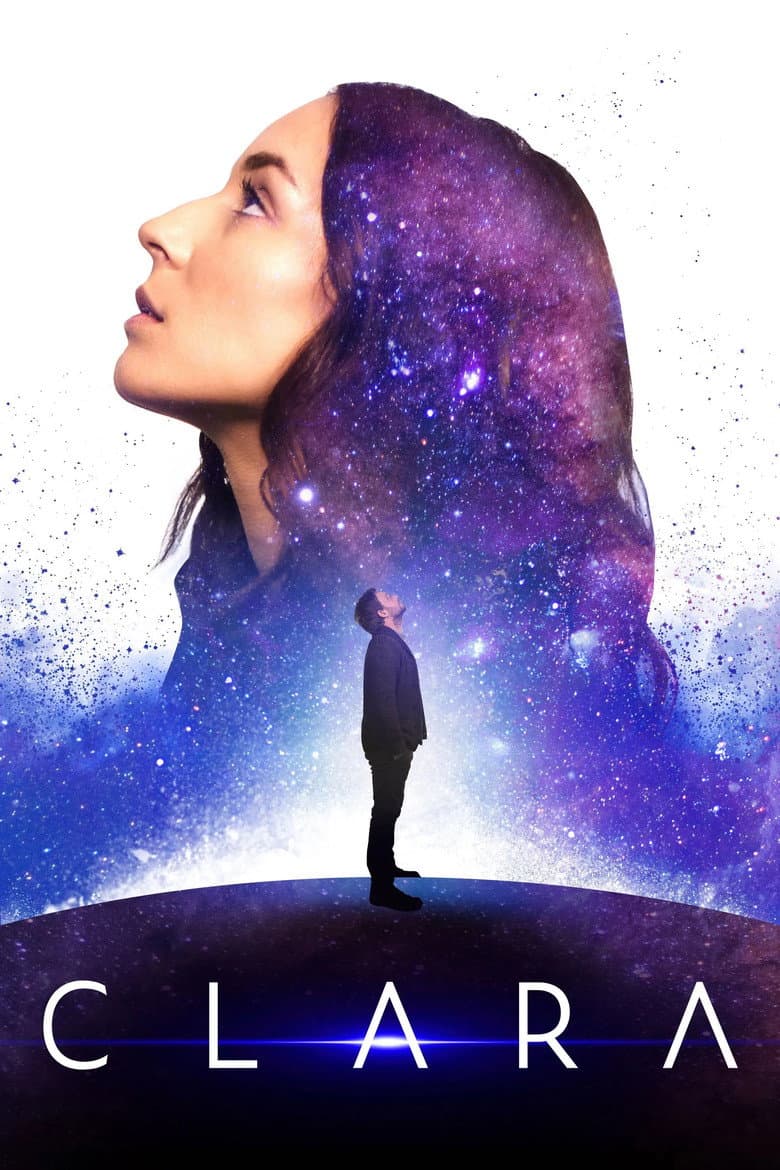
Movie · 2018
An astronomer becomes obsessed with searching the cosmos for signs of life beyond Earth which leads to a shocking discovery.
Movie · 2024
The untold origin story of Optimus Prime and Megatron, better known as sworn enemies, but once were friends bonded like brothers who changed the fate of Cybertron forever.
