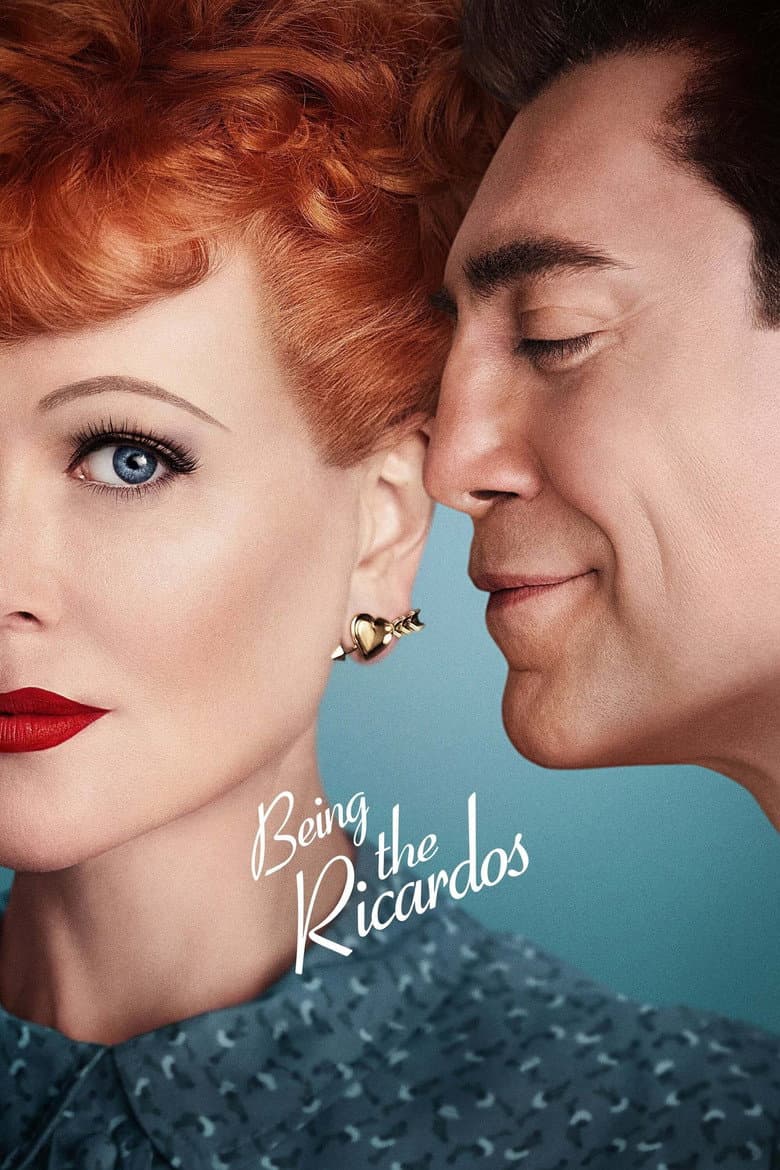
Lucille Ball and Desi Arnaz run the hit show *I Love Lucy* in the early 1950s. Over one hard week of filming, three problems hit at once. A powerful radio host says Lucy may be a communist. Tabloids claim Desi is cheating. The network does not want a pregnant woman on TV. The tone is sharp, talky, and serious behind the laughs of the sitcom set.
The movie is mostly a marriage and work story, not a modern activist lecture. Viewers still notice race and gender history. Sponsors worry about an “all-American” star with a Cuban husband. Lucy is shown as a tough boss who runs the show. The Red Scare plot treats unfair career-killing smears as the enemy. Writer-director Aaron Sorkin links that fear to today’s “cancel culture,” but the film stays rooted in 1950s Hollywood. There is no queer storyline and no big DEI casting push. A normal viewer would pick up mild progressive framing around race, sexism, and free speech, not a full identity-politics agenda.
Community feedback
Was our 52% Woke rating accurate?
Breakdown
These are the editorial factors and ratings behind our score for Being the Ricardos.
Woke representation / casting
Leads play real historical people (Kidman as Ball, Bardem as Arnaz). Ensemble matches a 1950s Hollywood workplace. No clear quota-style “identity first” pattern in star roles. The big casting fight was looks and Spanish-vs-Cuban authenticity, not progressive diversity signaling in the cast list.
15%
Woke political dialogue
Fast Sorkin talk covers the communist smear, sponsor racism toward a Cuban husband, network bans on pregnancy language, and power at work. It is liberal and pointed, not modern DEI buzzwords. Viewers hear politics, but it is 1950s crisis talk with soft present-day echoes.
38%
Identity-driven story themes
Race (mixed marriage on TV), gender (Lucy as tough female boss; woman writer in the room), and pregnancy rules are built into the week’s plot. These are real history, framed so barriers by race and sex are hard to miss. Not a queer or identity-politics core story.
42%
Western institutional / cultural critique
Hits McCarthy-era blacklist fear, sponsor and network control, Hollywood sexism and age bias. Sorkin ties smears to modern “cancel” talk. Anti-blacklist conflict is not woke by itself; the modern framing and workplace gender lens raise the score into the noticeable range.
40%
Woke character or canon changes
Main change is packing three real crises into one week and writing everyone in Sorkin’s witty style. Some right critics felt Lucy and Desi became activist versions of themselves. No identity-driven race or gender swap of the real couple. Ordinary biopic compression is the bulk of the change.
18%
Anti-woke backlash and complaints
National Review labeled it propaganda and “activist alter egos.” That is real anti-left messaging critique, but it was not a huge mass backlash. Most public anger was looks-based or left-side “wrong ethnicity” casting, which does not count here.
22%
Creator track record context
Score follows Sorkin’s cached liberal pattern (~35) as the voice of the film, plus mild liberal producers and a casting director at 35. Not a DEI-activist crew overall; classical progressive Hollywood more than identity doctrine.
32%
Production
Movie · 2023
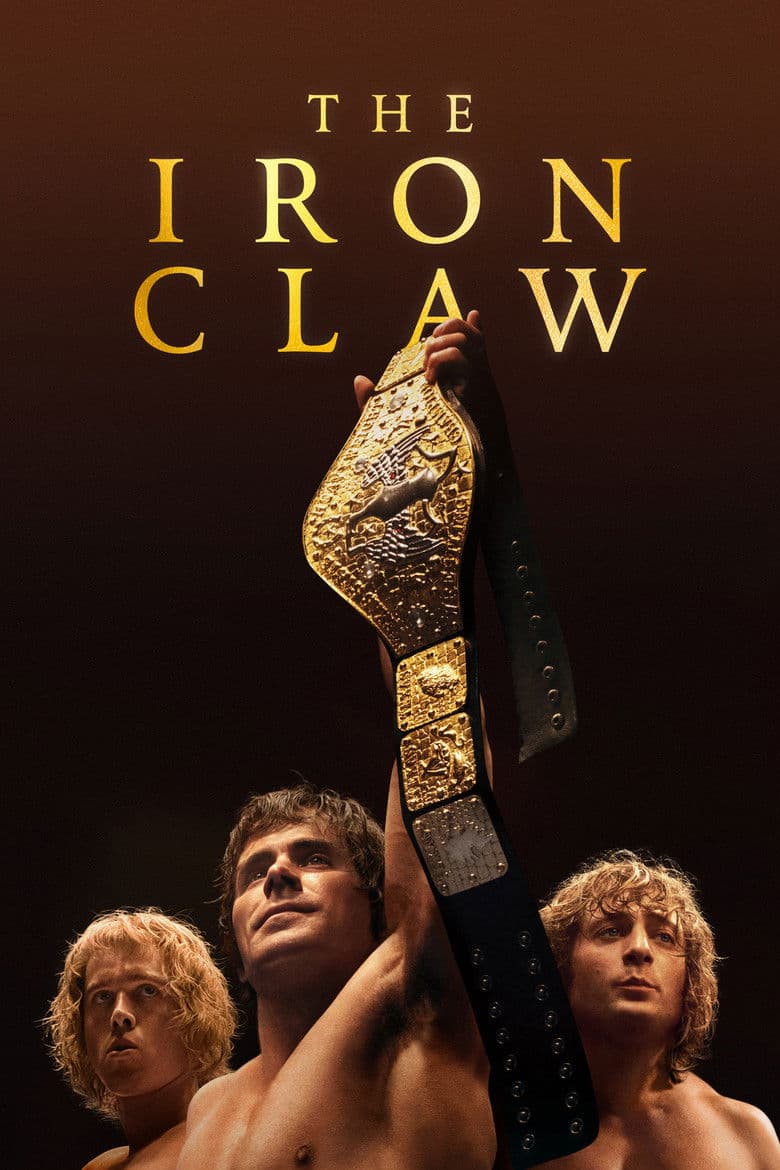
The true story of the inseparable Von Erich brothers, who made history in the intensely competitive world of professional wrestling in the early 1980s.
Movie · 2025
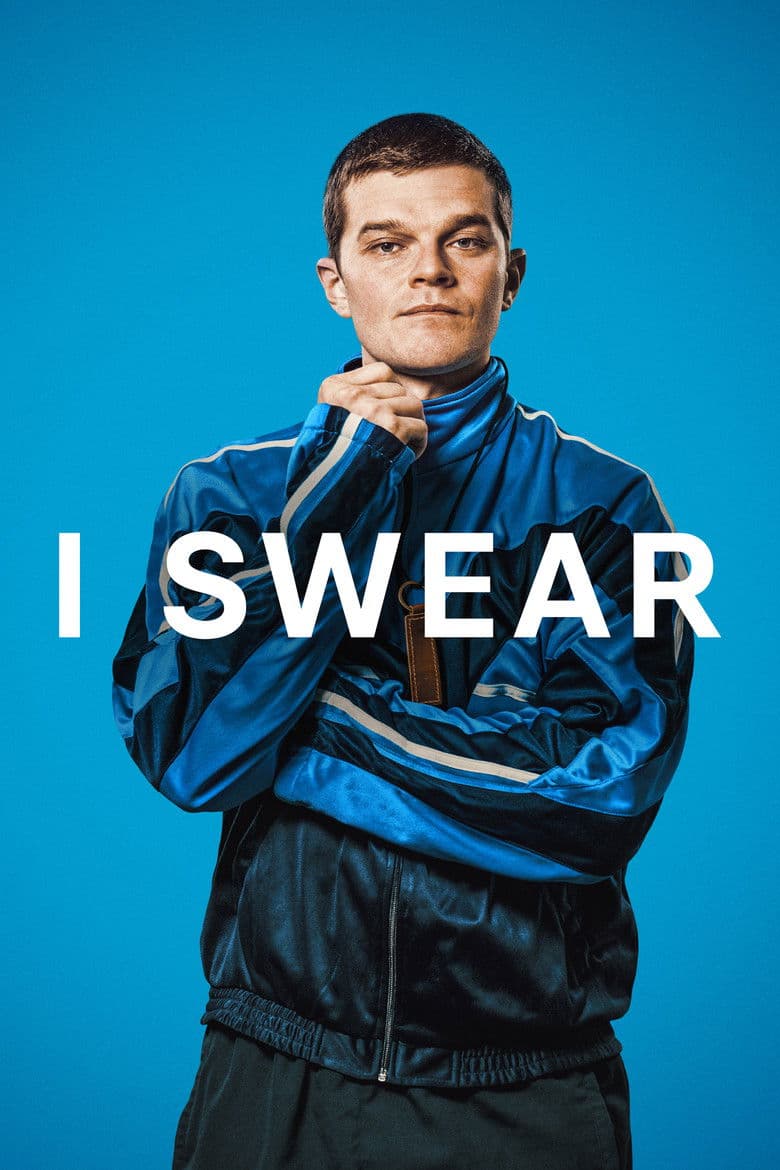
Diagnosed with Tourette Syndrome at 15, John Davidson navigates his way against the odds through troubled teenage years and into adulthood, finding inspiration in the kindness of…
Movie · 2023
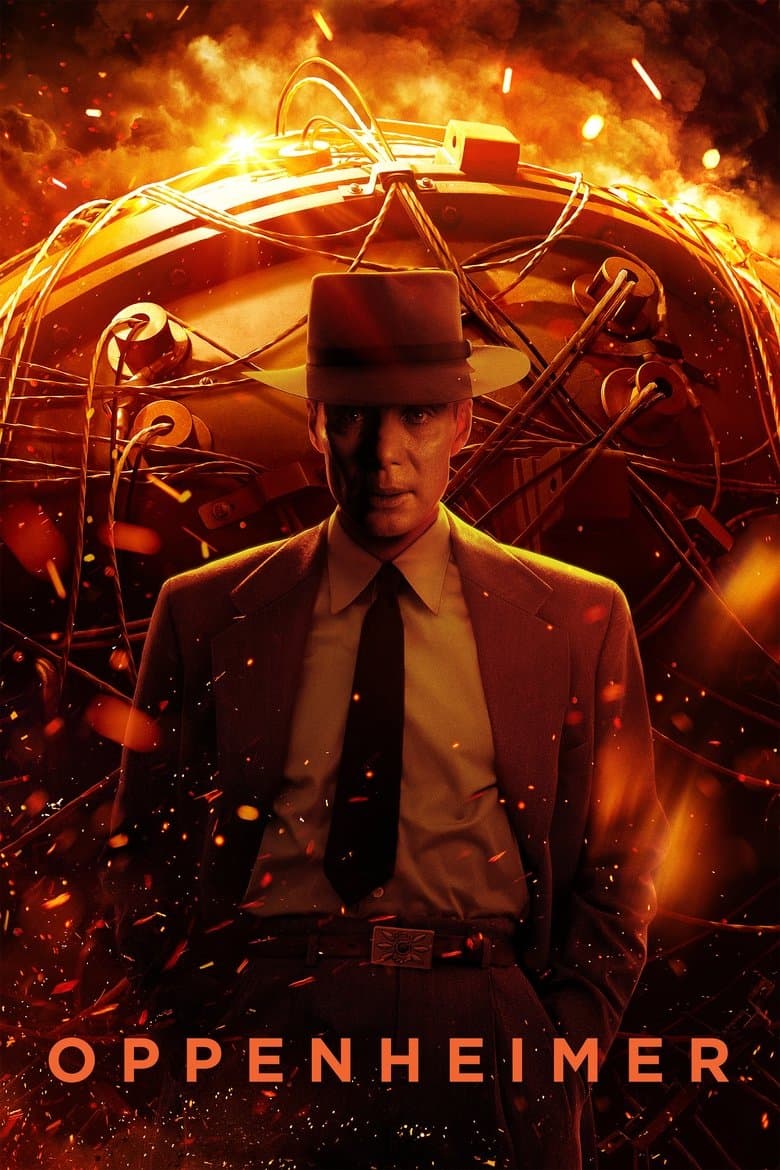
The story of J. Robert Oppenheimer's role in the development of the atomic bomb during World War II.

Movie · 2016
After his older brother passes away, Lee Chandler is forced to return home to care for his 16-year-old nephew.
Movie · 2020
A man refuses all assistance from his daughter as he ages and, as he tries to make sense of his changing circumstances, he begins to doubt his loved ones, his own mind and even…

Movie · 2023
American ballet dancer Joy Womack is accepted into Moscow's infamously tough Bolshoi Ballet Academy, with the dream of becoming a great ballerina.
Movie · 2022
London, 1953. Mr. Williams, a veteran civil servant, is an important cog within the city's bureaucracy as it struggles to rebuild in the aftermath of World War II.
Movie · 2019
Richard Jewell thinks quick, works fast, and saves hundreds, perhaps thousands, of lives after a domestic terrorist plants several pipe bombs and they explode during a concert…
