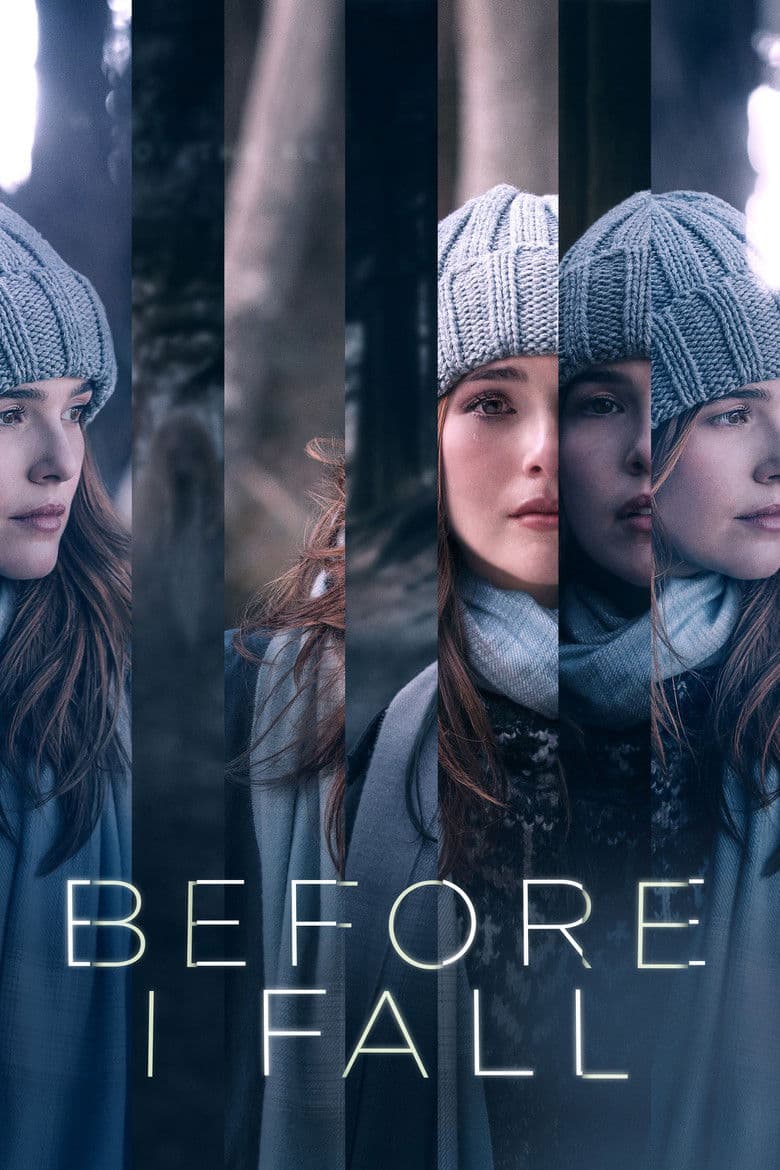
Samantha Kingston is a popular high school senior who thinks her life is perfect. After a car crash, she wakes up on the same day and must live it again and again. She watches her friends bully Juliet, an isolated classmate, and sees how her own choices hurt other people. The movie has a dark, sad tone, but it also follows Sam toward honesty, kindness, and personal change.
The film includes Anna, an openly gay student whom Sam's group mocks and targets with a cruel social media prank. Sam later tries to treat Anna with respect, but Anna's story stays small beside the main conflict. The larger message attacks bullying, shallow popularity, and the habit of following a crowd. Sam's final choices focus on saving Juliet, facing her guilt, and showing love to her family and friends.
Community feedback
Was our 43% Woke rating accurate?
Breakdown
These are the editorial factors and ratings behind our score for Before I Fall.
Woke representation / casting
The book described the popular girls as having similar racial and ethnic backgrounds, but the film places Cynthy Wu and Medalion Rahimi in the main group with white actresses Zoey Deutch and Halston Sage. Director Ry Russo-Young said she wanted more diverse representation and built the group through that casting process. Anna is also an openly gay student, though she is a secondary character. The film does not make these characters identity-based heroes, so the signal is clear but not dominant.
42%
Woke political dialogue
Anna says she is in “heteronormative hell” when the school sends roses to straight couples. The line returns in the repeated school scenes, and the girls also discuss a Snapchat prank that hurt Anna's relationship with her girlfriend. The film also uses a homophobic slur against Anna. The dialogue shows identity-based bullying, but it never becomes a speech about policy, systems, or politics.
18%
Identity-driven story themes
The film makes Sam's moral change depend on seeing the harm caused by her clique. Anna is openly gay, and the girls mock her, use a Snapchat prank to break up her relationship, and call her a slur. Sam later tells Anna she is better than Alex and gives her an art book. The main emotional focus stays on Sam's guilt, Juliet's suicide, and personal redemption, so the LGBTQ thread supports the larger anti-bullying message instead of driving the whole story.
31%
Western institutional / cultural critique
Not present in this title.
0%
Woke character or canon changes
Not relevant. Original contemporary story from a 2010 novel. No legacy characters, historical figures, or established canon altered for ideological, identity, or DEI reasons. Adaptation shifts appear standard for pacing and visual storytelling.
0%
Anti-woke backlash and complaints
Not present. No notable anti-woke, right-leaning, or conservative complaints in coverage or discussion that the film pushes woke, DEI, identity politics, or left-wing messaging. Reception stayed on story effectiveness, acting, and familiarity as teen drama. Searches turned up no relevant political framing from the period.
0%
Creator track record context
Ry Russo-Young has a 66/100 cached score and a history tied to LGBTQ family rights work. Maria Maggenti has a 71/100 cached score and a history of ACT UP work and queer filmmaking. Russo-Young also said the movie should offer more diverse representation, which matches the changed friend-group casting. Lauren Oliver and the listed producers have much lower cached scores and mostly commercial records, so the crew signal is mixed rather than uniform.
58%
Production
Movie · 2017
Sophia, a new high school student, tries to make friends with Barbara, who tells her that “she kills giants,” protecting this way her hometown and its inhabitants, who do not…
Movie · 2017
A supernatural love story that centers on two parents whose life together falls apart after their son dies. The man, now a successful lawyer, and the woman, now married and an…
Movie · 2021
A bureaucrat interviews five souls to decide which of them will be given a life on Earth. But he soon faces an existential challenge of his own.
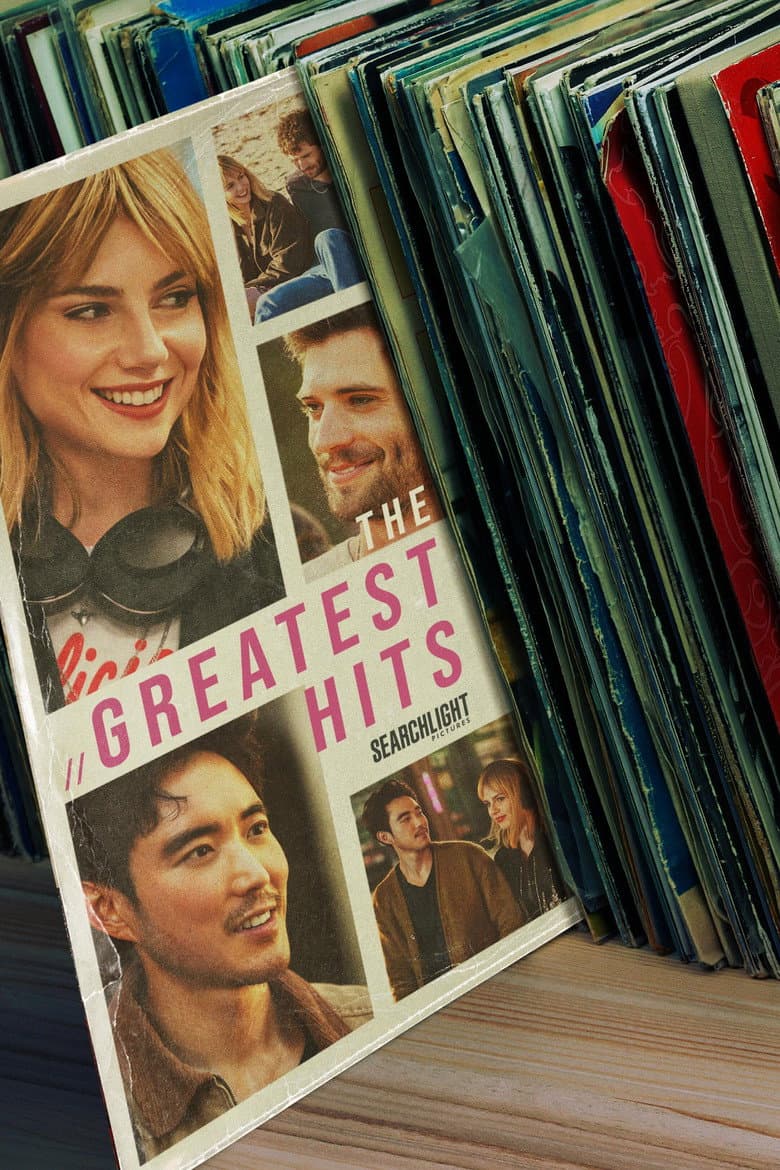
Movie · 2024
Harriet finds art imitating life when she discovers certain songs can transport her back in time – literally.
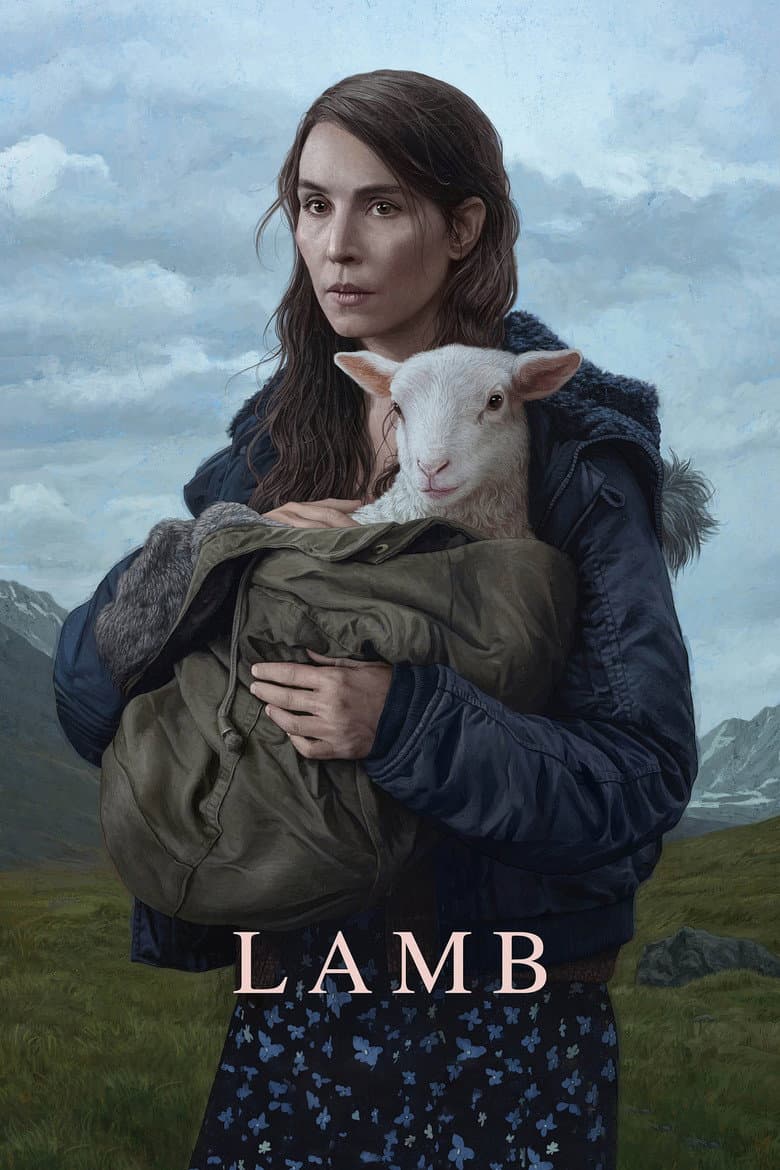
Movie · 2021
An Icelandic couple live with their herd of sheep on a beautiful but remote farm. When they discover a mysterious newborn on their land, they decide to keep it and raise it as…
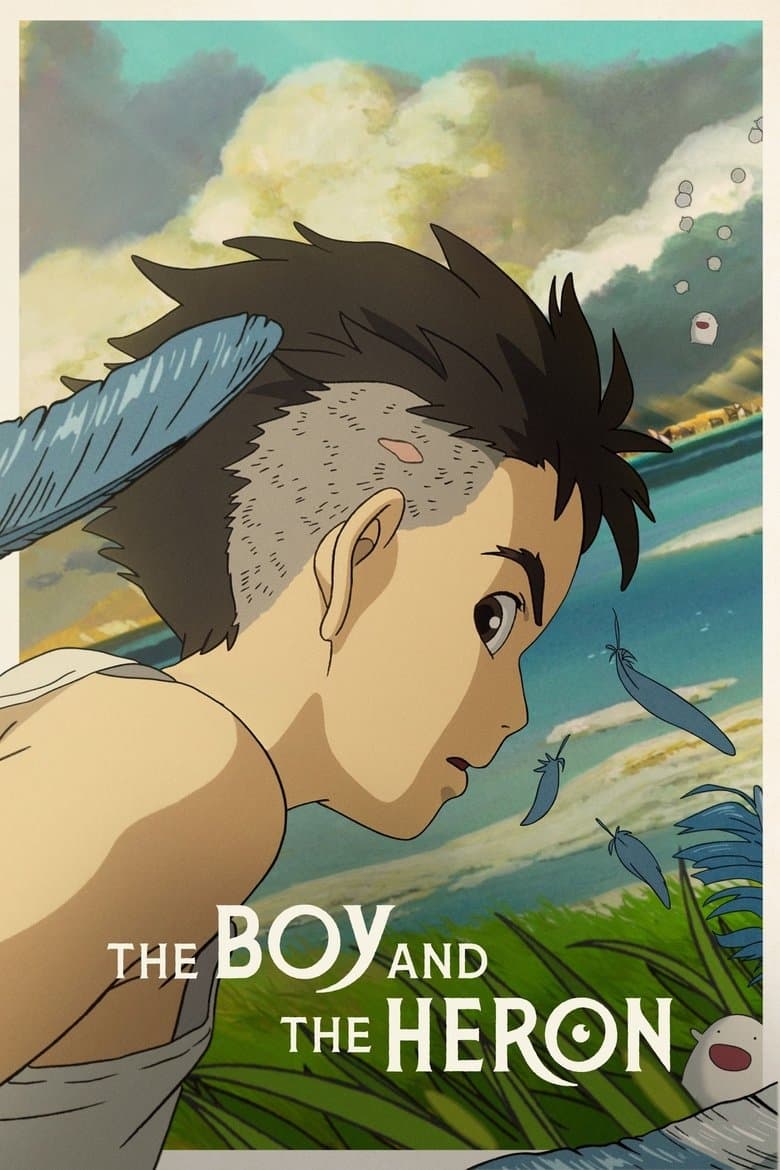
Movie · 2023
While the Second World War rages, the teenage Mahito, haunted by his mother's tragic death, is relocated from Tokyo to the serene rural home of his new stepmother Natsuko, a woman…
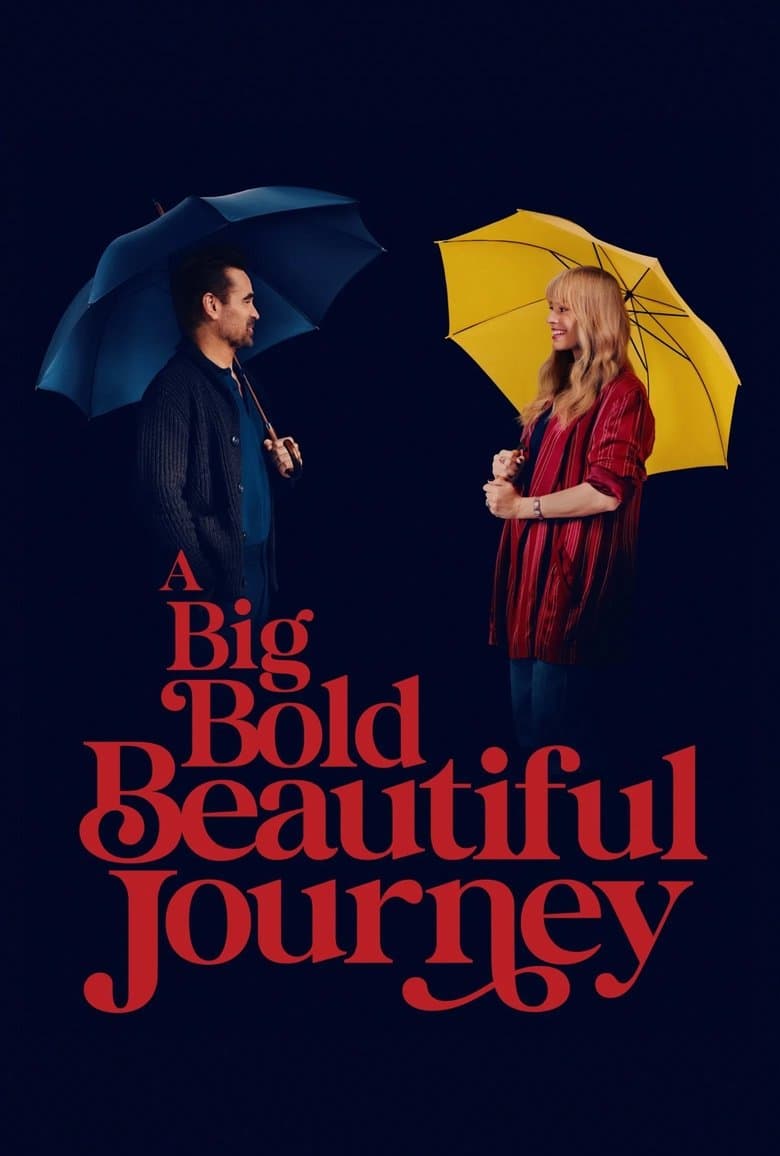
Movie · 2025
Sarah and David are single strangers who meet at a mutual friend’s wedding and soon, through a surprising twist of fate, find themselves on a funny, fantastical, sweeping…
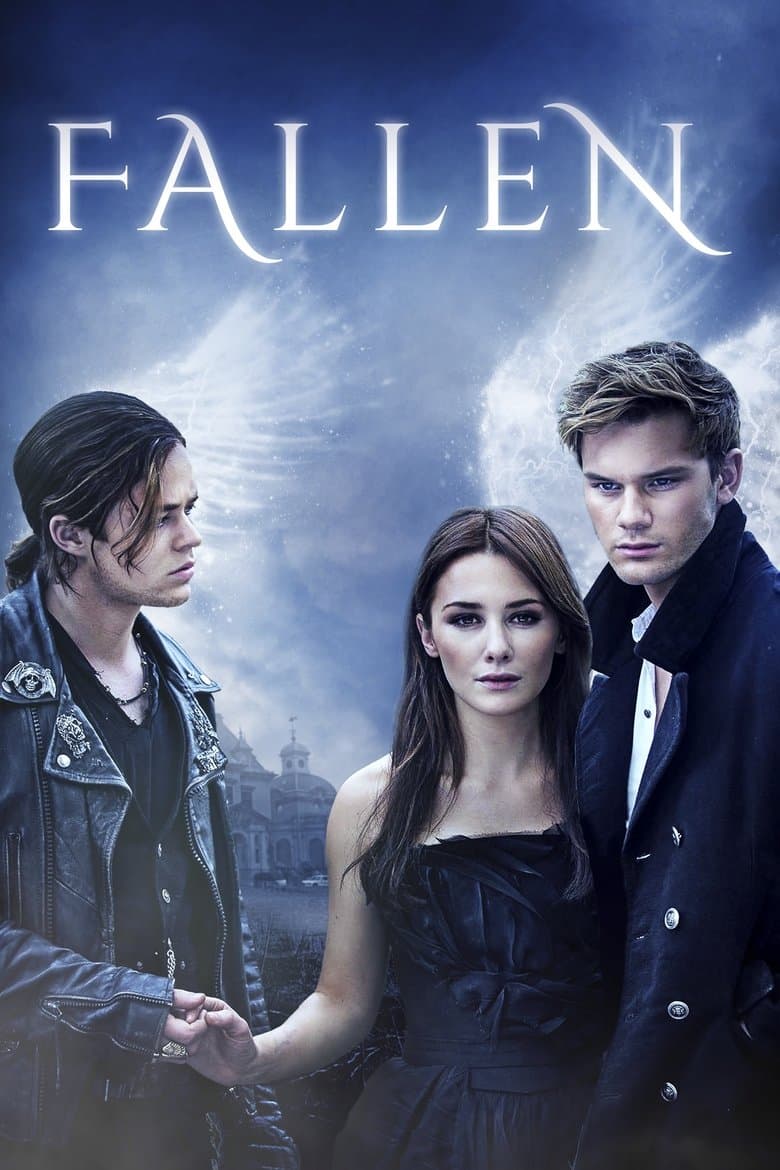
Movie · 2016
Lucinda Price is sent to a reform academy under the assumption that she has killed a boy. There, she meets two mysterious boys, Cam and Daniel, to whom she feels drawn to both.
