Movie review
December 14, 2022 · 192 min · PG-13 · Sci-Fi · Action · Adventure
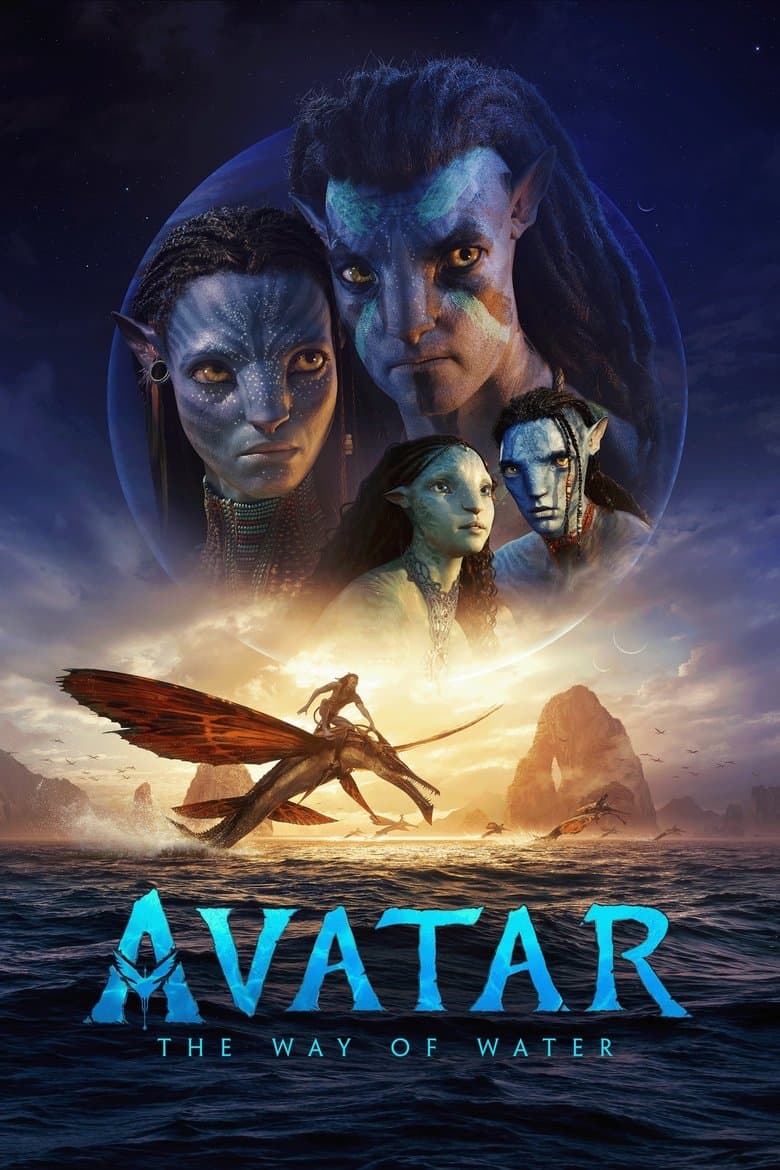
Jake Sully lives on Pandora with his wife Neytiri and their kids. Human forces return to take the moon and hunt smart whale-like sea animals for profit. The family runs to a water tribe for safety. The film is a long, big-budget action and family adventure with a serious, emotional tone about home, war, and nature.
The story leans hard on save-the-planet and stop-the-colonizers ideas that most viewers will notice. Human companies and armies are shown as greedy destroyers of forests, oceans, and native life. The Na’vi and their ocean friends live in balance with nature and fight back. Strong warrior mothers and leaders matter a lot in fights and family scenes. There is no clear queer storyline. Marketing and James Cameron’s own comments also push ocean care and anti-colonial meaning. The politics sit more in green and anti-empire messaging than in modern race or gender lectures, but the message is loud and hard to miss.
Community feedback
Was our 79% Woke rating accurate?
Breakdown
These are the editorial factors and ratings behind our score for Avatar: The Way of Water.
Woke representation / casting
Most big roles are blue Na’vi or returning stars, so race-as-casting is less in-your-face than a modern Earth drama. Still, the Metkayina ocean tribe uses Indigenous-linked casting (notably Maori actor Cliff Curtis) and Pacific-inspired design on purpose. Strong women (Neytiri, Ronal, General Ardmore) hold power on both sides. Audience-visible identity casting is present but secondary to alien spectacle.
30%
Woke political dialogue
Characters and plot talk often frame humans as greedy resource hunters and nature as sacred. Lines and scenes push anti-greed, anti-whaling, and “humans ruin worlds” ideas. This is easy to hear, but it is mostly green and anti-company talk, not modern race, gender, or queer lecture dialogue.
48%
Identity-driven story themes
The spine of the story is native peoples protecting land and ocean from colonizers, plus family survival. Earth is dying; industry kills smart sea life for money; living with nature is good. Strong warrior mothers matter. No front-and-center queer identity plot. Themes feel activist on environment and colonialism more than on race quotas or sexuality.
58%
Western institutional / cultural critique
The RDA army-and-company machine is the main evil system: mining, war, and sea hunting for profit. Science and tech often serve conquest. The film maps Western-style colonial extraction and corporate force onto clear villains. Cameron’s own colonial allegory talk and climate framing make this modern activist-adjacent critique, not just a generic bad-empire plot. Hard for a normal viewer to miss.
72%
Woke character or canon changes
Not relevant. This is an original sequel, not an adaptation that race-swaps, gender-swaps, or ideologically rewrites older source characters or real historical figures.
0%
Anti-woke backlash and complaints
Right-leaning and anti-woke writers called it climate and colonization propaganda and attacked its anti-industry, anti-colonial good-vs-evil setup. That is documented and real. It did not become the single defining public story of the film, which still made billions. Score reflects clear complaints, not a total culture-war explosion.
44%
Creator track record context
Driven mainly by Cameron’s known environmental, climate, and Indigenous-resistance focus, backed by co-writers who wrote the same green and anti-corporate Avatar themes. Other major listed crew score low on activism. Creator history lines up with the film’s loud eco-colonial message more than with hard DEI or queer politics.
48%
Production
Movie · 2024
Several generations following Caesar's reign, apes – now the dominant species – live harmoniously while humans have been reduced to living in the shadows.
Movie · 2017
The Guardians must fight to keep their newfound family together as they unravel the mysteries of Peter Quill's true parentage.

Movie · 2021
In a time when monsters walk the Earth, humanity’s fight for its future sets Godzilla and Kong on a collision course that will see the two most powerful forces of nature on the…

Movie · 2021
Peter Parker is unmasked and no longer able to separate his normal life from the high-stakes of being a super-hero.

Movie · 2024
Eddie and Venom are on the run. Hunted by both of their worlds and with the net closing in, the duo are forced into a devastating decision that will bring the curtains down on…
Movie · 2018
Primatologist Davis Okoye shares an unshakable bond with George, the extraordinarily intelligent, silverback gorilla who has been in his care since birth.
Movie · 2016
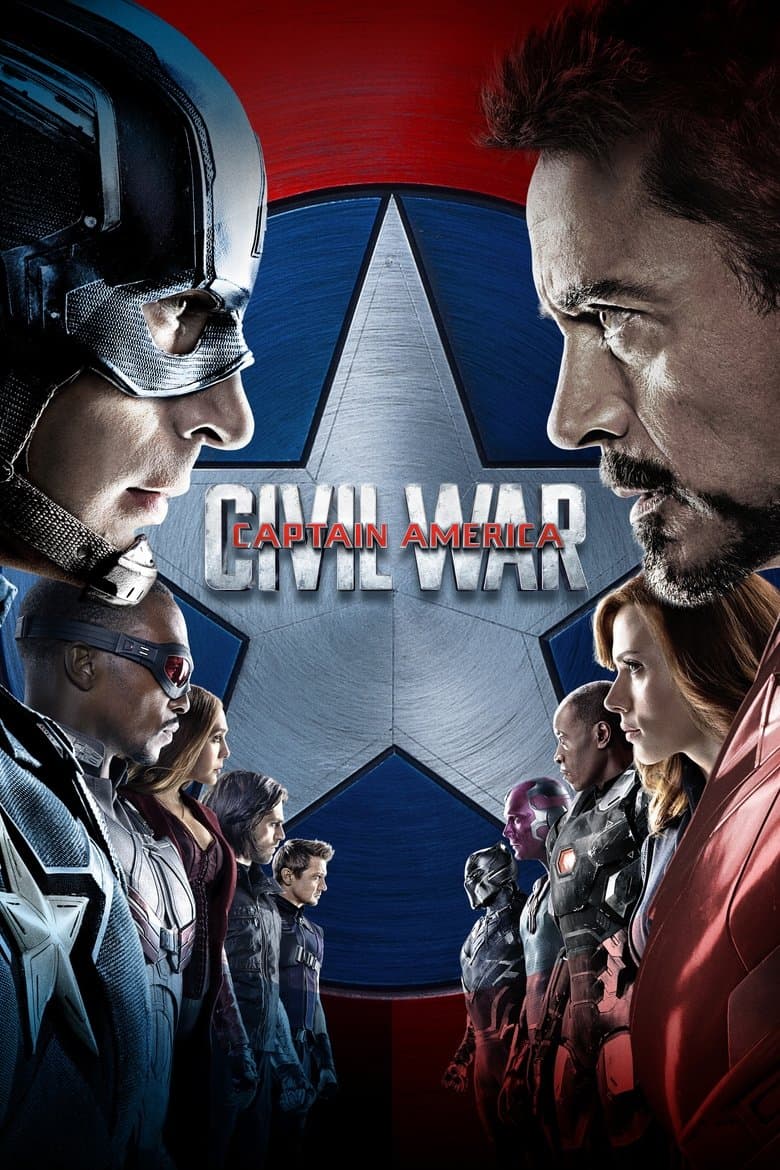
Following the events of Age of Ultron, the collective governments of the world pass an act designed to regulate all superhuman activity.

Movie · 2020
After he and his wife are murdered, marine Ray Garrison is resurrected by a team of scientists. Enhanced with nanotechnology, he becomes a superhuman, biotech killing…
